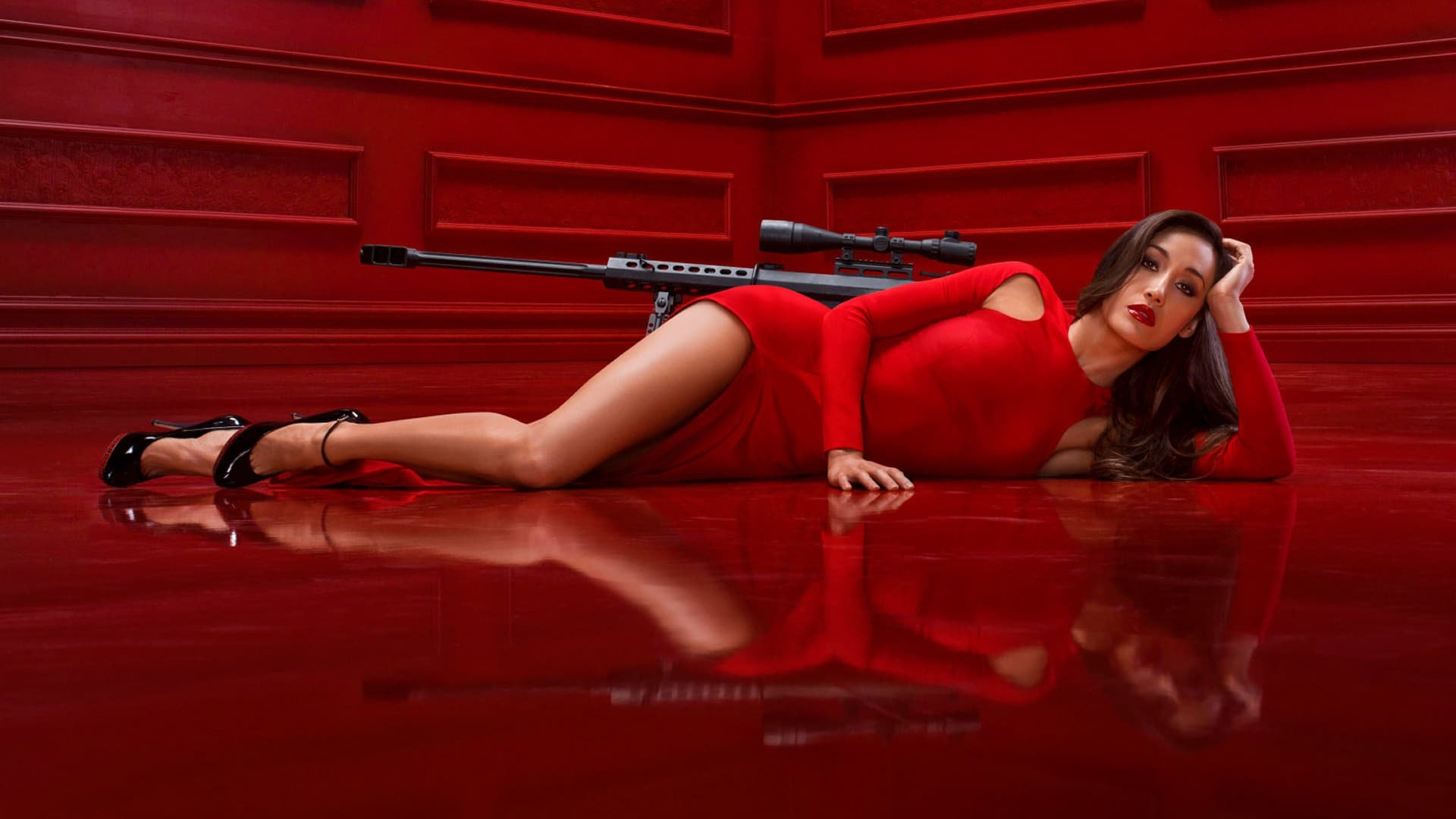

Where Hanna Came From
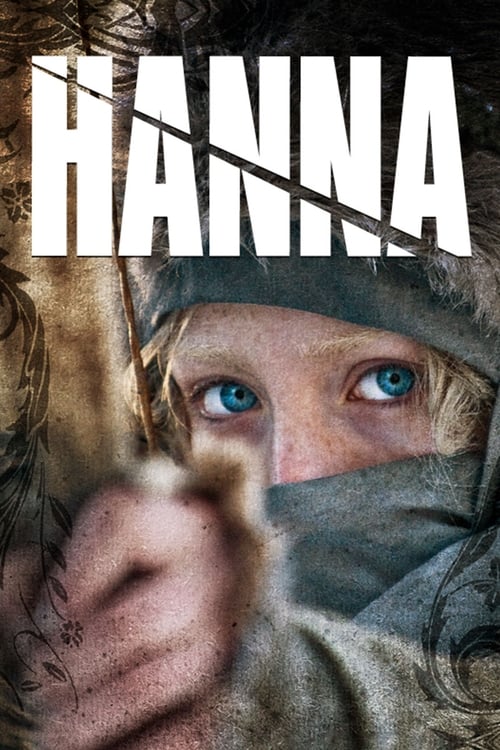
Hanna has no source novel, no comic, no true story. It began as an original screenplay by Seth Lochhead, a Canadian film student whose spec script landed on the Black List in 2006 and attracted director Joe Wright, then best known for prestige literary adaptations (Pride and Prejudice, Atonement). Wright brought in playwright David Farr to develop the script further, and what emerged in 2011 was something genuinely strange: a fairy-tale thriller with a Chemical Brothers score, a Finnish-wilderness opening, and Saoirse Ronan as a feral teenage girl trained since birth to be a weapon.
The film performed modestly at the box office but found a devoted audience and critical reputation over the following years. When Amazon launched its slate of prestige originals, David Farr returned to the material he had helped shape, developing a three-season Prime Video series that expanded the premise considerably, relocating much of the action to Europe and deepening the mythology around the Utrax program that created Hanna. The series ran from 2019 to 2021.
There is, as yet, no novelization, no video game, no stage adaptation, and no sequel film. Hanna is a small franchise: two screen versions, one original story, a very good electronic score.
Hanna Across the Years
The film is the definitive version
Joe Wright's 2011 film works because it commits to the fairy-tale logic of the premise without apology. Saoirse Ronan was 16 during filming and carries the entire movie on her face: genuine curiosity, controlled menace, and the particular pathos of someone who has read every book and understood none of real life. The Chemical Brothers score is one of the best action-film soundtracks of its decade. At 111 minutes it does not overstay. The series is worth watching but it is an expansion, not an improvement.
The series earns its three seasons
David Farr's Prime Video series is not a retread. It takes the film's premise and asks what comes after the escape: Hanna is now one of several engineered girls, the Utrax program has its own institutional politics, and the show becomes as much about sisterhood and institutional betrayal as about action choreography. Esme Creed-Miles holds the role with a quieter, more inward quality than Ronan, which suits the slower-burning format. Mireille Enos as Marissa Wiegler is considerably more developed than Cate Blanchett's theatrical villain in the film. Season 3 closes the story properly.

If You Love Hanna: Girls Raised as Weapons
Stories about young women trained, engineered, or forced into violence who find their own way out
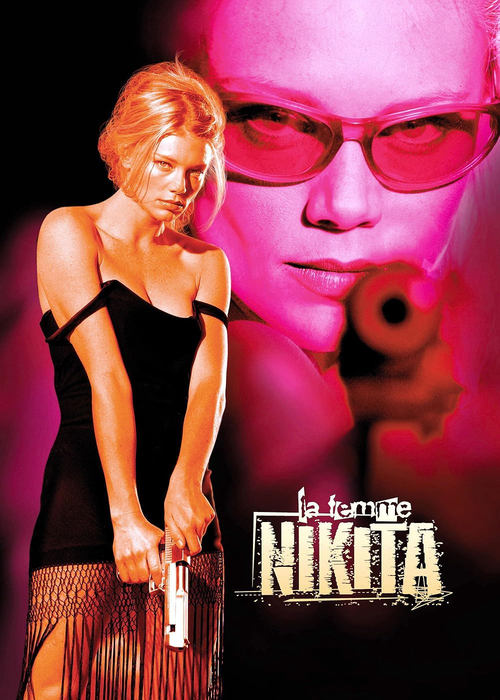
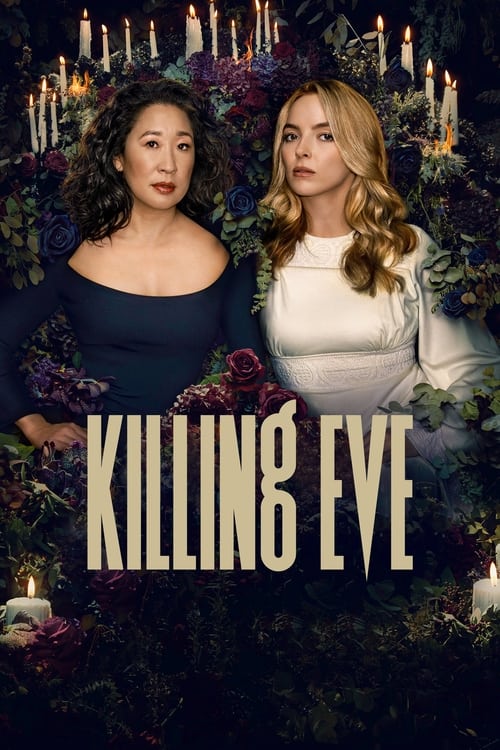
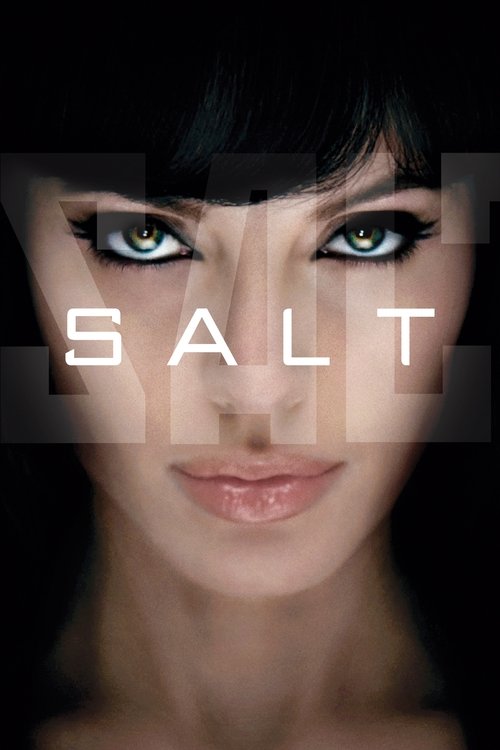

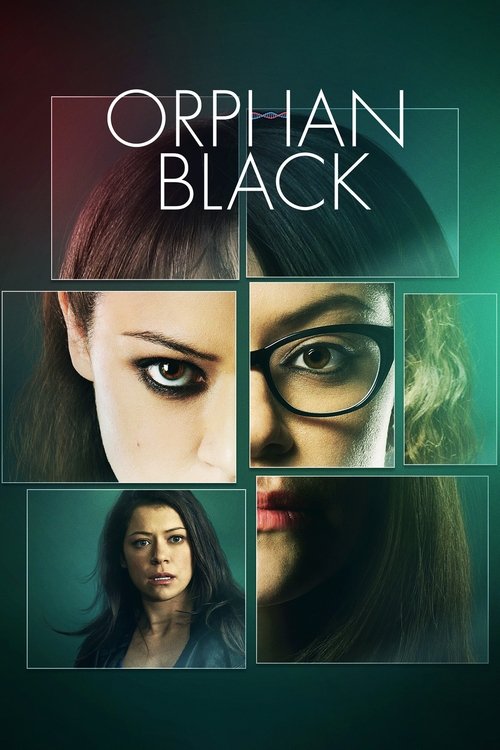
If You Love Hanna: Fairy Tale Logic in Thriller Clothes
Genre films that use fairy-tale or mythological structure underneath their action or horror surfaces
If You Love Hanna: Child Soldiers and Engineered Killers
Stories about people whose entire childhood was training for violence, and what happens when they try to be human

More Lethal Spies and Assassins
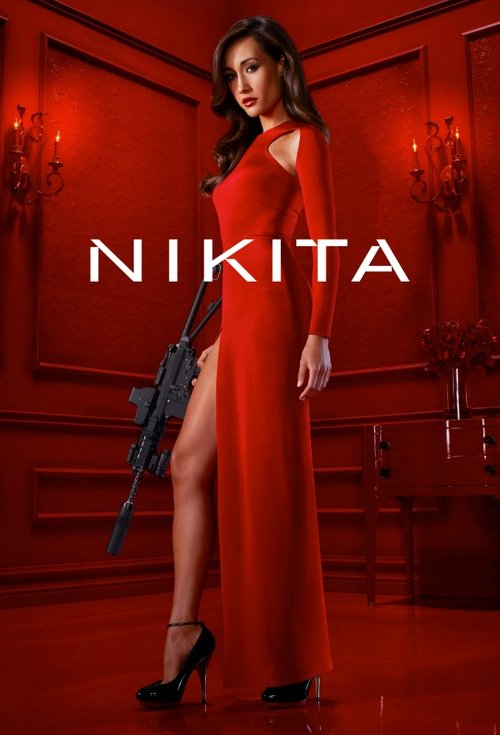
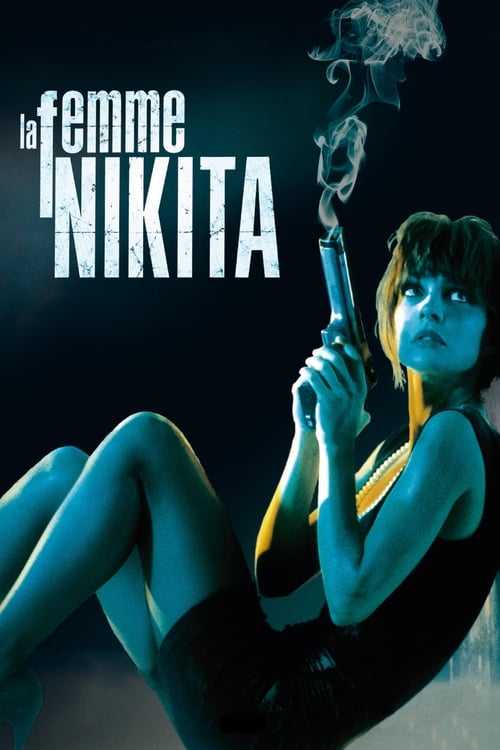
Every Version of Nikita
Explore the Every Version of Nikita guide →The film begins with a girl hunting a reindeer in the snow and ends with a girl choosing not to become the thing she was built to be. Everything in between is the Chemical Brothers telling you to feel both.CrossBinge editors