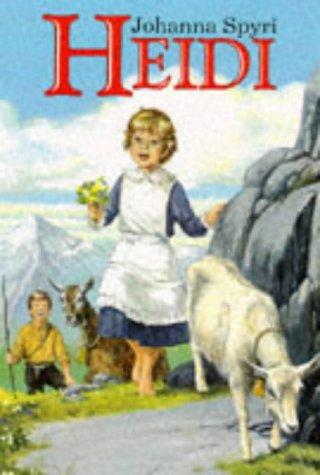

The Swiss orphan who conquered the world
Johanna Spyri published Heidi in two volumes in 1880 and 1881 in Zurich, writing for German-speaking children at a time when moralizing children's literature dominated the market. What she produced was something warmer and stranger: a story about a child who genuinely loves the mountains, who rescues the adults around her without quite meaning to, and whose faith is worn lightly rather than preached. The book was translated into English within three years of publication and never went out of print. By the mid-twentieth century it had been adapted into almost every medium that existed, and it kept going.
The core story is simple enough to survive translation and reinvention. Orphaned Heidi is dropped off with her reclusive grandfather in the Alps, thrives there, gets forcibly taken to Frankfurt as a companion to the wheelchair-bound Clara, pines for the mountains, and eventually returns. What makes that skeleton so durable is that every generation has found something different in it. Some versions stress the healing power of nature. Others stress class and freedom. The 1974 Japanese anime, directed by Isao Takahata, found in it something close to documentary realism about how Swiss mountain life actually worked. The 2022 exploitation film Mad Heidi turned it into a grindhouse revenge fantasy. All of them are, in some sense, faithful.
Every version of Heidi
The source novel and every major film and TV adaptation

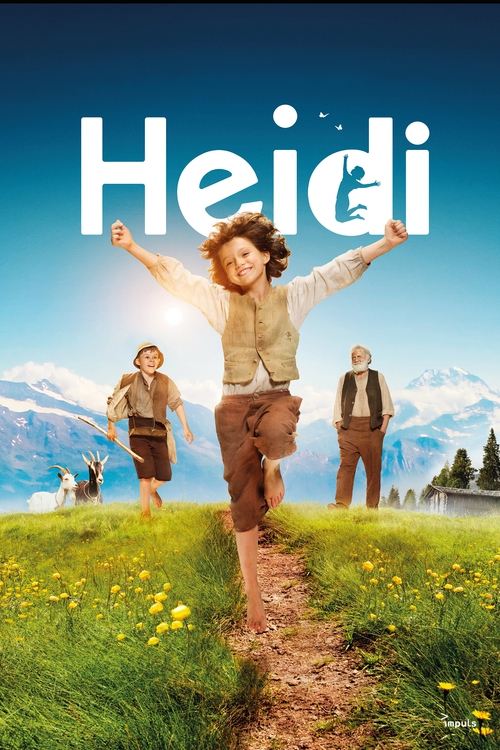
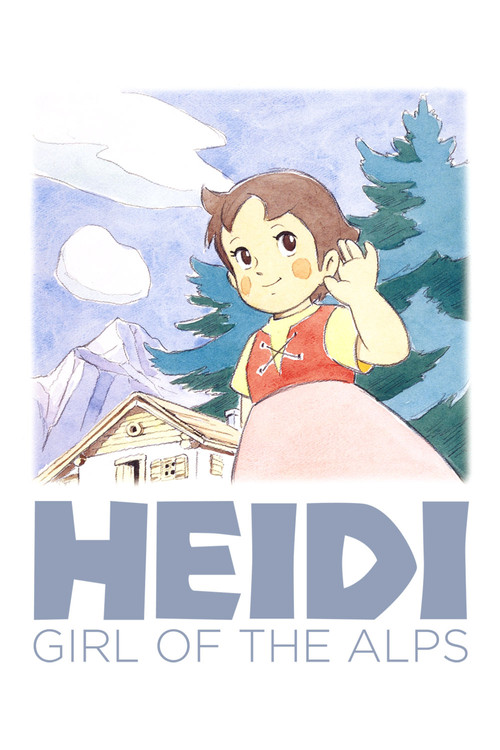
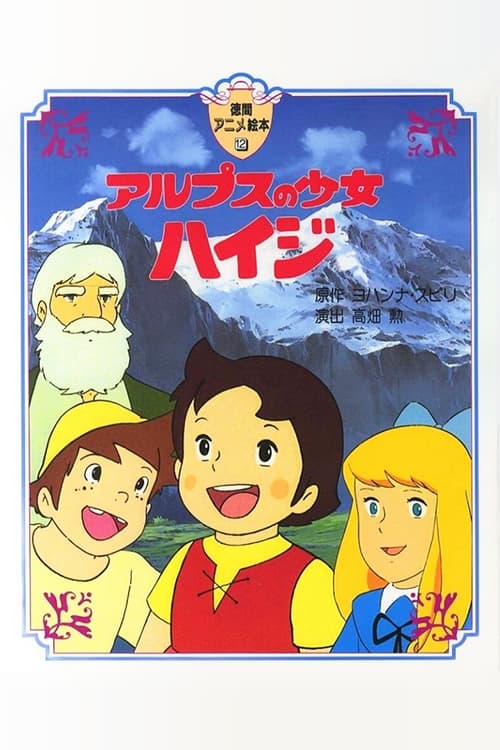

Heidi across the decades
- 1880Johanna Spyri publishes the first volume of the novel in Zurich; the second follows in 1881 Heidi
- 1937Shirley Temple stars in the first major Hollywood version, directed by Allan Dwan Heidi
- 1952Luigi Comencini directs the first German-language film version, a Swiss production that became a hit across Europe and spawned a 1955 sequel Heidi
- 1968NBC broadcasts a TV movie starring Jennifer Edwards; the network's decision to cut away for it mid-game becomes infamous as the Heidi Game Heidi
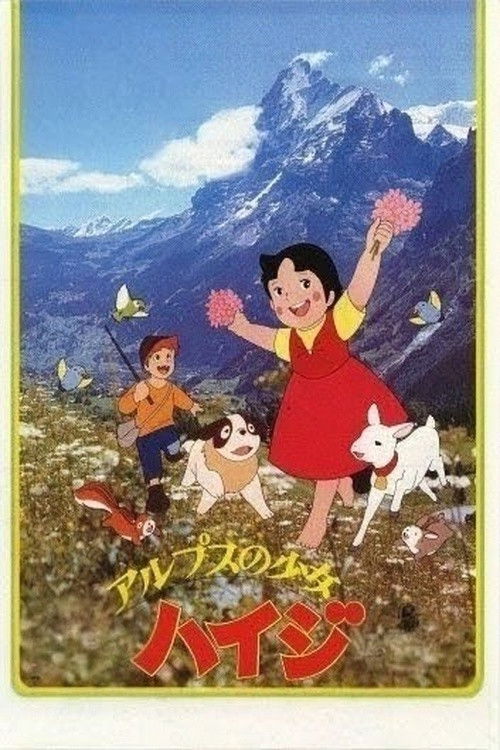
- 1974Isao Takahata directs the landmark Japanese anime series, with Hayao Miyazaki as scene designer and layout artist Heidi: Girl of the Alps
- 1978A German-language TV miniseries revisits the story across 26 episodes for a new generation Heidi
- 1979A feature-length theatrical cut of the 1974 anime released in Europe Heidi in the Mountains
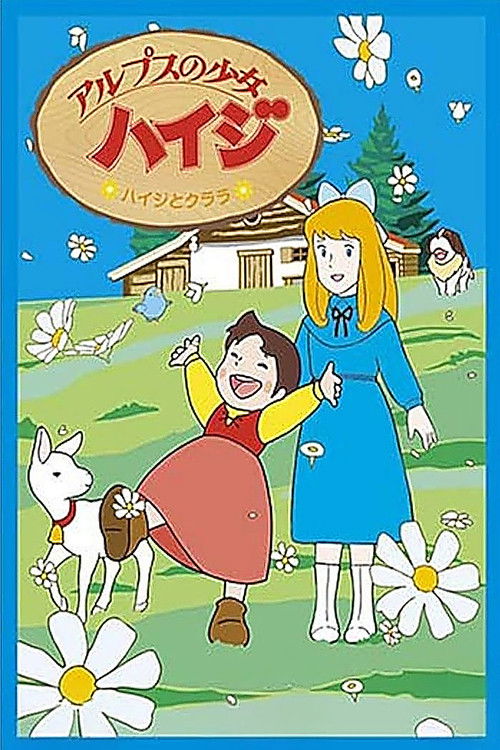
- 1993Compilation film covering the Frankfurt arc of the 1974 anime released theatrically in Japan Heidi: Girl of the Alps: Heidi and Clara
- 2005A British live-action version with Max von Sydow and Diana Rigg closely follows the novel Heidi
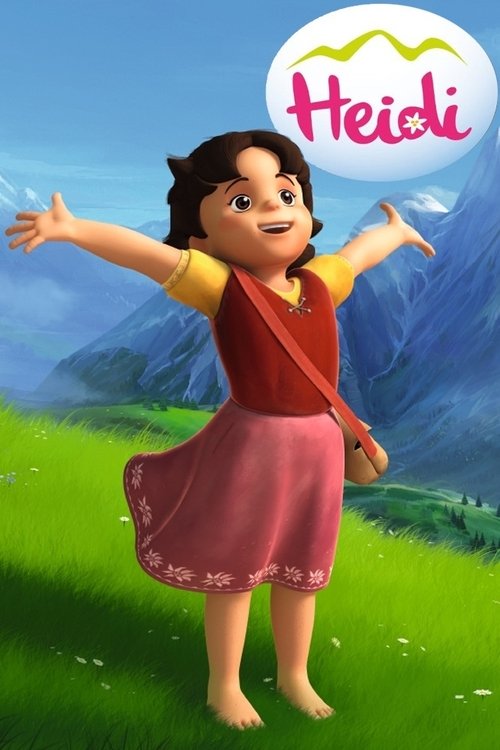
- 2015A Swiss-German theatrical film directed by Alain Gsponer, and a separate Studio 100 animated TV series, both arrive in the same year Heidi
- 2022Mad Heidi reimagines the character as a grindhouse action hero in a crowdfunded swissploitation film Mad Heidi
The definitive version is the 1974 anime
Isao Takahata's 52-episode TV series is the adaptation that gets the most right, and not because it is the most faithful. It is the most observed. Takahata and Miyazaki (who served as scene designer and layout artist across all 52 episodes) spent time researching the Alps, and the result is a version where the mountains feel like a real place rather than a picturesque backdrop. Heidi's relationship with her grandfather builds slowly. The goats have personalities. Clara's recovery in the final arc lands because the show has earned it over fifty episodes.
This is the version that generations of European and Japanese children grew up watching. Its influence on Studio Ghibli's later approach to natural environments is direct and documented. The anime understands something the live-action films generally don't: the story's real subject is not Heidi's virtue but her specific attachment to a specific place. Remove the landscape and you have a cheerful orphan story. Keep it and you have something stranger and better.
The 1952 Comencini film is the version the live-action adaptations should be measured against
Luigi Comencini's 1952 Swiss production is the first Heidi filmed in German and the only live-action version made in Switzerland with Swiss actors. It benefits from that fact at every turn. The Alps are not a backdrop; they are the actual Alps. Elsbeth Sigmund as Heidi and Heinrich Gretler as her grandfather bring a restraint that the more sentimental productions never quite achieve. Comencini was working in the shadow of Italian neorealism and it shows in the best possible way: the film trusts the landscape to carry emotional weight without underlining it.
It was popular enough across Europe to produce a sequel (Heidi and Peter, 1955) and remained the standard German-language version for a generation. If you want to see what the novel looks like filmed by people who understood its subject rather than its box-office potential, this is where to start.
The 1937 Shirley Temple version is more interesting than its reputation suggests
The easy dismissal is that the 1937 film is pure star vehicle, and there is truth in that: the story is rearranged around Temple's ability to sing and dance, and grandfather Adolph Kramer is played with blustering charm by Jean Hersholt. But the film has genuine warmth, and Temple at her peak could carry material that had nothing behind it. Here there is actually something behind it. The scenes between Heidi and her grandfather before the Frankfurt kidnapping plot takes over are unhurried and well-observed, and director Allan Dwan keeps the sentiment from curdling. It holds up better than its reputation suggests.
Mad Heidi is exactly what it says it is
The 2022 Swiss crowdfunded film is a deliberately trashy grindhouse revenge fantasy that uses the Heidi name as a springboard for something else entirely. It is self-aware about its own absurdity and commits to the premise: a cheese-tyrant dystopia, martial arts in traditional Swiss costume, and a Casper Van Dien performance pitched perfectly to the material. If you want canonical Heidi, skip it. If you want the concept of swissploitation executed with professional craft and a genuine sense of humor about itself, it delivers.
It is also notable as one of the first features crowdfunded directly through a dedicated fan-investor platform (MadHeidi.com), which gave the production unusual creative freedom. The directors Johannes Hartmann and Sandro Klopfstein have said they wanted to make the film they would want to see, not the one the market expected. That freedom shows.
If you love Heidi: the classic orphan-girl canon
Stories about resilient girls who transform the world around them


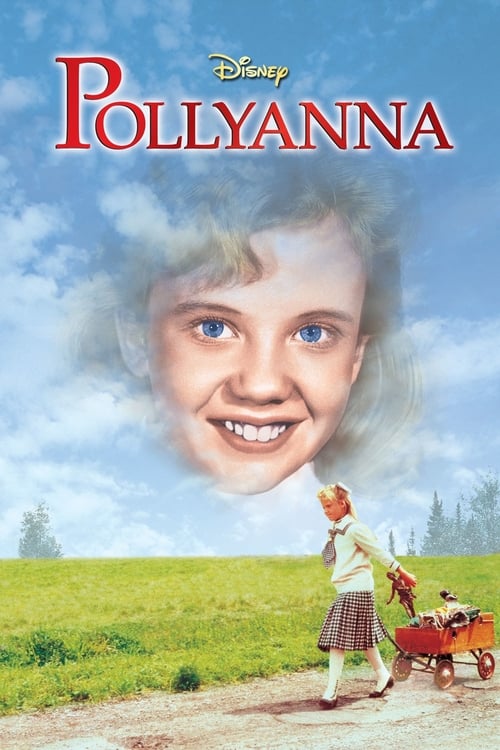
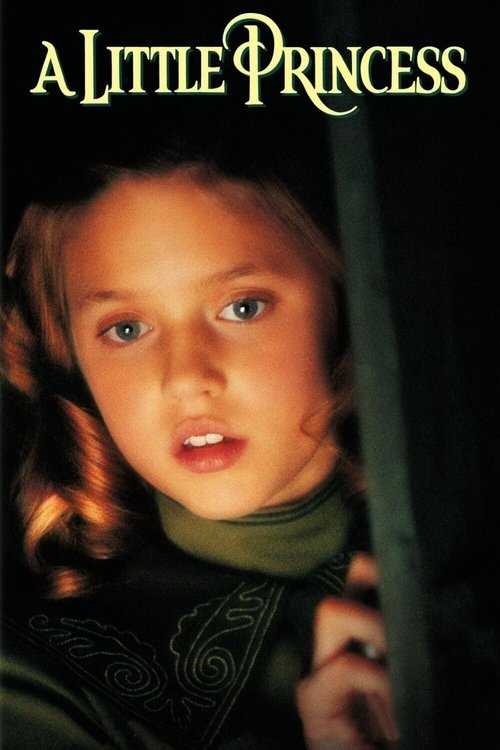
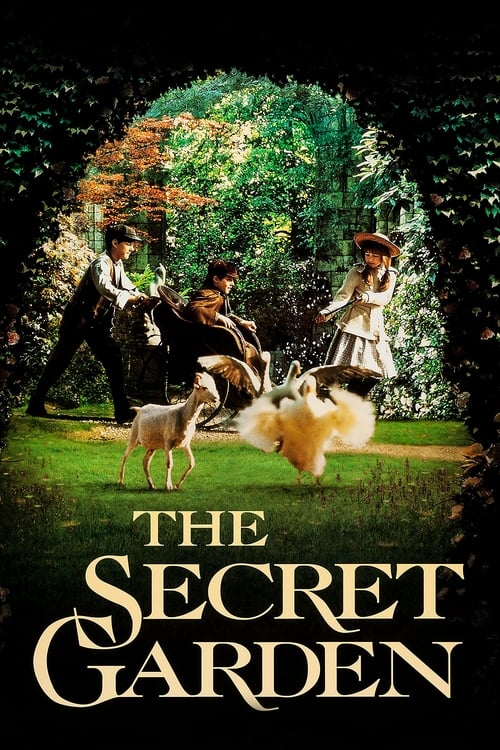
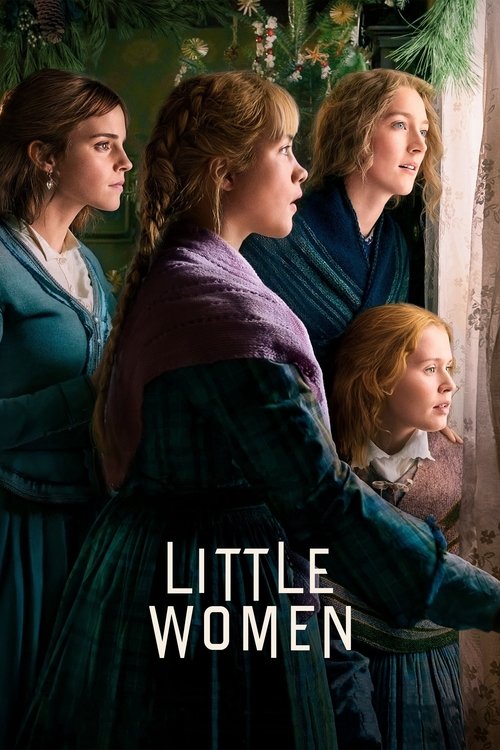
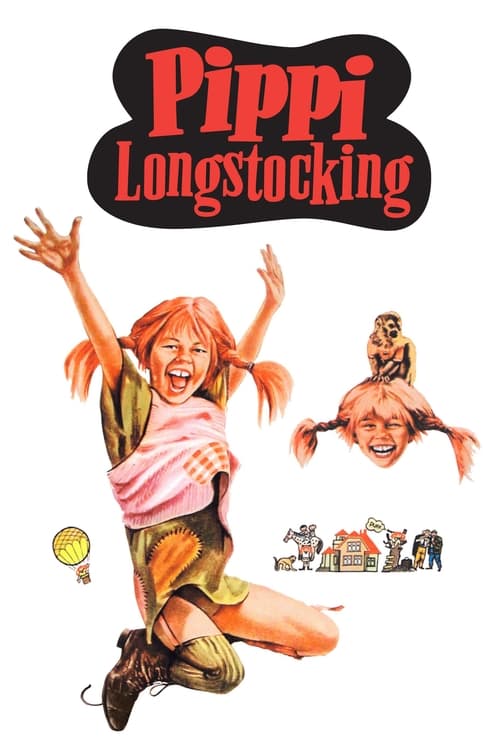
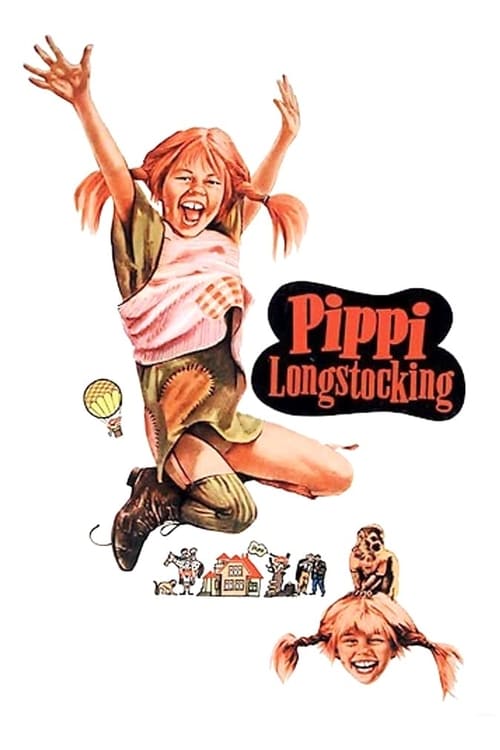
If you love Heidi: nature, freedom, and children finding their place
Films and series where landscape is as important as character
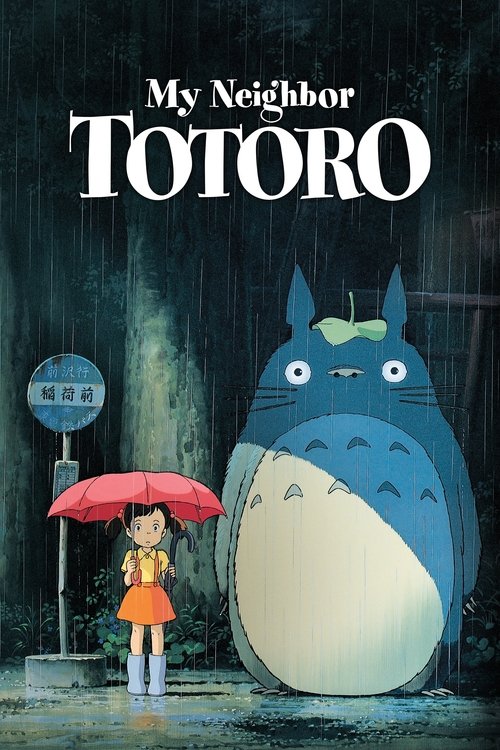
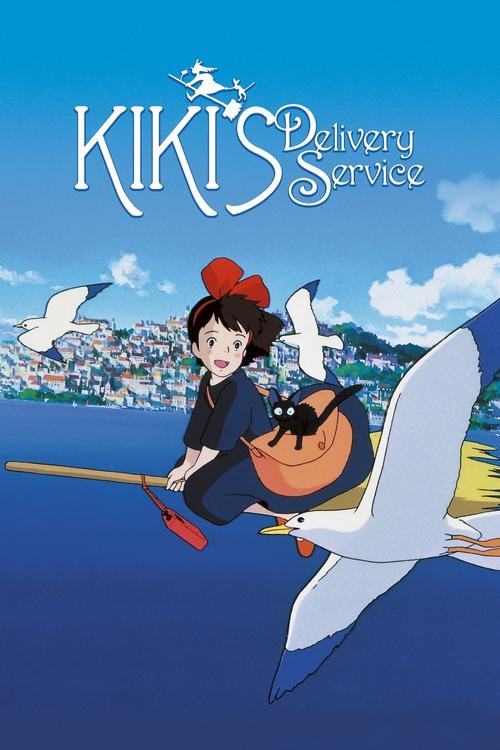
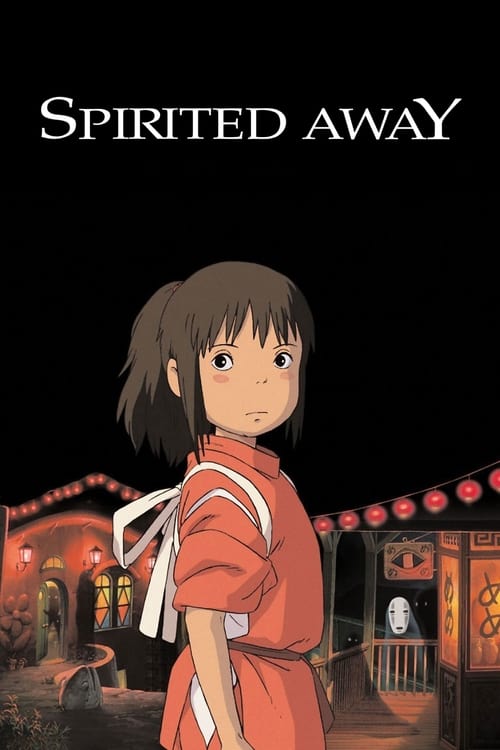
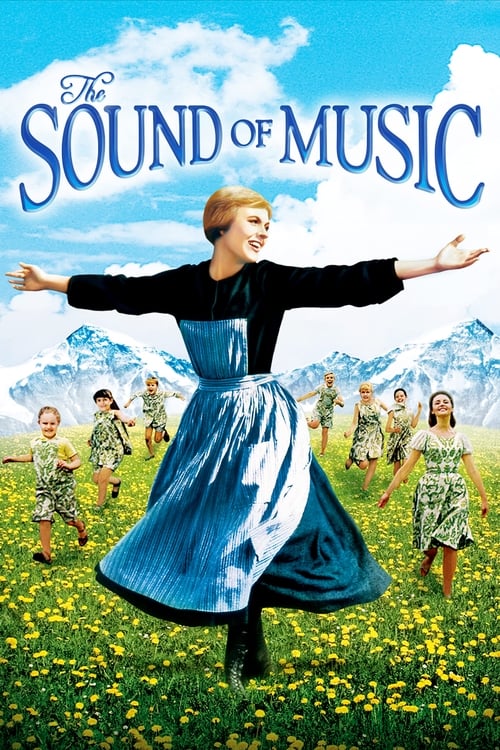
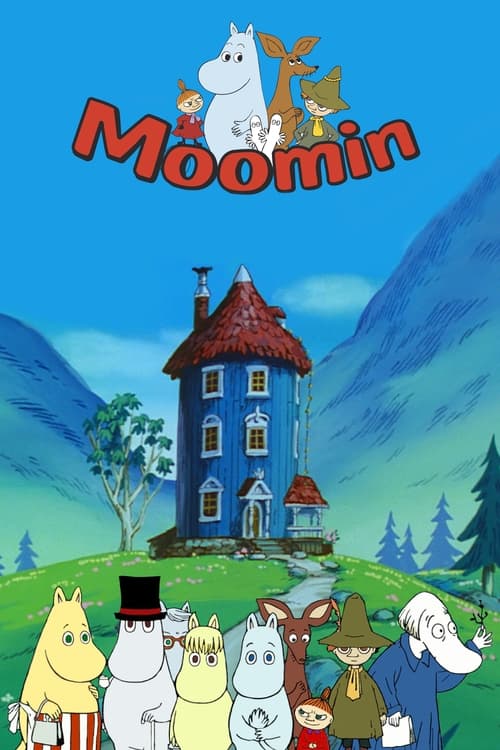
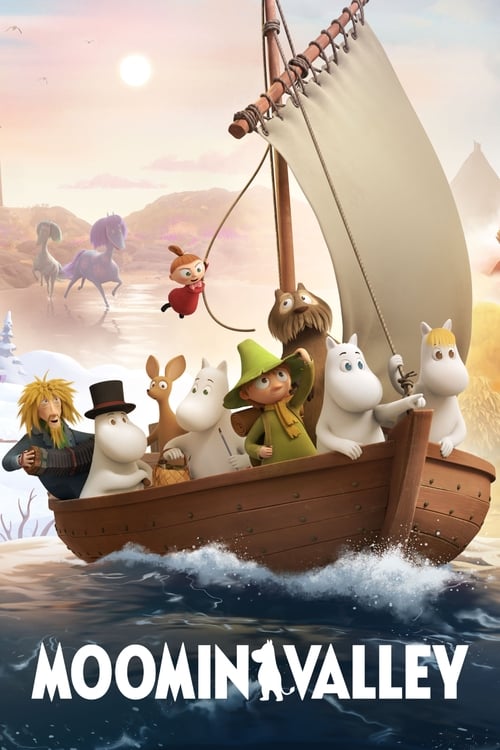
Cozy classics and anime tearjerkers
For Fans of Studio Ghibli
Explore the For Fans of Studio Ghibli guide →Spyri set out to write a moral tale and accidentally wrote a love letter to mountains. Every adaptation since has had to decide which one it is.CrossBinge editors