
A Florida Satire That Somehow Became a Star Vehicle
Carl Hiaasen published Strip Tease in 1993, and the title tells you exactly where he was going. His protagonist, Erin Grant, is a former FBI clerical worker who loses her job, loses custody of her daughter to a lowlife ex-husband, and ends up working at a Fort Lauderdale club called the Eager Beaver. She is, in Hiaasen's telling, one of the most competent and morally upright people in the story. The congressman who becomes obsessed with her is not.
Hiaasen had been writing Florida crime satire since Tourist Season in 1986, always working the same vein: the state as a sinkhole of greed, political corruption, and ecological ruin populated by people who are either venal or absurd. Strip Tease fit the template precisely. The villain, Congressman David Dilbeck, is a sugar-industry puppet who gets tangled in blackmail after being spotted at the club, and the whole plot turns on who has footage of what and how badly they want it buried.
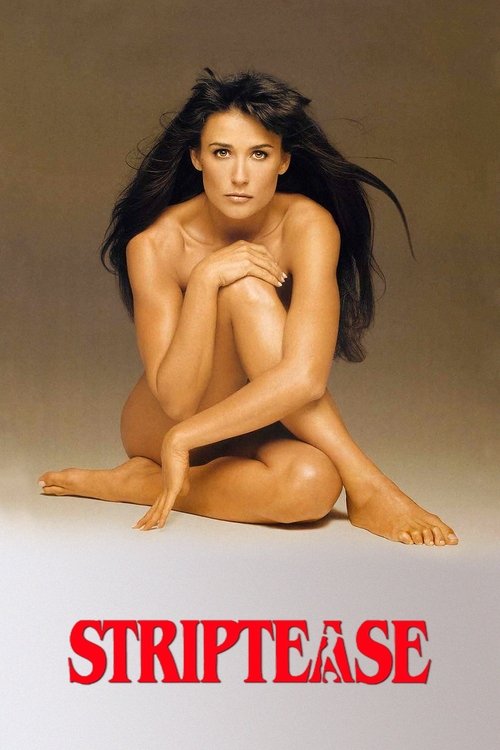
In 1996, producer Mike Lobell and director Andrew Bergman adapted it as Striptease, casting Demi Moore in a role that was, at the time, reported to have cost $12.5 million. The film collapsed the satire and leaned hard into the spectacle, and the reviews were merciless. It has since found a second life as a fascinating artifact of mid-1990s Hollywood excess: a star at her peak, a source novel by one of America's best satirists, and a finished product that somehow disappointed everyone.
That is the full adaptation history. There has been no television version, no stage musical, no remake. The story traveled exactly once from the page to the screen, stumbled, and stopped.
Striptease Across the Years
- 1993Carl Hiaasen publishes Strip Tease Strip tease
- 1996Andrew Bergman directs the film adaptation starring Demi Moore Striptease
- 1996Film wins five Razzie Awards including Worst Picture
- 1997Hiaasen's Naked Came the Manatee anthology published; Erin Grant appears in one chapter
The book is the real version
Hiaasen's novel lands every satirical punch the film misses. Erin Grant is a smart, resourceful woman navigating a system designed to humiliate her, and the corrupt congressman is genuinely funny in his awfulness. The book knows it is about power and humiliation and hypocrisy. The film knows it has Demi Moore, and that turned out to be a different project entirely.

The film is worth watching once, for the wrong reasons
The 1996 Striptease is a genuinely strange object. Burt Reynolds plays Congressman Dilbeck as a lathered grotesque and is the only person on screen who seems to understand what movie he is in. Moore is committed and magnetic, but the script has stripped away the satire until what remains is a glossy thriller that neither commits to comedy nor earns its thriller beats. It is fascinating precisely because it should have worked and absolutely did not.
The adaptation that should have happened: a limited series
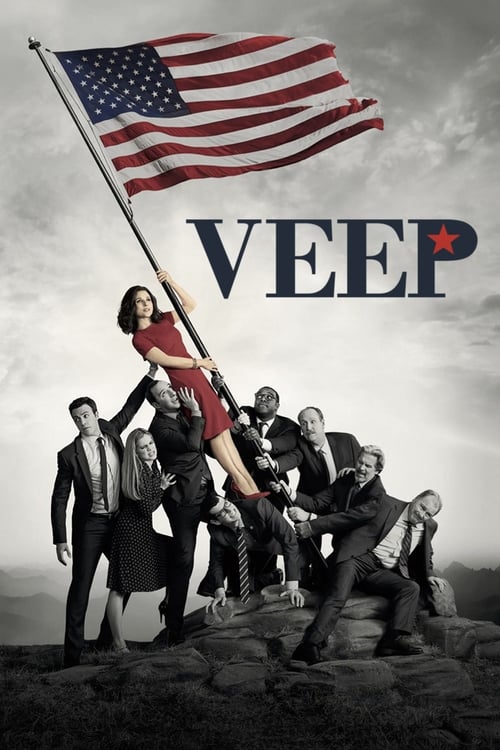
Hiaasen's plots are sprawling and digressive in the best way, full of sidebar characters and intersecting schemes that a two-hour film has to gut. Strip Tease has a corrupt congressman, a blackmail plot, a strip club full of credibly drawn human beings, and a custody battle at its center. That is four seasons of prestige television. The political absurdity alone, the kind that Veep mined so well, could sustain six episodes without breaking a sweat. Instead the story got one theatrical release, five Razzies, and thirty years of silence.
If you love Hiaasen: Florida crime and satire done right
Works that share the same crooked swampland DNA


If you love the strip club setting: bodies, money, power
Films that put performers at the center of a much larger hustle


If you love the political corruption angle: satire with teeth
Stories where power is a racket and exposure is the only justice