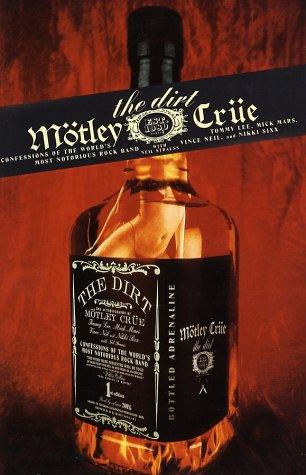

The book that launched a thousand hangovers
The Dirt: Confessions of the World's Most Notorious Rock Band arrived in 2001 as a co-written autobiography by all four members of Motley Crue, shaped into a coherent narrative by journalist Neil Strauss. It was not the first rock memoir, and it was not the most literary. What it was, was relentlessly honest in a way the genre had rarely managed: the addictions, the overdoses, the deaths, the cruelty, the extraordinary commercial success, and the improbable survival of four men who probably should not have made it past 1983.
The book became a cult object almost immediately. For a generation of rock fans it was the definitive document of the Sunset Strip era, and its reputation only grew as the years passed. By the time Netflix optioned it for a film, The Dirt had been in development hell for nearly fifteen years, passing through several directors and studio configurations before finally reaching screens in 2019. That single adaptation is the only screen version that exists. There is no television series, no stage musical, no game. The story lives in two forms: the book that started it, and the film that finally dramatized it.
Every version of The Dirt
The memoir, the film, and the albums that made the story possible

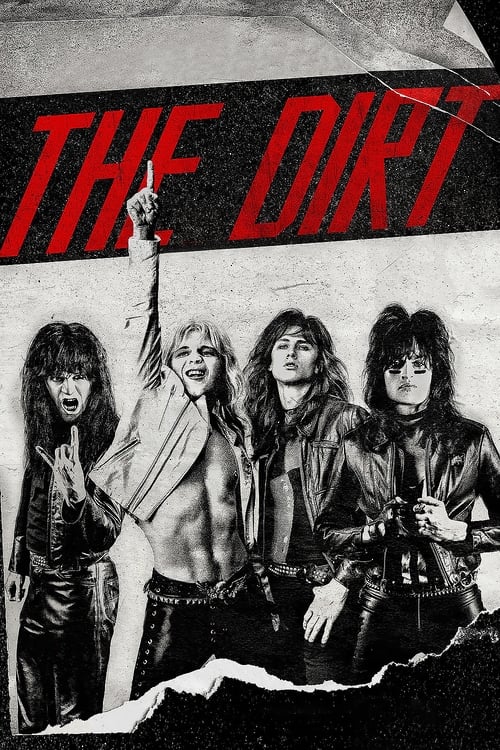
The Dirt across time
- 1981Motley Crue form on the Sunset Strip, Los Angeles
- 1981Too Fast for Love (debut album)
- 1983Shout at the Devil (breakthrough album) Shout at the Devil
- 1985Theatre of Pain (peak chart success) Only Theatre of Pain
- 1987Girls, Girls, Girls
- 1989Dr. Feelgood (commercial zenith) Dr. Feelgood
- 2001The Dirt memoir published, written with Neil Strauss The Dirt
- 2008Saints of Los Angeles released, inspired by the memoir
- 2019Netflix film adaptation released, directed by Jeff Tremaine The Dirt
The book is still the definitive version
The 2019 Netflix film is energetic and moves fast, but it necessarily compresses and sentimentalizes. Neil Strauss and the four band members on the page have something the film cannot replicate: the four voices genuinely contradict each other, disagree about what happened, and refuse to resolve into a tidy arc. That structural honesty is what made the memoir a landmark. Read The Dirt first, and the film becomes a greatest-hits clip reel for it, which is not a bad thing.
The film is better than it has any right to be
Jeff Tremaine (of Jackass fame) was an unusual choice and turned out to be exactly right. He treats the excess with the same anarchic energy he brought to stunt comedy, which keeps The Dirt from tipping into self-congratulatory nostalgia. Machine Gun Kelly's Tommy Lee is genuinely funny. The pacing is relentless. For a story that was in development for fifteen years, the film is surprisingly alive.
The albums are the real primary source
Dr. Feelgood is the place to start if you want to understand why any of this mattered commercially. The 1989 album sold eight million copies in the United States alone and sat at number one for three weeks. Nothing in the memoir or the film fully explains the scale of that without the music itself. The book and film are about the chaos behind it; the albums are the reason anyone was paying attention. Start with Dr. Feelgood, then read the book to find out how they almost did not make it.
If you love The Dirt: other rock memoirs worth reading
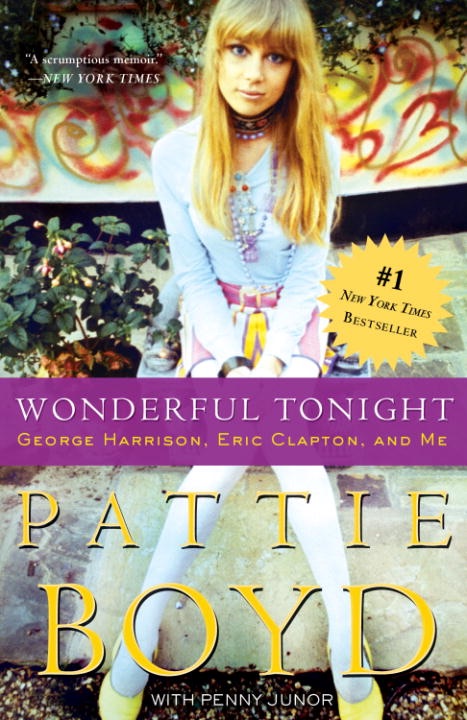
Musician autobiographies with the same commitment to not cleaning up the story

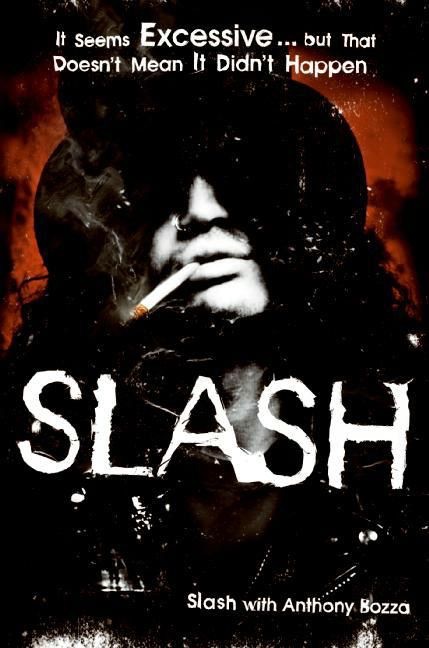
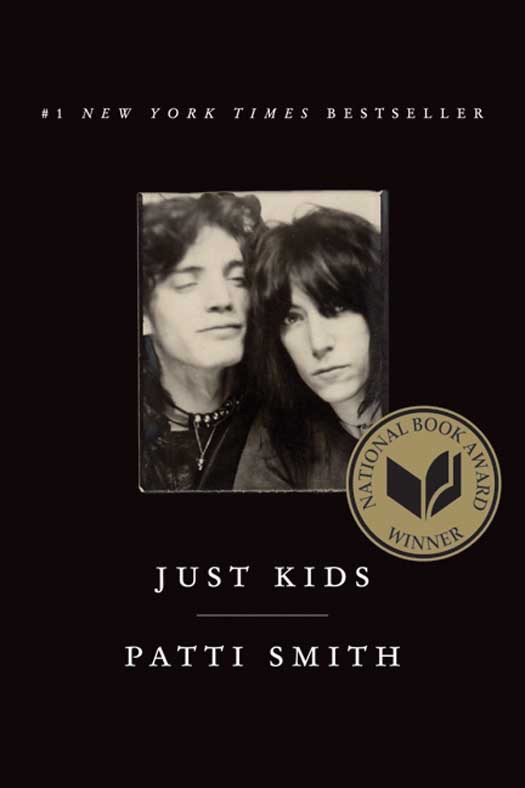
If you love The Dirt: rock biopics that commit to the chaos
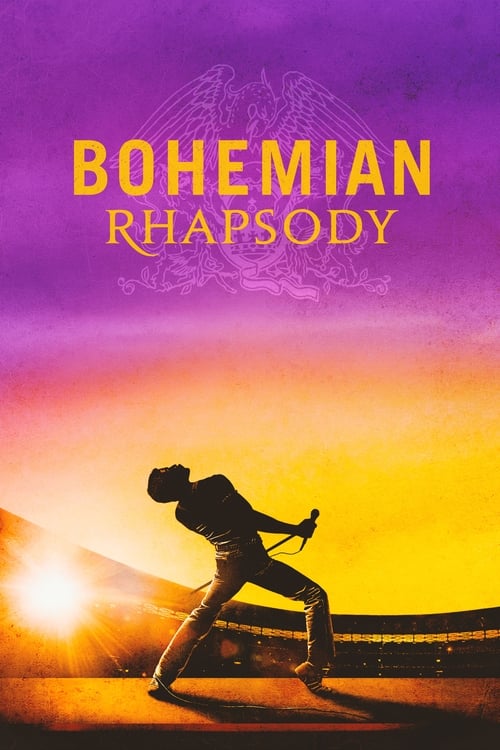
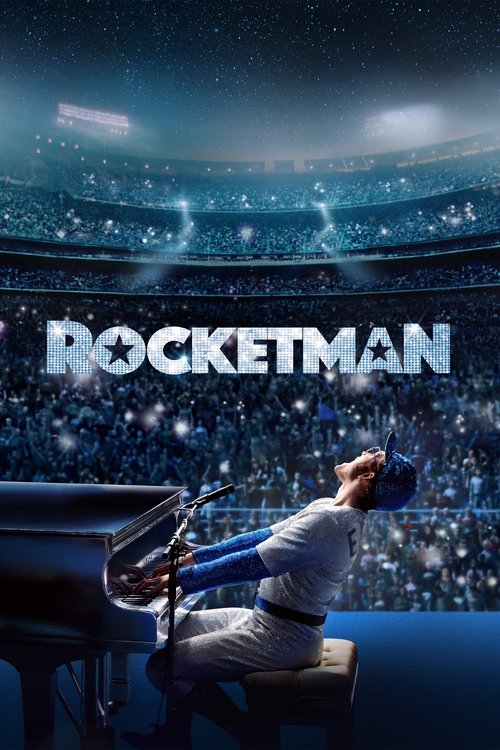
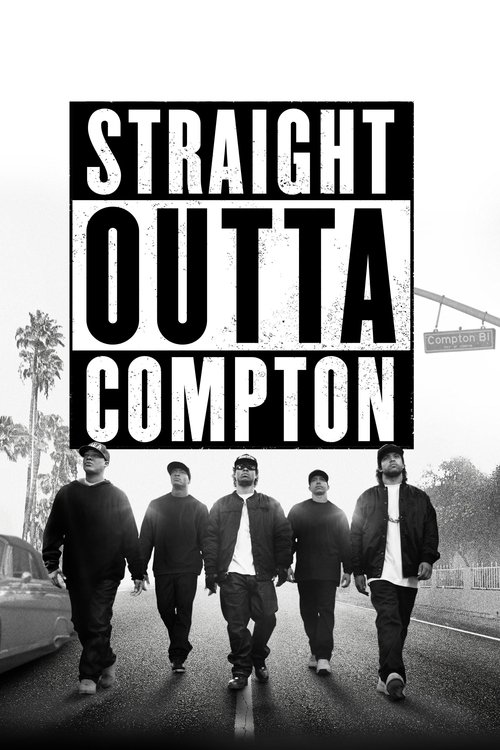
Films that tell musician stories without softening the edges

If you love The Dirt: Sunset Strip and glam metal in other media
Games, TV and films that capture the same era and excess

Rock and roll lives on tour
Music & Musicians
Explore the Music & Musicians guide →Four guys telling the same story four different ways, and every version is probably true.The structure of the memoir, in a sentence