
From the page to the screen, a very short journey
Stephen King published The Institute on September 10, 2019, and the film rights were acquired the same day. The novel follows twelve-year-old genius Luke Ellis, whose parents are murdered and who wakes up in a facility that looks almost like his own bedroom except there is no window. Around him are other kidnapped children, all of them mildly telepathic or telekinetic, all of them being slowly drained and discarded in the service of a covert assassination program. The Institute is King writing in a register he has visited many times before, but never quite so directly: the horror here is bureaucratic, institutional, almost banal. Adults have built a machine for exploiting children, and the machine is remarkably well-administered.
The story reached television six years after publication, as an eight-episode limited series on MGM+, premiering July 13, 2025. A second season was announced before the first had finished airing. That is the full count of official adaptations: the novel, the audiobook, and the series. There is no film, no graphic novel, no stage production. For a King property this is unusually sparse, and it makes the television version carry more weight than it might otherwise.
The novel (2019)
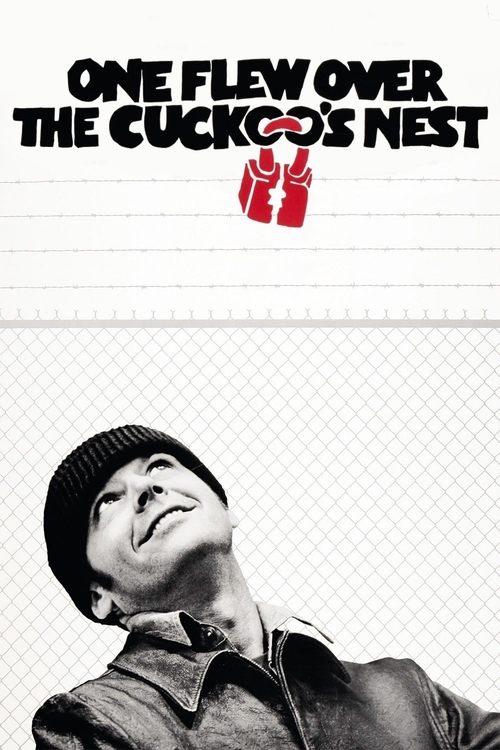
King has described The Institute as a deliberate synthesis of two of his own earlier concerns: the pyrokinetic child-on-the-run paranoia of Firestarter and the institutional horror of One Flew Over the Cuckoo's Nest (the Ken Kesey novel, not one of his own). Luke Ellis is kidnapped by a professional team, stripped of his family in minutes, and deposited in a facility whose routine is designed to feel almost normal, right up until the injections and the stress tests begin. The novel is split between Luke's experience inside and the parallel story of Tim Jamieson, a former cop who washes up in a small South Carolina town and gradually understands what is happening nearby. That structural split is unusual for King and gives the book a procedural momentum that his more purely supernatural work often lacks. The audiobook, narrated by Santino Fontana, won the 2020 Audie Award for Thriller/Suspense.
The MGM+ series (2025)
Jack Bender, who directed many of the best episodes of Lost, adapted the novel into eight hours. The most significant change from the page is age: King's Luke is twelve; the series' Luke, played by Joe Freeman, is older, which shifts the tone from something close to middle-grade horror toward a more conventionally teenage thriller. Ben Barnes plays Tim Jamieson; Mary-Louise Parker plays the facility's director, Ms. Sigsby, with a frightening administrative calm. Reviews were mixed but consistent: the first half is taut and genuinely unsettling, the second half loses grip. The series was renewed for a second season before the finale aired, with production beginning in Halifax in early 2026.
The Institute across time
- 2019Novel published by Scribner The Institute
- 2020Audiobook wins Audie Award, narrated by Santino Fontana The Institute
- 2025MGM+ limited series premieres, 8 episodes The Institute
- 2026Season 2 enters production in Halifax The Institute
The horror here is bureaucratic, almost banal. Adults have built a machine for exploiting children, and the machine is remarkably well-administered.CrossBinge
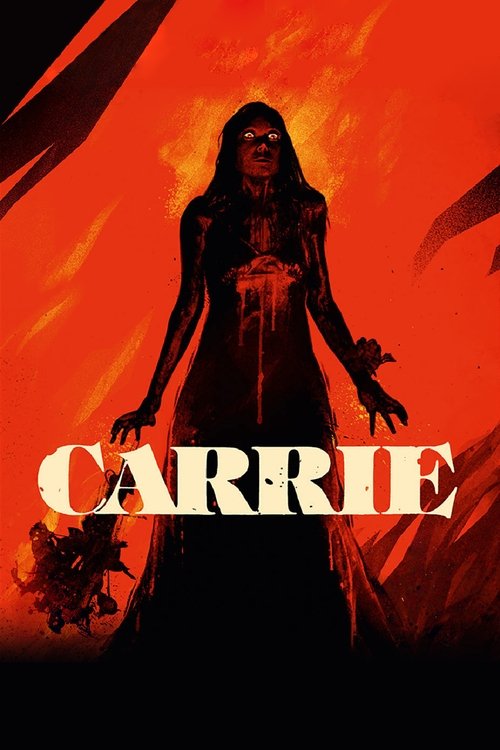
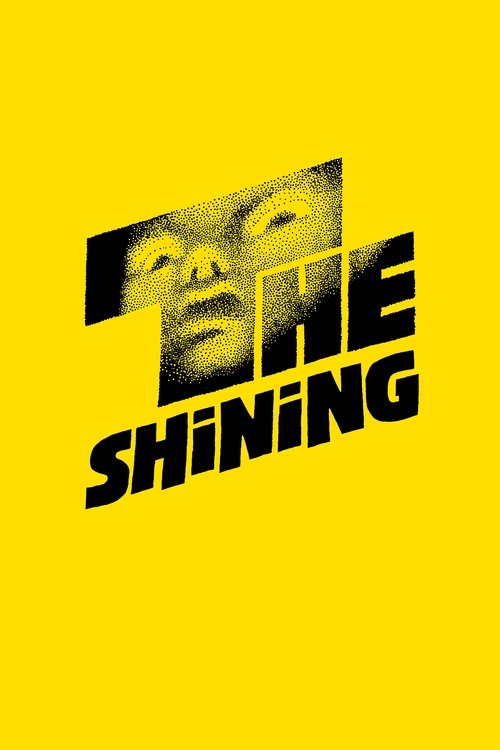
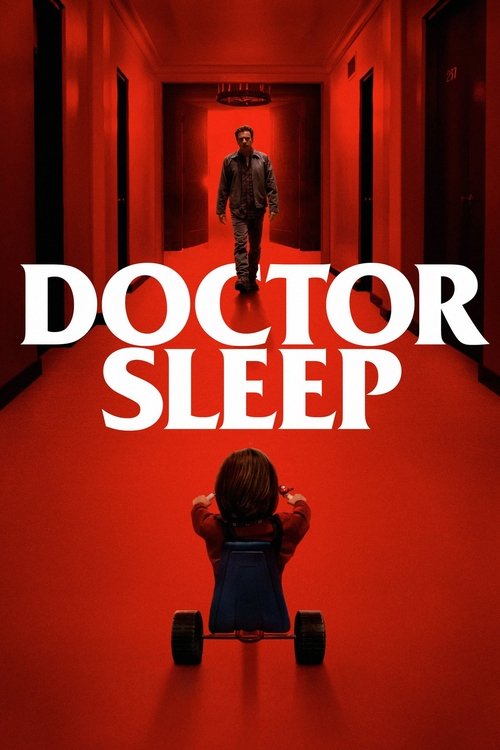
If you love The Institute: King's psychic children
The older strand of King's obsession with gifted kids and the forces that hunt them


If you love The Institute: government facilities and stolen children
Secret programs, coercive institutions, kids who refuse to stay broken


If you love The Institute: Stephen King on screen right now
King adaptations from the current wave
The definitive version: start with the novel
The MGM+ series is competent and the first half is worth your time, but The Institute as King wrote it is structurally tighter than the adaptation. The dual-narrative structure, Luke inside and Jamieson outside converging on the same event horizon, works better on the page where King can control the information gap precisely. Santino Fontana's audiobook performance is an alternative that captures the procedural dread without any of the series' second-half drift. If you have only one version in you, make it the novel.

The underrated one: the audiobook
Santino Fontana is best known as a stage actor and voice performer, and the 2020 Audie Award the audiobook won is not a fluke. He finds a register for Luke that is genuinely young without being performed, and the facility scenes accumulate a cold dread that works especially well in audio, where the listener fills in the visual details themselves. A lot of King audiobooks are solid readings. This one is a real interpretation.
Where the series stumbles
The decision to age up Luke Ellis changes the emotional register in ways that compound across eight hours. King's twelve-year-old genius in a facility full of younger children creates an absolute claustrophobia: the powerlessness is visceral and total. A teenager, even a convincingly played one, has more physical and social agency, and the series leans into that in ways that soften the book's most uncomfortable argument: that the Institute works because it is designed around children who are too young to coordinate resistance. Mary-Louise Parker as Ms. Sigsby is the best thing in the series, but she deserves a more consistent second half.
