
Where it started
Jay Asher's debut novel Thirteen Reasons Why was published in October 2007 by Razorbill (Penguin). The premise was spare and devastating: a teenage girl, Hannah Baker, has died by suicide and left behind seven cassette tapes, each side addressed to one of the thirteen people she holds responsible. The novel unfolds entirely through the ears of Clay Jensen, a classmate working his way through the tapes in a single night. Asher had been developing the concept for years, partly inspired by a family member's experience with suicidal ideation, and the cassette-tape structure gave the book an urgency that felt almost real-time.
The novel spent more than a year on the New York Times bestseller list, sold millions of copies globally, and became a staple of high school reading lists and banned-book debates alike. That combination of mass readership, controversy, and a structure tailor-made for serialised dramatisation made it an inevitable candidate for adaptation. The long road from page to screen took almost a decade, but when it arrived it arrived loudly.
The story across time
- 2007Novel published by Razorbill/Penguin Thirteen reasons why
- 2011Film rights optioned; Universal Pictures attached
- 2015Netflix and Selena Gomez's production company acquire the project
- 2017Netflix series premieres (Season 1) 13 Reasons Why
- 2018Season 2 expands beyond the novel's events 13 Reasons Why
- 2019Season 3 shifts focus to Bryce Walker's death 13 Reasons Why
- 2020Season 4 concludes the series 13 Reasons Why
The long road to the screen
The novel's film rights were optioned shortly after publication, with Universal Pictures at one point attached, and Selena Gomez long connected as a potential lead. By the time the project landed at Netflix in the mid-2010s, Gomez had aged out of the Hannah Baker role but stayed on as an executive producer. The showrunner was Brian Yorkey, a Pulitzer Prize-winning playwright best known for Next to Normal, and the series premiered in March 2017.
Netflix released all thirteen episodes of Season 1 at once. The backlash and the acclaim arrived simultaneously. Mental-health organisations raised concerns about the graphic depiction of suicide in the finale; Netflix eventually re-edited the scene in 2019. The show broke Netflix streaming records at the time, and its frank treatment of sexual assault, bullying, and teenage grief made it a flashpoint in school counsellor offices across the English-speaking world. Seasons 2 through 4 moved well beyond the novel's scope, following the surviving characters through trial, grief, and a final reckoning, concluding in 2020.
There is, as of now, no film adaptation, no game tie-in, and no stage musical (though Yorkey's theatrical background made the latter feel plausible). The story's media footprint is clean: one novel, one television series, four seasons.
The definitive version: the novel
The Netflix series is bigger, louder, and more visually polished, but the novel is where the idea lives at its purest. Asher's second-person cassette conceit puts you inside Clay's dread in a way that four seasons of television cannot quite replicate. The constraint is the point: a single night, a single listener, no cutaways. If you are only going to experience this story once, read the book.

The underrated version: Season 1 on its own
Treated as a self-contained limited series, Season 1 of the Netflix show is genuinely strong. Brian Yorkey adapts the novel faithfully, Dylan Minnette and Katherine Langford are well-cast, and the structure of thirteen episodes mirroring thirteen tapes is elegant. The problems with the franchise mostly accumulate in Seasons 2 through 4. Watching Season 1 and stopping is a legitimate way to experience this story.
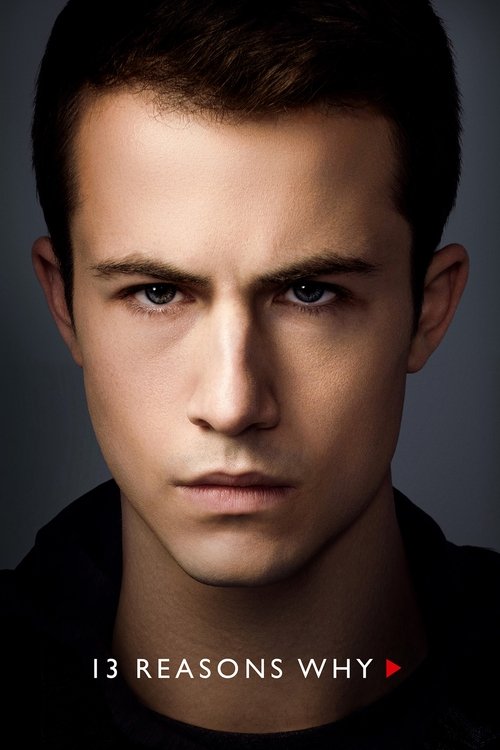
The one to skip: Seasons 3 and 4
By Season 3 the show had pivoted from Hannah Baker's story into a murder mystery centred on Bryce Walker, a character introduced as a rapist. The tonal whiplash is severe, and Season 4 resolves the expanded cast with a school-shooting storyline that exhausted even the series' most committed viewers. These seasons exist, but they do not improve on what came before.
If you love it: TV drama about high school, trauma, and consequence
Series that take teenagers and their inner lives seriously

If you love it: films about young people and the cost of cruelty
Movies that live in the same emotional neighbourhood


If you love it: music that captures teenage anguish
Albums and artists that share the series' emotional register
More coming of age stories
Coming of Age
Explore the Coming of Age guide →No one knows for certain how much impact they have on the lives of other people. Oftentimes, we have no clue.Jay Asher, Thirteen Reasons Why (2007)