
A Play That Refuses to Sit Still
Twelfth Night, or What You Will was written by William Shakespeare around 1601 and first performed at Middle Temple Hall in London in February 1602. It has no single prose source: Shakespeare assembled it from Italian comedy, primarily Barnabe Riche's 1581 story Apollonius and Silla (itself drawn from an Italian novella, Gl'Ingannati, performed in Siena in 1531), folding in strands of commedia dell'arte, the carnivalesque spirit of the Epiphany season, and his own appetite for cross-dressing plots already road-tested in As You Like It and The Two Gentlemen of Verona.
The setup is ruthlessly elegant: Viola, shipwrecked on the coast of Illyria, disguises herself as a boy named Cesario to serve Duke Orsino, falls for him, and is sent to woo the Countess Olivia on his behalf. Olivia promptly falls for Cesario. Viola's twin brother Sebastian arrives. Chaos, heartbreak, and improbable marriages follow. Meanwhile, a parallel plot of gulling and social humiliation destroys the steward Malvolio, giving English drama one of its most debated victims.
Because the play is so precisely constructed around mistaken identity, romantic longing, and theatrical performance itself, it has proved irresistible to every era that inherited it. Restoration revivals, Victorian spectacle productions, twentieth-century film, television broadcast drama, and modern gender-fluid stagings have all found something different in it. No adaptation has ever quite settled what the play is: a bright romantic comedy, a cruel social satire, or something genuinely melancholy about desire and the passage of time.
Every Version of Twelfth Night
The play itself, its major screen adaptations, and the closest theatrical relatives





Twelfth Night Through the Centuries
- 1531Gl'Ingannati performed in Siena; the twin-disguise plot is born
- 1581Barnabe Riche publishes Apollonius and Silla, Shakespeare's closest prose source
- 1602First recorded performance at Middle Temple Hall, London
- 1623First Folio publication; the text we read today
- 1820Charles Lamb's Tales from Shakespeare popularises the story for children
- 1910Silent film adaptation (Vitagraph), one of the earliest Shakespeare films
- 1937BBC television production, among the earliest broadcast Shakespeare
- 1969John Dexter's celebrated stage production with Judi Dench as Viola
- 1980BBC Television Shakespeare version with Felicity Kendal as Viola
- 1988Kenneth Branagh's Renaissance Theatre Company production
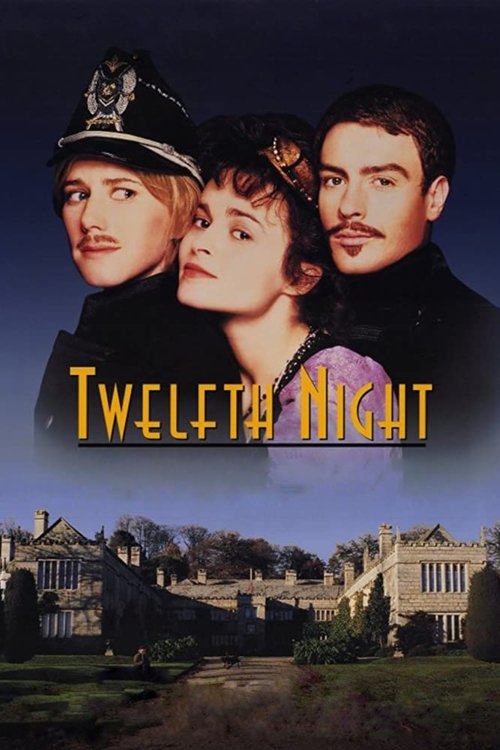
- 1996Trevor Nunn's film with Imogen Stubbs, Helena Bonham Carter, and Ben Kingsley
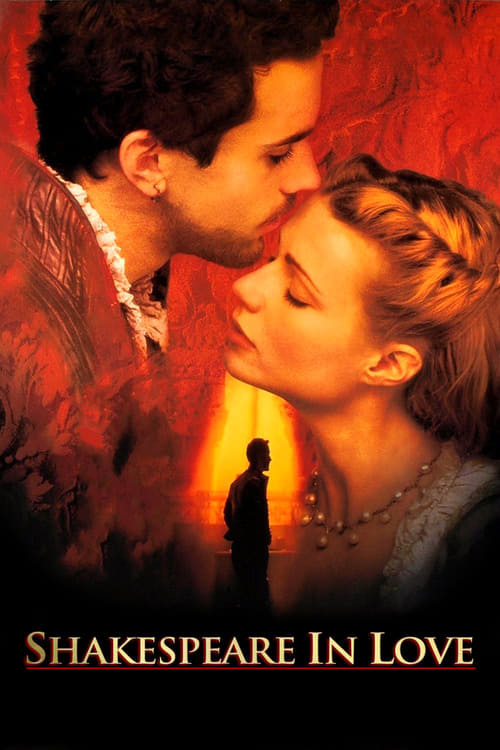
- 1998Shakespeare in Love draws on the cross-dressing world that produced Twelfth Night
- 2006She's the Man transposes the plot to a US soccer boarding school
- 2012Globe Theatre production directed by Tim Carroll with all-male original-practices cast
- 2017Emma Rice's controversial Globe production with electric lighting and pop music
- 2021Sam Mendes-produced stage version at the National Theatre with Tamsin Greig as Malvolia
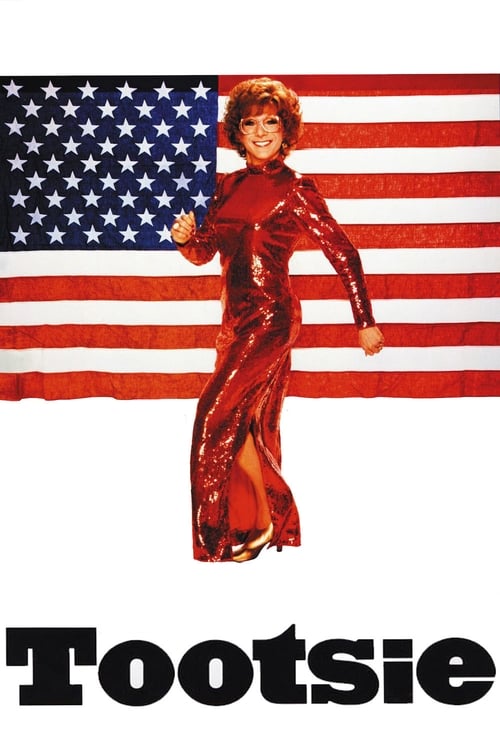
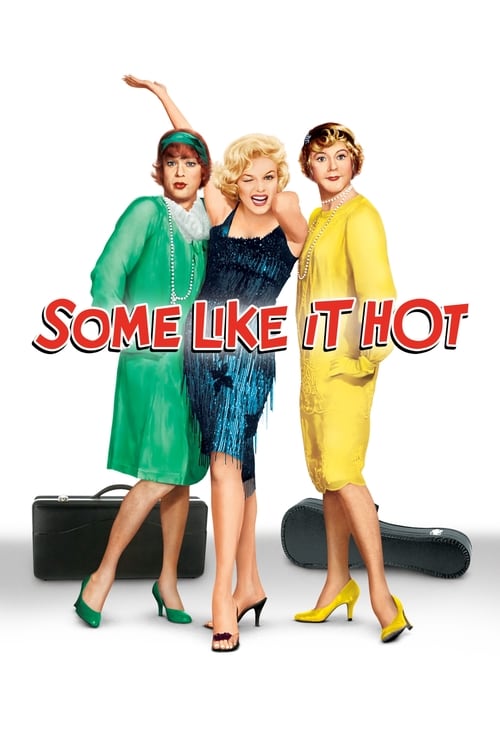
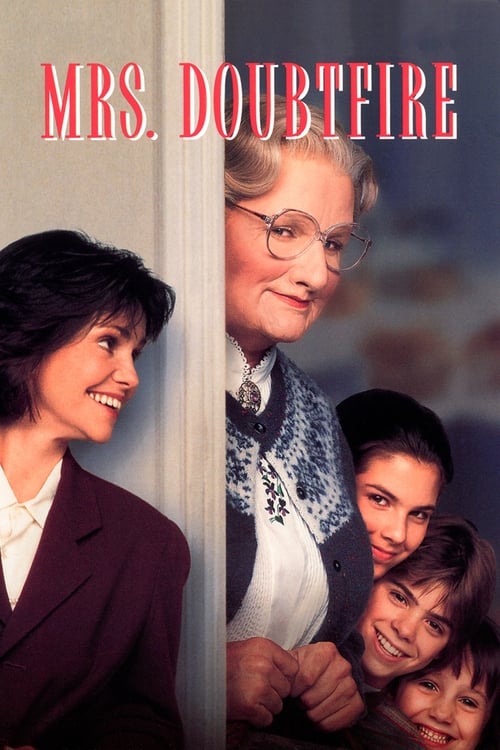
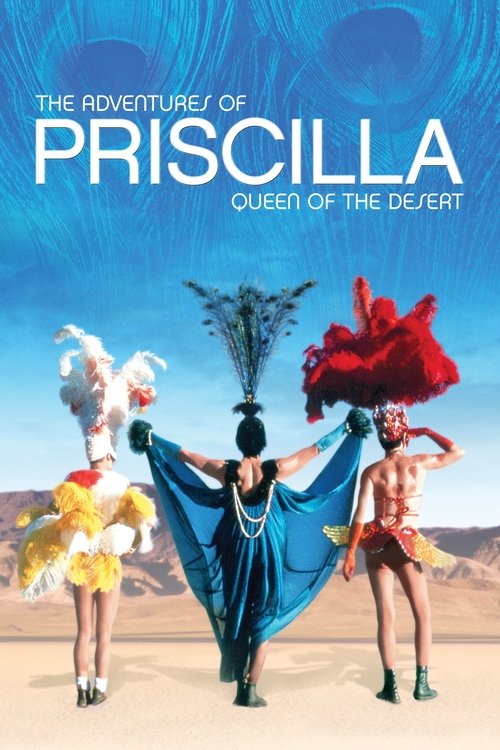
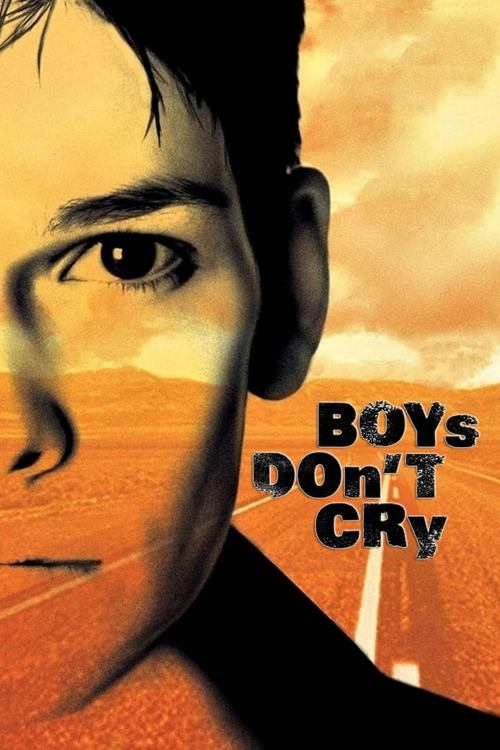
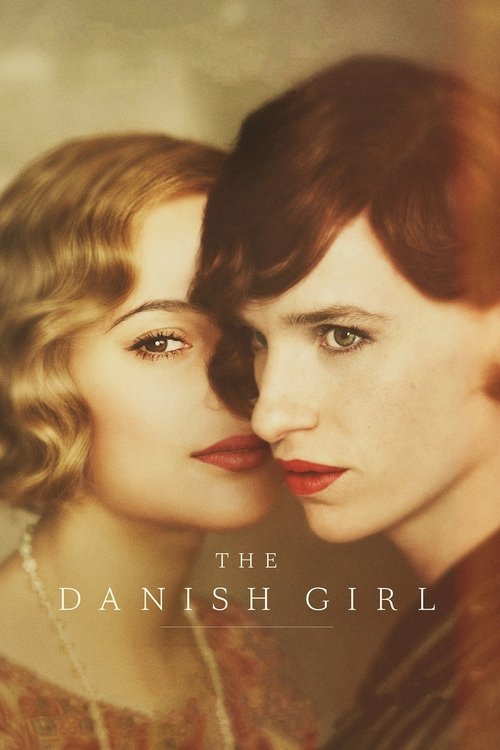
If You Love the Disguise and the Longing
Cross-dressing comedies and films about desire seen from the wrong angle
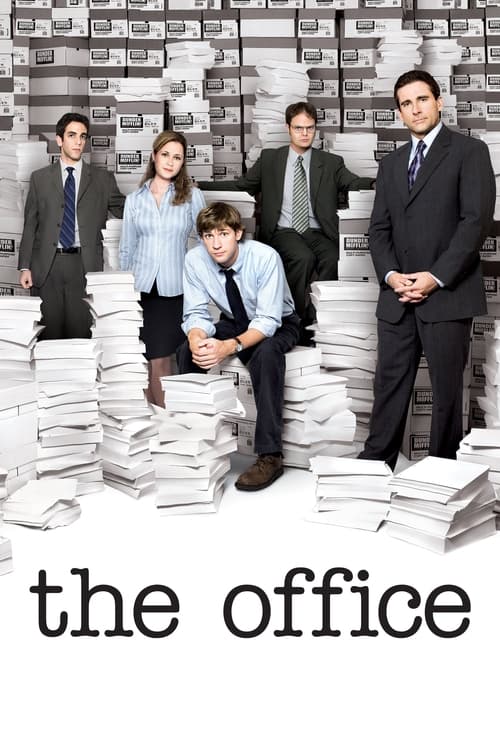
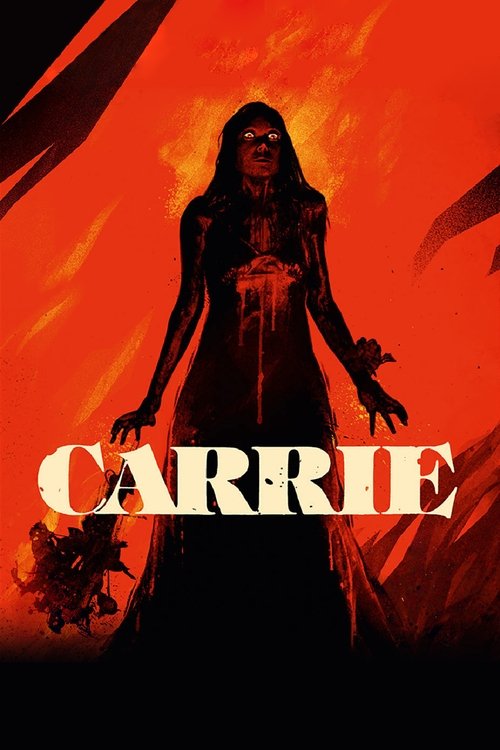
If You Love Malvolio and the Cruelty of Comedy
Stories where the joke goes too far and the victim never quite forgives it
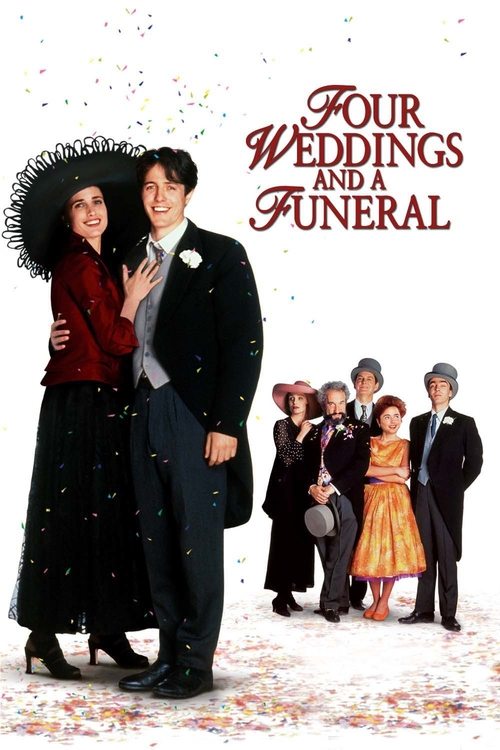
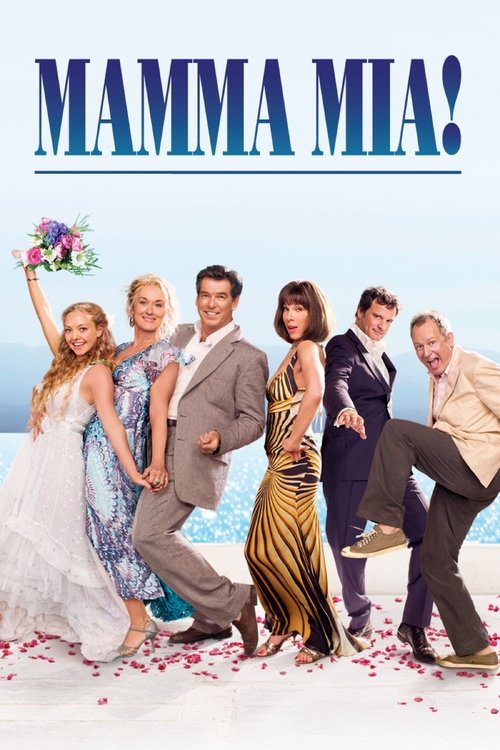
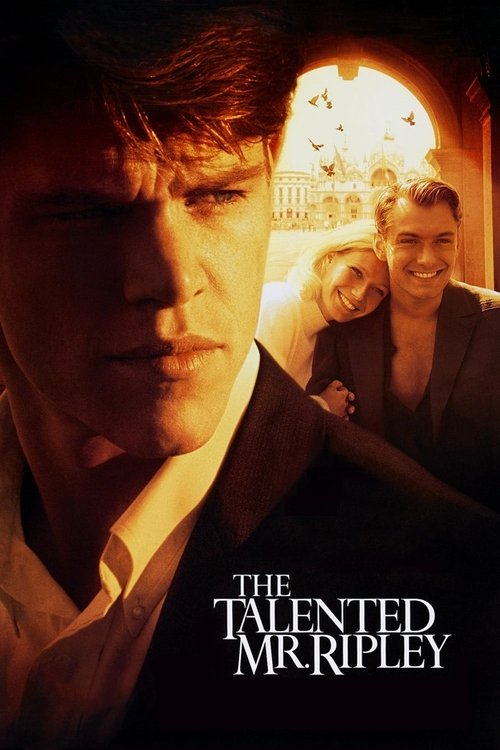
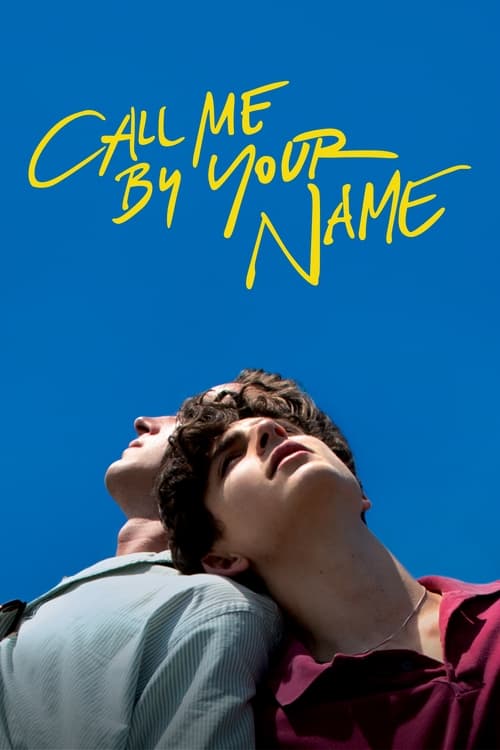
If You Love Illyria: Romance, the Sea, and a World Out of Joint
Stories soaked in salt air, grief, and the comedy that breaks through it

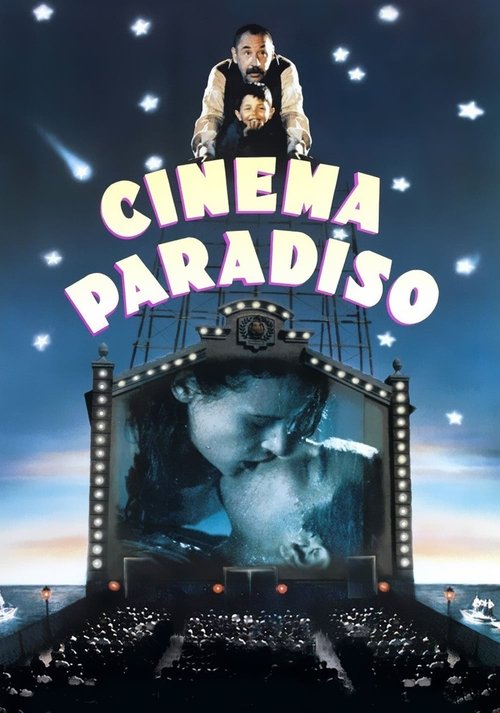
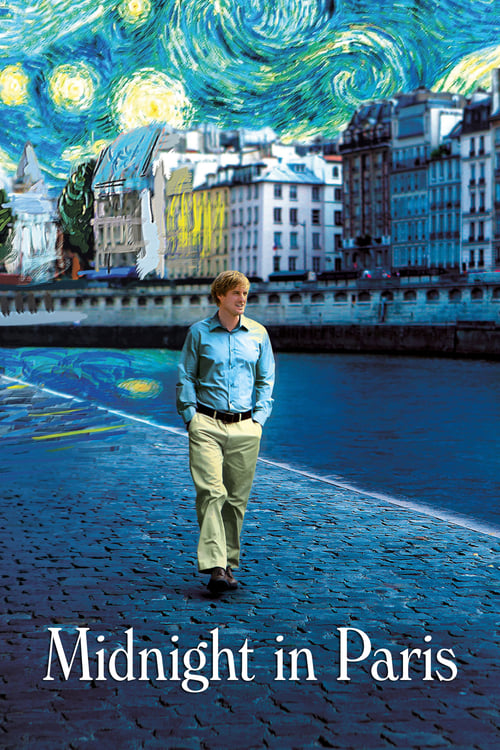
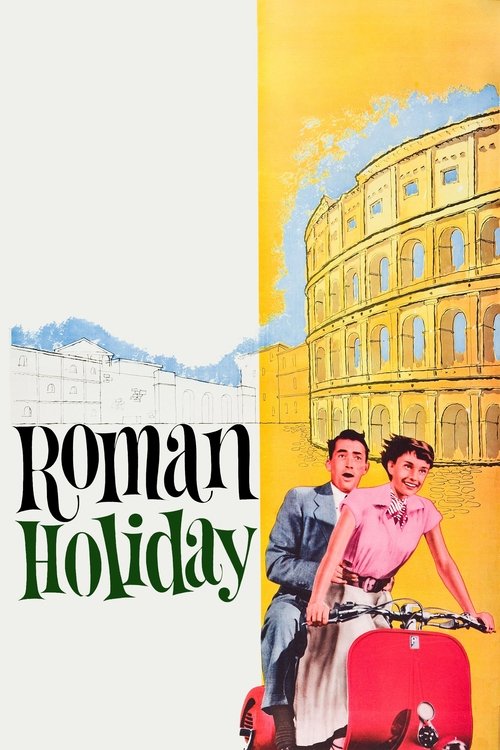
The definitive screen version is Trevor Nunn's 1996 film
Trevor Nunn shot Twelfth Night (1996) on location in Cornwall and cast it with rare shrewdness: Imogen Stubbs as a Viola whose grief is never decorative, Helena Bonham Carter as an Olivia whose infatuation is genuinely comic and touching at once, and Nigel Hawthorne as a Malvolio whose final scene lands like a small tragedy. The period setting is properly cold and coastal rather than the usual Mediterranean fancy-dress. It remains the version that gets the tone right: the play is funny, and it is also about people who cannot quite reach what they want.
The underrated one: She's the Man (2006) earns more credit than it gets
She's the Man transplants Viola to a US boarding school soccer rivalry and, yes, it is a teen comedy with a bright palette. But Amanda Bynes gives a genuinely physical, precisely timed comic performance, the twin-reunion mechanics are handled with more care than most Shakespeare adaptations manage, and the film never pretends the disguise is anything but absurd, which is exactly right. It is more faithful to the spirit of the original than its reputation suggests.