
Rush's 1976 album 2112 is the record that saved a band and defined a movement. Side one is a single 20-minute suite: a lone discoverer, a tyrannical Solar Federation, a guitar found in a dusty cave, and a dream crushed by the Priests of Syrinx. Side two pivots to five shorter songs that range from acoustic reverie to hard-rock swagger. What fans chase across every medium is the feeling the record carries: the grand sweep of ideas, the conviction that one voice against an indifferent system matters, and the technical craft to back it all up. Geddy Lee's bass-and-synth interplay, Alex Lifeson's muscular guitar, and Neil Peart's polyrhythmic drumming created a sound that is at once hard rock, progressive rock, and something entirely their own. The Red Star of the Solar Federation became one of the most iconic images in rock. 2112 is not a nostalgia trip; it is a template for ambitious, concept-driven storytelling across every art form.
Essential Rush
The albums that define the 2112 era and what came after
If You Love 2112: Progressive Rock Landmarks
Albums that share the epic scope, concept-album architecture, and instrumental ambition
If You Love 2112: Hard Rock and Metal With Ideas
Bands that absorbed Rush's ambition and pushed heavy music into conceptual territory
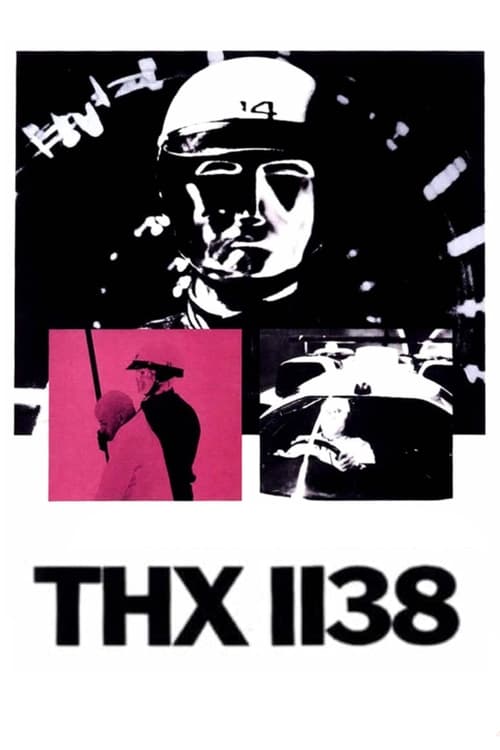
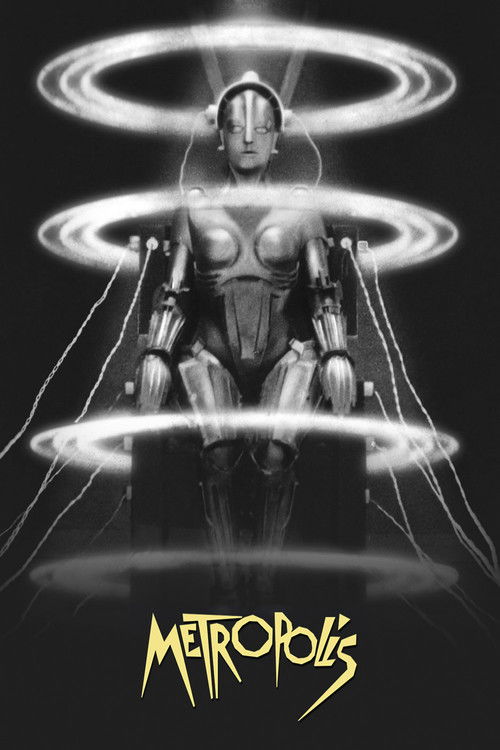
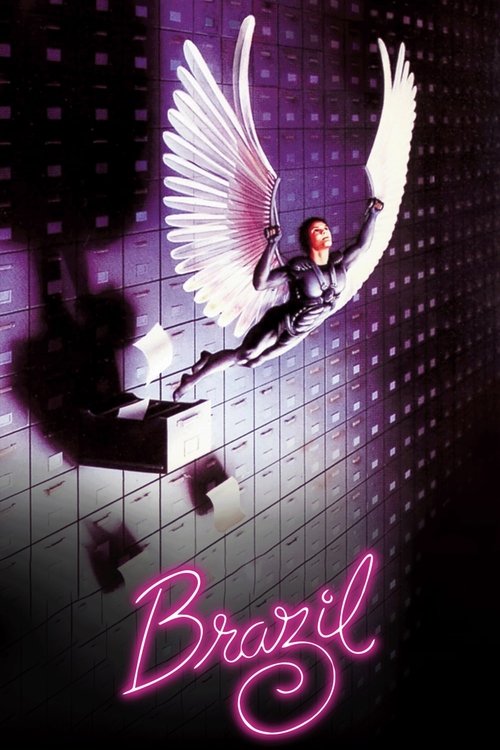
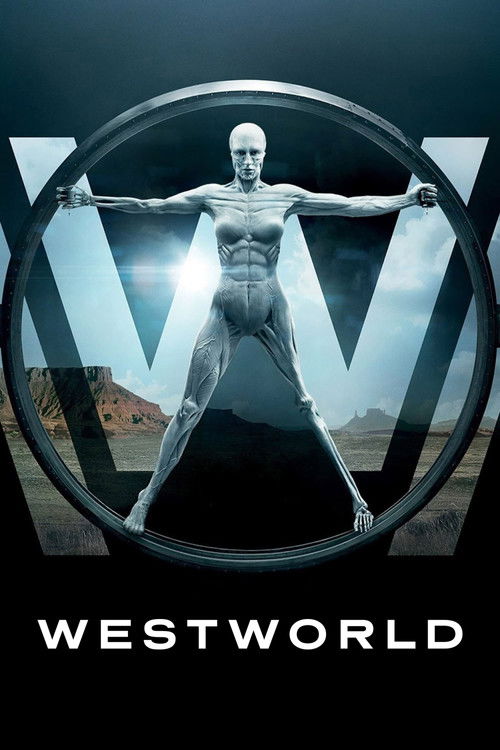
If You Love 2112: Dystopia on Screen
Films and series that share the album's premise: a singular individual against a totalitarian collective







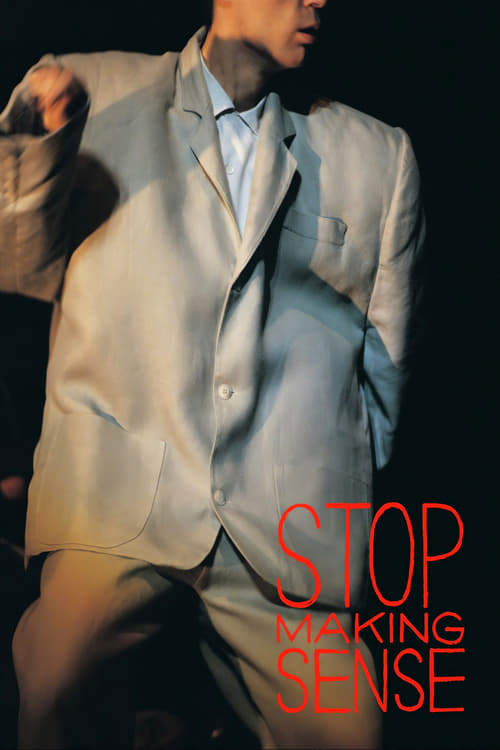
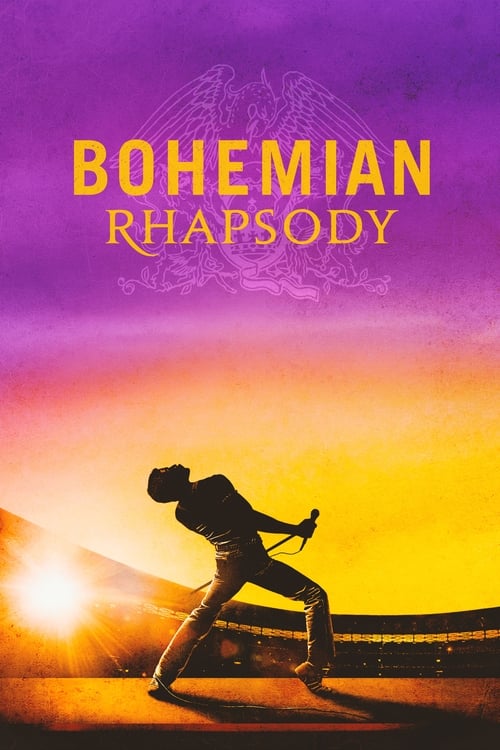
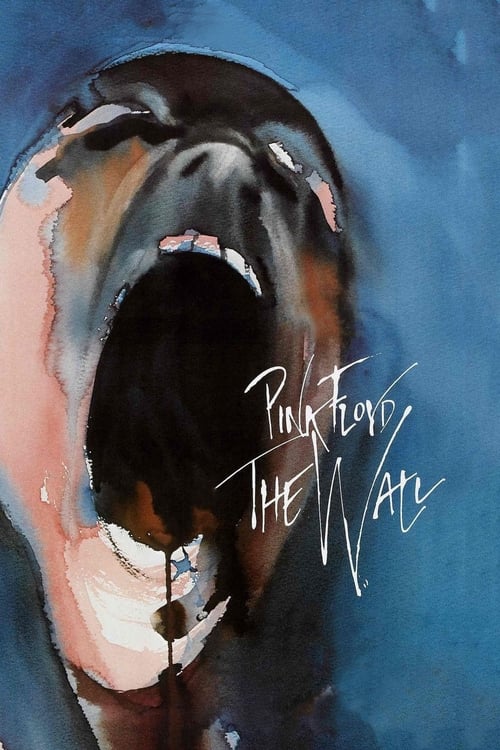
If You Love 2112: Rock on Film
Concert films, documentaries, and music biopics that capture the electricity of a band playing at the peak of its powers




If You Love 2112: Individualism and Systems in Fiction
Novels that wrestle with the same tension 2112 dramatizes: creative freedom against ideological control


Side One Is the Greatest Album Side in Rock History
Twenty minutes and twenty-three seconds without a wasted bar. The 2112 suite moves through seven named sections with the narrative discipline of a short story and the musical ambition of a symphony. No other band of the era could have pulled it off: the technical precision to sustain complexity for that long, the melodic gift to keep it listenable, and the genuine emotional stakes to make the ending land as tragedy rather than bombast. Everything that came after in prog-metal, power metal, and concept-album rock owes something to that one vinyl side.
Neil Peart Changed What Drumming Could Mean in Rock
Before Peart, rock drums kept time and added punch. After 2112, they could carry melody, narrate shifts in mood, and function as a compositional voice equal to guitar and bass. His influence runs through every technically ambitious drummer in metal, prog, and alternative rock. The fills on 'The Temples of Syrinx' are not showboating; they are argument. That distinction is what separates Peart from the thousands of players who learned his technique without absorbing his restraint.
The Anthem Connection Is More Complicated Than It Looks
Rush acknowledged the debt to Ayn Rand's novella Anthem in the original liner notes, and the parallels are direct: an individual who discovers a forbidden technology in a collectivist society and is punished for it. But the album's emotional core is not Rand's philosophy so much as a teenager's fury at being told no. The Solar Federation is every gatekeeper who ever rejected a band's creative vision. That wider resonance is why 2112 still lands for listeners who have no interest in Objectivism, and why it outlasted the mid-70s progressive rock moment it emerged from.
Rush and 2112: Key Moments
- 1974Rush release their self-titled debut, establishing the power-trio blueprint that 2112 would expand. Rush
- 1975Caress of Steel arrives to commercial disappointment; Mercury Records pressures the band to simplify. The band refuses. Caress of Steel
- 19762112 is released on March 1. Its commercial success gives the band creative freedom for the rest of their career. 2112
- 1977A Farewell to Kings cements the synth-and-guitar sound that defines Rush's late-70s peak. A Farewell to Kings
- 1978Hemispheres pushes the concept-suite format as far as it can go; the title track fills an entire side. Hemispheres
- 1980Moving Pictures becomes their commercial peak, introducing Rush to a generation who missed the prog years. Moving Pictures
- 2015Rush announce an indefinite hiatus following the R40 Live tour. The farewell is low-key and characteristically dignified.
- 2020Neil Peart dies in January. The tributes from across the musical spectrum confirm his singular influence on drumming.
We are the Priests of the Temples of Syrinx. Our great computers fill the hallowed halls.Rush, 2112 (1976)