
Released in 1987, A Momentary Lapse of Reason marked Pink Floyd's return after the acrimonious Waters departure, and it announced something specific: a sound built on David Gilmour's sustained, searching guitar tones layered over vast synthesizer beds, songs that breathe slowly and reward patience. The fan who loves this record chases a particular feeling, a kind of luminous loneliness, music that sounds like looking out at water at night. The production is polished to a high sheen yet emotionally raw underneath. It belongs to a lineage of late-seventies and eighties art rock where the studio itself became the instrument, where concept and atmosphere mattered as much as melody. If that combination, orchestral scope, introspective weight, and a certain widescreen sadness, pulls you back to this album, what follows maps the full geography of that taste across film, literature, and music.
Essential Pink Floyd
The albums that define the sound and the journey
The Same Atmospheric Air: Albums That Share the Feeling
Art rock, progressive, and ambient records built on space, texture, and emotional weight
Inside the Machine: Music Documentaries
Films that go behind the sound, the spectacle, and the fractured brilliance



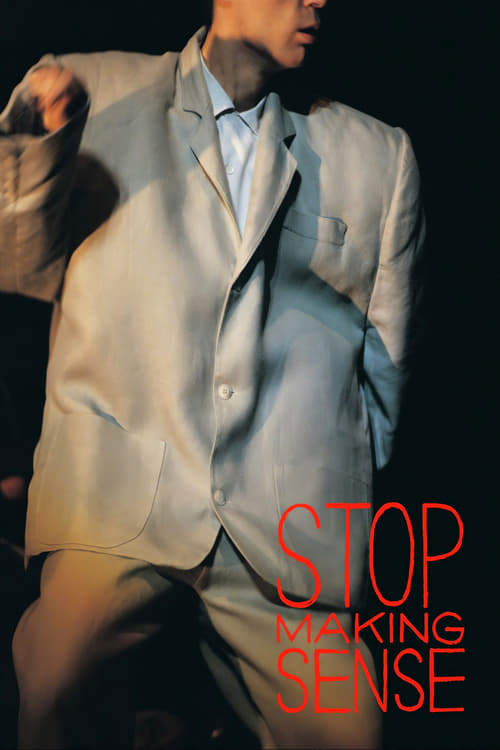
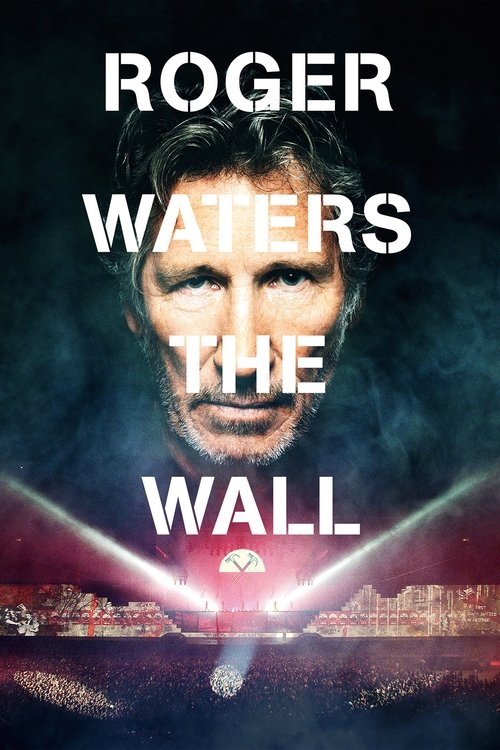
Concert Films Worth the Dark Room
Performances where light rigs and sound design become a single event

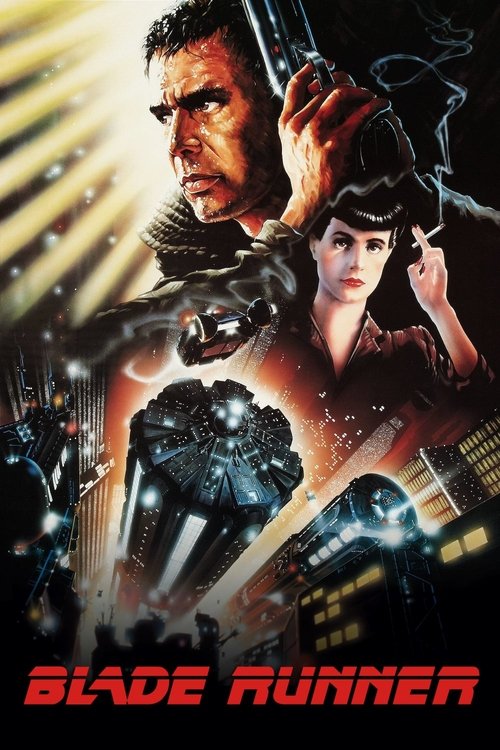
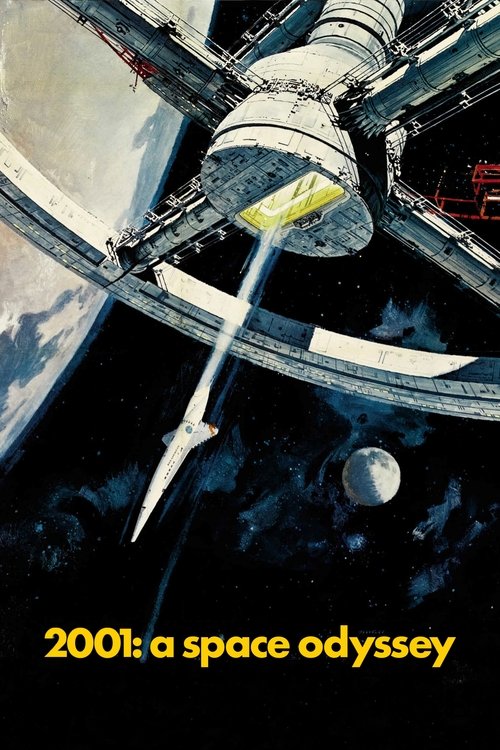
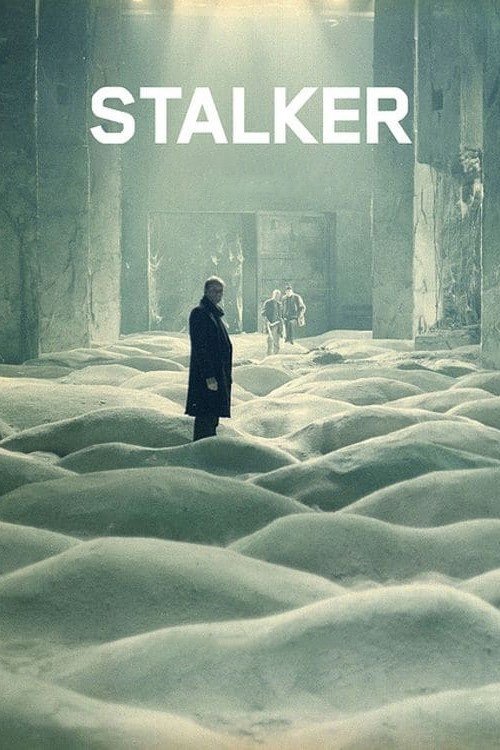
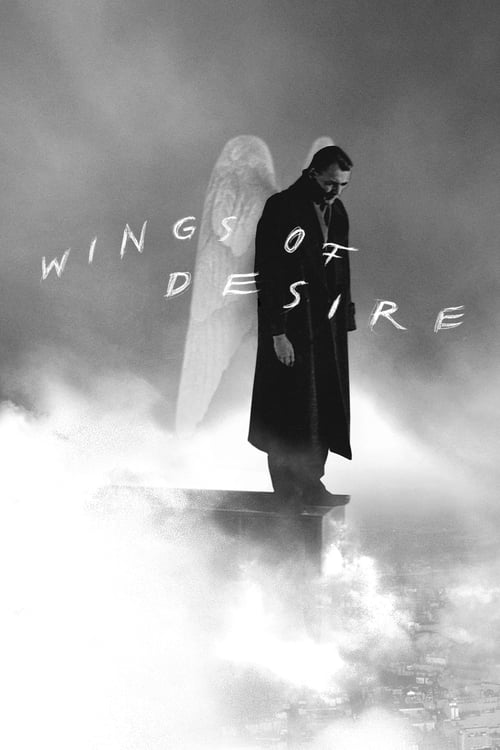
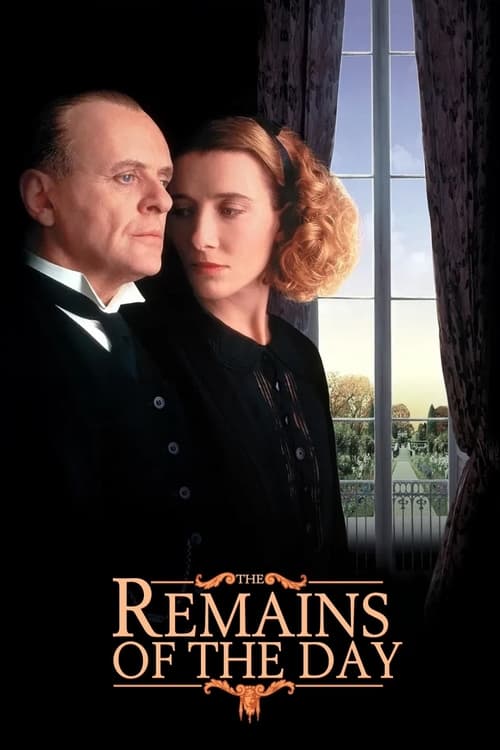
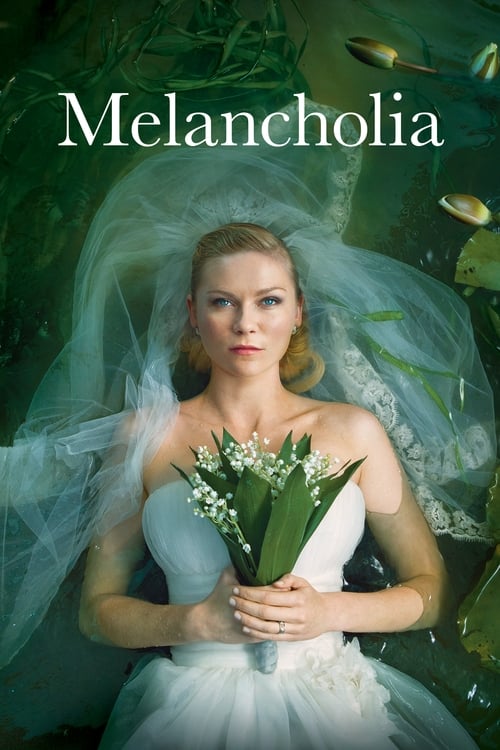
Films With the Same Widescreen Melancholy
Cinema that shares the late-Floyd emotional register: slow, atmospheric, quietly devastating




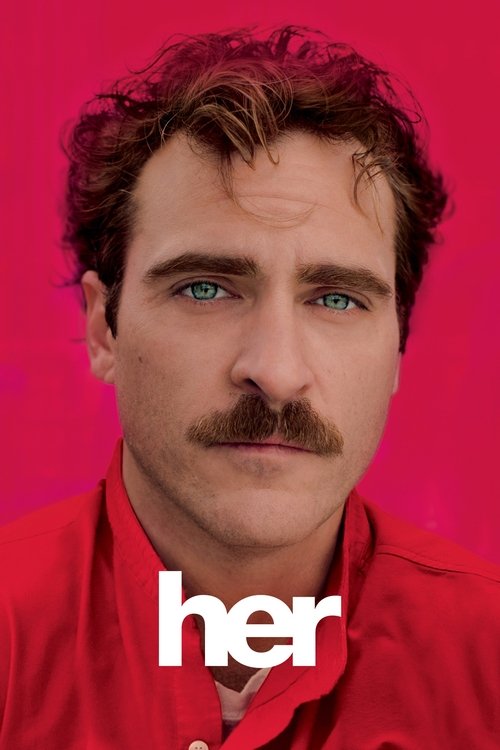
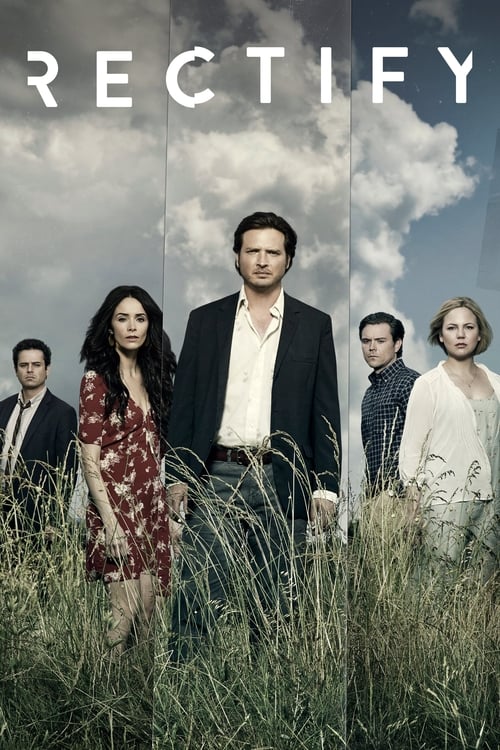
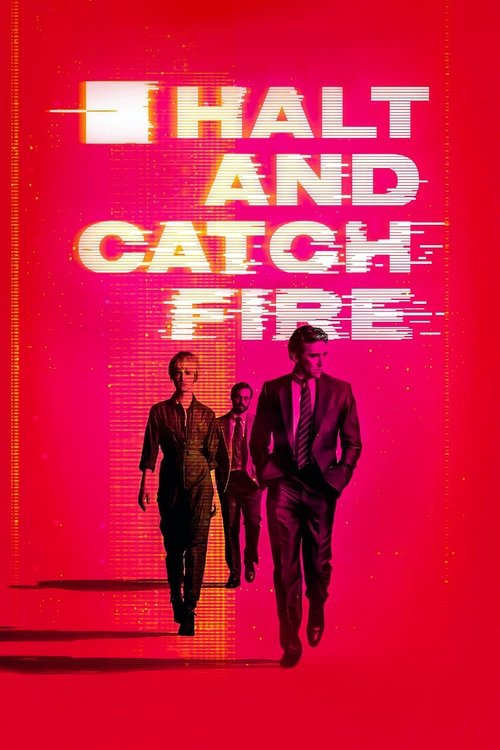
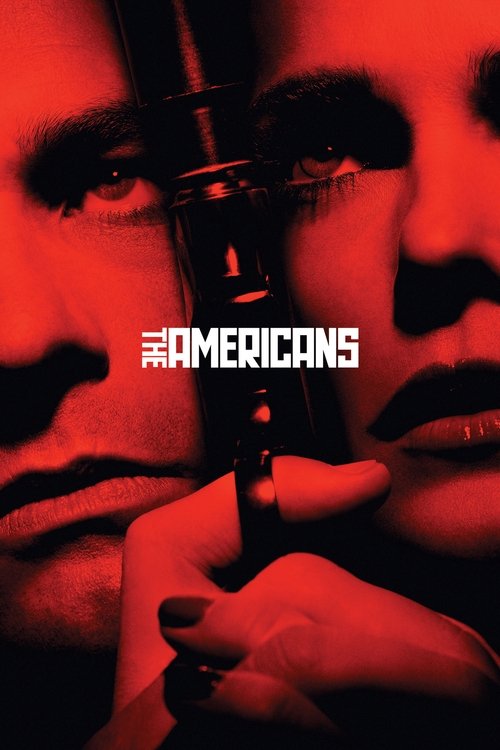
Television That Breathes Slowly
Series built on mood, interiority, and the long dissolve rather than the hard cut
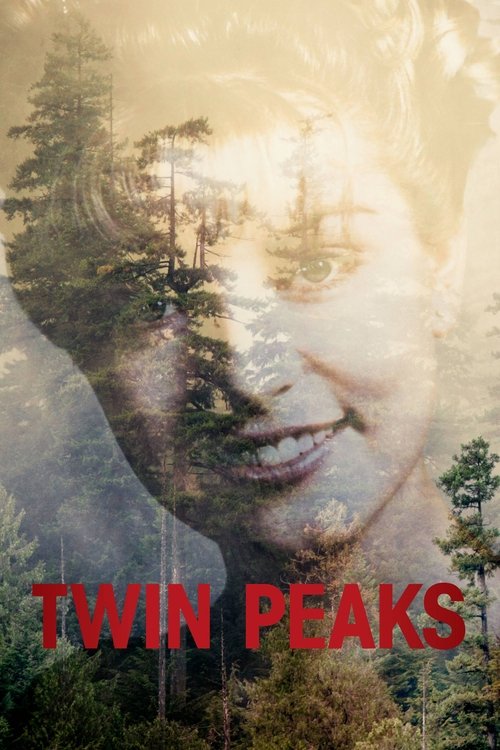
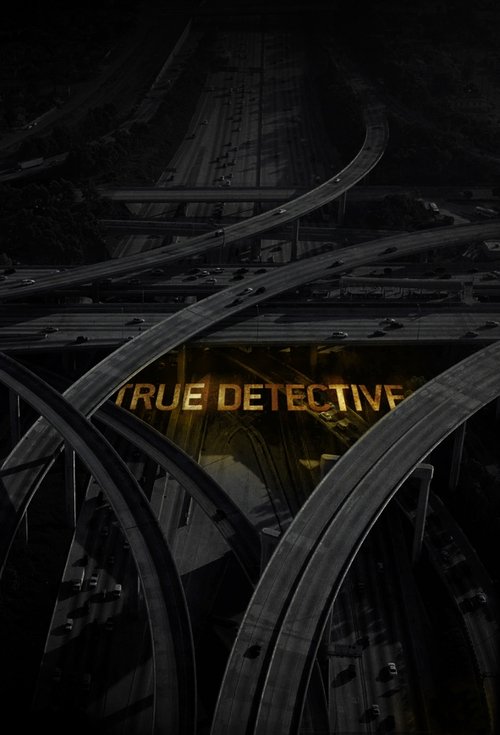
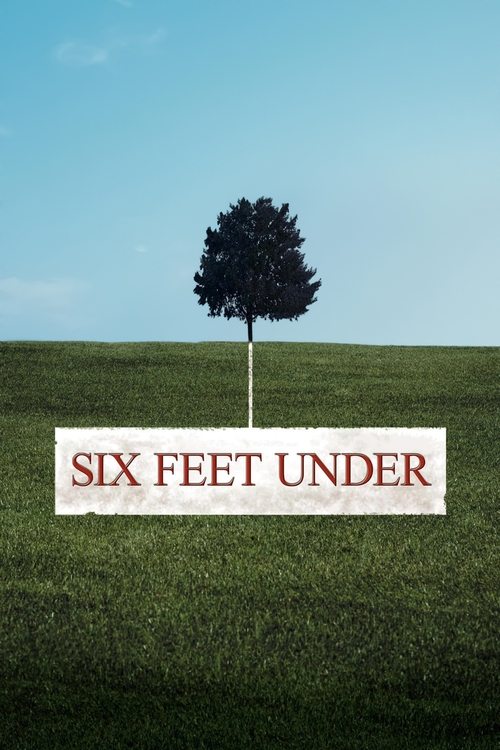


Books for the Inner Landscape
Novels and memoirs that match the introspective, slightly fractured interiority of the music




The Division Bell Is the Better Album
Fans who dismiss Pink Floyd's nineties output tend to have stopped listening after Waters left. The Division Bell (1994) is, by almost every metric, a more complete and emotionally coherent record than its predecessor: Gilmour's playing is more focused, the songs have actual endings, and the Richard Wright contributions give it a warmth A Momentary Lapse of Reason occasionally lacks. 'High Hopes' is one of the finest closers in the catalogue. The revisionism around this record is driven by nostalgia for the Waters era, not by careful listening.
Gilmour's Solo Work Deserves More Attention Than It Gets
David Gilmour's About Face (1984) and On an Island (2006) sit in a critical blind spot: too associated with Pink Floyd to be judged as solo records, too solo to be discussed alongside the band. On an Island in particular is the quietest, most patient thing he ever recorded, closer in spirit to ambient music than to classic rock. Anyone who loves the long instrumental passages on A Momentary Lapse of Reason should spend serious time with it.
Prog's Cinematic Ambition Made It Ideal for the Album Era, Not the Playlist Age
The reason A Momentary Lapse of Reason sounds better heard end to end than in any shuffle is the same reason Tarkovsky films resist streaming edits: the pacing is the argument. Albums like this one, or Rush's Signals, or Peter Gabriel's So, are structured experiences that depend on sequence and duration. The album format they inhabit was not a technical limitation but an artistic choice, and the resurgence of vinyl sales is partly a correction toward that experience.
Pink Floyd: The Arc of the Sound
- 1967Syd Barrett's psychedelic debut introduces the band as an acid-pop group with a doomed frontman The Piper at the Gates of Dawn
- 1971Meddle marks the pivot toward long-form instrumental structures and oceanic guitar textures Meddle
- 1973The Dark Side of the Moon becomes the definitive art-rock statement and one of the best-selling albums of all time The Dark Side of the Moon
- 1975Wish You Were Here, a grief album for Syd Barrett and for the music industry, cements the band's emotional depth Wish You Were Here
- 1979The Wall arrives as Roger Waters' most ambitious and most claustrophobic concept record The Wall
- 1982Alan Parker's film adaptation of The Wall makes the album's imagery literal and iconic The Wall
- 1983Waters releases The Final Cut; it is effectively his last statement as Floyd's creative engine The Final Cut
- 1987A Momentary Lapse of Reason, the first post-Waters album, proves Gilmour can carry the band on atmosphere alone A Momentary Lapse of Reason
- 1994The Division Bell, recorded with Richard Wright fully restored, becomes the band's emotional farewell The Division Bell
- 1995Pulse captures the Division Bell tour with a laser show still discussed as one of rock's great spectacles Pulse
- 2016The Endless River, built from Division Bell sessions, appears as a largely instrumental coda to the entire catalogue The Endless River
The guitar doesn't scream. It questions. That's the difference between a solo and a conversation with yourself.David Gilmour, on his approach to improvisation in the studio