
Released in August 2002, A Rush of Blood to the Head is the record that turned Coldplay from a promising British guitar band into one of the defining voices of the early 2000s. Where their debut Parachute was intimate and tentative, this second album opened wide: piano arpeggios that spiral upward like searchlights, Chris Martin's falsetto cracking at precisely the right moment, and lyrics that locate private grief inside enormous, shared spaces. The sound is not quite Britpop, not quite post-rock, not quite arena pop — it sits at the intersection of all three, borrowing the melodic directness of U2, the orchestral patience of Radiohead's quieter modes, and the unguarded emotionality of Jeff Buckley. Songs like 'The Scientist,' 'Clocks,' and 'In My Place' have the quality of memories you can't quite place: vivid, slightly blurred, impossible to shake. Fans of this album tend to be chasing a particular feeling: the sensation of something vast and melancholy becoming, against all expectation, hopeful.
Essential Coldplay
The albums that map the full arc of the band, from bedroom confessional to planetary spectacle.
The Same Emotional Frequency
Albums from the same era and lineage: British guitar bands reaching for something cinematic, melancholy shading into euphoria.
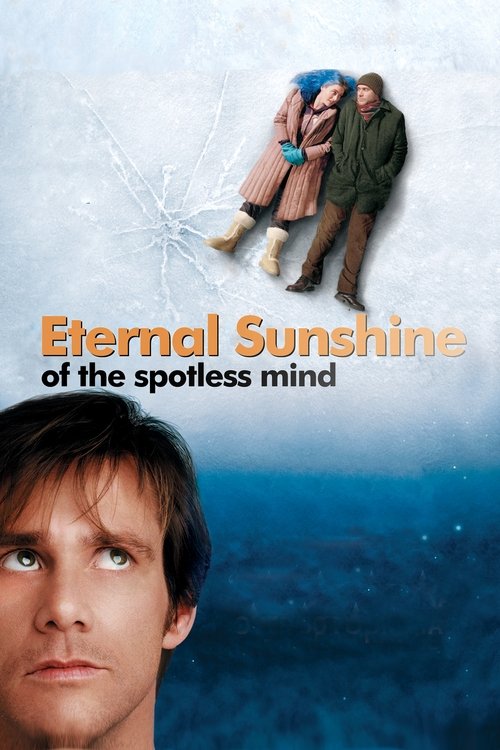
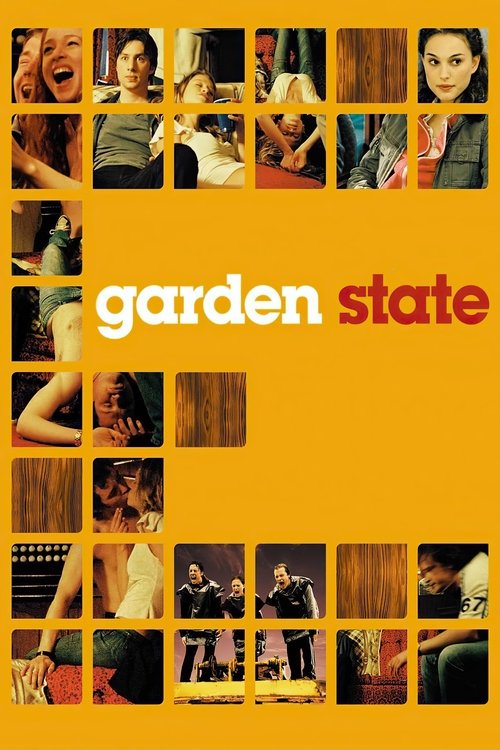
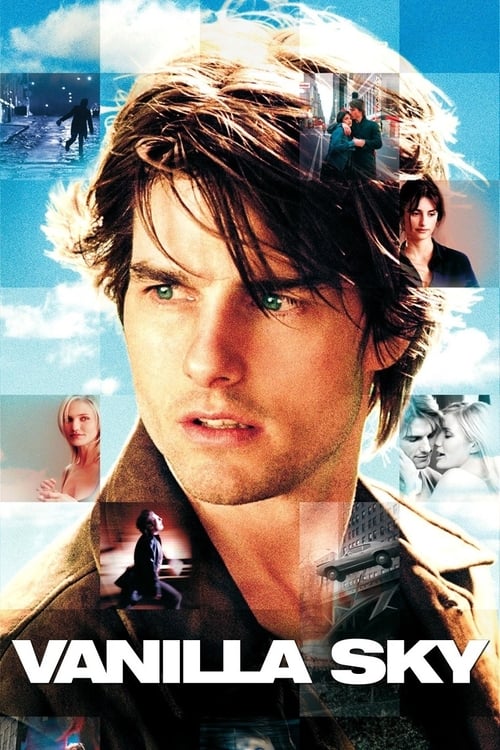
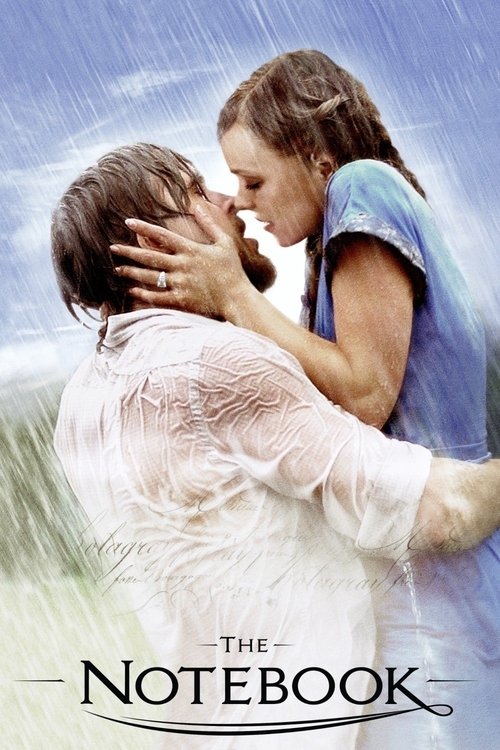
Films With the Same Ache
Movies that share the album's emotional palette: romantic longing, the gap between what you want and what you have, and a certain rain-soaked visual beauty.





TV for the Late-Night Hours
Series that carry the same introspective weight: characters sitting with loss, time slipping, the ordinary made strange.


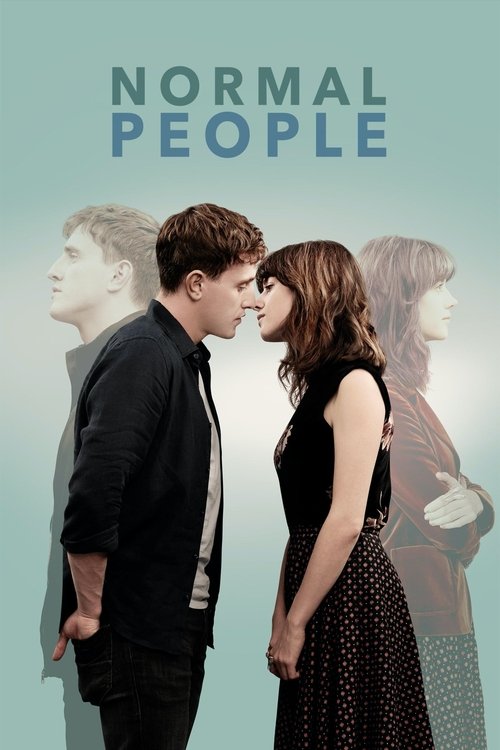

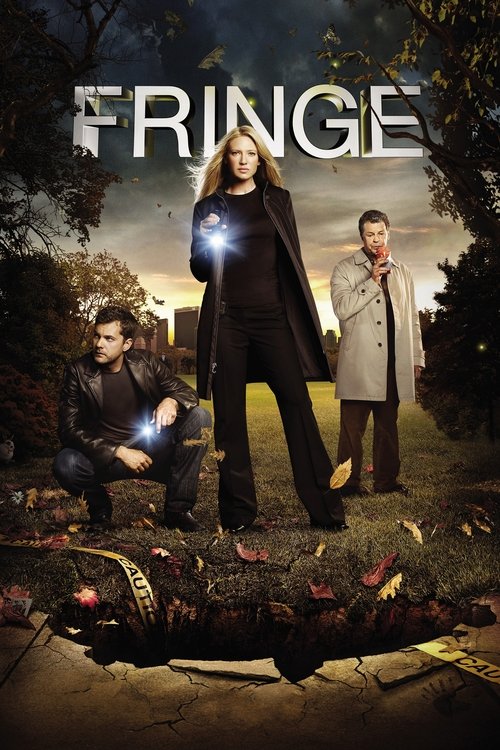


Fiction That Shares the Album's Interior Life
Novels and short-story collections preoccupied with memory, loss, and the small distances that grow between people.


'The Scientist' Is the Album in Four Minutes
Every quality the record is known for concentrates into this one song: the piano figure that sounds like it is thinking out loud, the vocal that refuses to oversell its own sadness, and a lyric that turns scientific detachment into a confession of failure. It is not the most dramatic song on the album. It is the most honest. The fact that it became a standard played at funerals and weddings equally says something real about how it was constructed: it belongs to whoever needs it.
Post-Britpop Needed a Ballad Maker
By 2002, Britpop's combative, laddish energy had exhausted itself. Travis and Doves had already pointed toward something more patient and inward-looking, but Coldplay's second album made the case definitively: the successor to Oasis and Blur would not be another band of swagger and quotable put-downs. It would be a band that made space for people to cry in their cars without embarrassment. That was not a small thing to do.
'Clocks' Changed What a Piano Hook Could Do
The arpeggiated piano riff that opens 'Clocks' was not the first of its kind, but it was the one that lodged permanently in the collective ear of the decade. Its urgency contrasts with Martin's vocals in a way that feels genuinely tense rather than merely energetic. Countless subsequent bands tried to replicate the formula and got the tempo right while missing the restraint entirely. The restraint is the point.
The Album's Real Subject Is the Space Between People
Read the lyrics across the record and a consistent subject emerges: not heartbreak exactly, but the failure of connection, the gap that opens between two people who both want to close it but cannot find the method. 'In My Place,' 'Green Eyes,' 'Warning Sign,' 'A Whisper': each song approaches this from a different angle. The accumulation is what gives the album its weight. Individual songs are memorable; together they describe an emotional condition.
The Making and Legacy of the Album
- 2000Coldplay release their debut album to strong UK reviews and modest initial sales.
- 2001The band spend much of the year on tour and begin writing new material, aiming for a larger, more cinematic sound.
- 2002A Rush of Blood to the Head released in August. 'In My Place' is the lead single. The album reaches number one in the UK within a week. A Rush of Blood to the Head
- 2003The album wins the Grammy for Best Alternative Music Album. 'The Scientist' and 'Clocks' both chart internationally.
- 2005X&Y continues the sound established here, becoming the fastest-selling UK album in history at the time. X&Y
- 2008Viva la Vida represents a sharp stylistic pivot, but the emotional directness of Rush of Blood remains the band's bedrock. Viva la Vida or Death and All His Friends
- 2022The album's twentieth anniversary sees renewed critical reassessment of its place in the 2000s British rock canon.
Nobody said it was easy. No one ever said it would be this hard.Coldplay, 'The Scientist' (2002)