
Released in 1968, A Saucerful of Secrets is the album where Pink Floyd stopped being a Syd Barrett vehicle and started becoming something stranger and more enduring. The title track alone, a four-part suite of atonal percussion, swelling organ, and slowly resolving harmony, mapped a territory almost no other band had charted: music that felt genuinely spatial, genuinely vast, genuinely uneasy. If you love this record, you are chasing a specific sensation. Not psychedelia exactly, though the acid-rock roots are there. Something closer to the feeling of standing at the edge of something very large in the dark. The through-line across everything below is that quality: structural patience, tonal darkness with an undertow of beauty, and the willingness to let sound do something other than entertain.
Essential Pink Floyd
The albums that map the full arc, from the space between Barrett and Waters to the stadium-filling cathedral sound of the 1970s.
If You Love the Space: Cosmic and Krautrock Parallels
Artists who share the same commitment to texture over hooks, repetition as transcendence, and music that sounds like outer space feels.
The Visual Concert: Documentaries and Live Films
Pink Floyd's relationship to film was always as essential as their music. These are the screen documents worth your time.



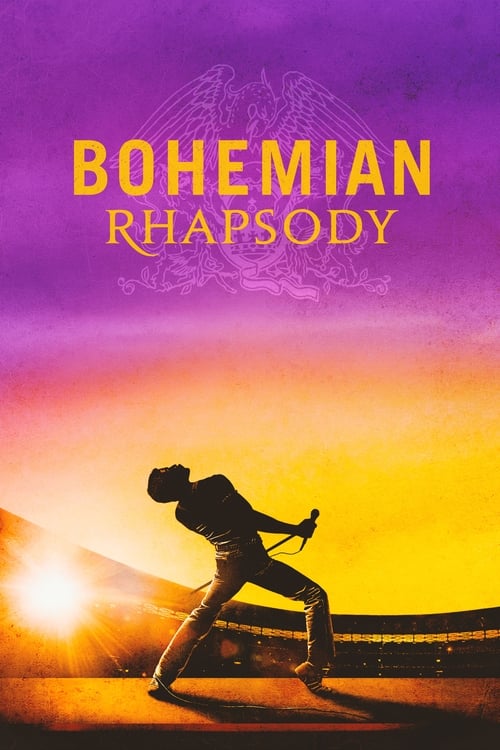
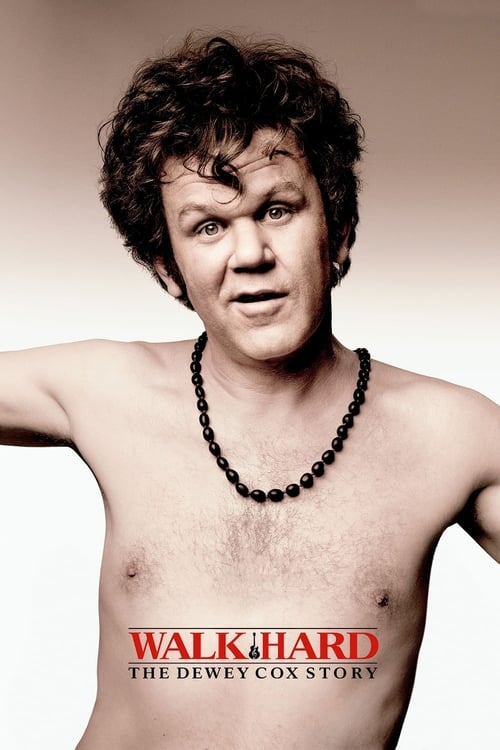
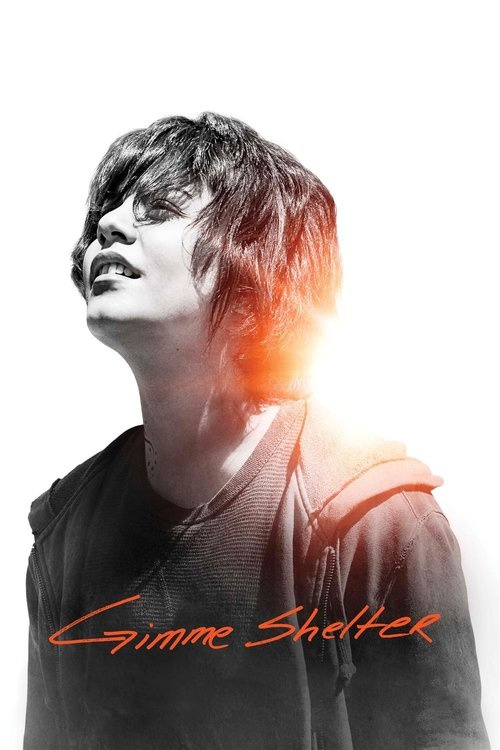
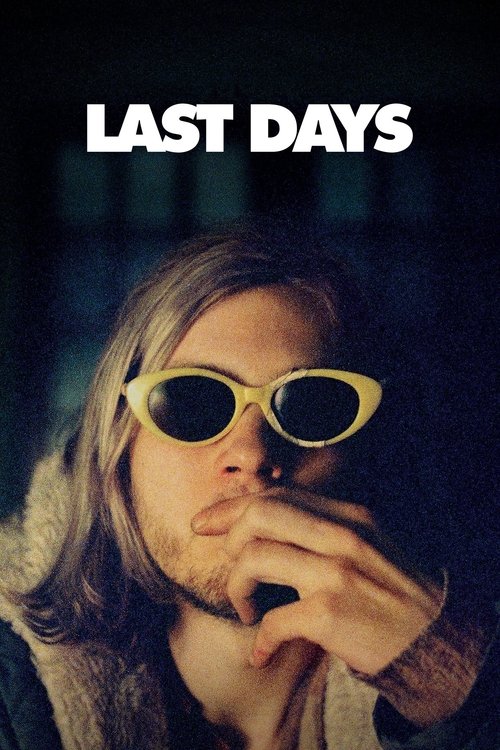
Music Biopics and Rock Documentaries Worth the Attention
Films that get inside the creative obsession, the internal collapse, and the strange alchemy of great bands.
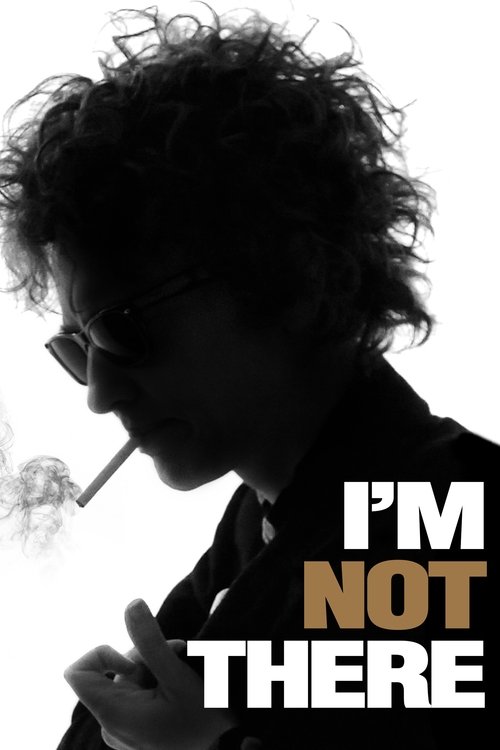
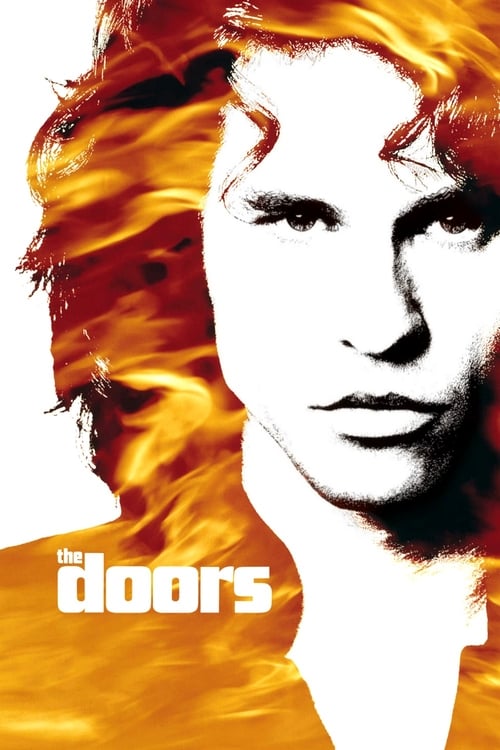
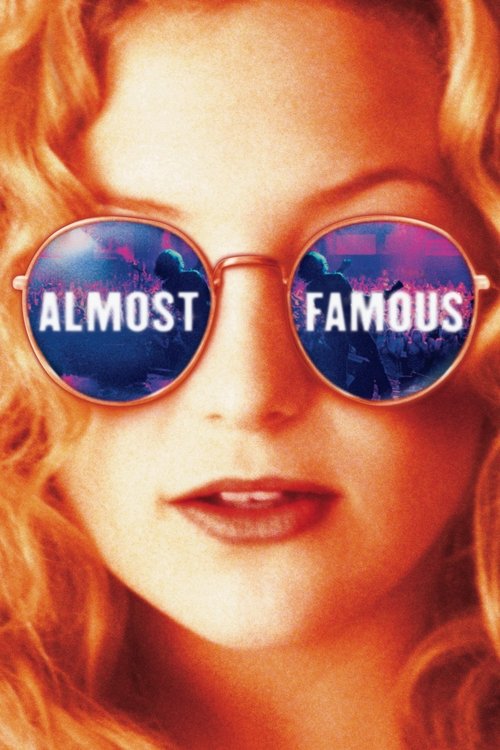
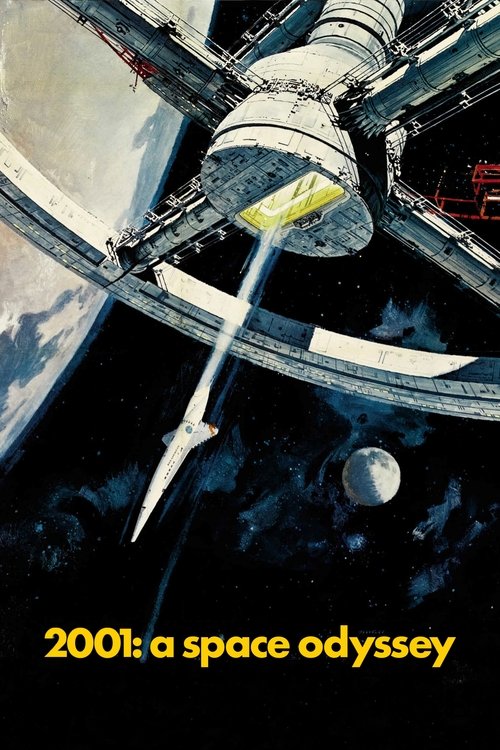
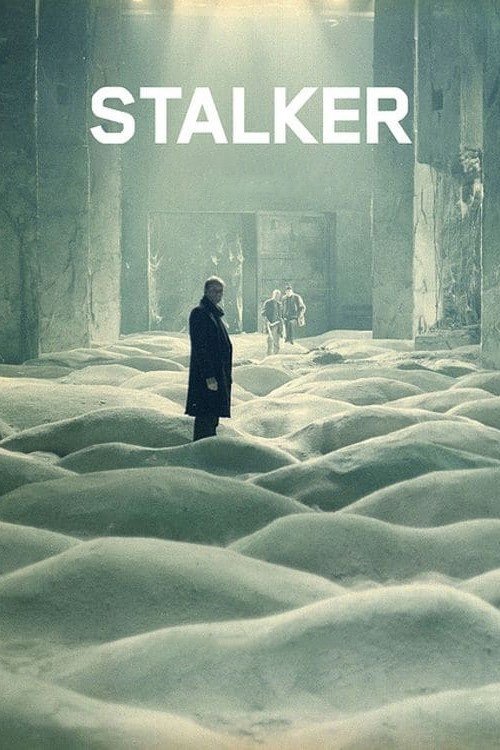
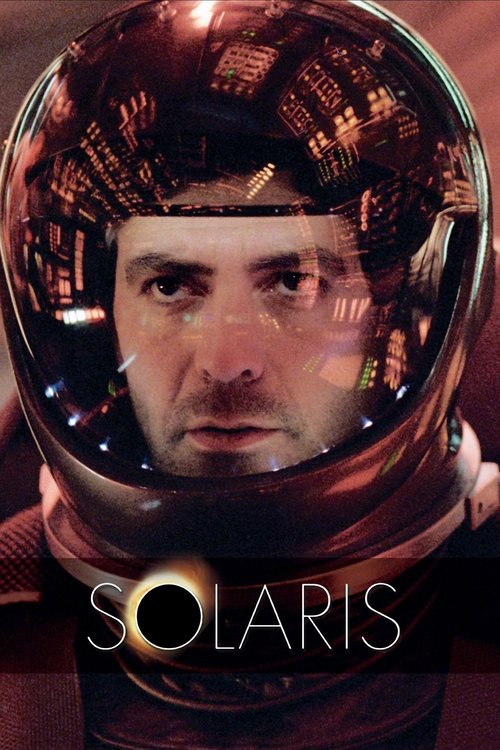
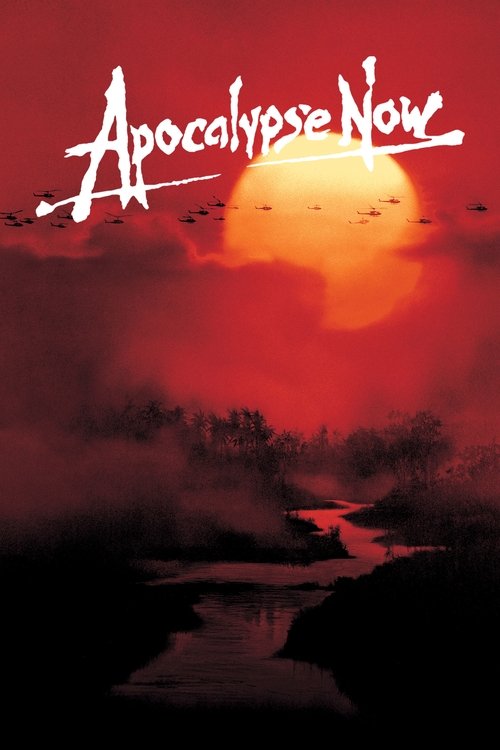
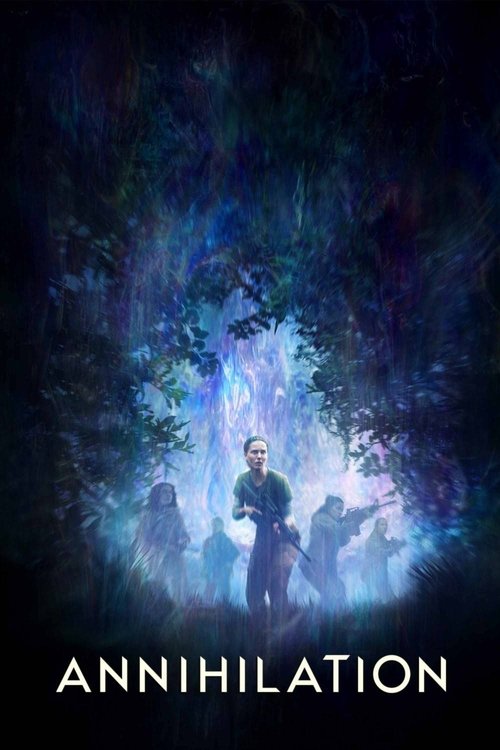
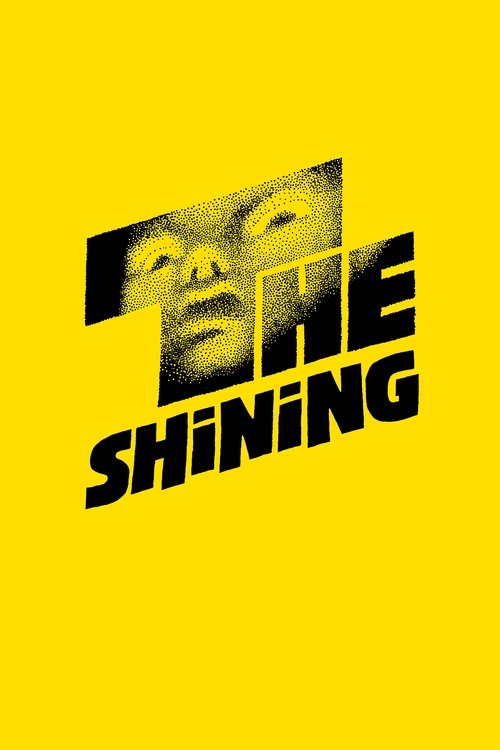
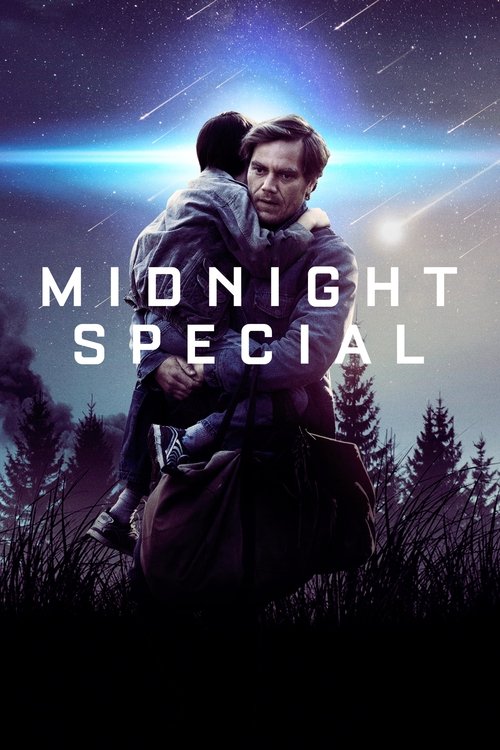
Films and Series That Share the Frequency
Cinema and TV that feels like it could be scored by the band: slow, psychologically dense, visually expansive, with dread as an atmosphere rather than a plot device.



Books That Live in the Same Psychic Space
Novels built on interiority, fragmented time, and the beauty that lives alongside damage, all of which are things the Floyd perfected on record.


The Title Track Is One of the Great Pieces of Music the 1960s Produced
"A Saucerful of Secrets" the track is not a pop song, not a jam, not a drone. It is a composed piece in four movements, written collectively by a band that had just lost its primary songwriter and needed to find out what it actually was. The fact that they found something this coherent, this genuinely affecting, in that moment of crisis is remarkable. The organ swell in the final section, "Celestial Voices," is as quietly devastating as anything on Dark Side. It simply arrived six years earlier, with less production and more fear in it.
Syd Barrett's Departure Made Pink Floyd More Interesting, Not Less
This is the unpopular position among a certain stripe of fan, but it holds up. Barrett's genius was real and the first album is extraordinary, but it was also complete. There was nowhere further to go in that direction without it becoming self-parody. The awkward, transitional stretch between 1968 and 1971 produced music that is genuinely experimental in ways the classic period rarely was: Ummagumma, Atom Heart Mother, the long-form improvisation on Meddle. The loss was real. The music it forced into existence was also real.
Tangerine Dream and Klaus Schulze Did Something Floyd Only Gestured At
Pink Floyd pointed toward pure electronic ambience, but they always pulled back toward song structure and blues-derived guitar. Tangerine Dream on Phaedra and Rubycon, and Klaus Schulze on Irrlicht, committed fully to what Floyd only sketched. These records sound like they were recorded inside the title track of A Saucerful of Secrets and never left. If you love the texture but find yourself wanting more of it and less of the verse-chorus constraint, this is where to go.
The Wall Is Not the Peak, It Is the Closing Statement
By 1979 the Floyd had been building this sound for over a decade, and The Wall is where Roger Waters finally turned it fully inward, into autobiography and accusation. The result is extraordinary but also suffocating in ways the earlier records were not. Wish You Were Here is warmer, Animals is more political, Meddle is more purely musical. The Wall is the inevitable conclusion. Fans who only know it should work backward.
The Arc: From Syd to Gilmour to the Cosmos
- 1967Barrett-led debut defines British psychedelia The Piper at the Gates of Dawn
- 1968Barrett exits; band writes its way through the crisis A Saucerful of Secrets
- 1969Double album: live improvisation and home experiments Ummagumma
- 1970A full orchestral collaboration and a retreat into texture Atom Heart Mother
- 1971The long-form suite that unlocks the classic period Meddle
- 1972Live at Pompeii films the band without an audience Pink Floyd: Live at Pompeii
- 1973The commercial and artistic peak, a studio perfect storm The Dark Side of the Moon
- 1975A tribute to Barrett and a meditation on absence Wish You Were Here
- 1977A hard political left turn, Orwell for the stadium era Animals
- 1979Waters goes autobiographical; the band becomes a vehicle for a statement The Wall
- 1982The Wall becomes a film; Parker and Scarfe realize it visually The Wall
We were not aware of what we were doing at all. We had the freedom that comes from not knowing what you are supposed to do.Roger Waters, on the making of A Saucerful of Secrets