
Released in November 1991, Achtung Baby was U2 tearing up their own rulebook. Out went the wide-screen Americana of Rattle and Hum; in came Berlin studio claustrophobia, industrial drum loops, distorted guitars run through octave pedals, and Bono inhabiting a parade of alter egos (the Fly, MacPhisto) while singing about desire, betrayal, and the peculiar vertigo of fame. The through-line for fans is a specific emotional frequency: music that is simultaneously enormous and deeply fractured, pop ambition married to genuine artistic risk, the kind of record that sounds like a love affair going wrong in slow motion inside a nightclub. If that frequency is yours, here is where it leads.
Essential U2
The albums that define the arc before, during, and after the Achtung Baby era.
Albums That Live in the Same Frequency
Big production, fractured emotion, and the feeling that something important is at stake.
Music Documentaries Worth the Time
Films about artists who pushed into genuinely new territory and paid the price for it.
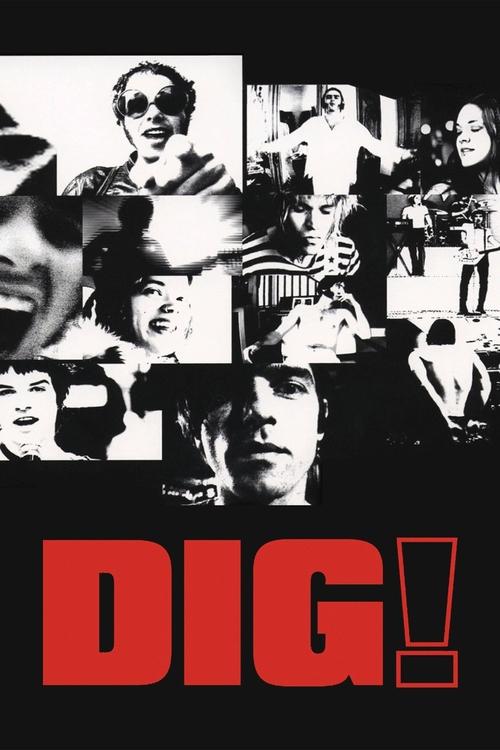
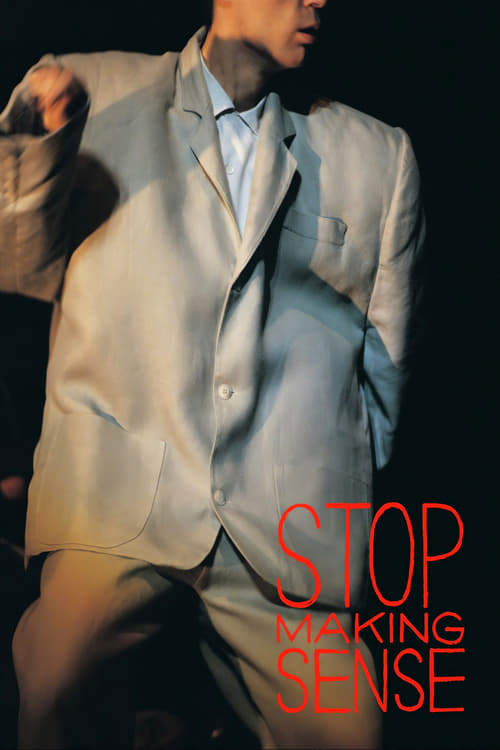
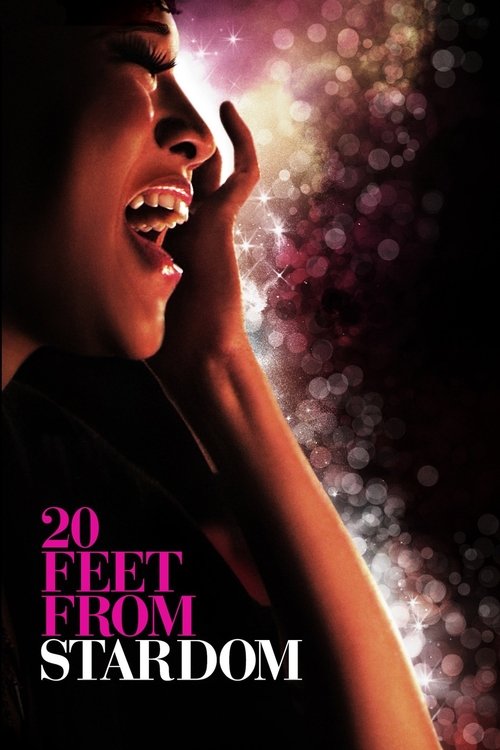
Films and Series with the Same Energy
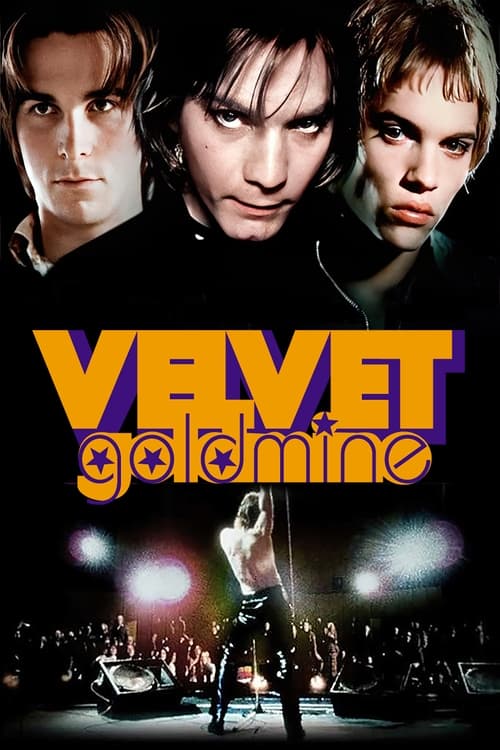
Stories that share Achtung Baby's emotional register: desire, dislocation, spectacle, and the cost of reinvention.
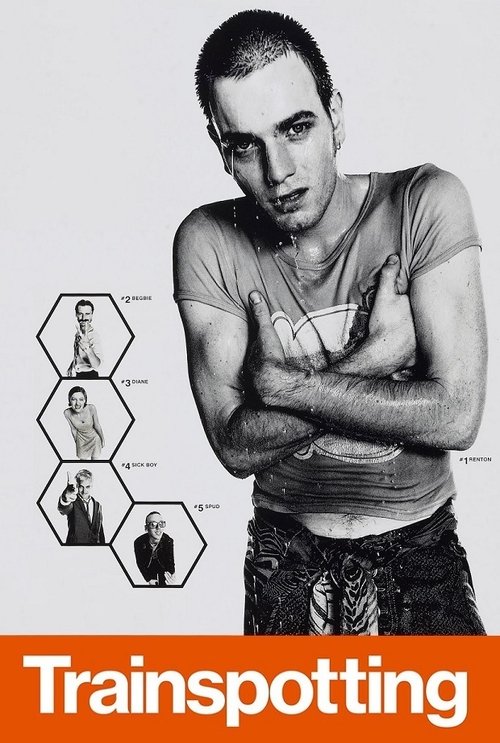
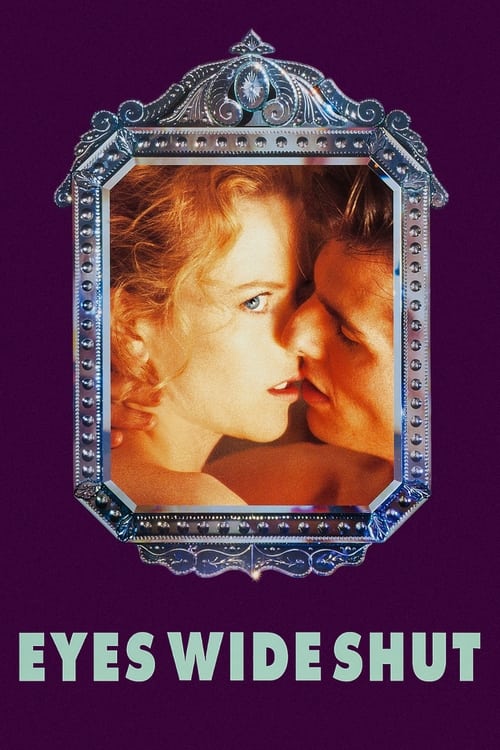
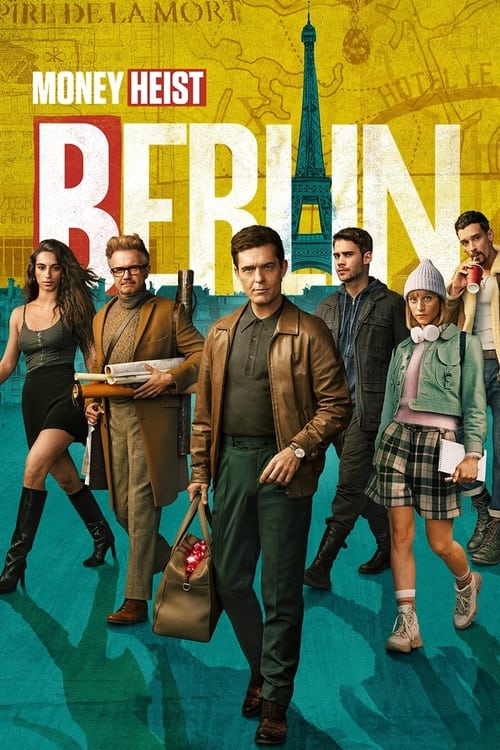
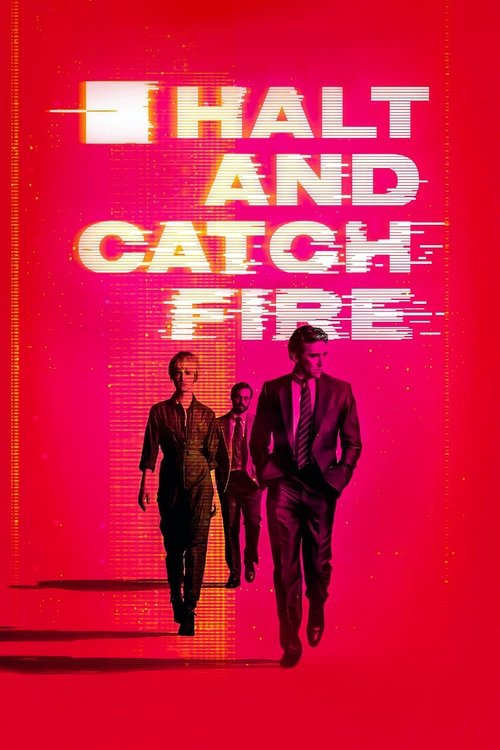
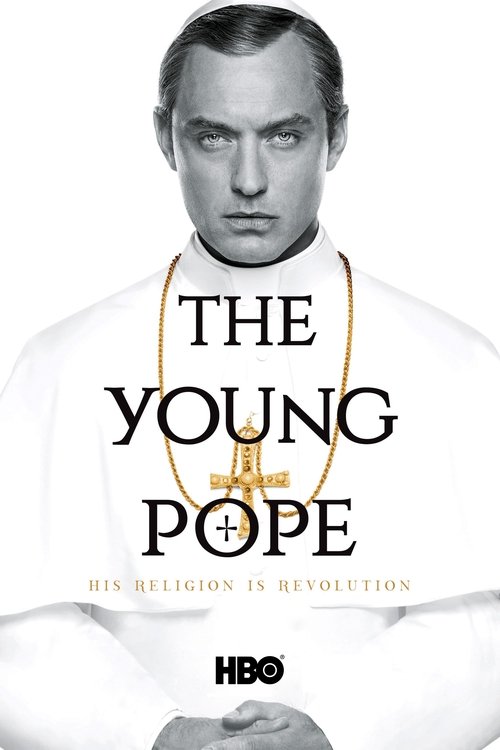
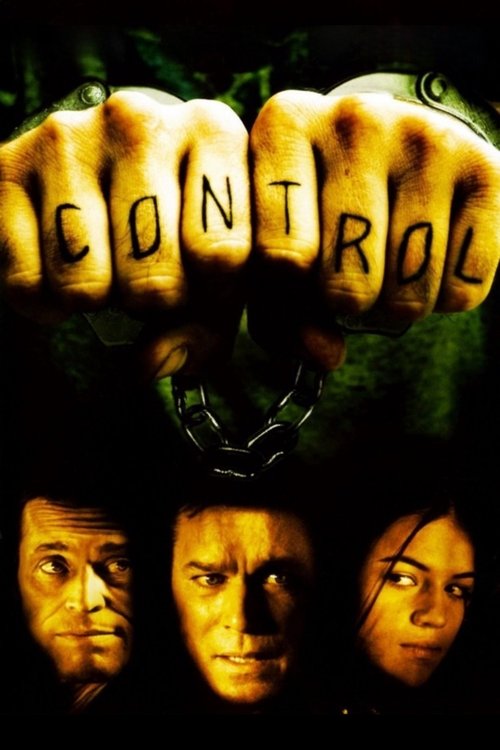
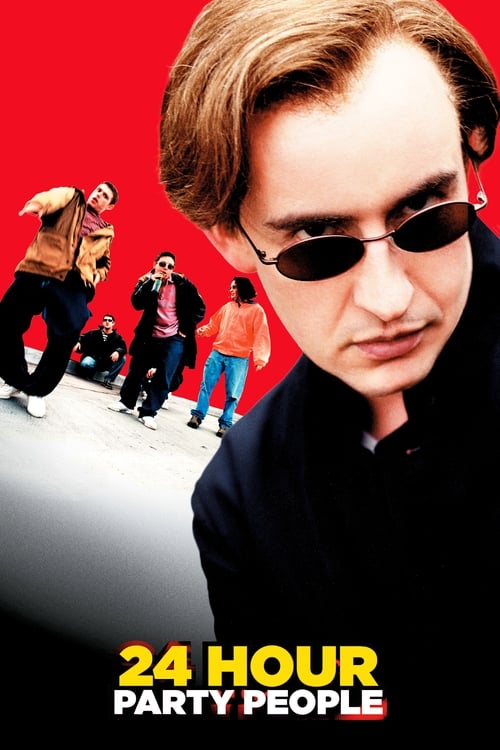
Berlin Made the Album Possible
The decision to record at Hansa Studios in Berlin, where Bowie and Eno had made Low and Heroes, was not nostalgia; it was strategy. The city in 1990 and 1991, just after reunification, was genuinely strange: a place where history was physically visible in the form of empty lots, spray-painted walls, and two populations learning to coexist after decades apart. That atmosphere saturated the sessions. You can hear it in One and in The Fly: a city in the process of becoming something new that is not yet sure what it is.
Novels That Live in the Same Emotional Space
Fiction about desire, fracture, fame, or the particular loneliness of modern life at high intensity.



The Road to and from Achtung Baby
- 1980U2 debut Boy arrives, raw and searching. Boy
- 1983War breaks U2 internationally; Sunday Bloody Sunday becomes an anthem. War
- 1984Brian Eno and Daniel Lanois enter the picture on The Unforgettable Fire. The Unforgettable Fire
- 1987The Joshua Tree makes U2 the biggest band in the world. The Joshua Tree
- 1988Rattle and Hum divides opinion; the band sense a reset is needed.
- 1991Achtung Baby recorded in Berlin and Dublin; released November 18. Achtung Baby
- 1992Zoo TV tour begins; the most elaborate live production in rock history.
- 1993Zooropa recorded in two months while touring; wins the Grammy for Best Alternative Album. Zooropa
- 1997Pop leans further into electronica; commercially underperforms but holds up. Pop
- 2000All That You Can't Leave Behind marks a partial return to directness.
It was the sound of four men chopping down The Joshua Tree.Bono, on making Achtung Baby
One Is Not a Love Song
One is the track everyone points to as the emotional heart of the album, and it is easy to hear it as a straightforward ballad about reconciliation. Listen more carefully and it is something harder: a song about two people (or two parts of one person) who share the same blood and the same history but cannot agree on how to live together. The chorus does not say we will be fine; it says we get to carry each other. The weight of that is not comfort. It is acknowledgment. The Zooropa version of the song, played live over a footage loop of actual news footage, sharpens the point considerably.