
Cameron Crowe's 2000 film captures something that almost no coming-of-age story manages: the specific vertigo of being young enough to believe, completely, that what you are witnessing is sacred. Fifteen-year-old William Miller, smuggled onto a rock tour as a Rolling Stone reporter, spends two hours learning that his heroes are human and that this makes them more interesting, not less. The feeling fans chase is that particular mix of longing, warmth, and the bittersweet knowledge that a certain kind of moment cannot be held. Penny Lane (she prefers 'Band-Aid') is not a groupie. Stillwater is not quite famous. And somehow that is exactly the point.
Essential Almost Famous
The film itself and the creative universe around it
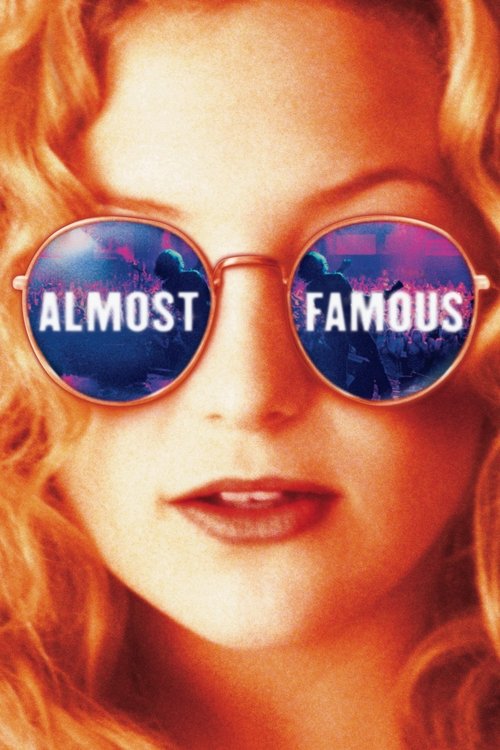
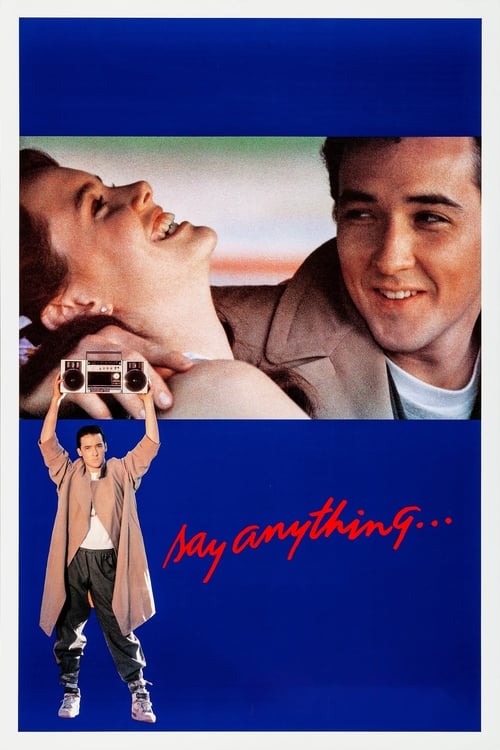
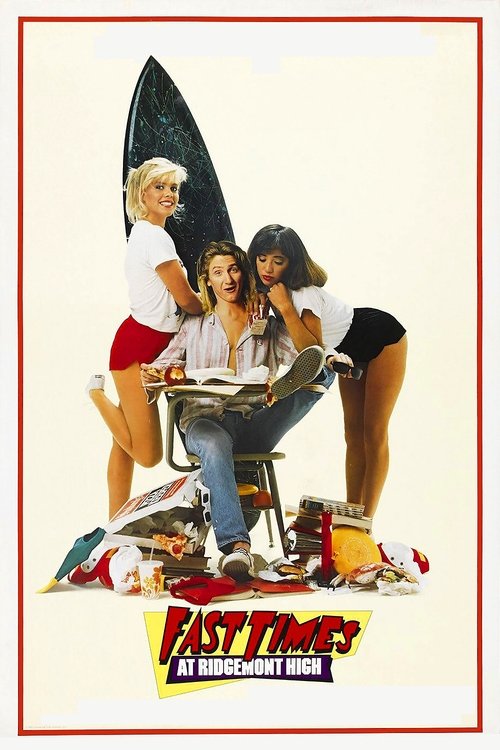

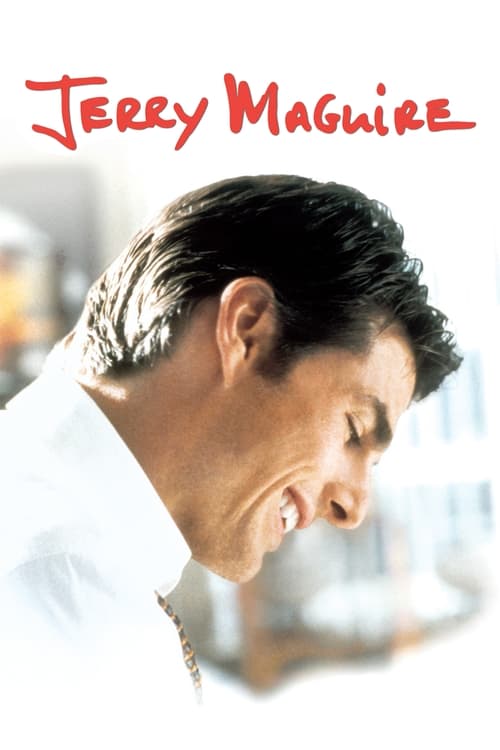
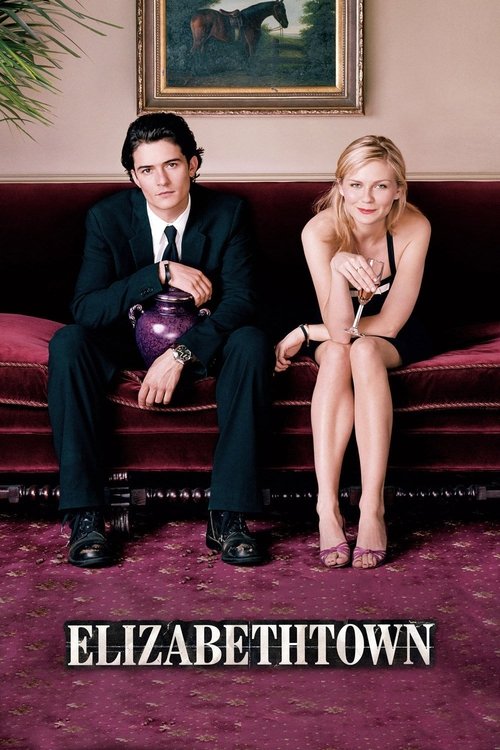
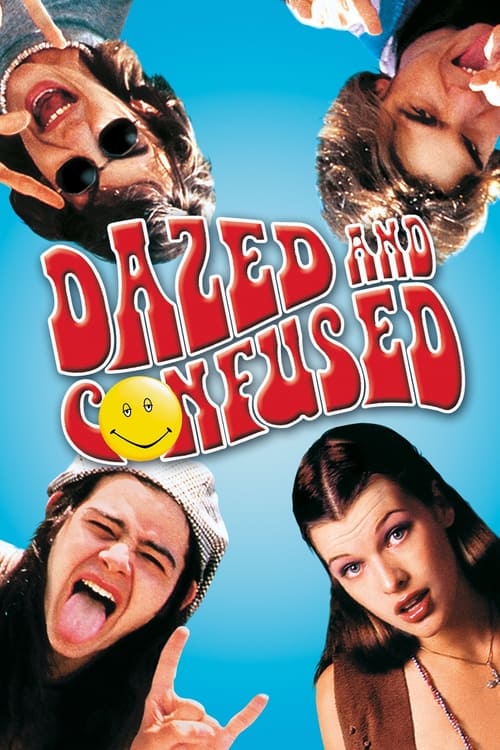
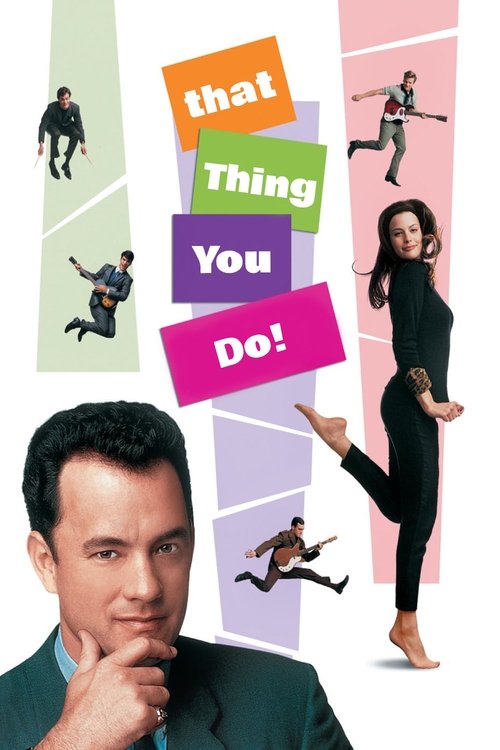
Same Warmth, Different Stage
Films that chase the same golden nostalgia for youth and music
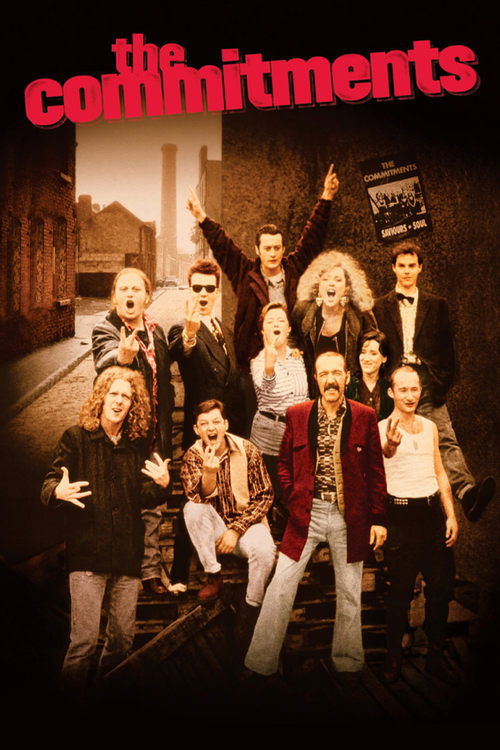

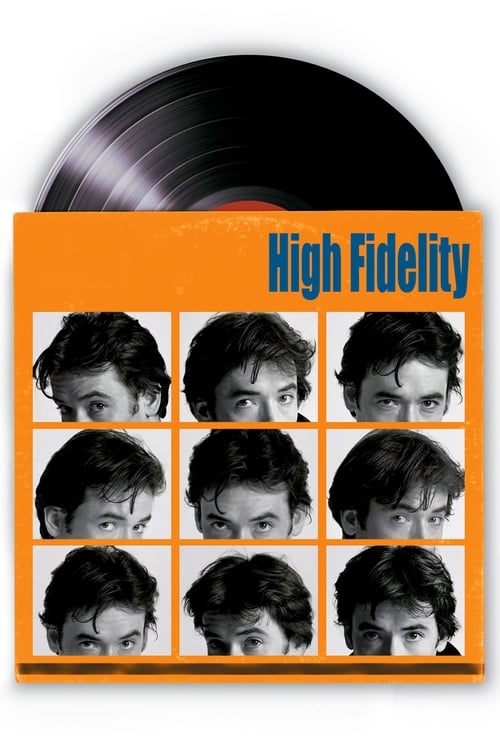
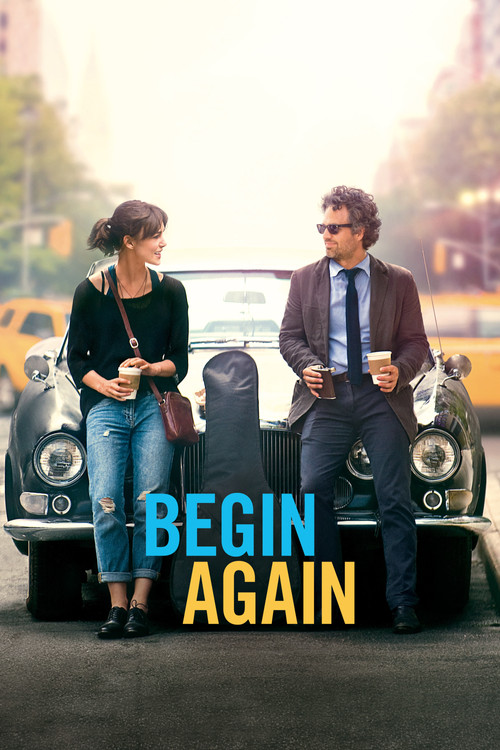
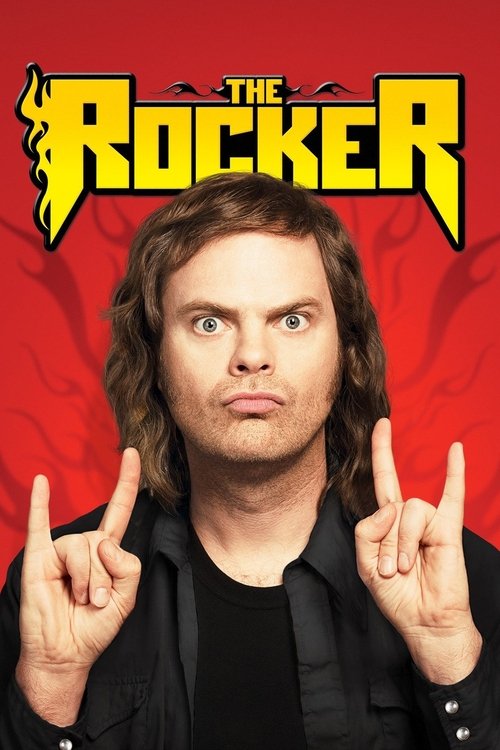
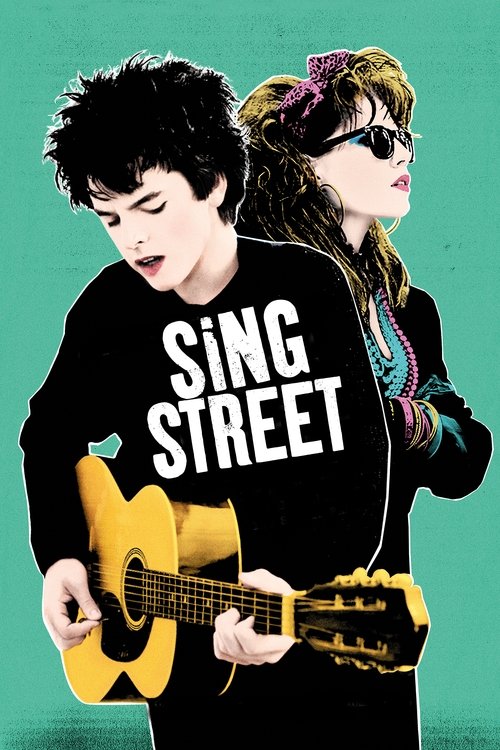
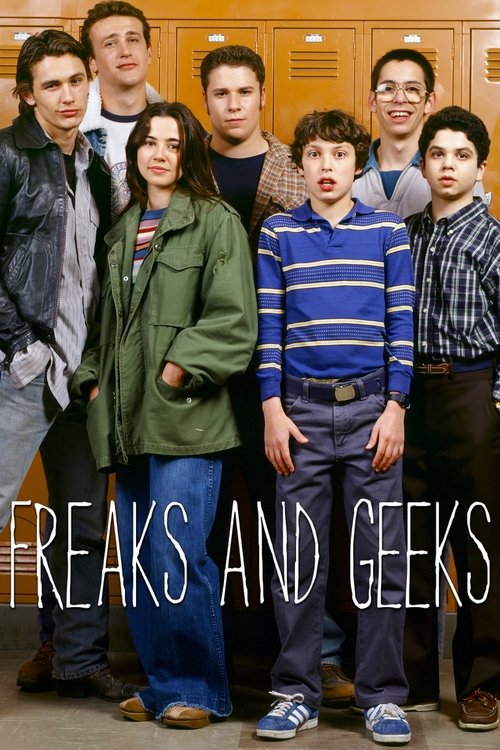
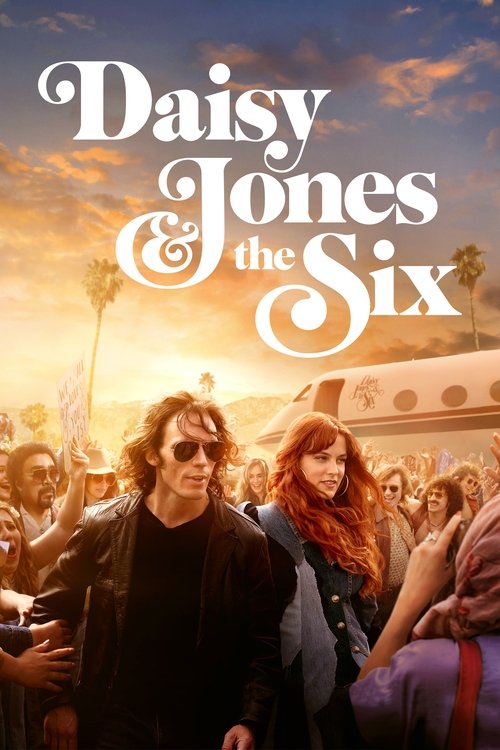
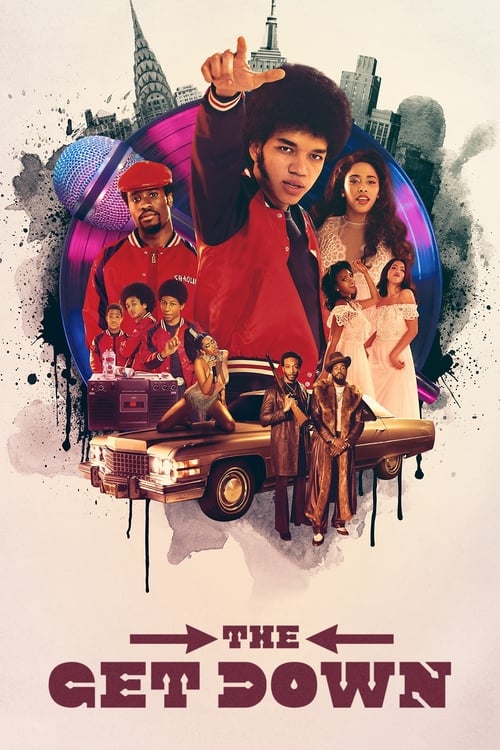
Series That Capture the Scene
TV that nails the backstage world, the era, or the obsession with music
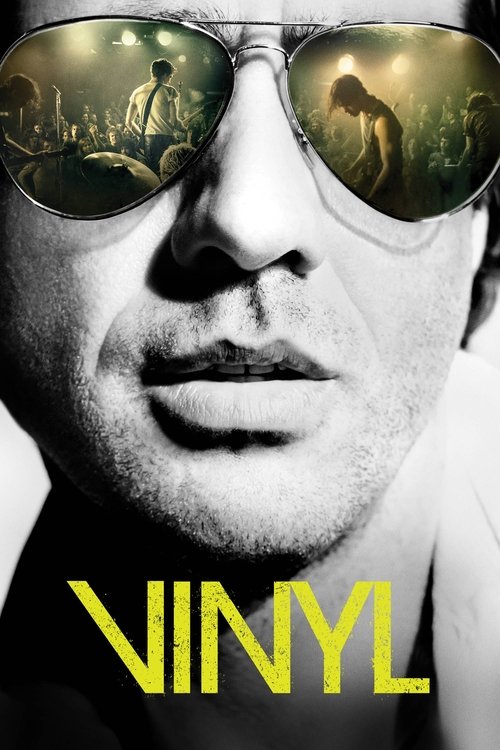
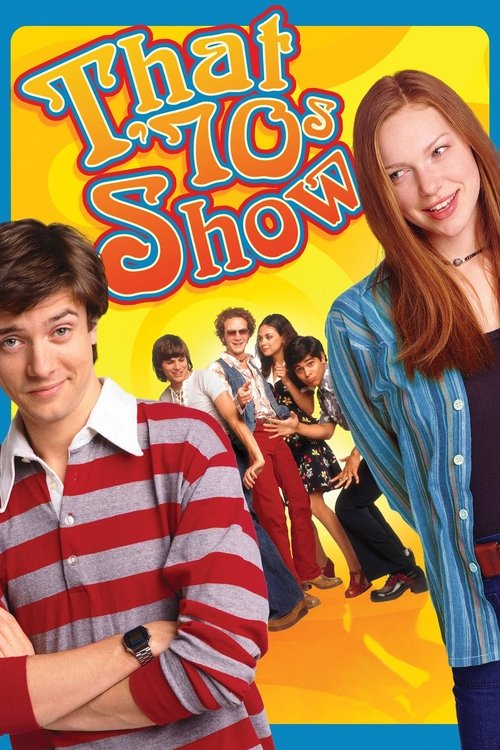
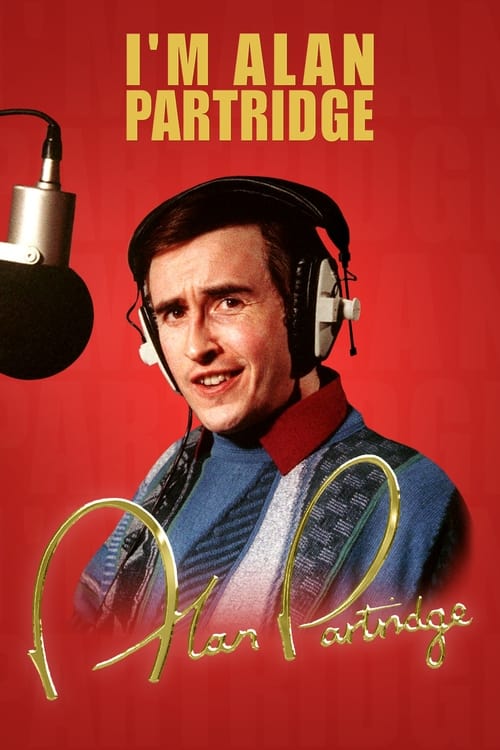
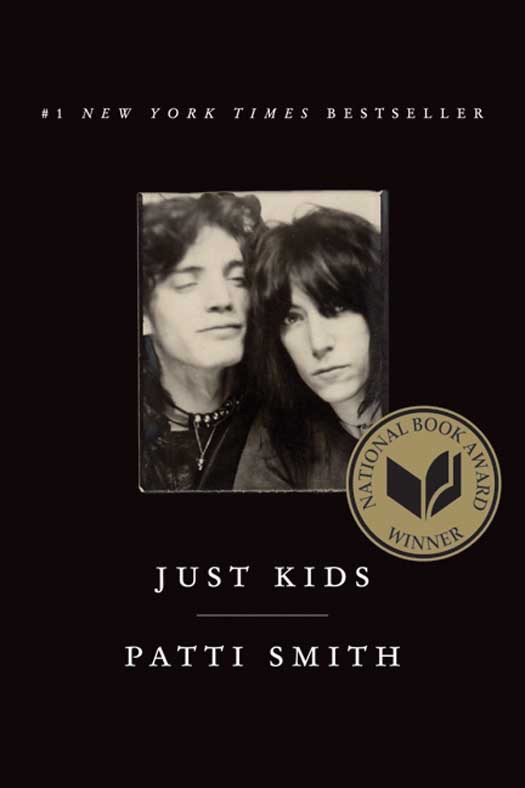
The Books Behind the Feeling
Memoirs, novels, and journalism that live in the same emotional frequency


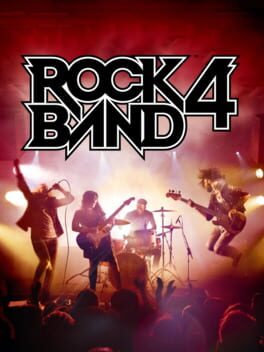
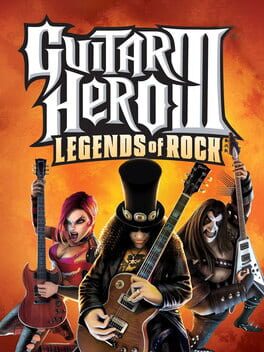
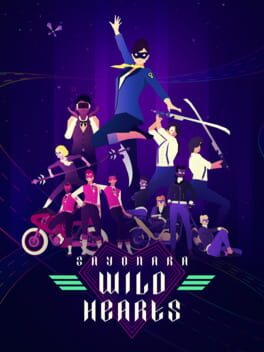
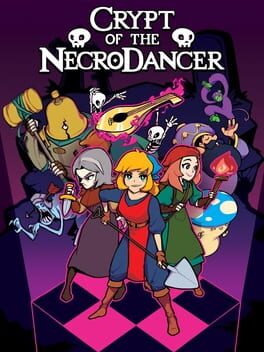
Games for the Music-Obsessed
Games that put you inside the music, the era, or the band-on-the-road experience


The Soundtrack and Its Ancestors
The music Almost Famous made iconic, and the albums that shaped its world
The Tour Bus Scene Is the Best Use of a Pop Song in Cinema
When the cast of Stillwater spontaneously sings Elton John's 'Tiny Dancer' somewhere in the American Southwest, Cameron Crowe does not play it for irony or nostalgia. He plays it straight. The song does what the whole film argues: it turns strangers into something briefly close to family, then the moment is over and the bus keeps moving. Very few scenes in popular cinema trust a pop song that completely.
Penny Lane Is the Film's Real Protagonist
William Miller is the narrator, but Kate Hudson's Penny Lane carries the film's argument. She has constructed an entire identity around being adjacent to greatness, and the film is honest enough to show both how beautiful and how precarious that position is. Her arc, from the fur-coat confidence of the opening tour sequence to the airport scene, is the emotional spine. Crowe lets her be complicated without punishing her for it.
Rock Journalism as Genre
Almost Famous is partly a love letter to a specific kind of writing: long-form music criticism in the tradition of Lester Bangs, written by someone who actually cared whether words did justice to sound. Crowe based William on his own teenage years at Rolling Stone. The film argues that getting too close to your subject is both the cardinal sin of journalism and the only way to write something true. That tension has not aged.
A Brief History of the Rock Movie
- 1964The Beatles arrive on US screens A Hard Day's Night
- 1970Gimme Shelter captures chaos at Altamont Gimme Shelter
- 1984Spinal Tap invents the mockumentary band film This Is Spinal Tap
- 1991The Commitments puts Dublin soul on screen The Commitments
- 1996That Thing You Do! captures one-hit wonder joy That Thing You Do!
- 2000Cameron Crowe's Almost Famous premieres at Sundance Almost Famous
- 2016Vinyl brings 1970s New York music industry to HBO Vinyl
- 2023Daisy Jones & The Six adapts Taylor Jenkins Reid for the screen Daisy Jones & the Six
More when music meant everything
Music & Musicians
Explore the Music & Musicians guide →It's all happening.Penny Lane, Almost Famous (2000)