
Ambient music does not demand your attention. It rewards it. Born from Brian Eno's 1978 declaration that music could be "as ignorable as it is interesting," the genre has grown into one of the most creatively rich corners of recorded sound: from Eno's own airports and plateaus, through Klaus Schulze's kosmische synthesizer epics, the beatless meditations of William Basinski and Stars of the Lid, the drone cathedrals of Grouper, the arctic minimalism of Biosphere, and the glitch-laden textures of Aphex Twin's "Selected Ambient Works Volume II." What connects a fan of ambient music is a taste for space over density, process over performance, and the feeling that a record can function like a room you inhabit rather than a track you merely hear.
Essential Ambient
The records that defined and expanded the genre
Ambient Kosmische and Electronic Forebears
The synthesizer explorers who built the architecture
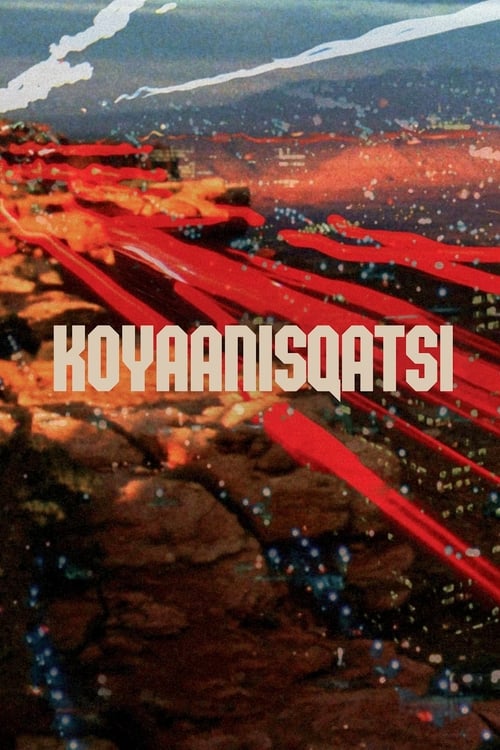
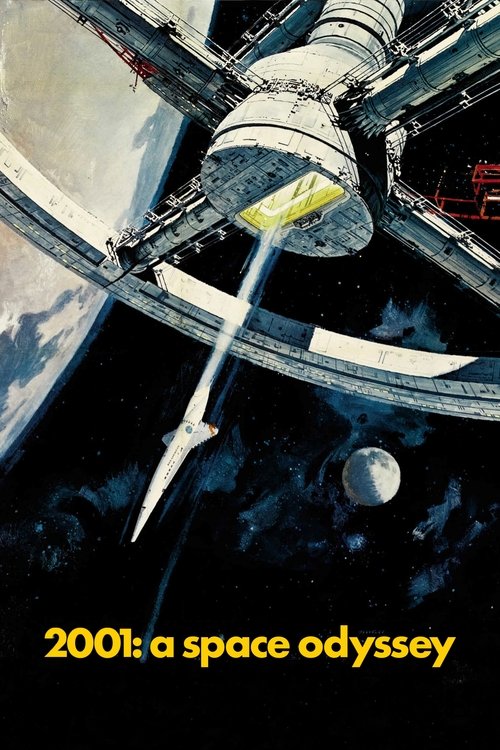
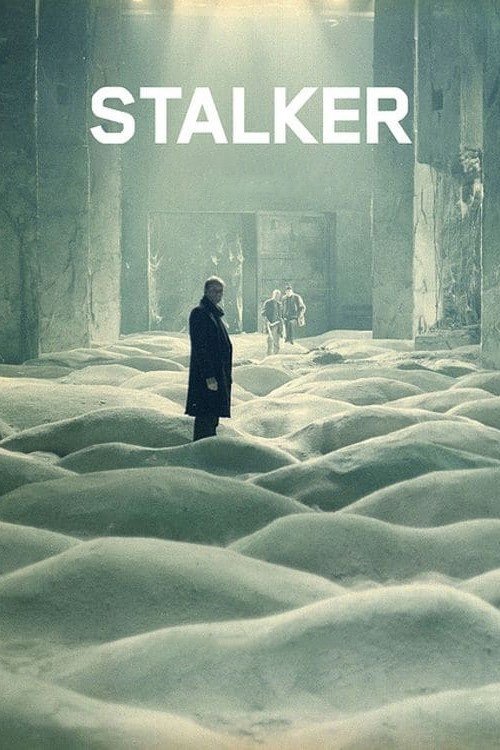
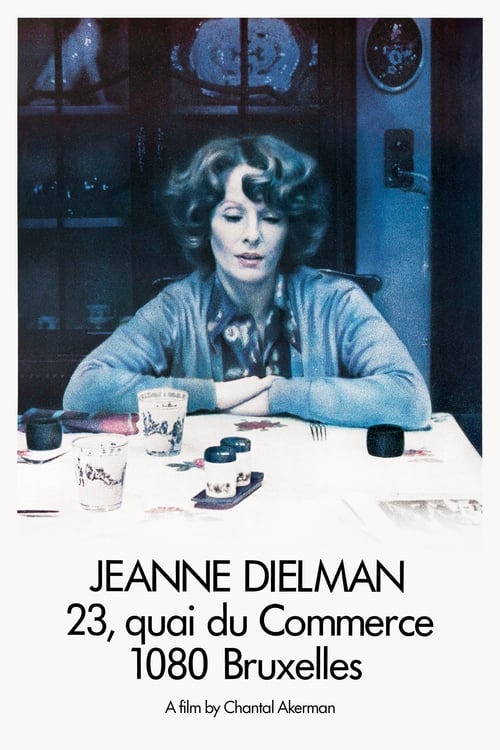
Films That Feel Like Ambient Records
Cinema that prioritises atmosphere over plot, image over action




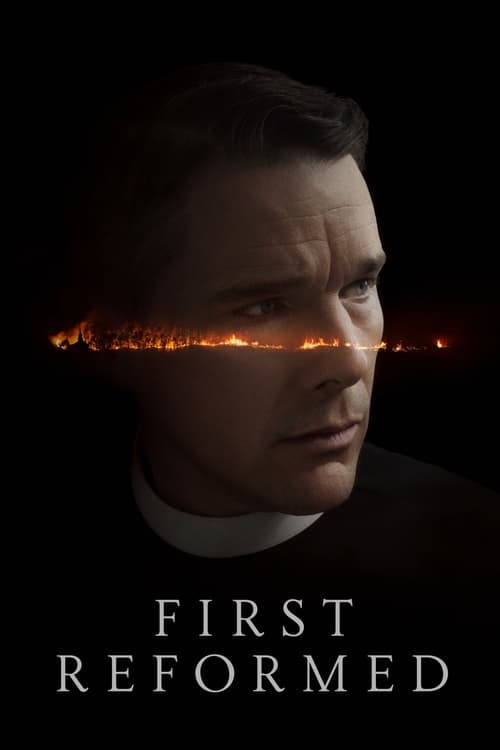
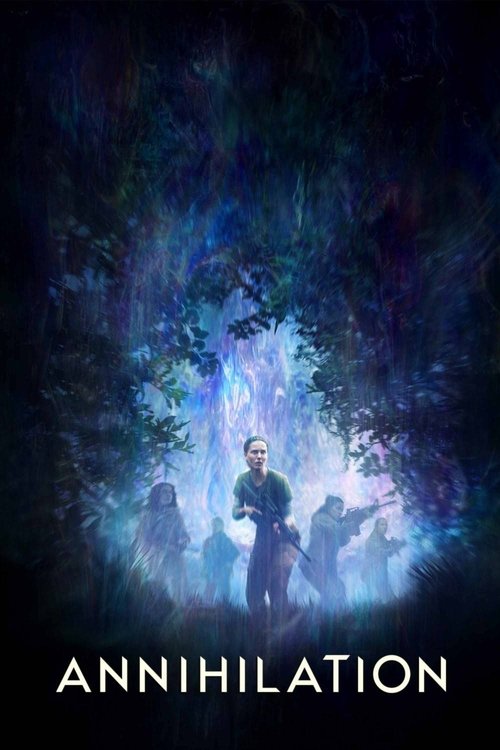
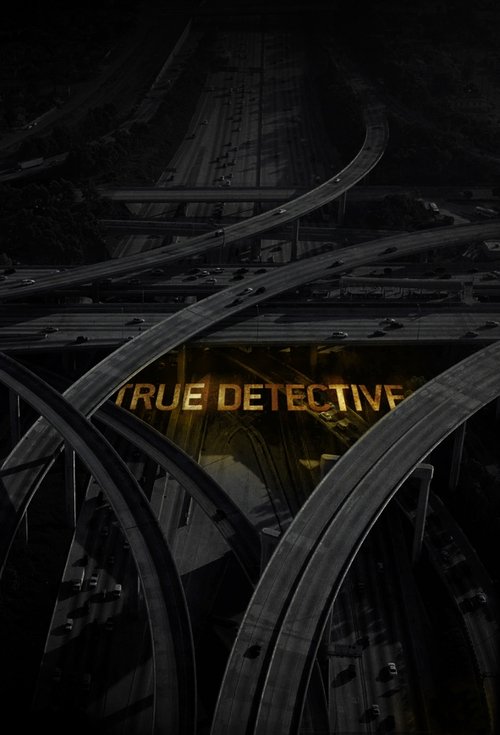
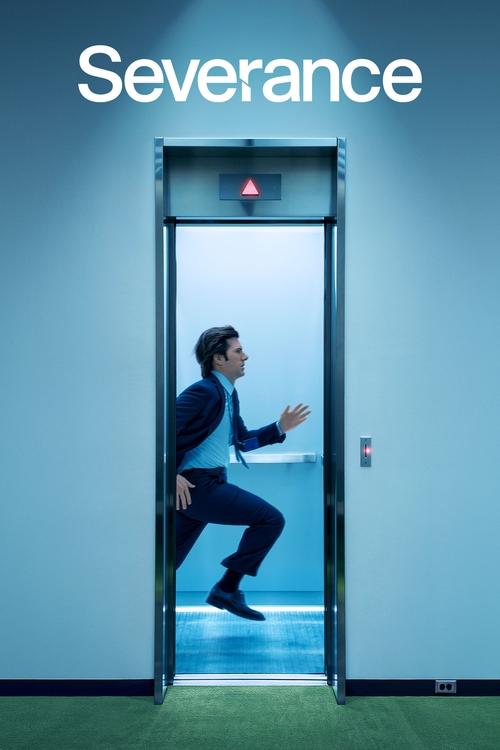
TV Series with the Same Slow-Burn Energy
Television that gives silence and texture room to breathe





Games Where Sound is the Architecture
Rhythm games, atmospheric titles, and games scored like ambient records








Brian Eno Did Not Invent Silence, He Gave It Permission
Before Eno released "Ambient 1: Music for Airports" in 1978, electronic texture existed but had no permission to be still. Eno's sleeve note changed the argument: music does not have to impose itself. It can function as an environment. That permission is what unlocked everything from Tangerine Dream's cathedral electronics to Stars of the Lid's orchestral drones to the modern output of labels like kranky and 12k. Every ambient artist working today is in some sense responding to that single declarative act.
William Basinski and the Art of Decay
"The Disintegration Loops" were not composed in the usual sense. Basinski transferred decades-old tape loops to digital and watched the iron oxide fall from the tape in real time on the morning of 11 September 2001. The degradation was the composition. No ambient record before or since has made the passage of time so physically audible. It remains one of the most conceptually rigorous works in the genre and one of the most emotionally direct.
Journey is Ambient Music You Can Walk Through
Thatgamecompany's Journey (2012) understands something most action games miss: silence and space create more emotional weight than spectacle. Austin Wintory's score sits inside the soundscape rather than over it, and the game's pacing matches the logic of an ambient record rather than a narrative film. Playing it feels like listening to a long piece of music. It is the most persuasive argument that games and ambient music share the same underlying contract with the listener.
Ambient: A Selective History
- 1972Klaus Schulze releases Irrlicht, one of the first purely electronic ambient records Irrlicht
- 1974Tangerine Dream release Phaedra, bringing kosmische to mainstream attention Phaedra
- 1978Brian Eno publishes Ambient 1: Music for Airports and names the genre Ambient 1: Music for Airports
- 1982Harold Budd and Eno collaborate on The Plateaux of Mirror Ambient 2: The Plateaux of Mirror
- 1994Aphex Twin releases Selected Ambient Works Volume II, redefining the genre for a new generation Selected Ambient Works, Volume II
- 1997Biosphere's Substrata establishes arctic minimalism as a distinct subgenre Substrata
- 2001Stars of the Lid release The Tired Sounds, the apex of orchestral drone
- 2002William Basinski's The Disintegration Loops reframes decay as composition Disintegration
- 2012Journey (game) demonstrates that ambient logic can structure a game Journey
- 2017Twin Peaks: The Return brings ambient television to mainstream prestige TV Twin Peaks
Texture, atmosphere, slow immersion
For Fans of Post-Rock
Explore the For Fans of Post-Rock guide →Ambient Music must be able to accommodate many levels of listening attention without enforcing one in particular; it must be as ignorable as it is interesting.Brian Eno, liner notes to Ambient 1: Music for Airports, 1978