
Released in January 1977, Animals is the album where Pink Floyd stripped away the orchestral warmth of Wish You Were Here and replaced it with something rawer and more deliberate: three long-form pieces built around Roger Waters's adaptation of George Orwell's Animal Farm, sorting humanity into dogs, pigs, and sheep. The production is sparse for Floyd, the guitars bite, and the synthesizers churn rather than float. What fans chase in Animals is a particular combination of political disgust and musical patience, long passages that accumulate tension rather than release it, and a sardonic clarity about power and complicity. It is the most punk-adjacent thing a prog-rock band ever made without playing a single punk chord.
Essential Pink Floyd
The albums that define where Animals sits in the catalog, from the early psychedelic experiments to the late-era masterworks.
If You Love the Bite: Albums That Share the Fury
Records from the same cold-eyed tradition: prog with political teeth, art rock with no patience for comfort.
The Source Text: Orwell and Political Allegory in Print
The novel Animals adapts, and the books that pursue the same project of making political systems legible through story.


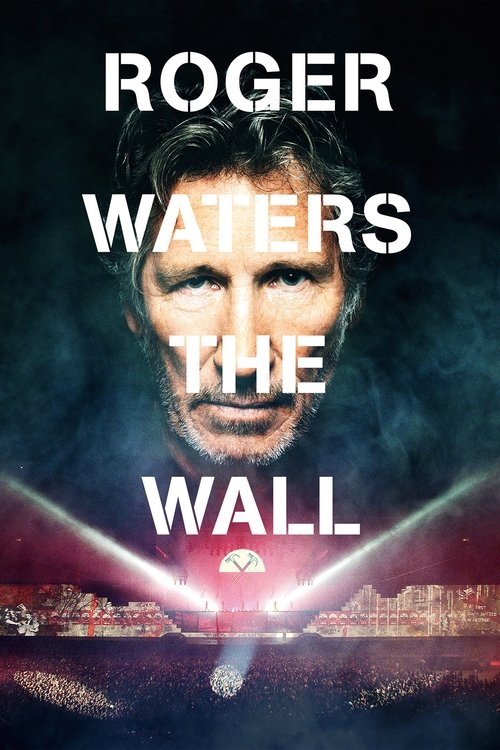
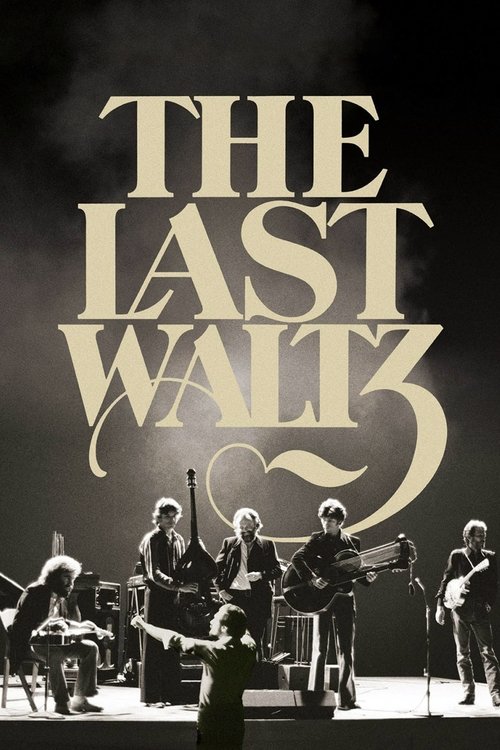
The Documentary Room: Floyd and the Prog Era on Film
Concert films and documentaries that capture the live ferocity and studio ambition of the era Animals belongs to.

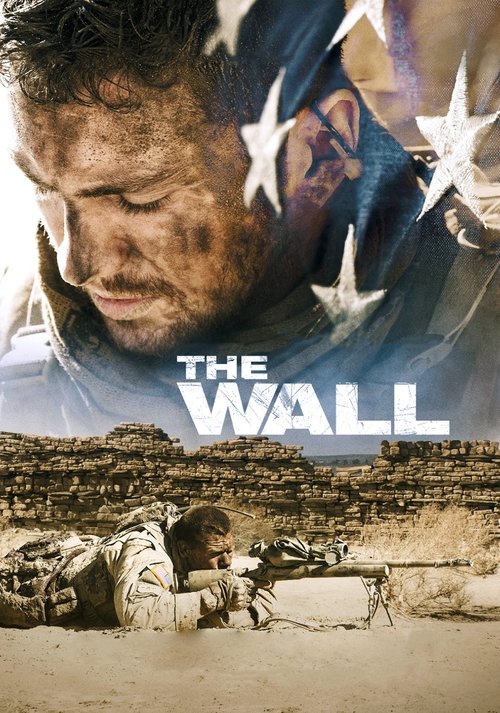
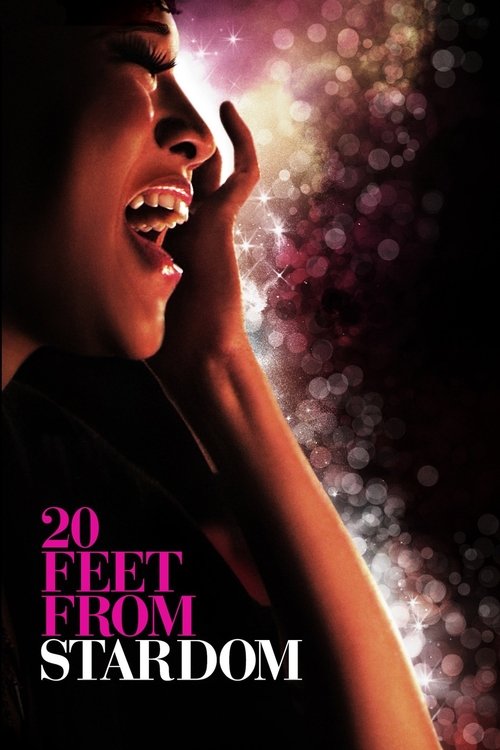
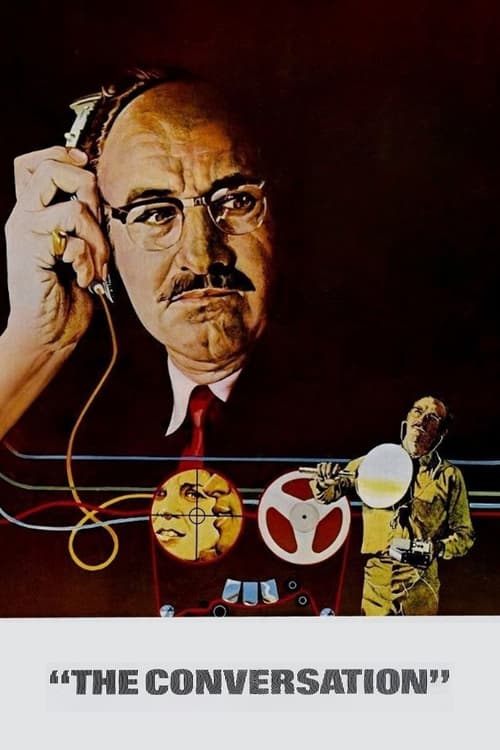
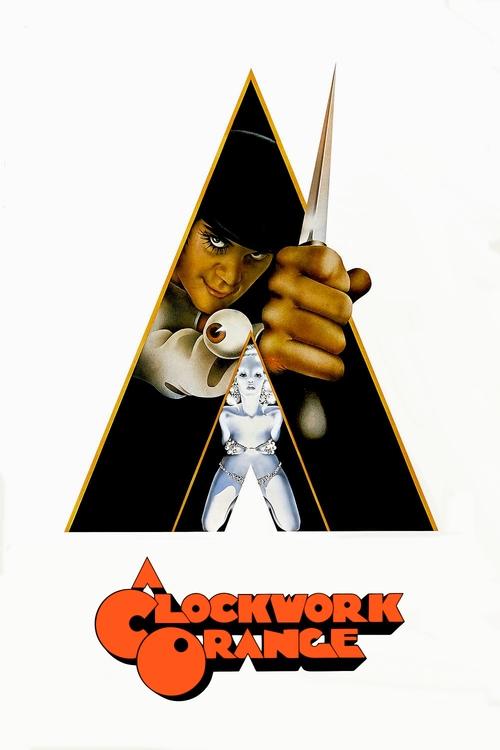
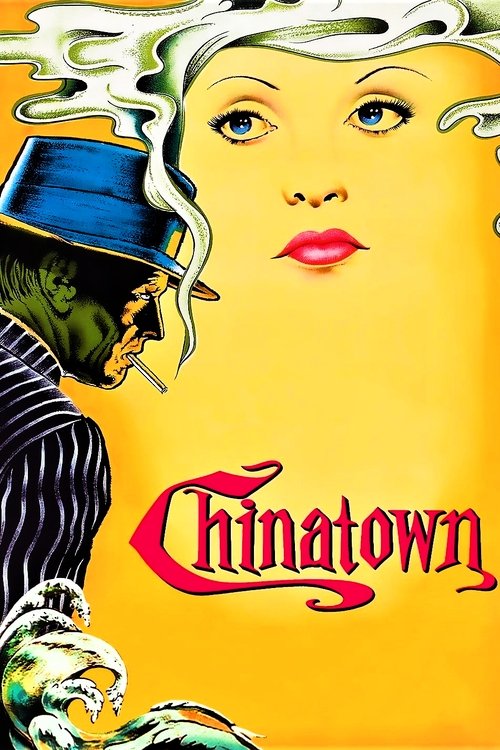
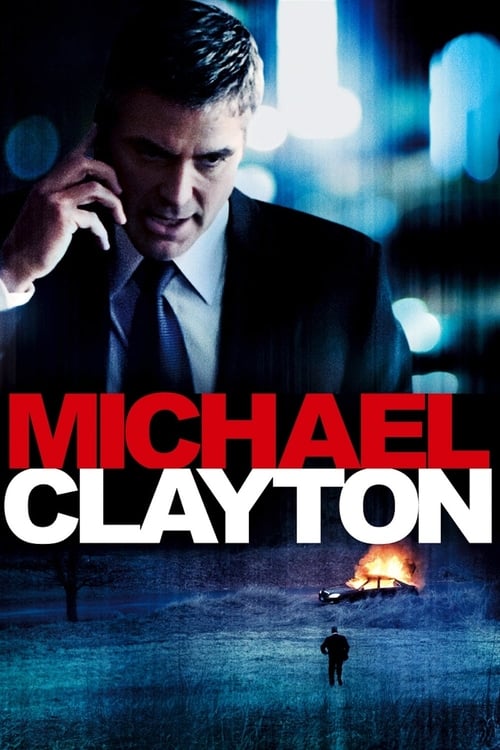
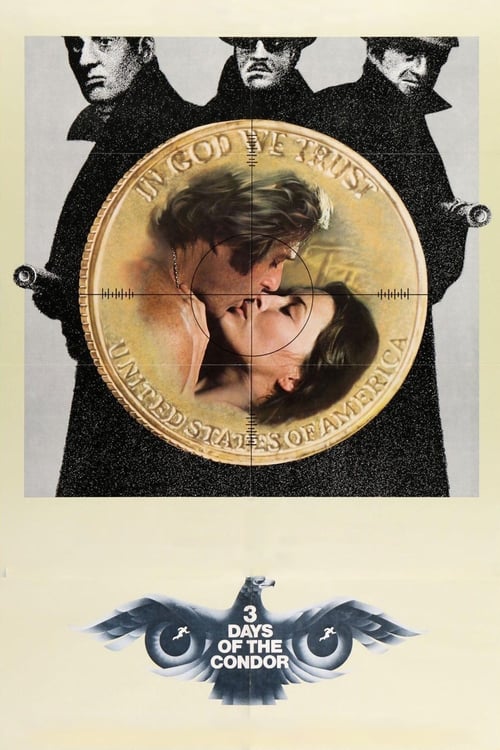
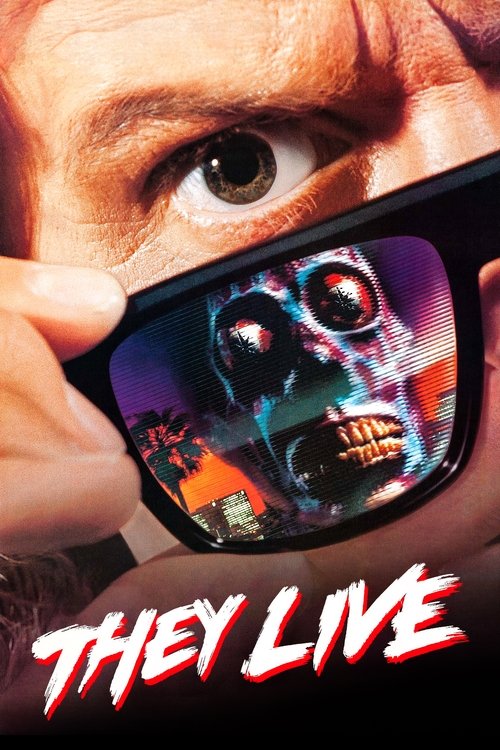
The Same Cold Eye: Films That Match the Album's Tone
Movies that share Animals' controlled anger, its industrial imagery, and its refusal to offer easy exits.
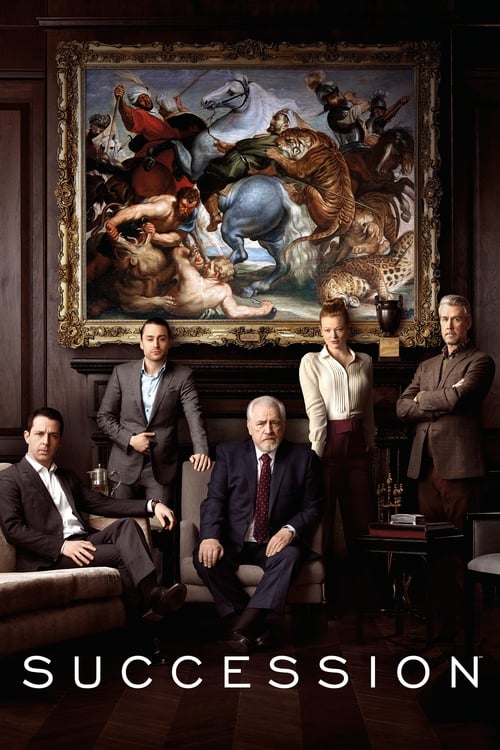
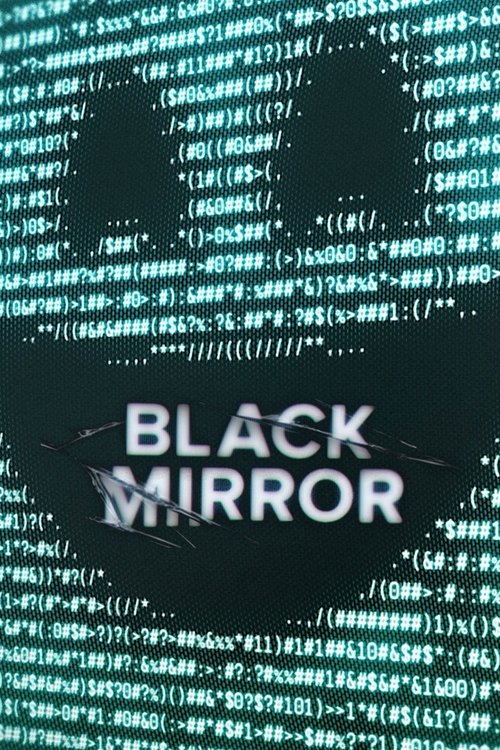
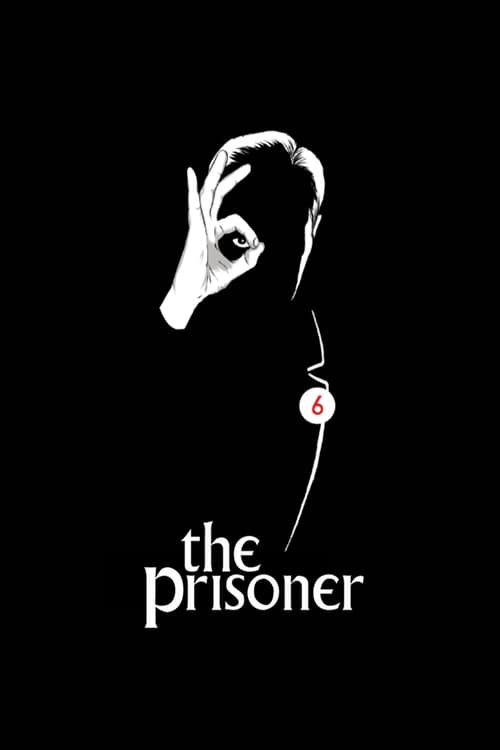
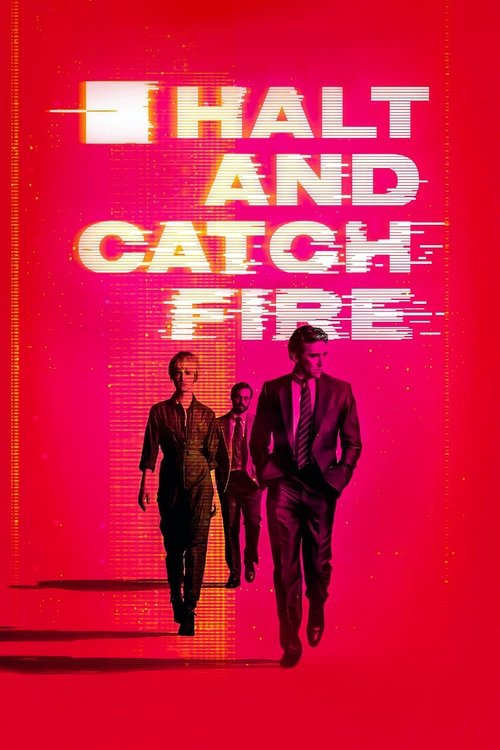
Television That Thinks Like Roger Waters
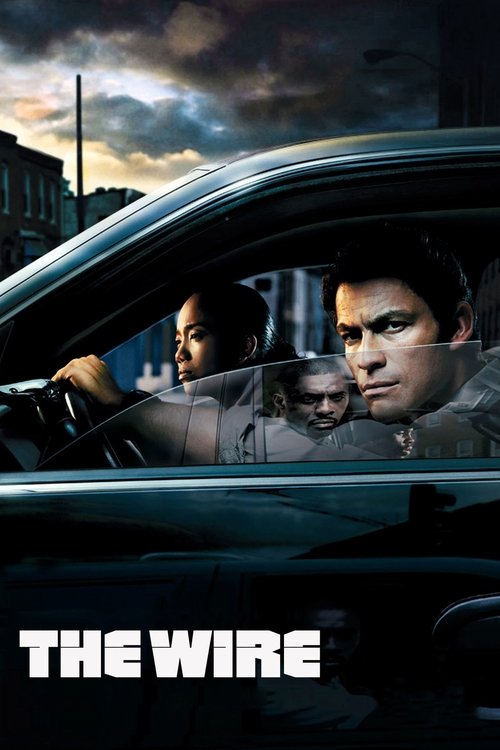
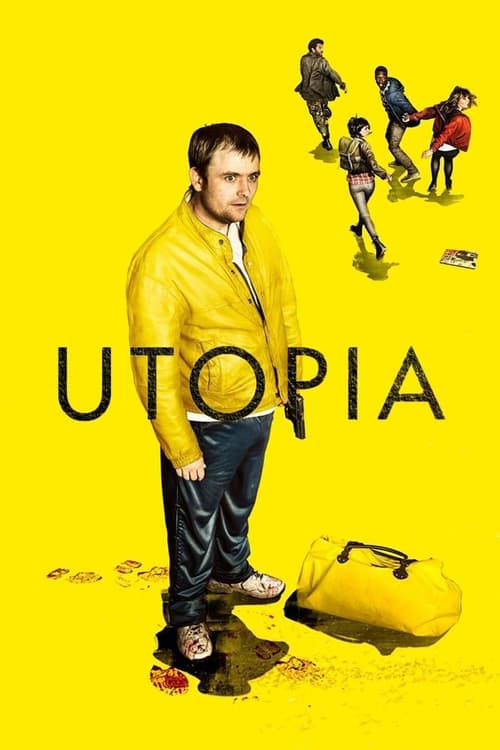
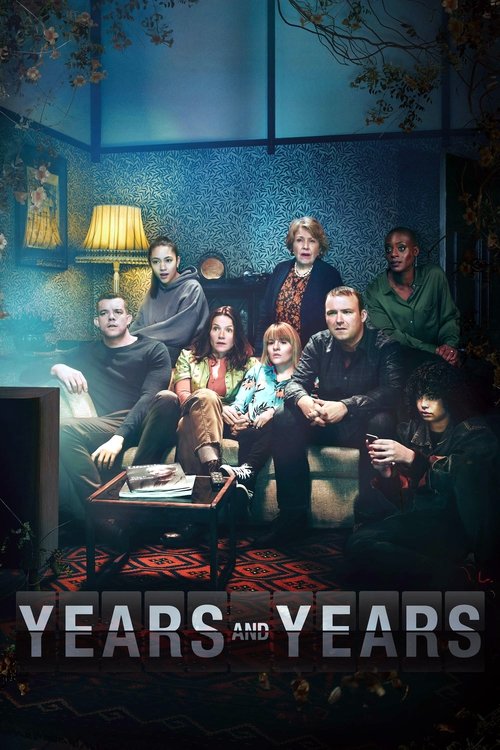
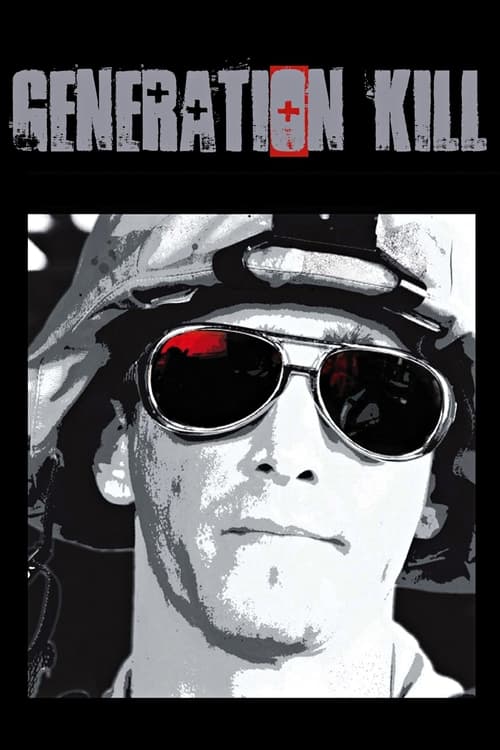
Series built around systems of control, moral ambiguity at the institutional level, and characters who can see the machinery but cannot stop it.
Dogs Is the Greatest Track Pink Floyd Ever Recorded
At seventeen minutes, 'Dogs' does not outstay its welcome because it earns every minute: the guitar solo in the first half is Gilmour at his most menacing, and the spoken passage near the end, Waters intoning a list of symptoms, lands like a pathology report on the professional class. It is the center of gravity around which the rest of Animals orbits. Nothing on The Dark Side of the Moon, as beloved as that record is, matches its sustained controlled viciousness.
The Wall Is the More Famous Album but Animals Is the Better One
The Wall is a spectacle and it knows it. Animals does not care whether you are comfortable. It has no 'Comfortably Numb' to reward you for sitting through the difficult parts, no arena-rock release valve. That restraint makes it more durable: it does not age into nostalgia because it never tried to be liked. Fans who discover it after The Wall often find it the one that stays.
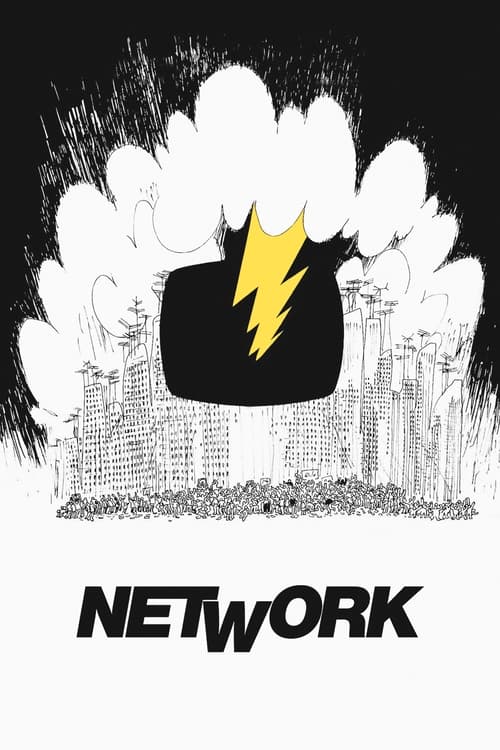
Network (1976) and Animals (1977) Are the Same Work in Different Forms
Paddy Chayefsky's screenplay and Roger Waters's lyrics arrived within months of each other and reached the same conclusion: the media-industrial complex has sorted humanity into those who sell and those who are sold, and the sheep are the last to notice. Howard Beale's breakdown and the sheep's chorus in 'Sheep' describe the same moment from different angles. Watch Network the week you revisit Animals and the pairing is almost uncomfortable.
A Timeline of Controlled Anger: The Decade That Made Animals
- 1968A Saucerful of Secrets: Floyd begins moving away from Barrett's psychedelia toward structure and scale. A Saucerful of Secrets
- 1971Meddle arrives: 'Echoes' previews the long-form patience that defines the Animals tracks. Meddle
- 1973The Dark Side of the Moon makes Floyd global; the commercial weight will push Waters toward darker material. The Dark Side of the Moon
- 1974Orwell's Animal Farm, written in 1945, gets a new wave of readers as post-Watergate cynicism reshapes political culture. Animal Farm
- 1975Wish You Were Here: a eulogy for Syd Barrett and for the idealism of the 1960s, still warm before the cold sets in. Wish You Were Here
- 1976Network is released: Chayefsky and Lumet articulate the same diagnosis Waters is writing into Animals. Network
- 1977Animals is released in January. The In the Flesh tour follows, and Waters begins to wall himself off from the audience. Animals
- 1979The Wall completes the trajectory: from political allegory to personal mythology, from cold to spectacular. The Wall
You have to be trusted by the people that you lie to, so that when they turn their backs on you, you get the chance to put the knife in.Roger Waters, 'Dogs', Animals (1977)