
Released in 1970, Atom Heart Mother is the album where Pink Floyd stopped being a psychedelic band and became something harder to name. Side one is a single 23-minute suite for rock band, brass ensemble, choir, and cellist, written with composer Ron Geesin and named after a pregnant woman with an atomic pacemaker spotted in a newspaper headline. Side two holds four shorter, stranger pieces, including Roger Waters's bleakest acoustic number and Richard Wright's most hymnal keyboard meditation. The fans who love it are chasing a specific thing: the sound of rock music reaching toward orchestral scale without losing its earthiness, of structure coexisting with spaciousness, of songs that are patient enough to let a mood develop over minutes rather than seconds. This is music that rewards solitude and headphones. If that's you, everything below is yours.
Essential Pink Floyd
The albums that define the arc before and after Atom Heart Mother
The Progressive Neighbourhood
Albums that share the same patience, ambition, and willingness to go long
The Ambient and Kosmische Flank
Music that shares the drift and space without the rock architecture
The suite isn't a song with a longer runtime. It's a different object altogether, one that expects you to surrender to its interior logic rather than waiting for a hook.On the experience of Side One
Documentaries and Concert Films
Films that put you inside the music and the making of it

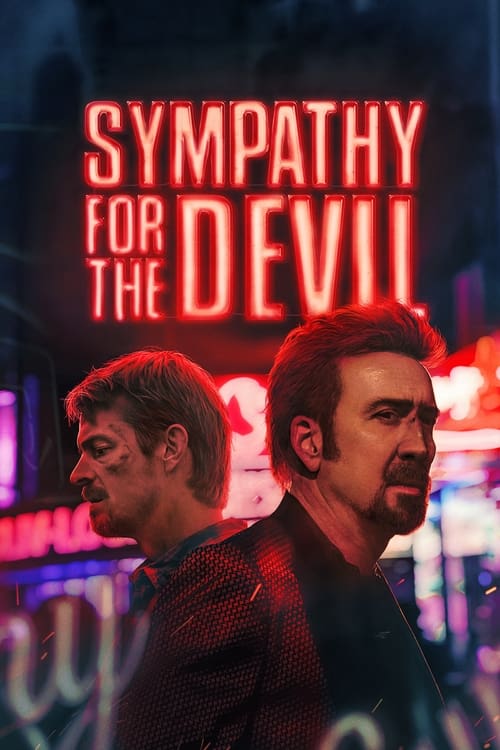


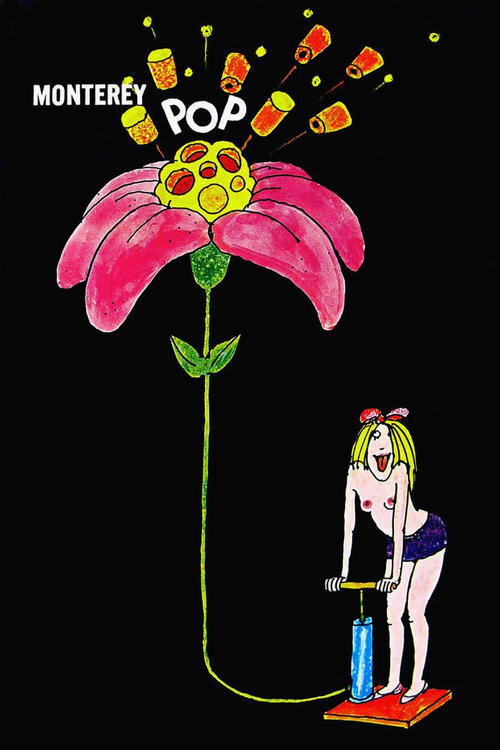

Films That Breathe at the Same Frequency
Cinema with the same contemplative scale: slow, spatial, and emotionally patient
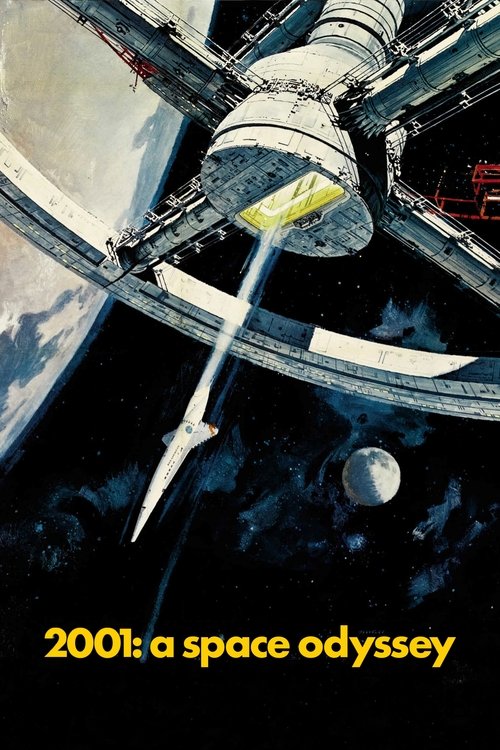
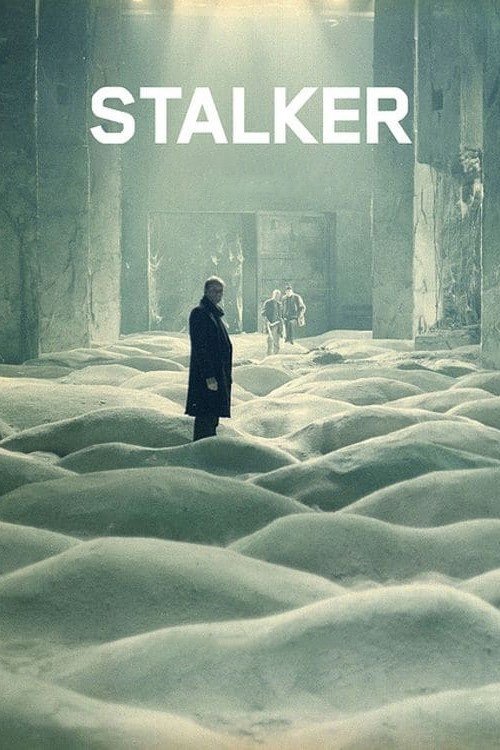



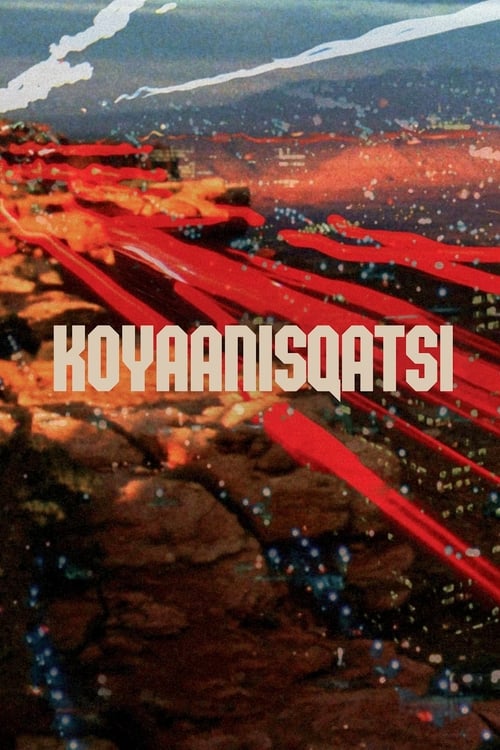

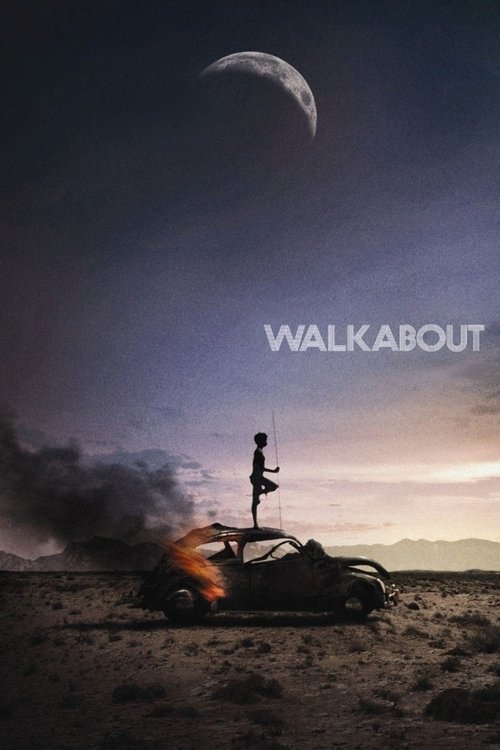
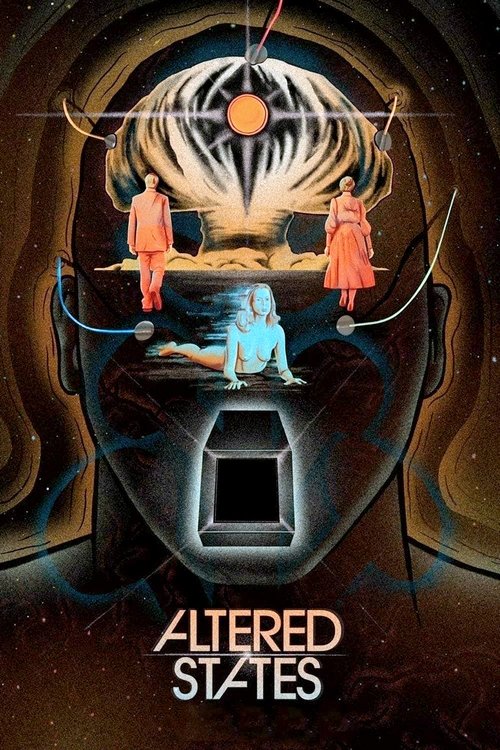

The suite format is the most underused structure in rock
Side one of Atom Heart Mother demonstrated that a rock band could sustain a single arc for twenty-three minutes without it feeling padded or self-indulgent, provided the internal development was real. The suite format forces composers to think in movements rather than verses, to earn transitions rather than cut away from them. Almost no one has done it as well since, which makes the few who tried, whether on Close to the Edge or in Echoes from Meddle, feel like members of a very small club.
Books for the Long-Form Mind
Fiction and nonfiction that match the album's patience and interior scale


Pink Floyd's pre-Dark Side records are the better half of their catalog
Dark Side and Wish You Were Here are immaculate albums, but their perfection is part of the problem: they have been so thoroughly absorbed into mass culture that it's nearly impossible to hear them freshly. Atom Heart Mother, Meddle, and Ummagumma still have their rough edges intact. The choir on the suite sounds slightly wrong in a way that is entirely correct. The seams are visible. That visibility is what makes them feel alive rather than monumental.
A Decade of Progressive Ambition: 1968 to 1978
- 1968A Saucerful of Secrets signals Floyd's move away from Syd Barrett's pop psych toward longer, shapeless forms A Saucerful of Secrets
- 1969In the Court of the Crimson King establishes the vocabulary that progressive rock will spend the decade refining In the Court of the Crimson King
- 1970Atom Heart Mother arrives: the first side-long orchestral rock suite from a major band Atom Heart Mother
- 1971Echoes closes Meddle and becomes Floyd's live centrepiece for years; Yes release The Yes Album Meddle
- 1972Thick as a Brick stretches the suite concept to a full album with satirical precision Thick as a Brick
- 1973The Dark Side of the Moon becomes the decade's defining record; Tangerine Dream release Phaedra The Dark Side of the Moon
- 1975Wish You Were Here eulogises Syd Barrett; Kraftwerk release Autobahn and redirect the decade Wish You Were Here
- 1977Animals strips back the orchestration; punk begins its hostile counter-argument to progressive complexity Animals
- 1978Ambient 1: Music for Airports by Brian Eno carries the drone and spaciousness of the early Floyd into a new form Ambient 1: Music for Airports
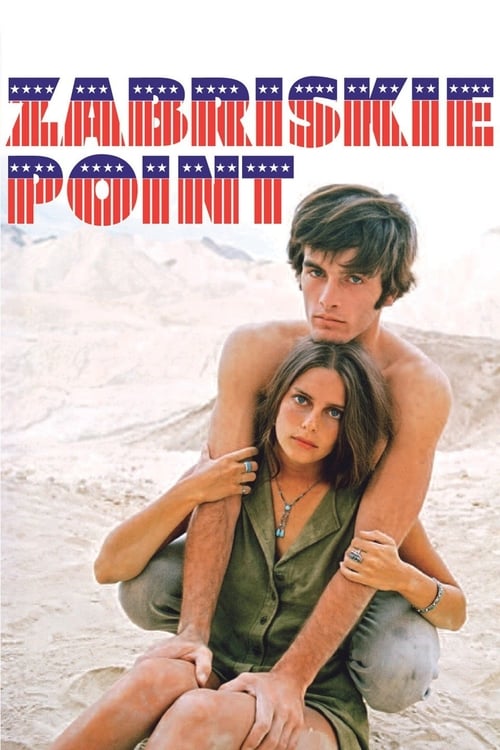
Zabriskie Point is the film this music was made to accompany
Michelangelo Antonioni's 1970 American film is slow, visually arresting, politically blunt, and commercially unsuccessful, which puts it in perfect alignment with Floyd's early 1970s output. The film's final slow-motion explosion sequence, accompanied by Floyd music, remains one of cinema's great audio-visual pairings. The band and the director were reaching for the same thing: a way to make destruction feel elegiac rather than exciting.
The orchestral arrangement is where rock showed its real ambition
Hiring Ron Geesin to write the brass and choral parts for the Atom Heart Mother suite was a gamble that paid off precisely because Geesin was not a rock arranger. His instincts came from contemporary classical music and he treated the ensemble not as accompaniment but as a co-equal voice. The result is an arrangement that argues with the guitars rather than supporting them. That friction is the whole point, and it's what separates the album from the smoother orchestral pop that filled the early 1970s.