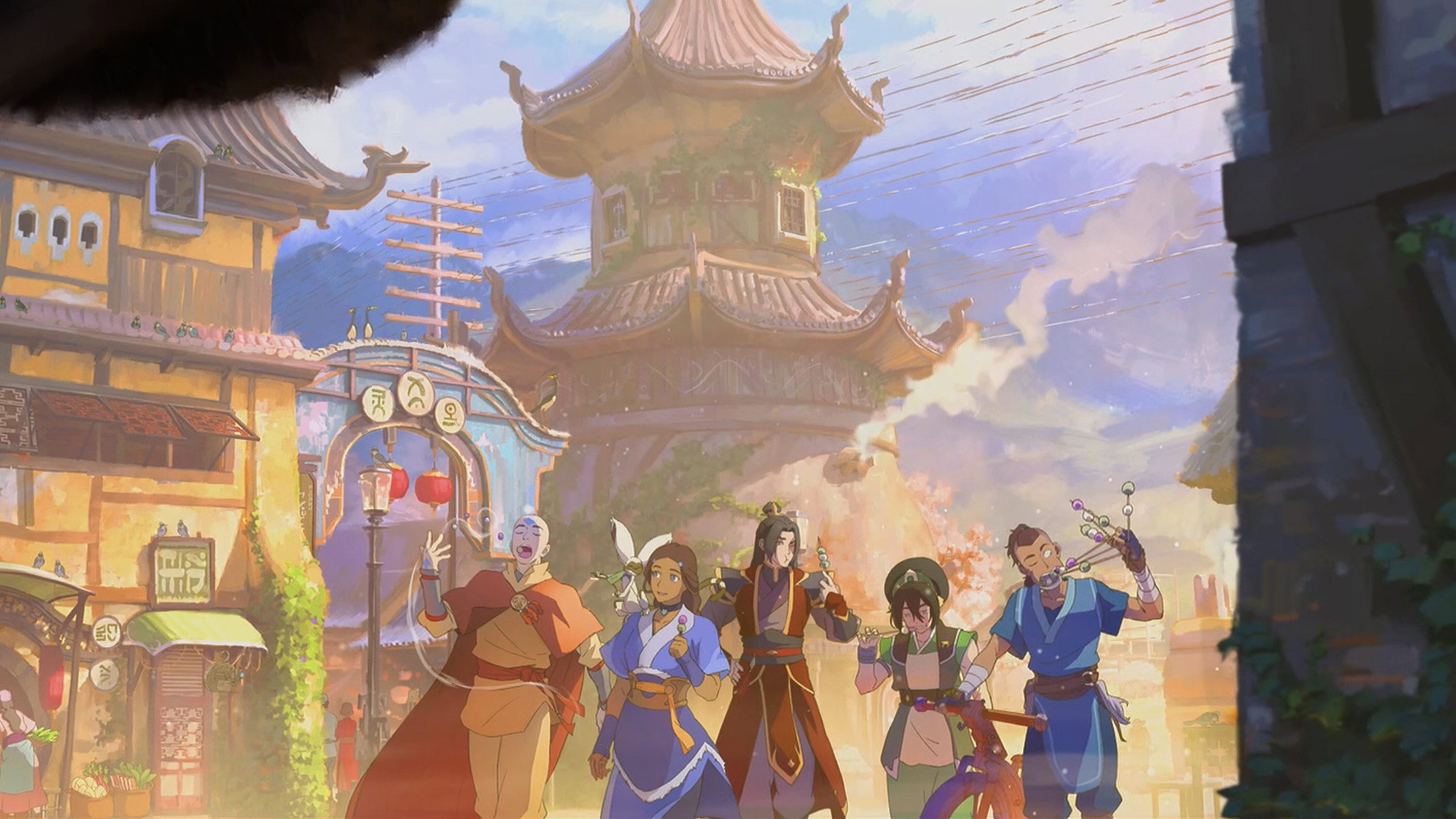

Avatar: The Last Airbender (2005-2008) is one of the most complete pieces of serialized storytelling ever made in any medium. Across three seasons it follows Aang, a twelve-year-old monk who is also the Avatar, the one person capable of mastering all four elemental arts and ending a century-long war of imperial conquest. What the show does that almost nothing else does: it refuses to let its characters be symbols. Zuko, the exiled Fire Nation prince pursuing Aang, is given as much interiority as the hero. Villains earn their menace because the show respects the logic of ideology and trauma. The world-building draws on Chinese, Tibetan, Inuit, and South Asian visual and spiritual traditions with unusual specificity. The score by Jeremy Zuckerman and Benjamin Wynn is a genuine piece of cross-cultural composition. And the ending, across a four-part finale, pays off every thread the show planted in episode one. If you love it, you are chasing a very specific feeling: the sense that a story is taking you seriously, building toward something real, and trusting you to sit with moral complexity without resolving it cheaply.
The Avatar Saga Itself
The original series and its direct sequel, the complete animated canon

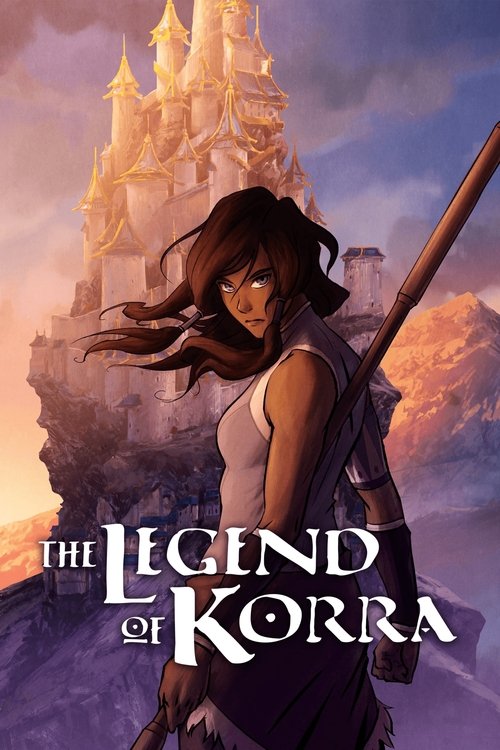


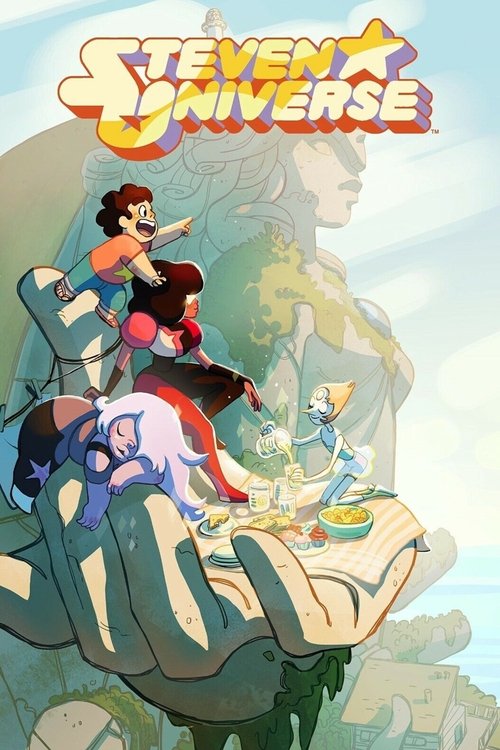
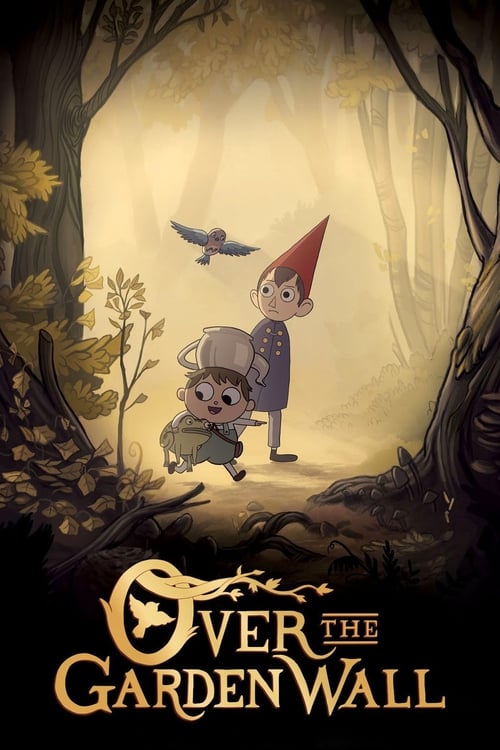
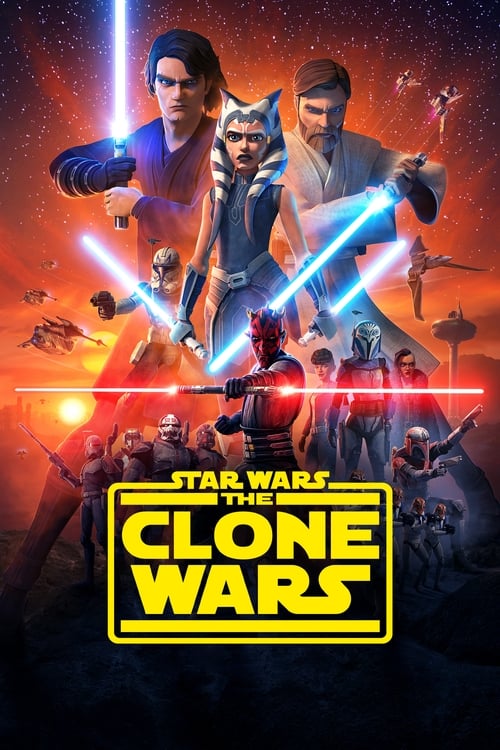
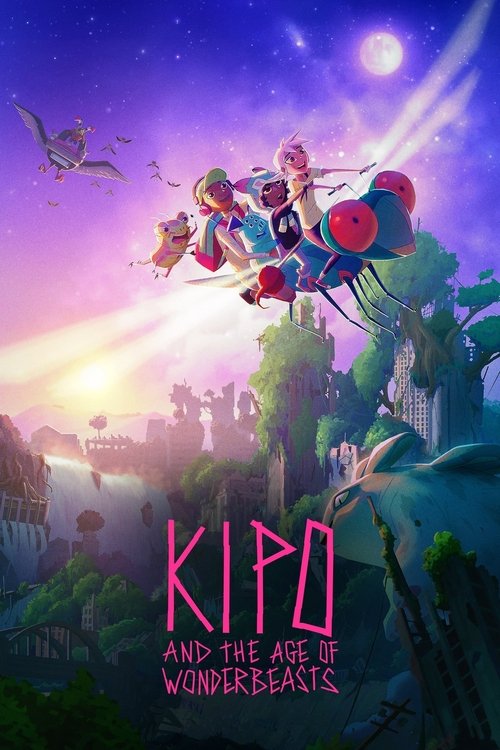
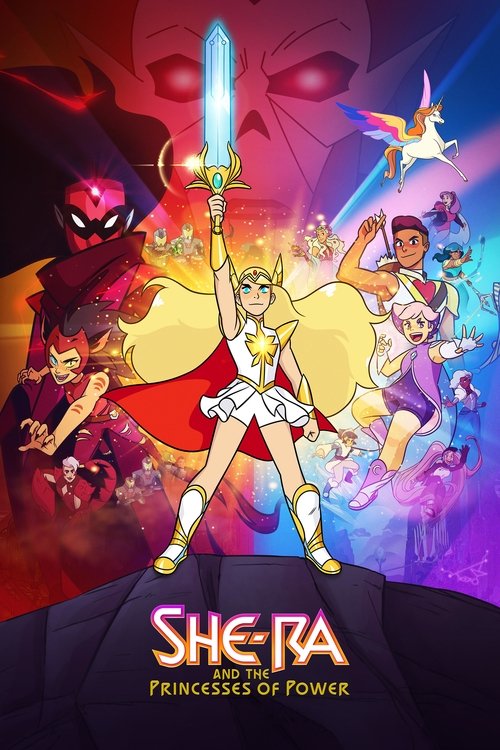
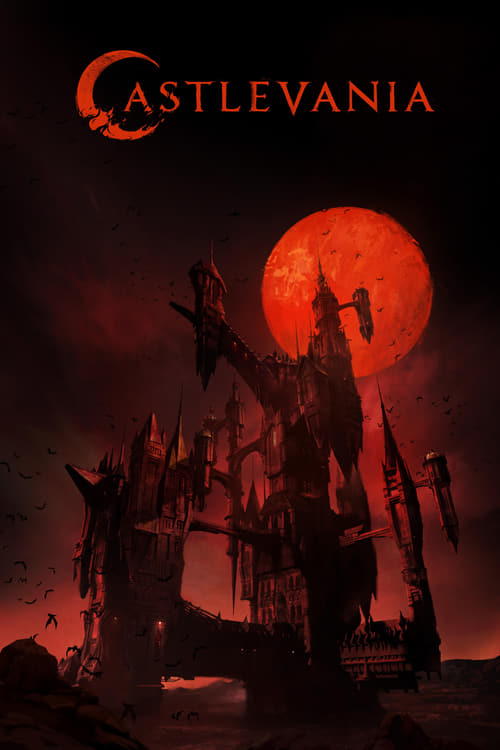
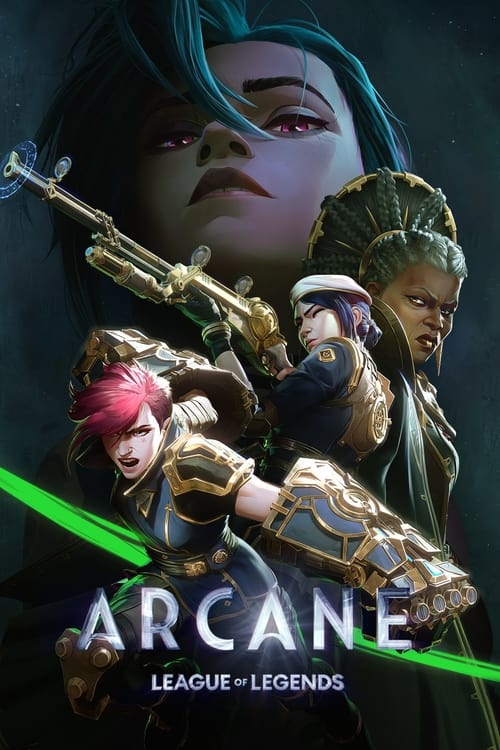
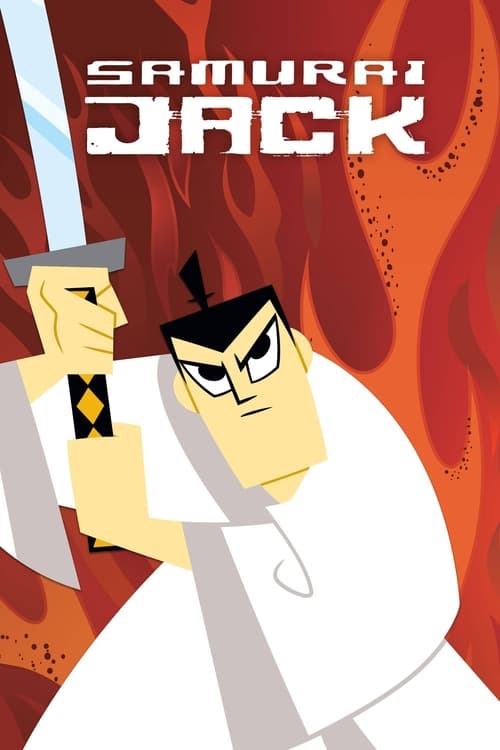
Animated Series With the Same Moral Depth
Shows that treat their audiences as capable of sitting with hard questions

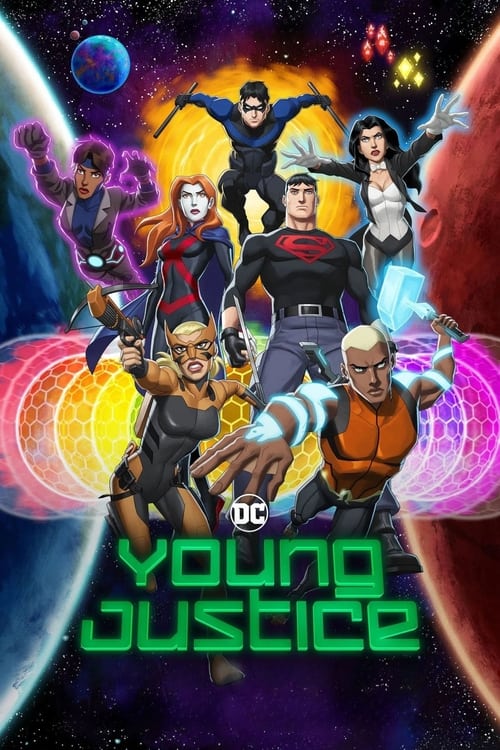
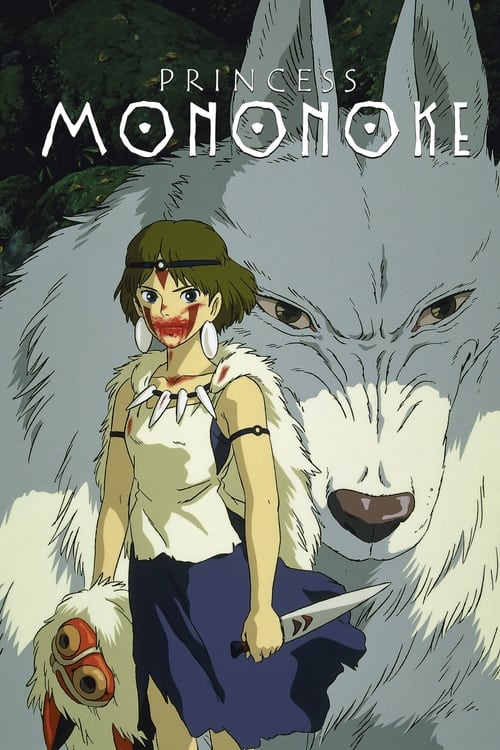
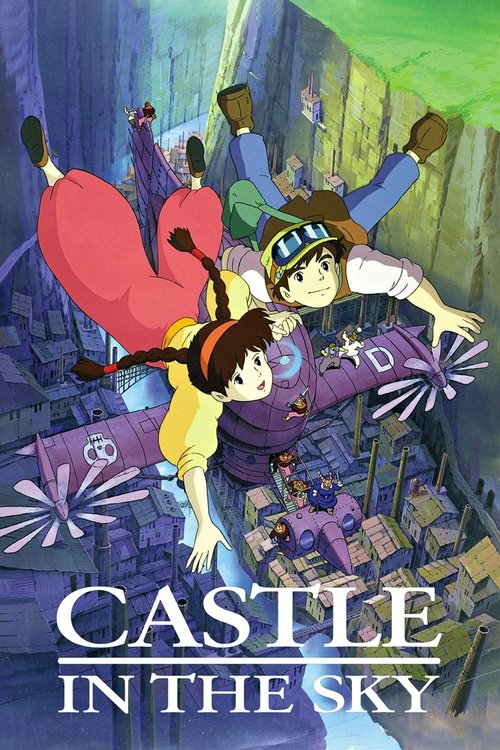
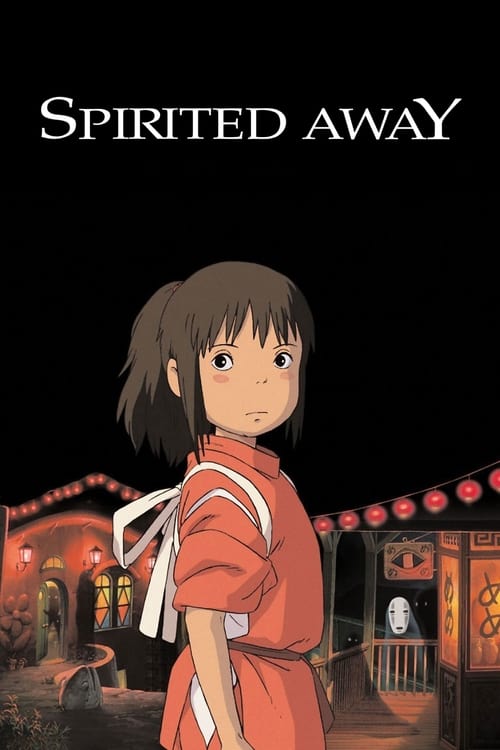
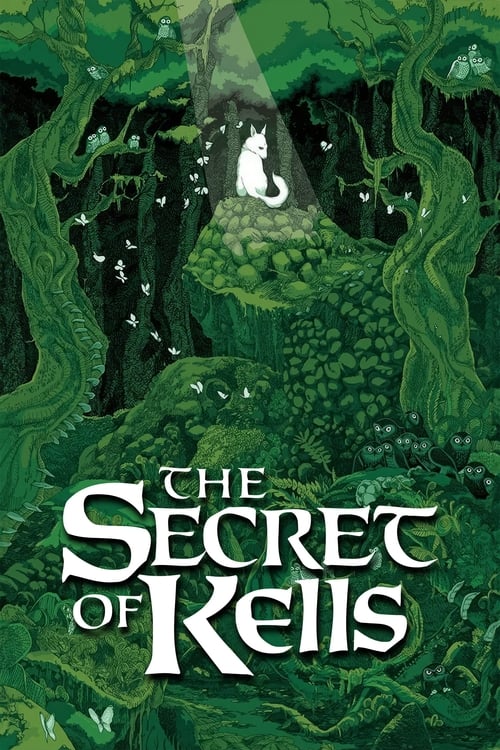
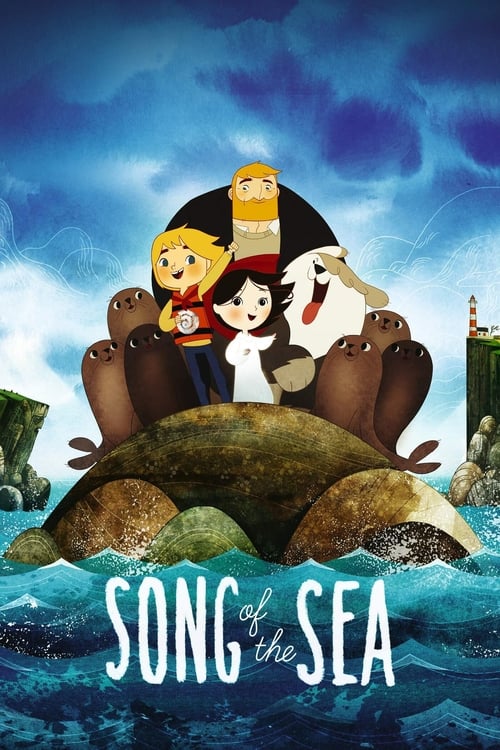
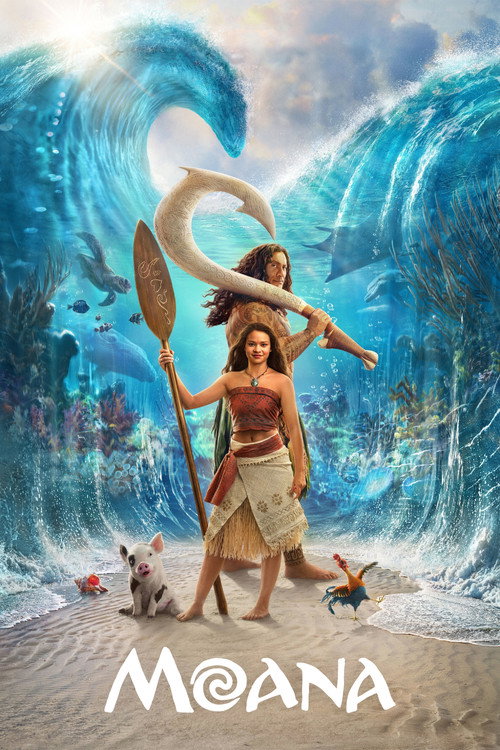
Films That Carry the Same Spirit
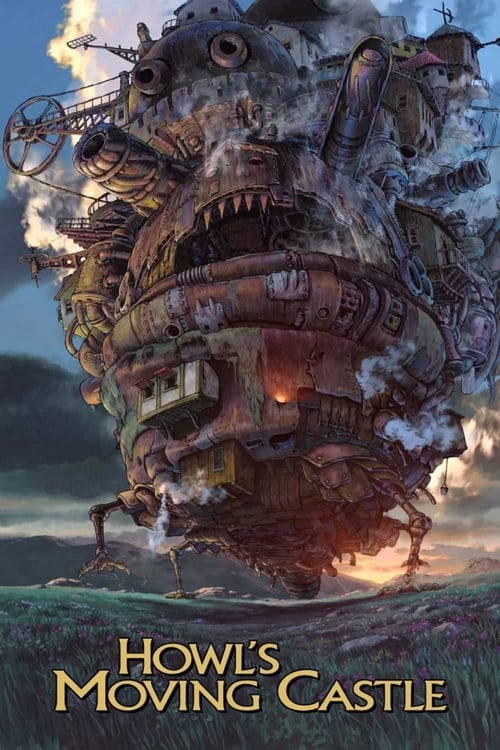
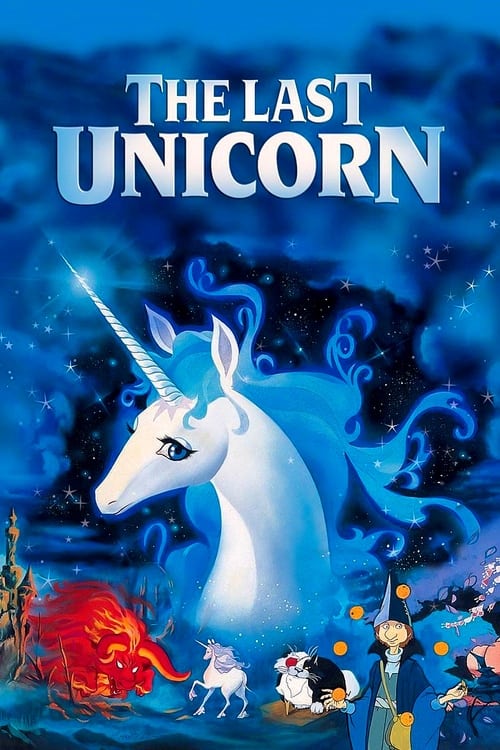
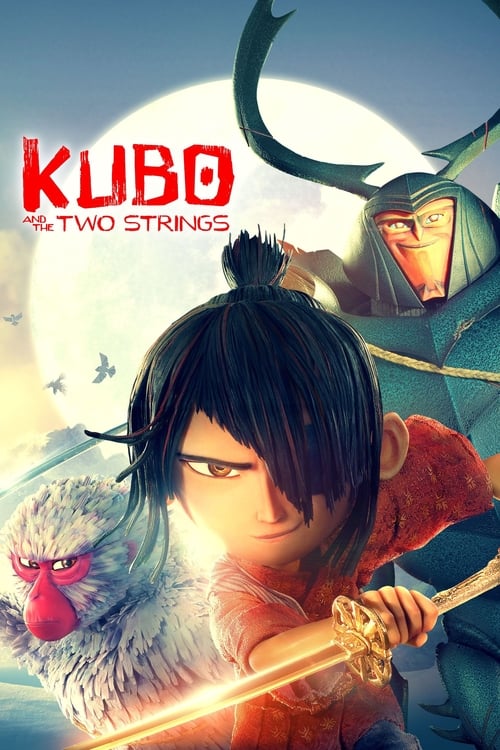
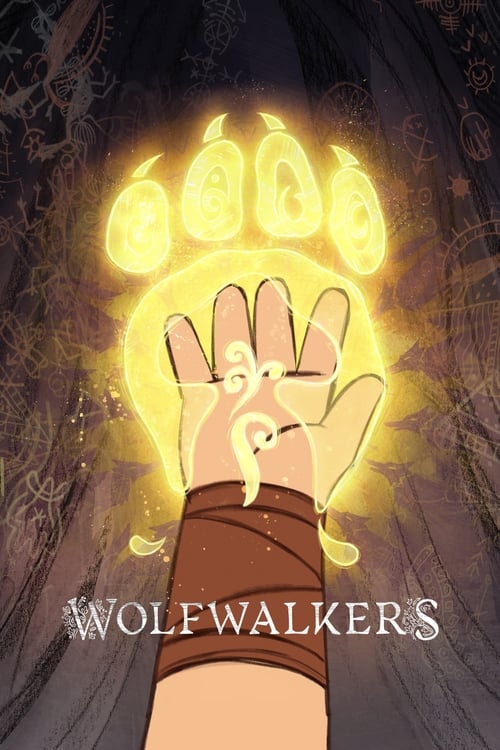
Animation and live-action films built on the same foundations: elemental wonder, earned stakes, and real loss
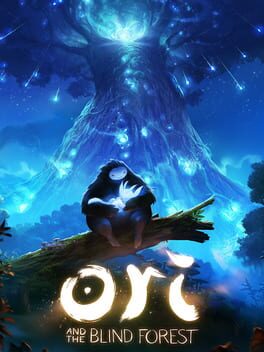
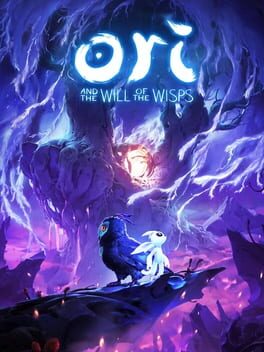
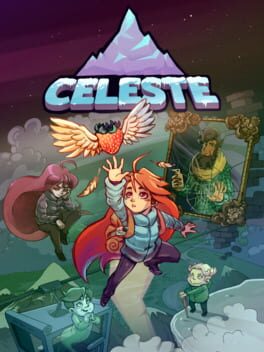
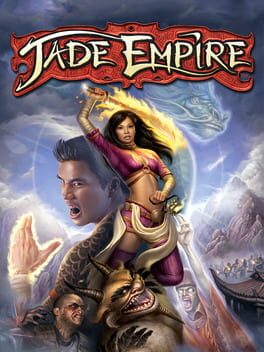
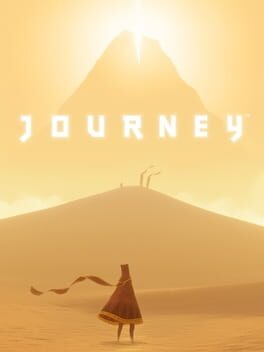
Games Where Mastery and Morality Intertwine
Games that give combat a weight of consequence and let you grow into the world


Books That Build Worlds With the Same Specificity
Fantasy and young adult novels where the world-building is genuinely earned and the characters carry real grief


Zuko Is One of the Greatest Character Arcs in Television
Not in animation. In television, full stop. Over three seasons, Zuko moves from antagonist to antihero to hero without a single step feeling unearned. The show never asks you to forget what he did; it asks you to watch what it costs him to choose differently. The moment in the season three premiere when he makes his decision is a payoff three years in the making. Almost no prestige drama has done it better.
The Live-Action Netflix Remake Is Worth Watching, With Reservations
The 2024 Netflix series is a competent and occasionally beautiful adaptation that gets the visual world largely right. Where it struggles is in compression: the original's slow-burn character development is condensed into a pace that flattens Zuko especially. Watch it as a supplement, not a replacement. It is genuinely better than the 2010 M. Night Shyamalan film, which remains one of the worst book-to-screen adaptations of its era.

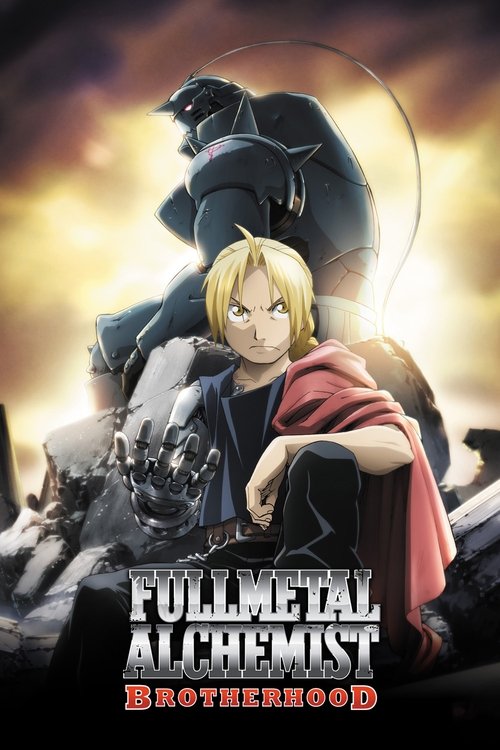
Fullmetal Alchemist: Brotherhood Is the Closest Peer
If Avatar is the best American animated series of its decade, Fullmetal Alchemist: Brotherhood is its closest peer across either medium. Both shows use genre trappings (elemental magic, alchemy) to drive stories about imperialism, genocide, and the cost of power. Both have ensemble casts where no one is simply a foil. Both earn their endings. The difference is tone: Brotherhood is darker, more explicitly philosophical. Start Avatar first. Come here next.
A World Built Across Two Decades
- 2005Avatar: The Last Airbender premieres on Nickelodeon. Book One: Water. Avatar: The Last Airbender
- 2006Book Two: Earth airs, widely considered the peak of the series.
- 2008Book Three: Fire concludes with the four-part 'Sozin's Comet' finale. Avatar: The Last Airbender
- 2010M. Night Shyamalan's live-action film adaptation releases to near-universal criticism. The Last Airbender
- 2012The Legend of Korra premieres, set 70 years after the original. The Legend of Korra
- 2014The Legend of Korra concludes after four books, ending with a landmark moment for animated television. The Legend of Korra
- 2019F.C. Yee's The Rise of Kyoshi expands the lore into canonical novel form. The Rise of Kyoshi
- 2020The Shadow of Kyoshi continues the Kyoshi saga.
- 2024Netflix releases its live-action adaptation of the original series. Avatar: The Last Airbender
The show's greatest trick is making you believe in the world before it asks you to care about what happens in it. By the time the stakes arrive, you are already inside.CrossBinge