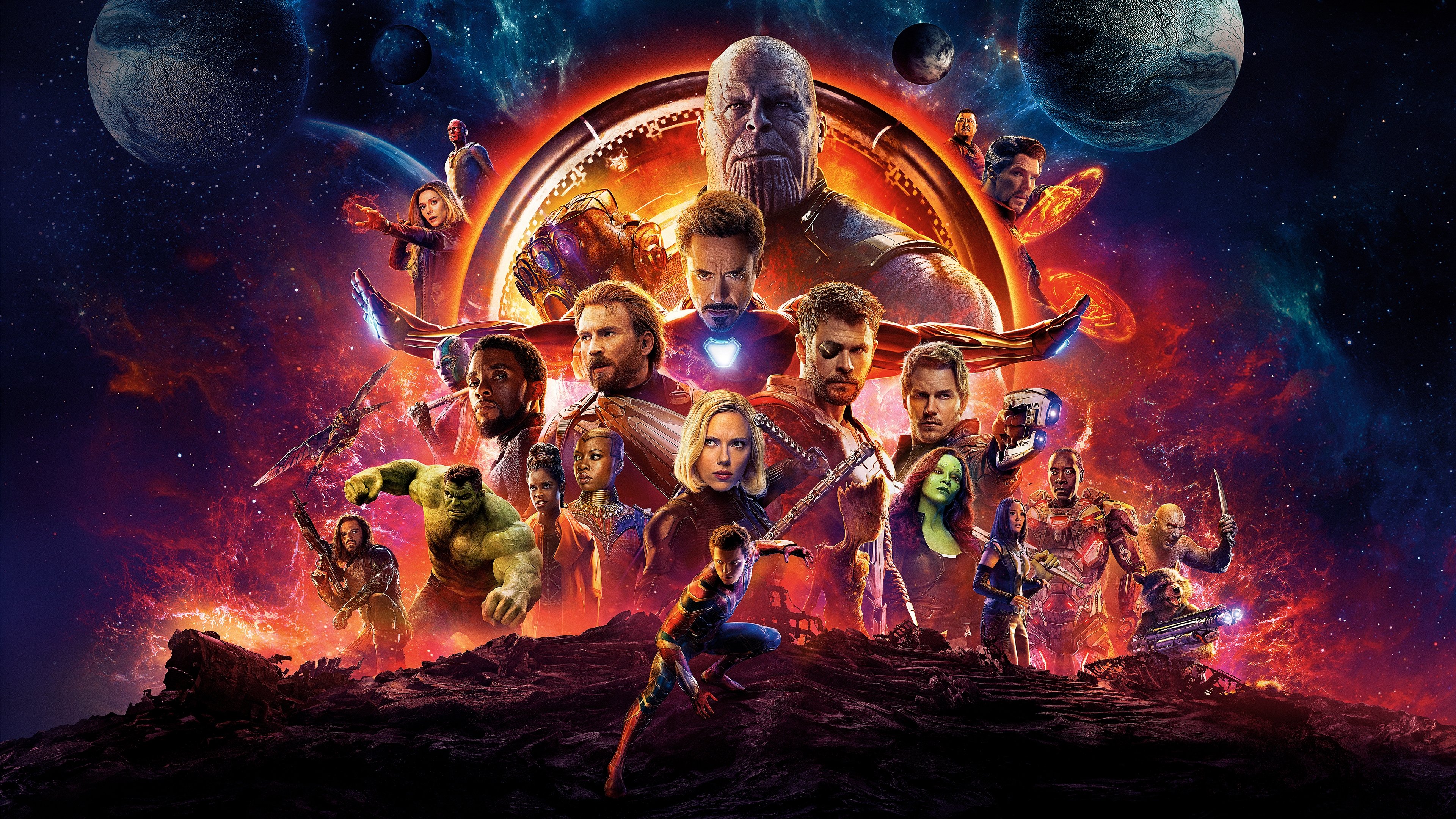

Avengers: Infinity War (2018) does something that blockbusters almost never attempt: it lets the villain win. Thanos is not a cackling obstacle but a true ideological force, and the film earns its gut-punch ending by spending 160 minutes making you believe every character you love might actually die. What fans chase across every medium is that specific cocktail: genuinely high stakes, a threat that cannot be punched away, ensemble casts where each piece matters, and a score that swells with cosmic grandeur. This guide follows that thread into films, television, games, books, and music.
The Marvel Cinematic Universe: The Essential Arc
The films that build toward and away from Infinity War, each one a chapter in the largest serialized story in cinema history.
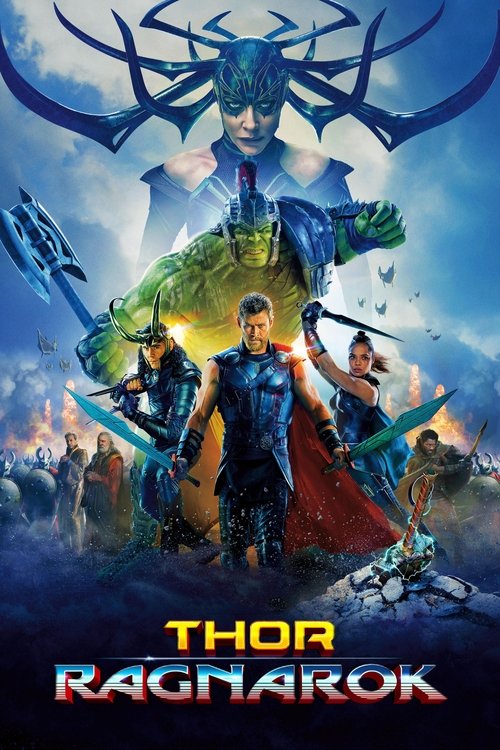
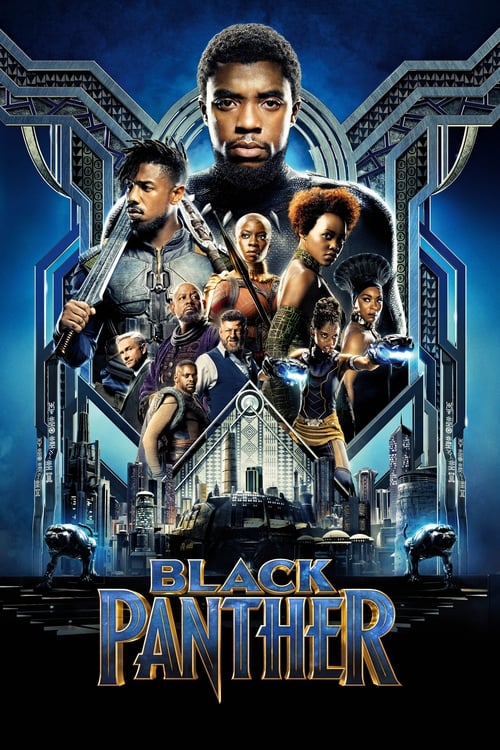
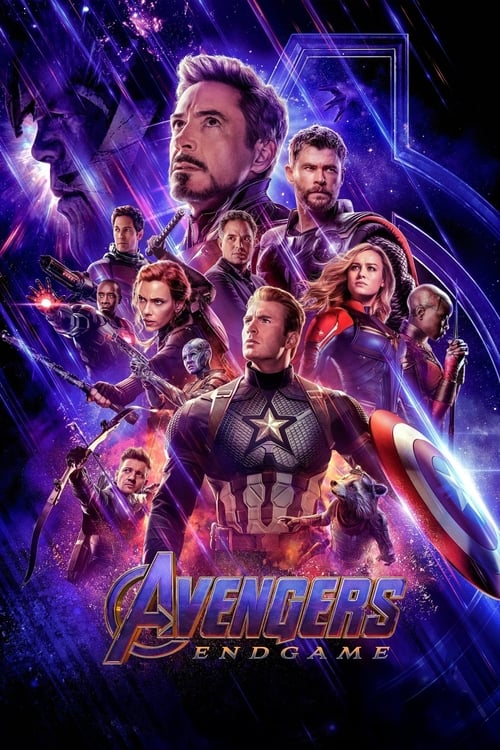
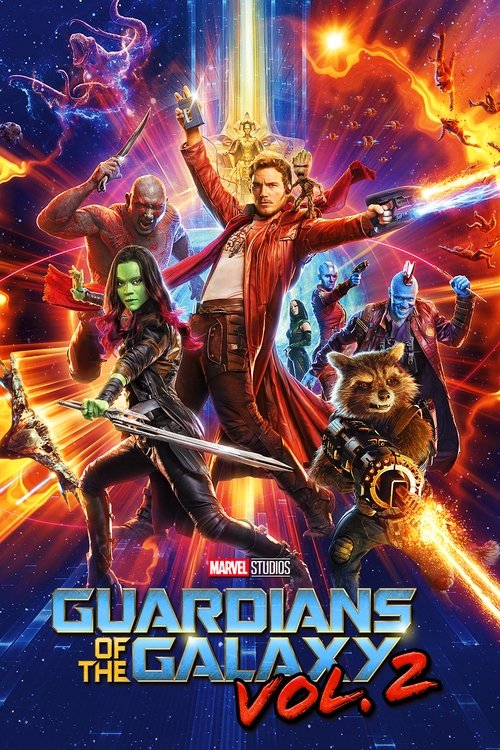
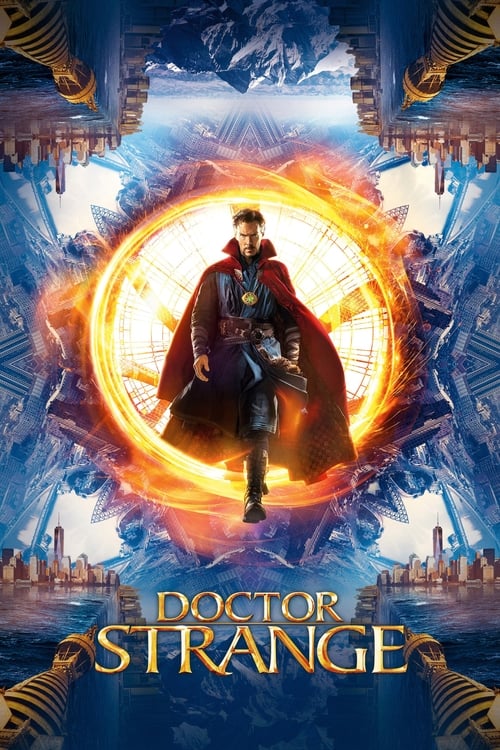
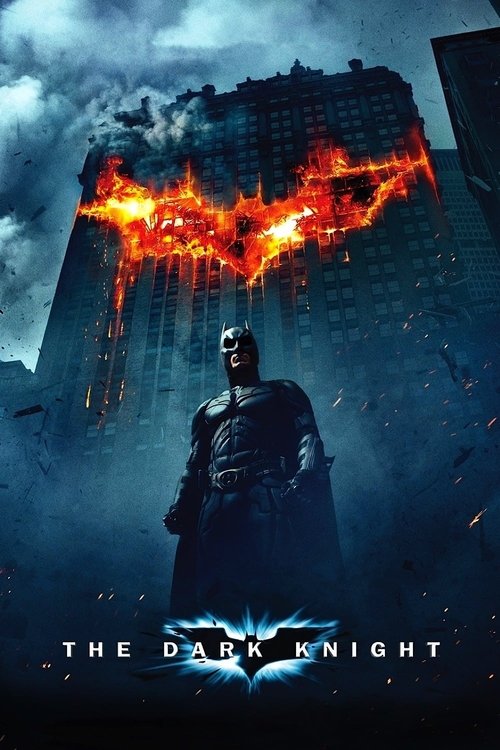
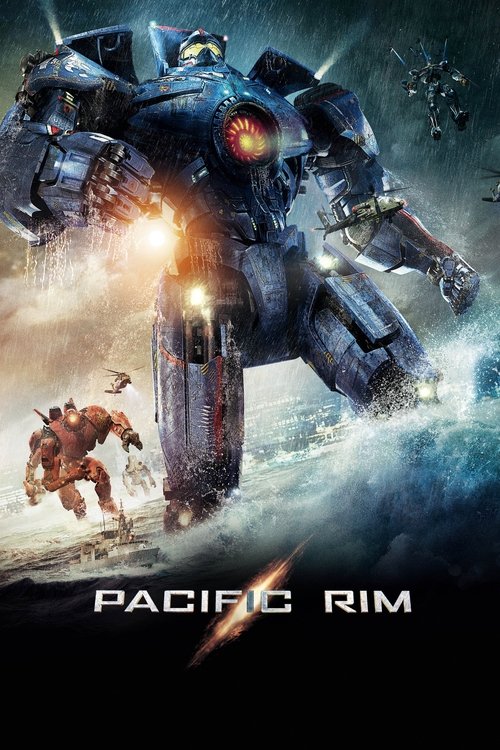
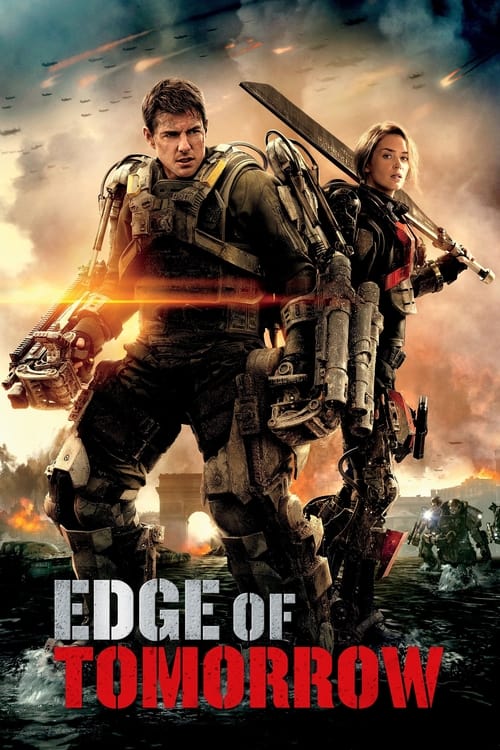
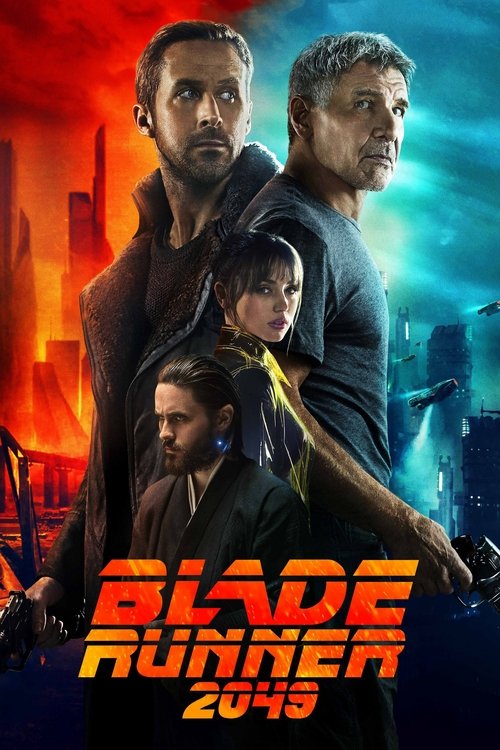
Ensemble Epics with Cosmic Scope
Films that juggle sprawling casts, impossible odds, and the kind of scale that makes individual moments feel earned.
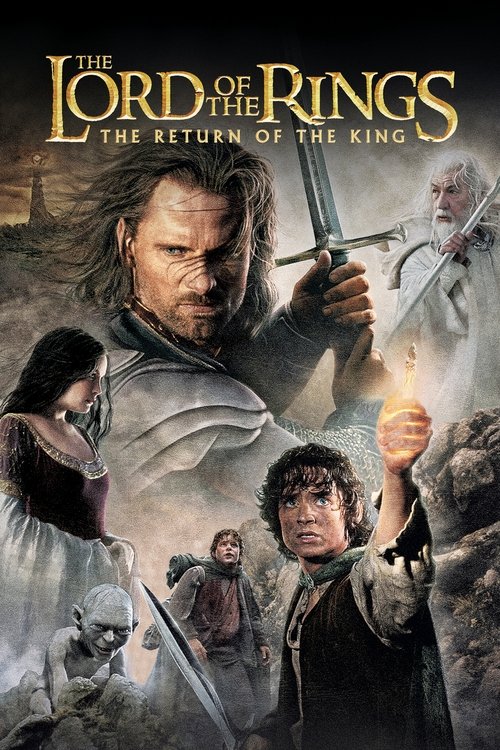
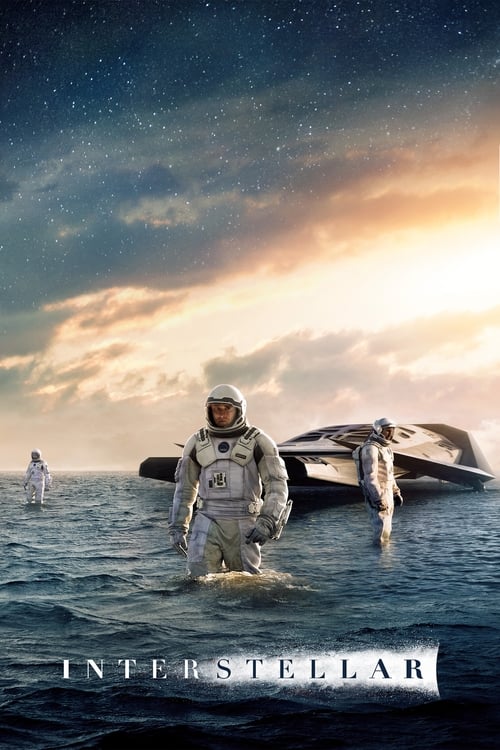
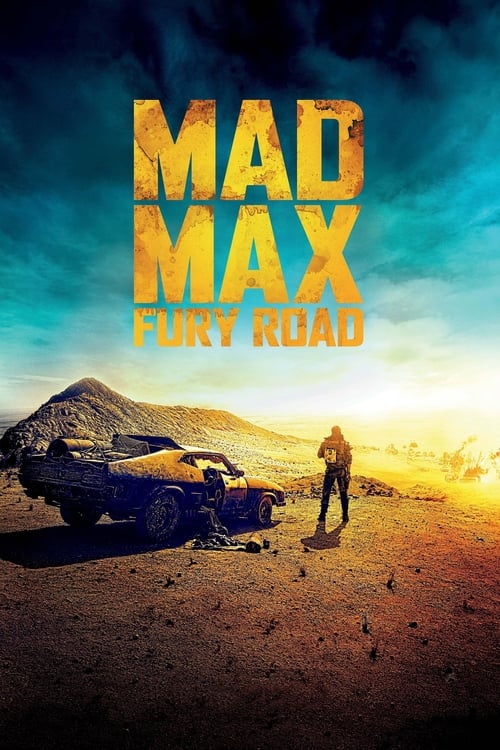
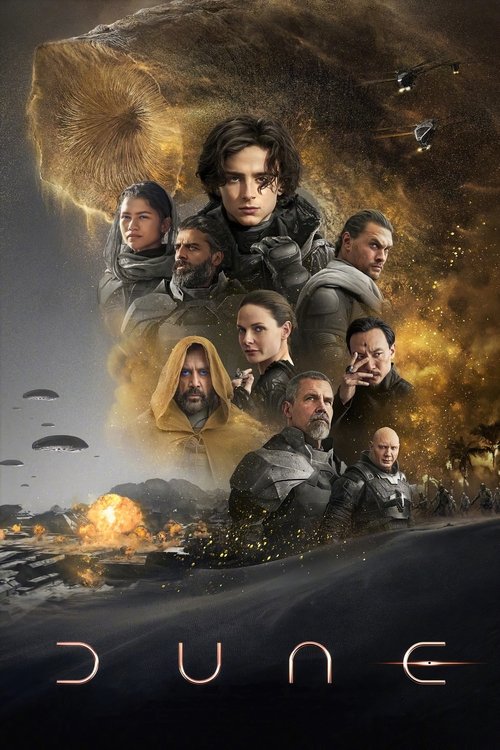
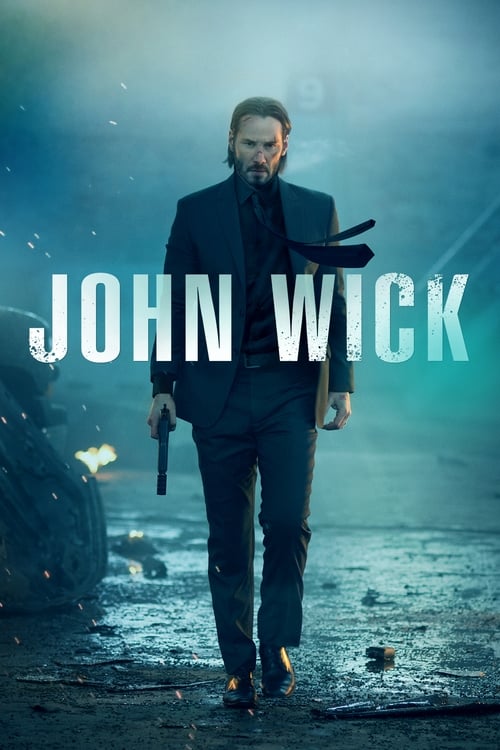
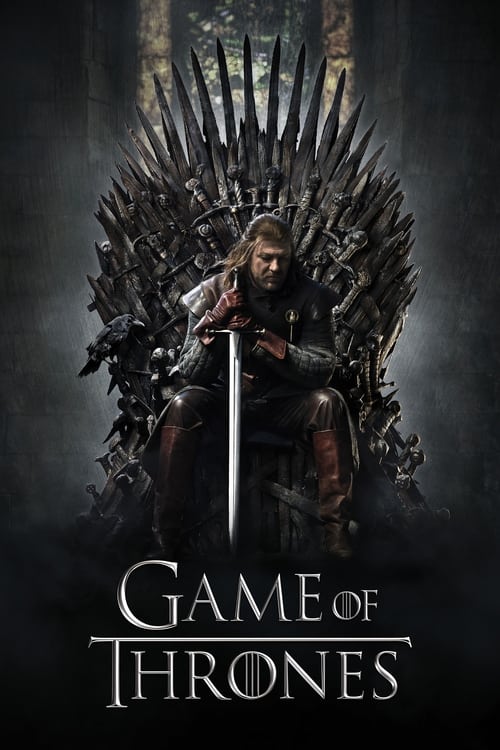
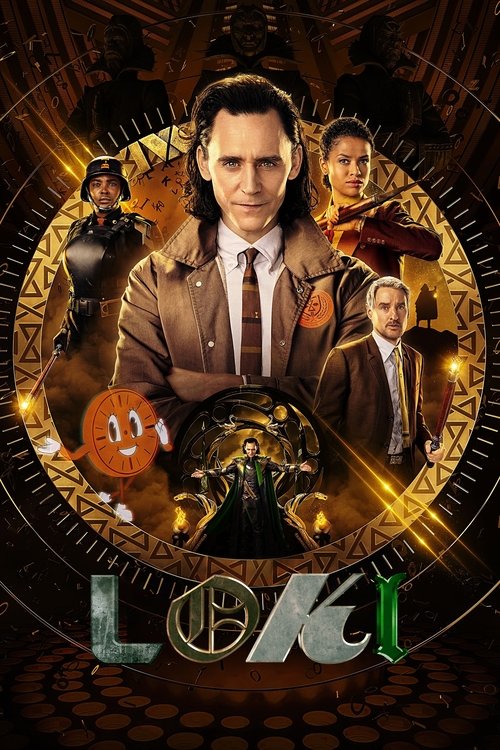
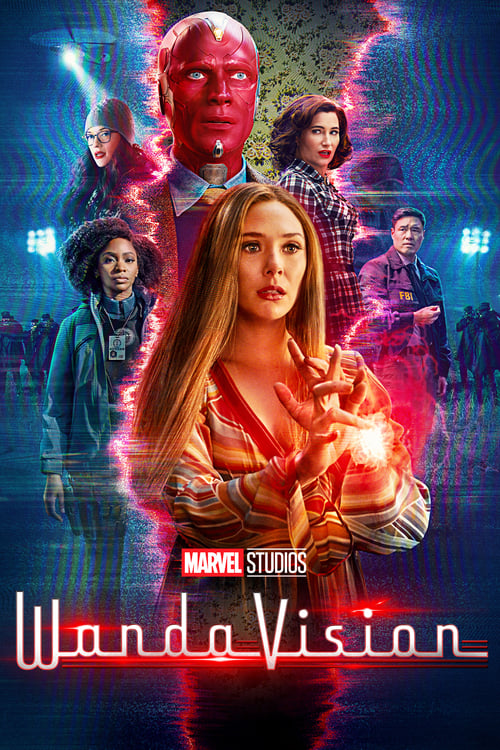
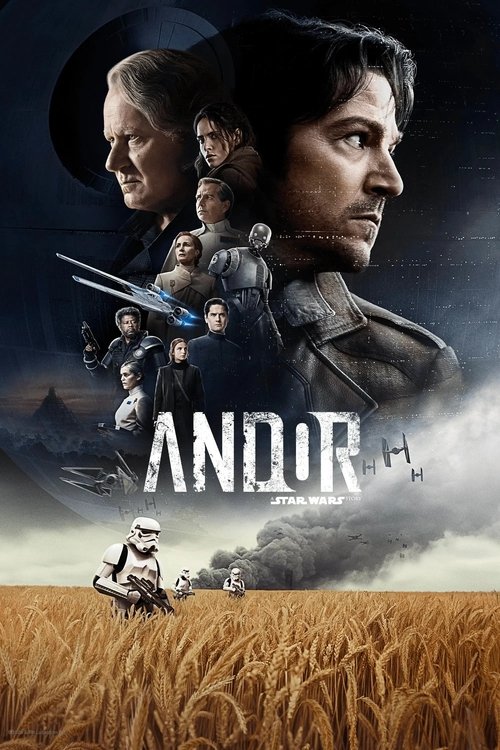
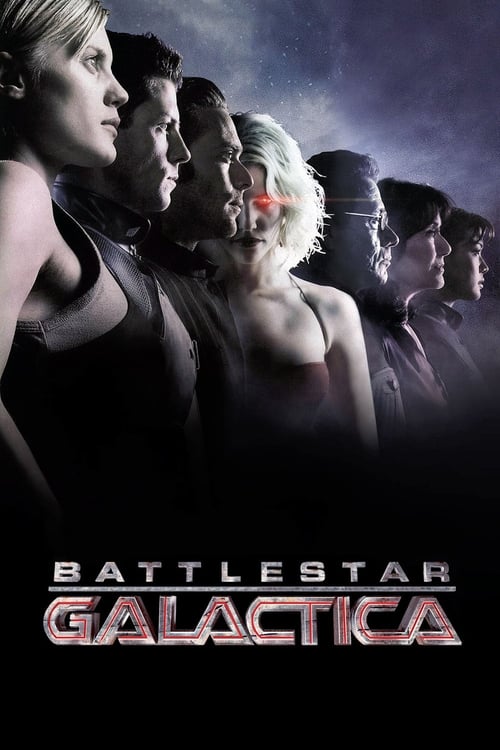
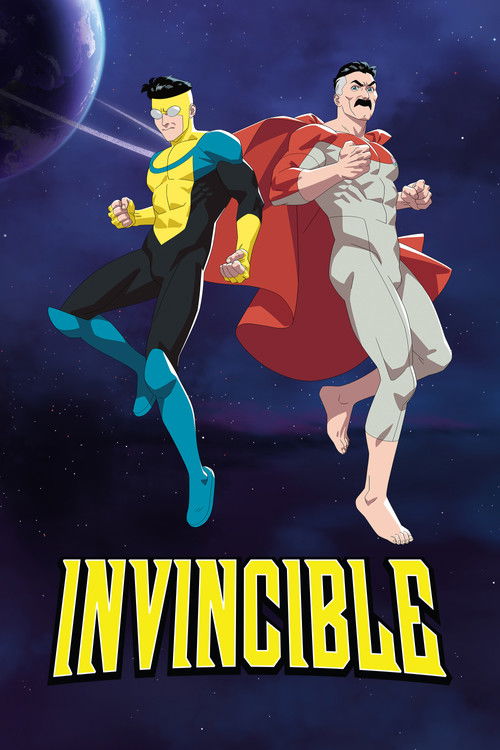
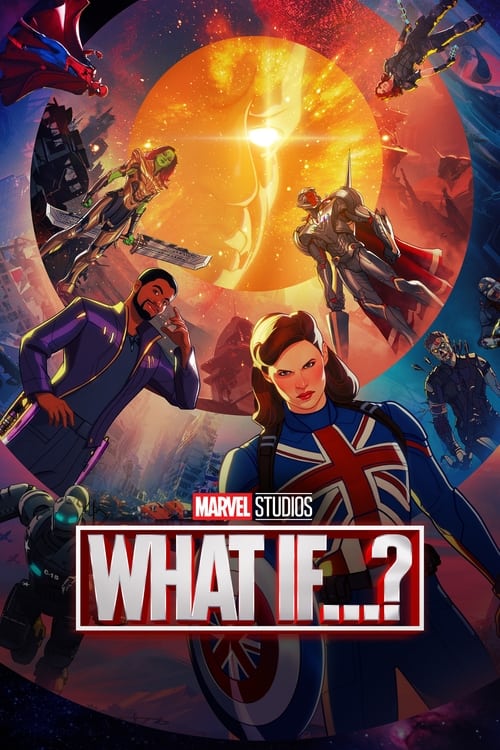
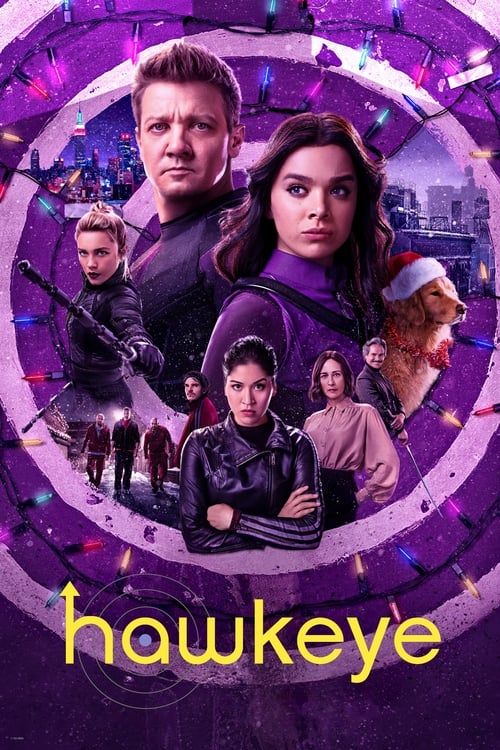
Television: Serialized Worlds Where Stakes Are Real
Series that carry the same conviction that no character is safe and that the consequences of each episode accumulate.


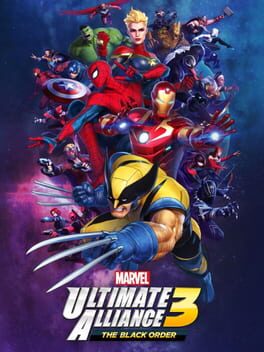
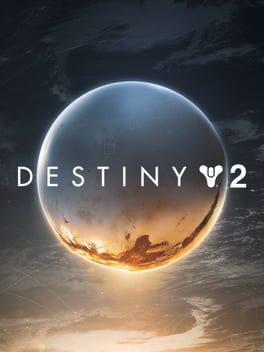
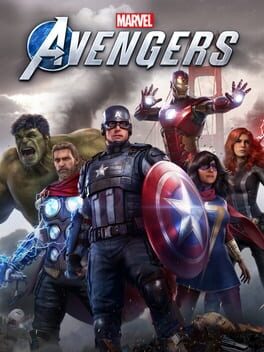
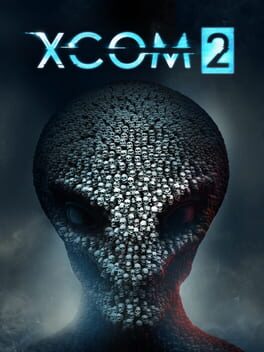
Games: Impossible Odds and Cosmic Conflict
Games that put you inside an overwhelmed hero, fighting forces that feel genuinely larger than any one person.

Books: The Source and the Cosmic Shelf
From the comics that seeded Thanos to novels exploring sacrifice, fate, and the weight of impossible choices.


The Russo Brothers Solved the Ensemble Problem
Most films with a cast this large collapse under the weight of servicing everyone. The Russos avoid that trap by giving each character a clear want in this specific story, not just their overall arc. Tony wants to stop the threat. Thor wants revenge. Quill wants to protect Gamora. Those simple, immediate goals create genuine conflict and allow the film to cut between dozens of characters without losing the thread. It is a structural achievement as much as a spectacle one.
Thanos Works Because He Believes He Is the Hero
The most effective antagonists are the ones who have a coherent, even internally logical worldview. Thanos does not destroy for sport; he destroys because he is convinced he is saving the universe from itself. That conviction, delivered through Josh Brolin's performance and the film's refusal to simply dismiss his reasoning, is what makes the ending land as tragedy rather than spectacle. Fans drawn to that kind of villain will find the same energy in Killmonger, in Breaking Bad's Walter White, and in God of War's Baldur.
The Snap Is the Rarest Thing in Blockbuster Cinema: a Permanent Consequence
Hollywood trains audiences to expect that the hero wins at the end. Infinity War violates that contract completely, and the silence in theaters on opening weekend was the sound of audiences processing a genuine loss. The film holds that ending without a post-credits wink that everything will be fine. It trusts its audience to sit with despair. That willingness to let the story breathe in its darkest moment is something shared by The Empire Strikes Back and Game of Thrones at its best.
The Road to Infinity War: A Decade of Setup
- 2008The experiment begins with a post-credits scene most theaters stayed to watch. Iron Man
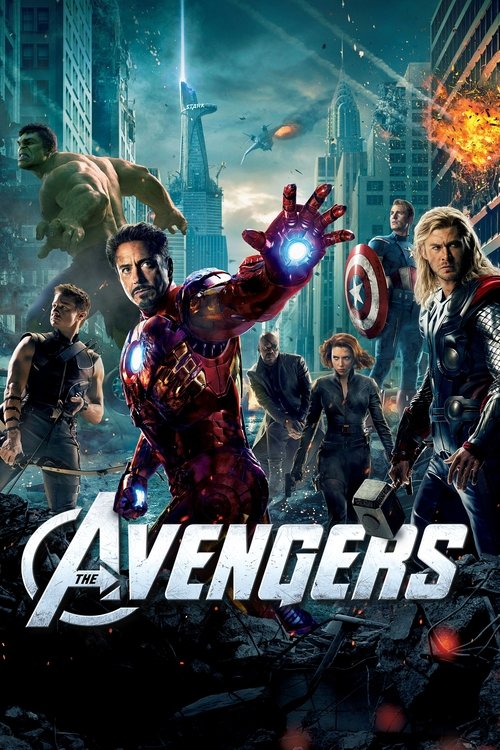
- 2012The assembled team concept is proven viable at blockbuster scale. The Avengers
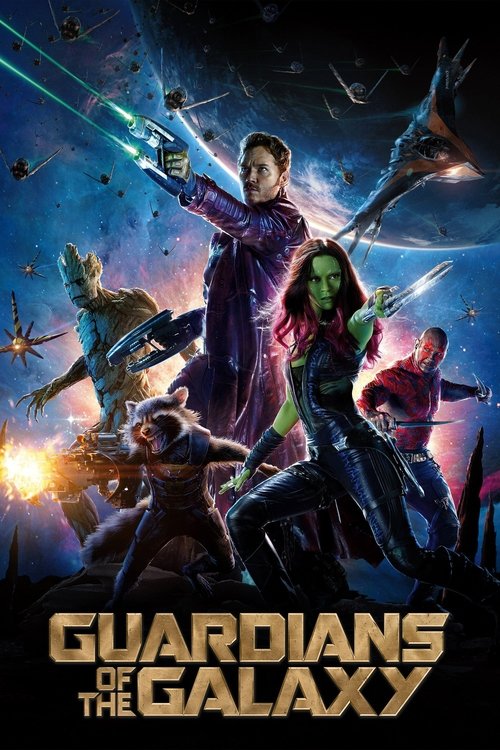
- 2014Cosmic expansion: the Infinity Stones enter the wider MCU. Guardians of the Galaxy
- 2015The ensemble fractures for the first time. Avengers: Age of Ultron
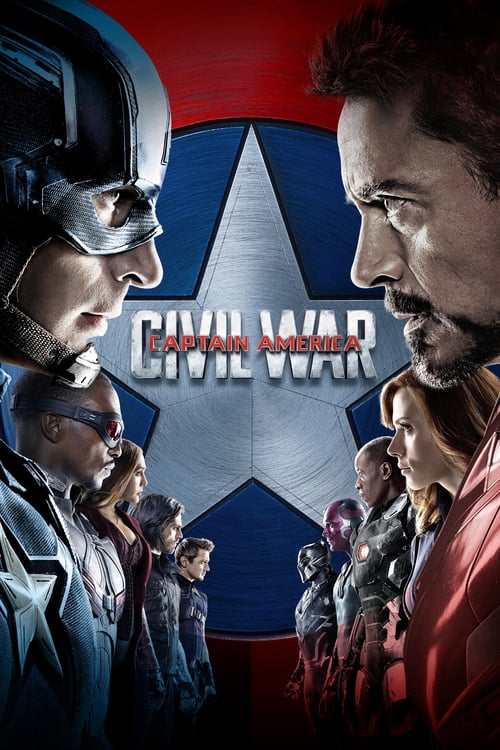
- 2016The fracture deepens; every friendship is stress-tested. Captain America: Civil War
- 2018Ten years of threads converge. Thanos collects the final Stone. Avengers: Infinity War
- 2019The survivors attempt to undo the undoable. Avengers: Endgame
Perfectly balanced, as all things should be.Thanos, Avengers: Infinity War (2018)