
Back in Black arrived in 1980 as a statement of survival: AC/DC had just lost Bon Scott, and instead of folding, they hired Brian Johnson and recorded the loudest, most unambiguous hard-rock album of the decade. There are no ballads, no apologies, no concept. There is only the locked-in groove of Cliff Williams and Phil Rudd, Malcolm Young's rhythm guitar cut like sheet steel, and Angus Young's leads that feel both inevitable and impossible. The fans who return to it are chasing a specific thing: music that is absolutely certain of itself, where every beat lands exactly where it should, where the energy never tips into chaos but never lets up either. That combination of precision and rawness is harder to find than it looks. This guide follows it across every medium.
Essential AC/DC
The catalog that built the legend, from the Bon Scott era through the Johnson years.
Same Voltage, Different Name
Hard rock and heavy blues albums that share Back in Black's locked groove and no-filler discipline.
The rhythm section is the secret weapon
Most people cite Angus Young when they describe Back in Black's power, and they are not wrong. But the album's real foundation is Phil Rudd's drumming and Malcolm Young's rhythm guitar: locked together so tightly that the groove feels structural, like load-bearing architecture. Rudd plays almost no fills. Malcolm plays almost no leads. The restraint is the statement. Albums like Rocks by Aerosmith and Van Halen's debut understand the same truth: a great hard-rock record is built in the engine room first.
Loud on Screen: Rock Docs and Concert Films
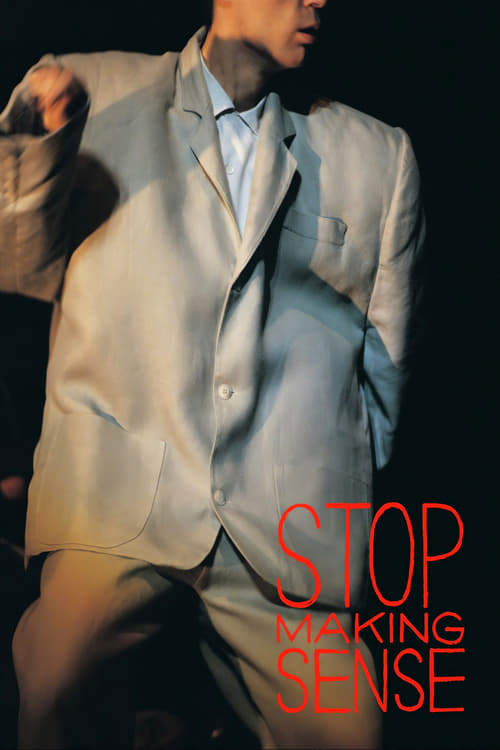
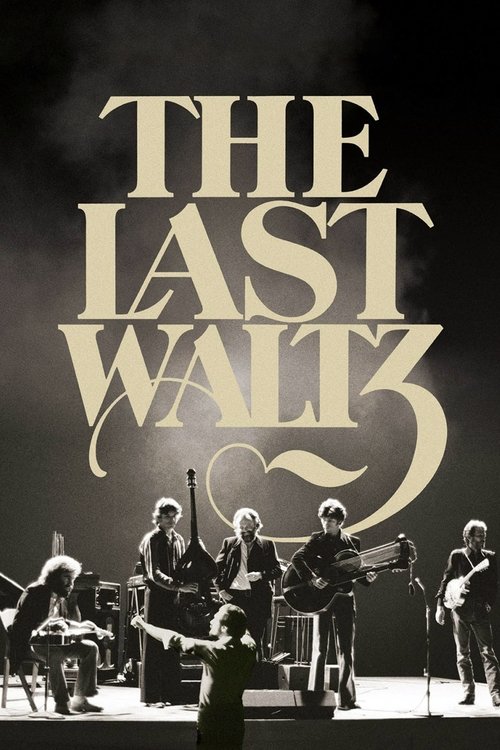
The stage is where AC/DC makes its real argument. These films capture what the studio can only approximate.


Films with Back in Black Energy
Movies and series that run at the same relentless, uncomplicated, high-voltage frequency.



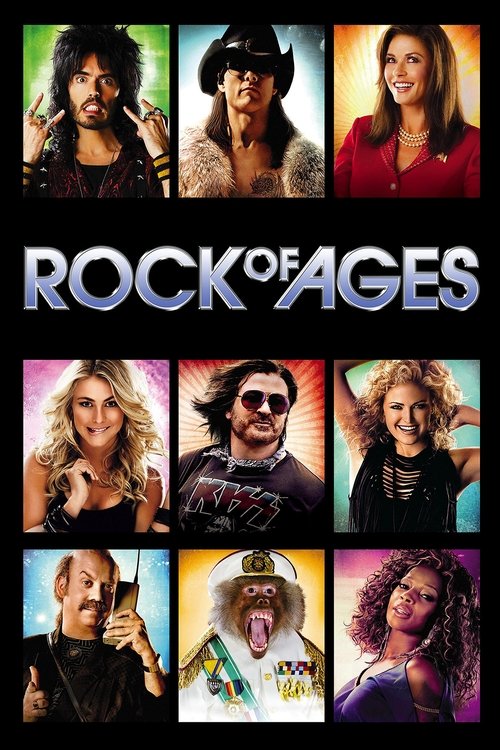

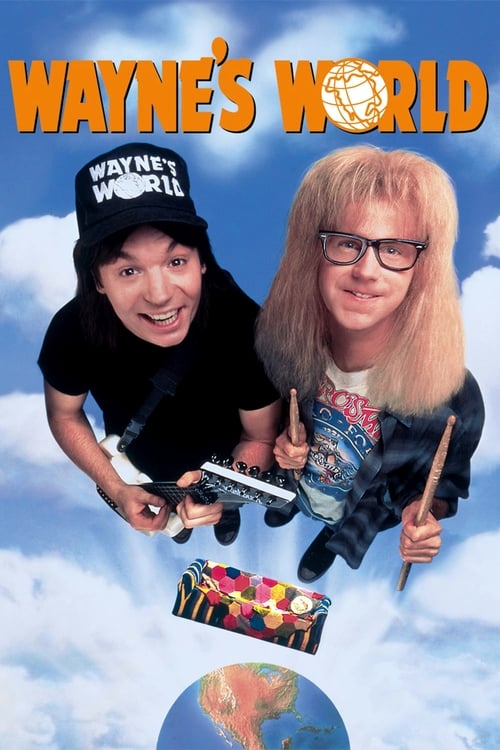
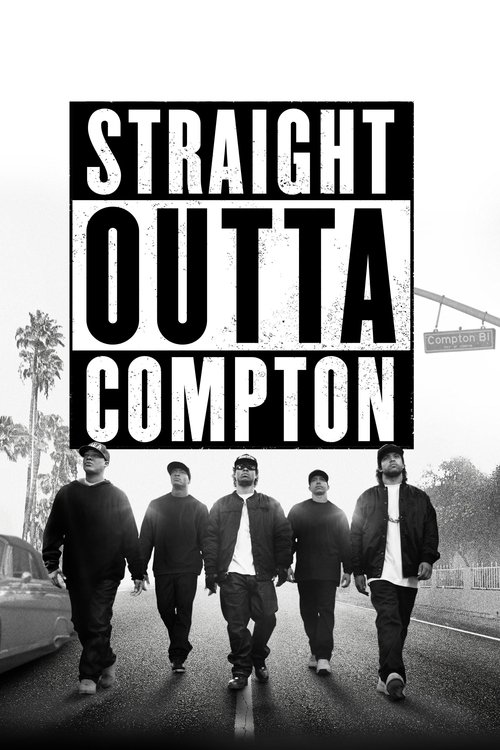
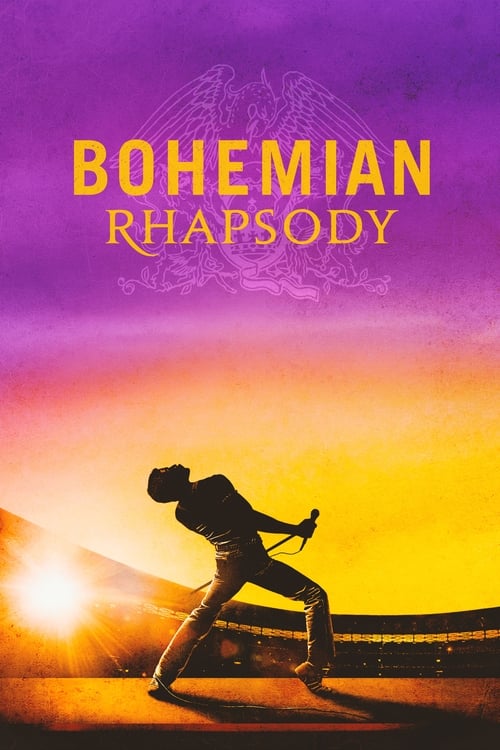
Biopics almost always miss the point
Rock biopics have a structural problem: they need an arc, and great bands often refuse to provide one. The rise, the fall, the redemption, the reunion. AC/DC's actual story is weirder and more interesting than that template allows, which is partly why no major AC/DC biopic exists yet. The films that come closest to capturing what the music actually feels like are not biopics at all. Almost Famous understands the mid-1970s rock world from the inside. This Is Spinal Tap understands the absurdity of the enterprise with more affection than mockery.
Books for the Hard-Rock Reader
Oral histories, scene chronicles, and novels that put you inside the world where this music was made and lived.
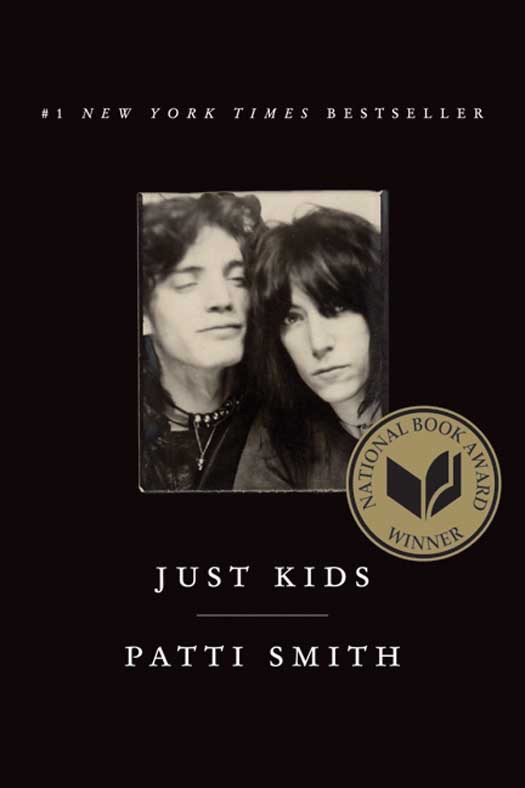


The best rock memoirs are the honest ones
The rock memoir genre is dominated by manufactured outrage and name-dropping. The ones worth reading share a quality with Back in Black itself: they are direct. Keith Richards wrote Life the way AC/DC plays a power chord, with no hedging. Anthony Kiedis in Scar Tissue is genuinely confessional in ways that are uncomfortable, which earns it. The Dirt by Motley Crue is the opposite, a cartoonishly inflated tall tale, but it is at least fully committed to its own absurdity. Commitment is the value that unites good rock writing and good rock music.
The Road to Back in Black
- 1973AC/DC forms in Sydney; the Young brothers establish the school-uniform image and the locked twin-guitar attack from the first rehearsal.
- 1975T.N.T. released in Australia, introducing Bon Scott and the template: short songs, loud guitars, zero fat. T.N.T.
- 1977Let There Be Rock confirms the formula at maximum compression. Eight songs. Twenty-six minutes. No ballads. Let There Be Rock
- 1979Highway to Hell breaks the band internationally, Mutt Lange producing the clearest possible version of the AC/DC sound. Highway to Hell
- 1980Bon Scott dies in February. Brian Johnson auditions in March. Back in Black is recorded in April and May, released in July. Back in Black
- 1981For Those About to Rock We Salute You opens at number one in the US, the first AC/DC album to do so.
- 1990The Razors Edge and the single Thunderstruck bring a new generation to the catalog. The Razors Edge
- 2008Black Ice, their first album in eight years, sells over six million copies in its first month.
- 2020Power Up is dedicated to Malcolm Young, who died in 2017. Phil Rudd is back behind the kit. Power Up
We're not trying to be a part of your life. We're trying to be your life for three minutes.Angus Young
Back in Black is not a heavy metal album
The classification matters because it shapes what you reach for next. Back in Black is a hard-rock album built on blues architecture: 12-bar progressions, shuffle-adjacent feels, guitar tones that clip and crunch rather than sustain and soar. It has almost nothing in common with the concurrent NWOBHM scene (Iron Maiden, Judas Priest) or the emerging thrash movement. Its direct ancestors are Led Zeppelin's Physical Graffiti, Aerosmith's Rocks, and the original Chuck Berry singles. Listeners who treat it as proto-metal tend to be disappointed by where that road leads. Listeners who follow it back toward the blues usually find what they were actually looking for.