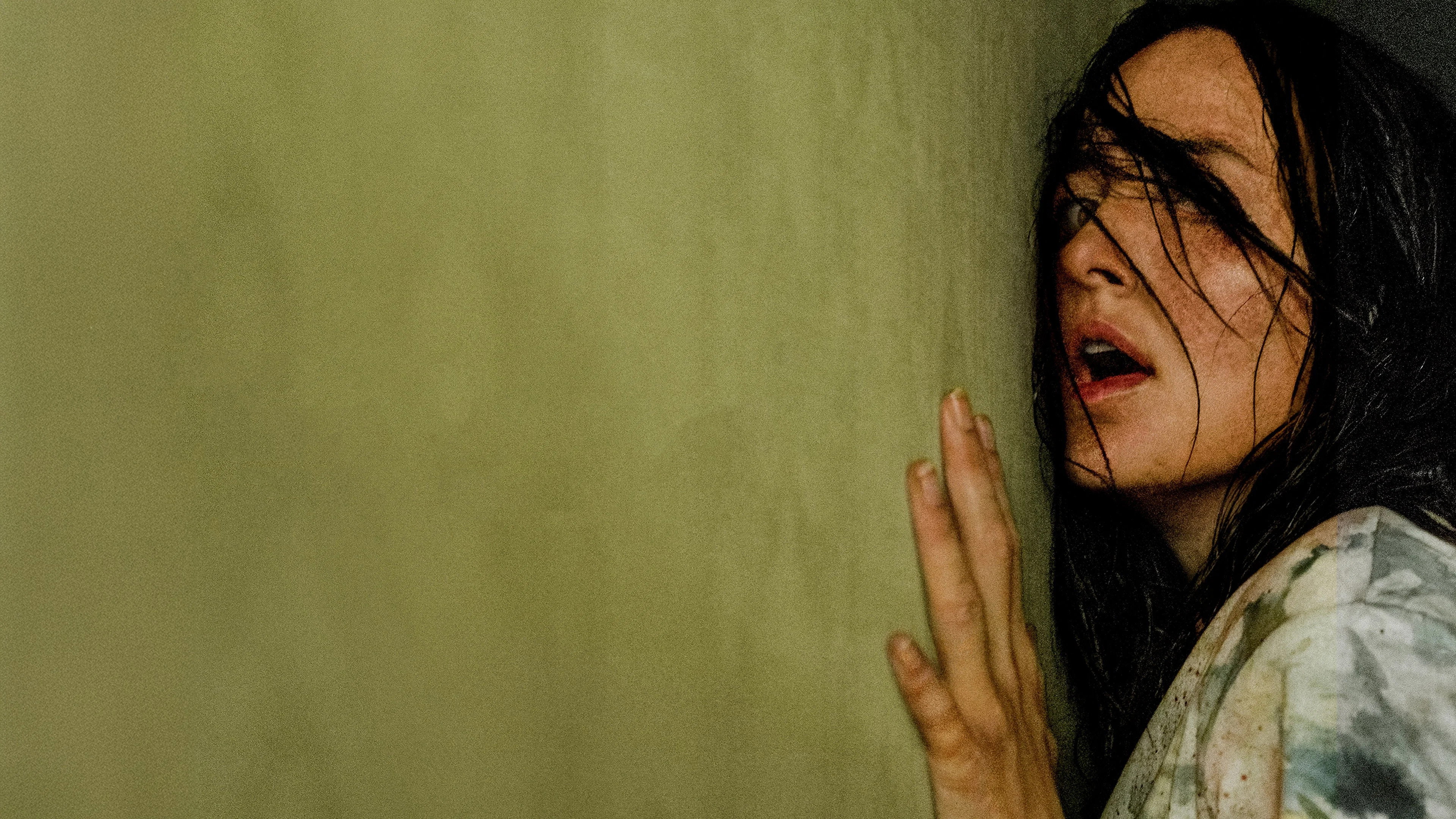

It starts with a single image: fluorescent tubes humming over yellow carpet that stretches forever, the particular shade of institutional beige that haunts every school corridor you ever sprinted through after hours. The Backrooms began as a 4chan post in 2019, but what Kane Pixels turned it into by 2022 was something else entirely: a found-footage mythology about architectural wrongness, about spaces that exist outside human intention. The horror is not a monster. It is the carpet. It is the hum. It is the slow, dawning knowledge that the exit is not behind you. Fans of the Backrooms are chasing a very specific feeling: the uncanny geometry of a place that should be ordinary and has gone profoundly off, rendered with the lo-fi texture of security footage or a camcorder someone left running by mistake. That feeling is older than the internet, and it lives across every medium.
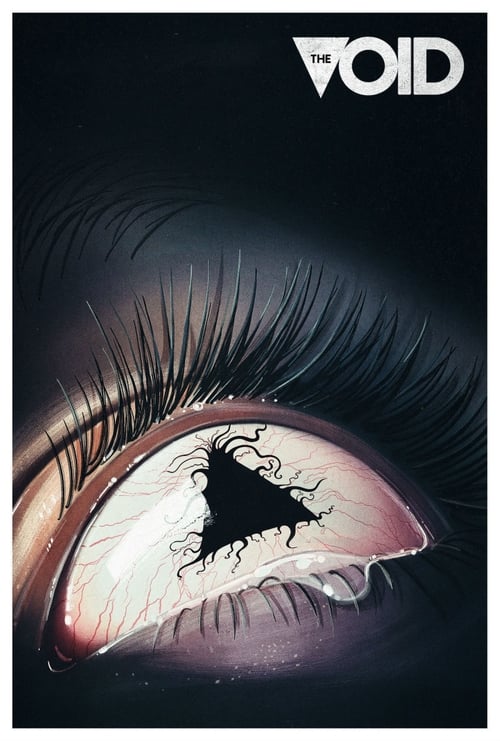
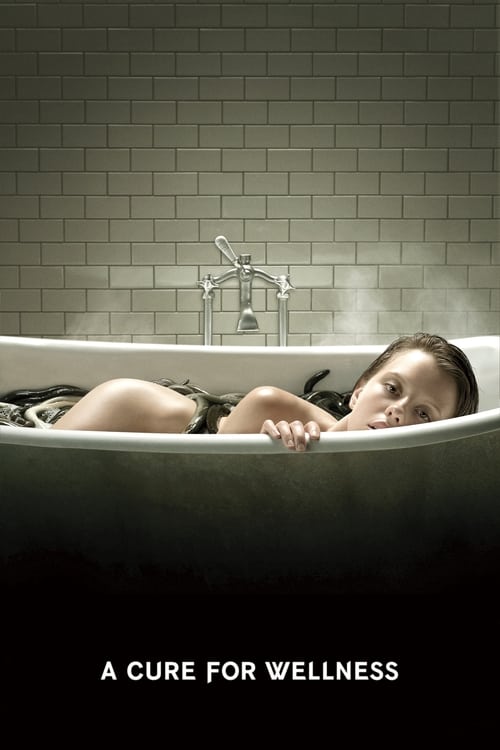
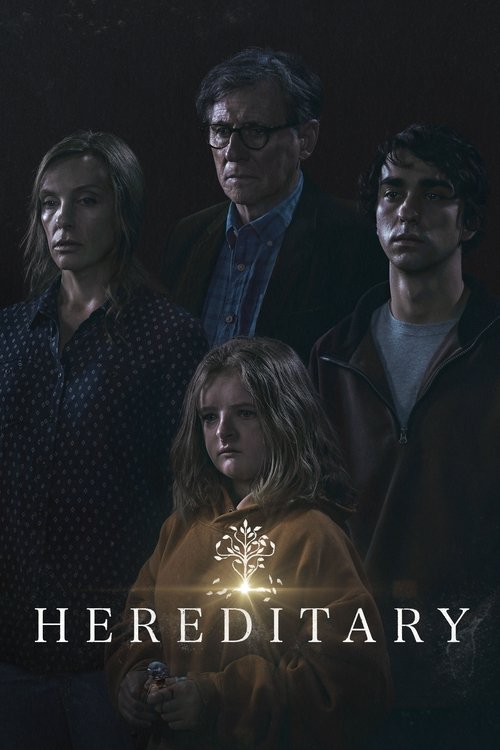
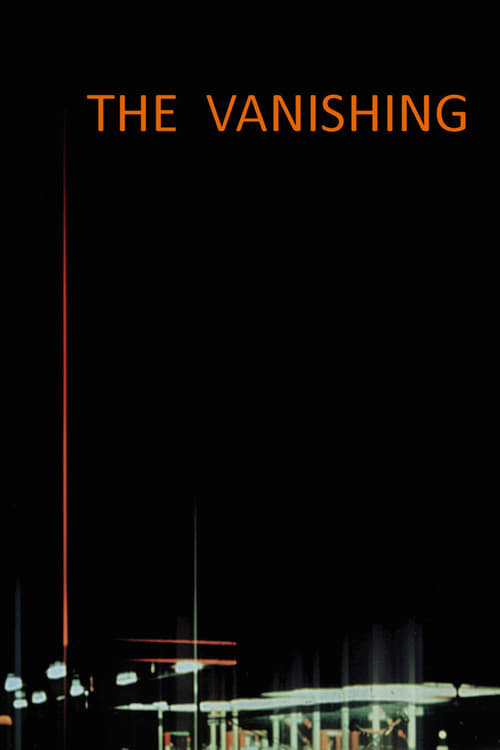
Liminal Horror on Film
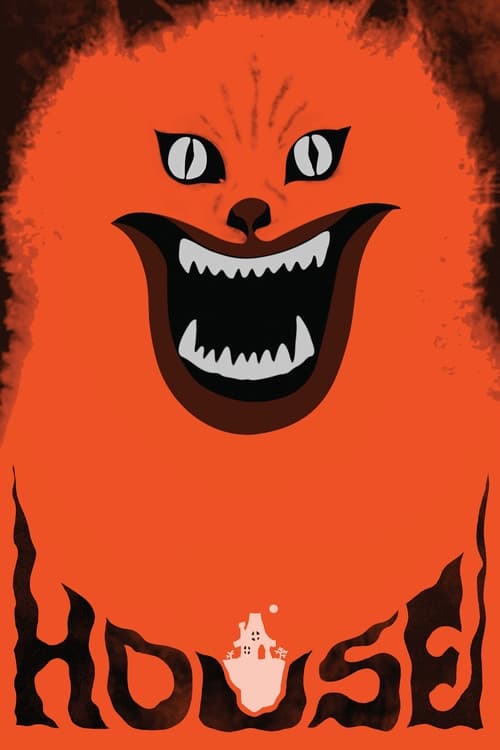
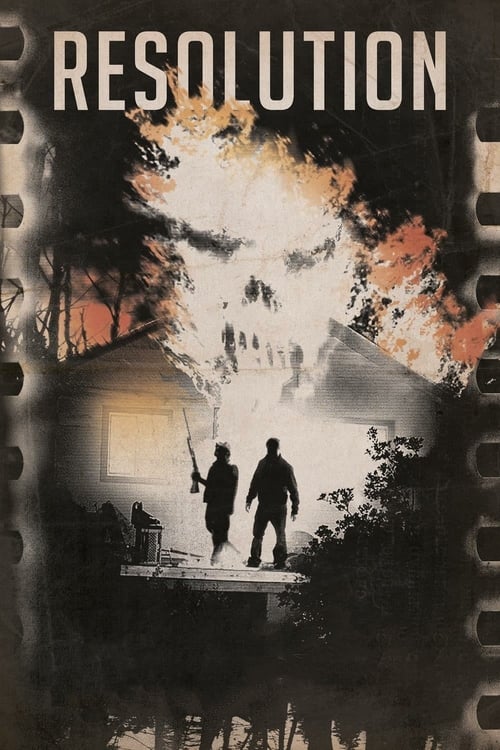
Movies that share the same architectural dread and the sense of a world one step off from our own



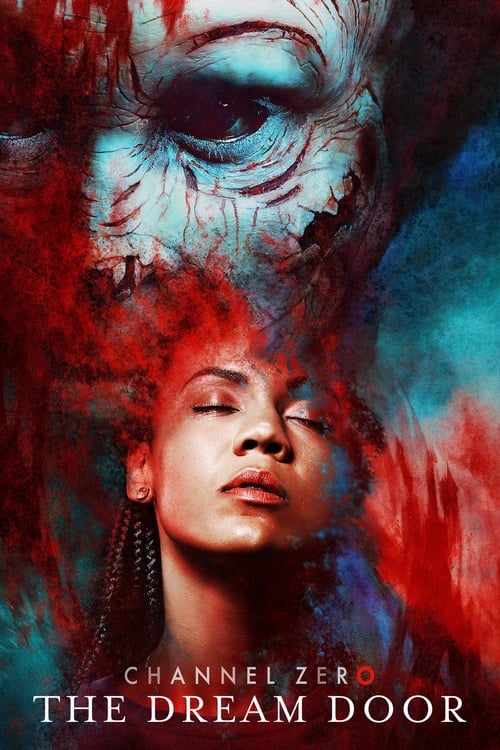
Found Footage and Analog Horror
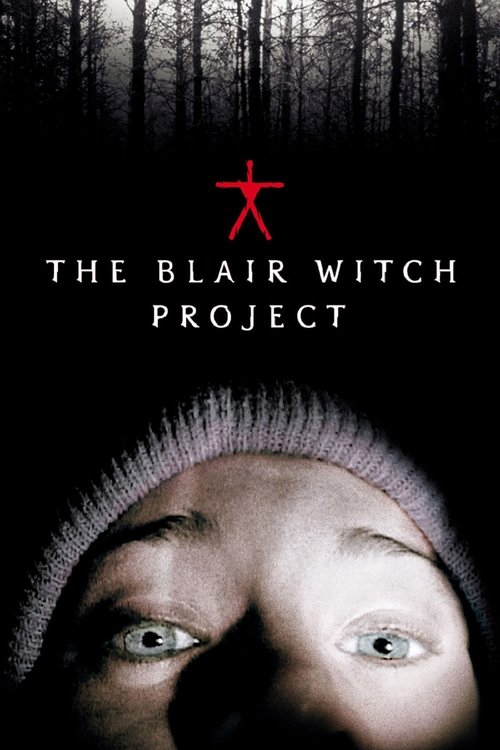
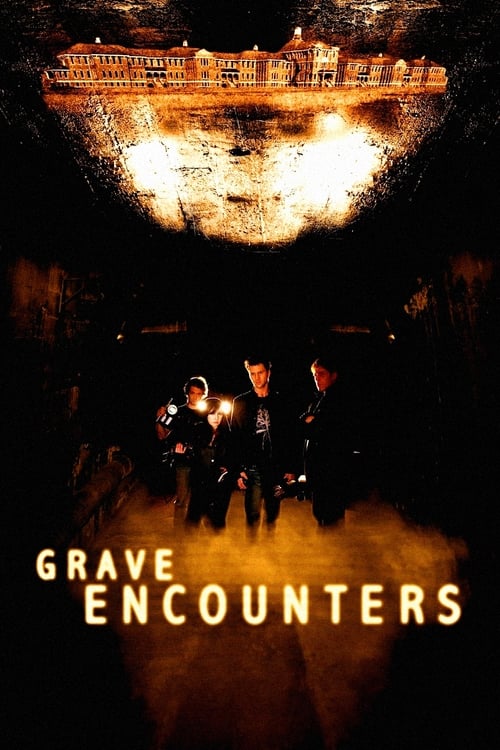
Series and short films built from corrupted tape, unreliable cameras, and institutions that do not want you there
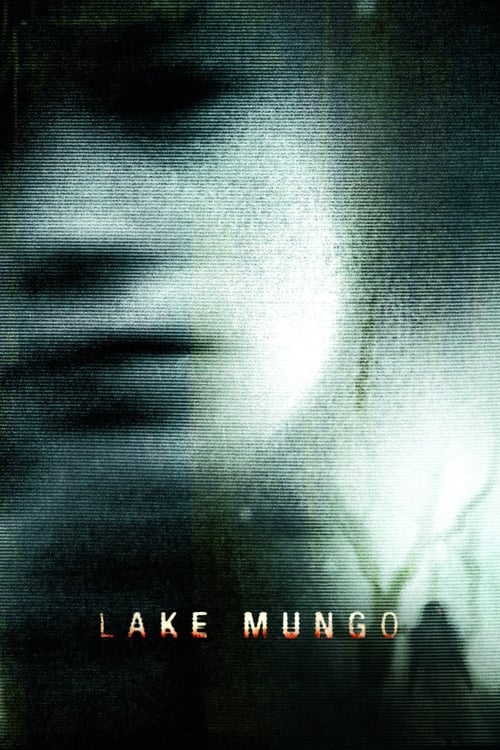
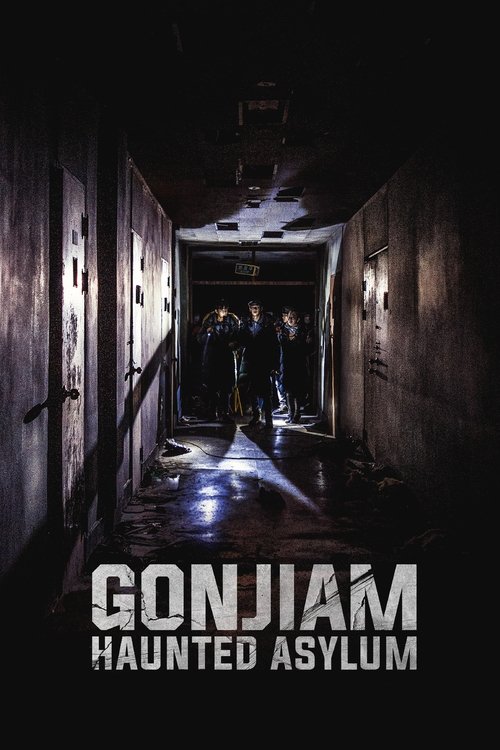
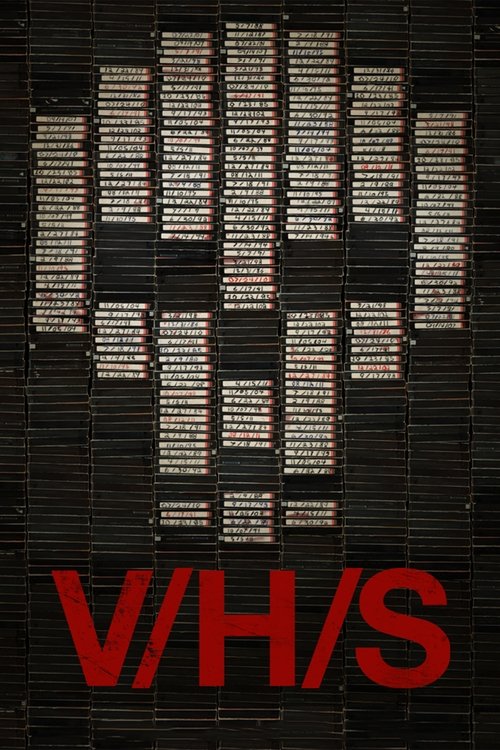
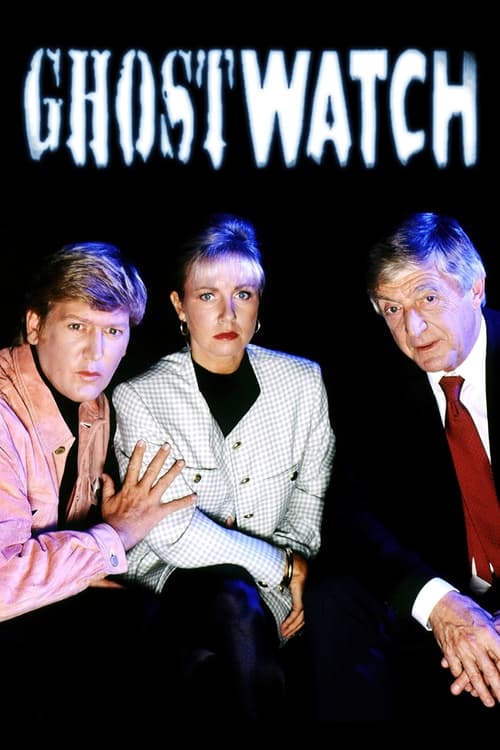
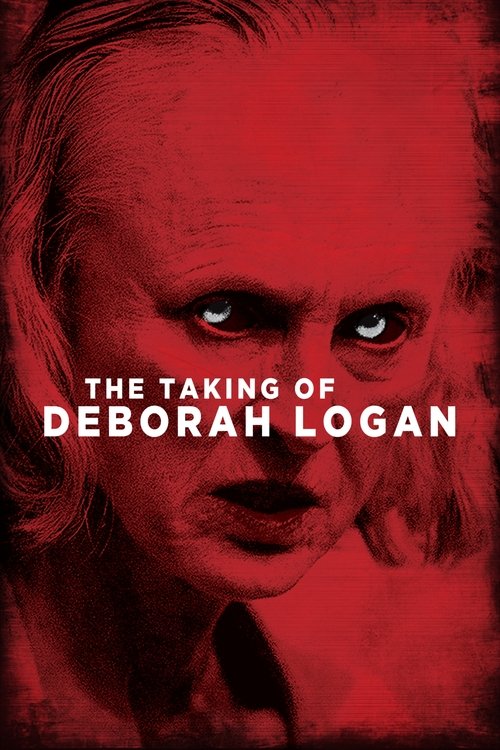
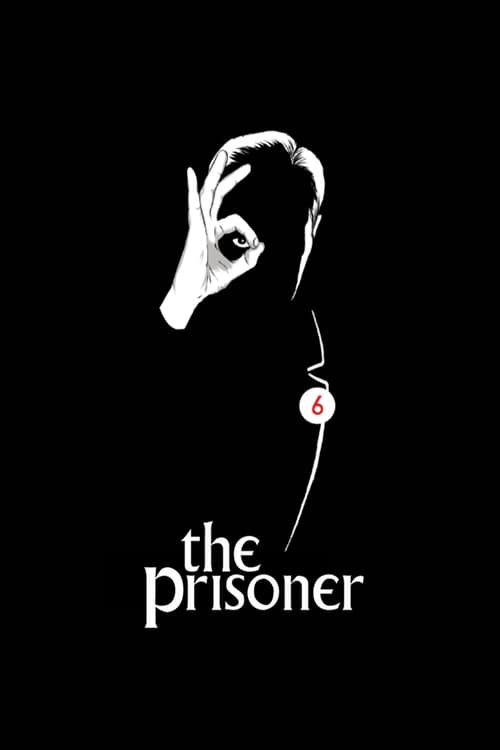
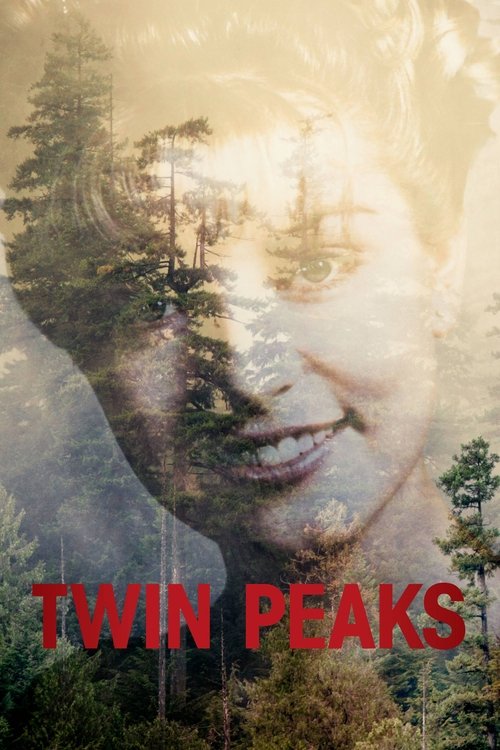
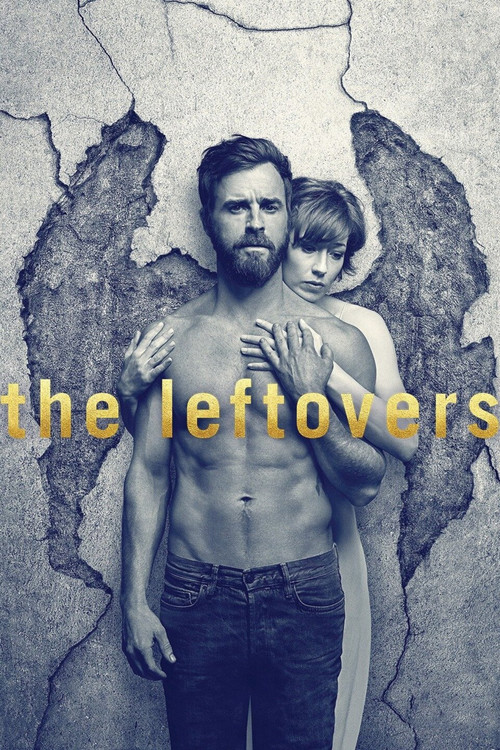
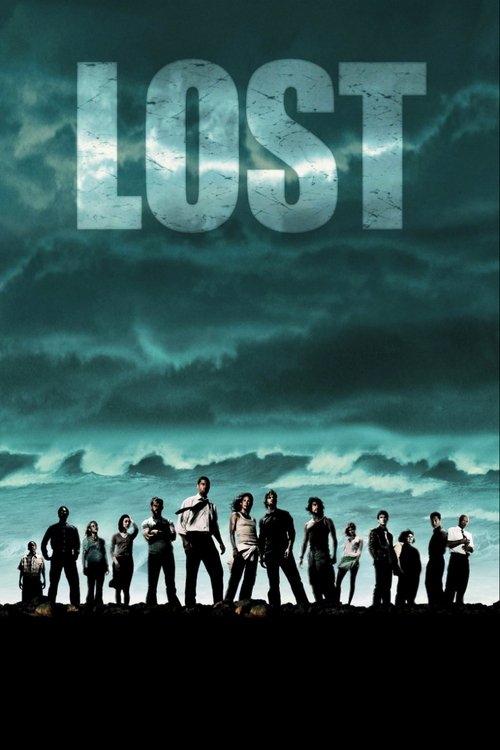
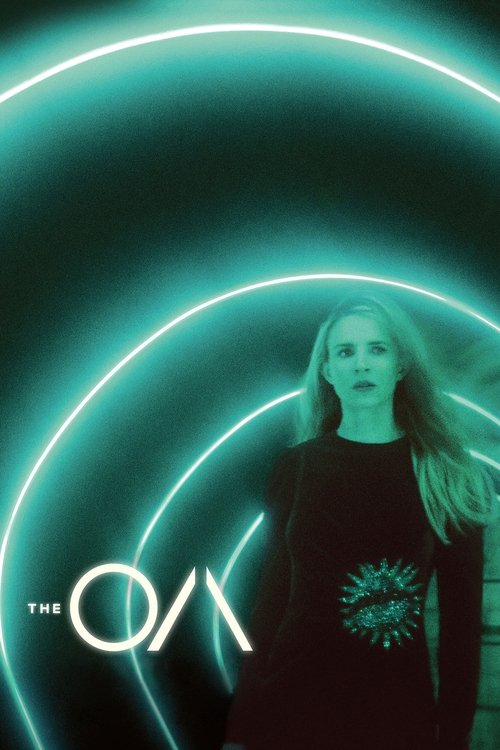
Television in the Wrong Place
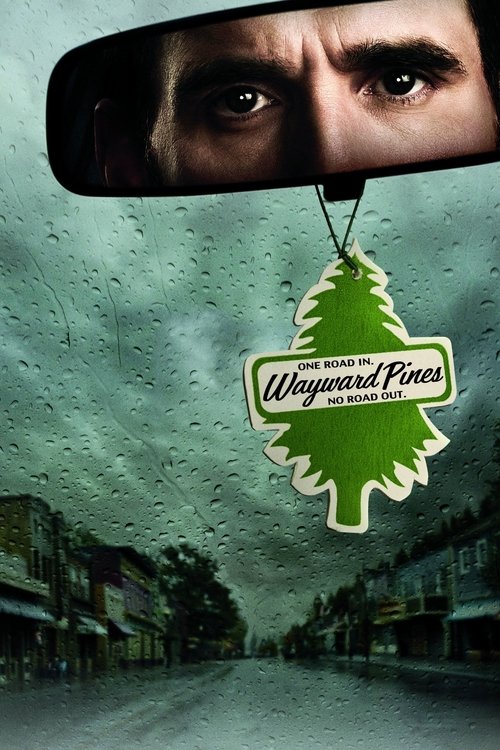
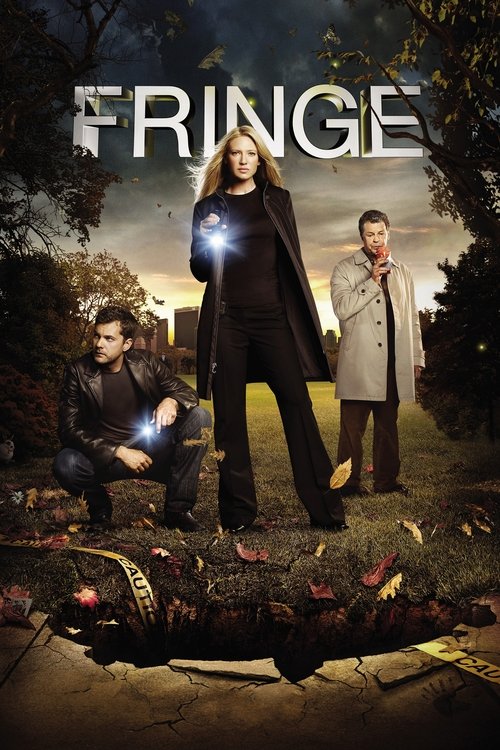
Series where space itself becomes hostile, bureaucratic, or fundamentally broken

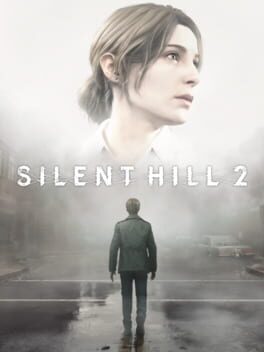
Games That Put You Somewhere Wrong
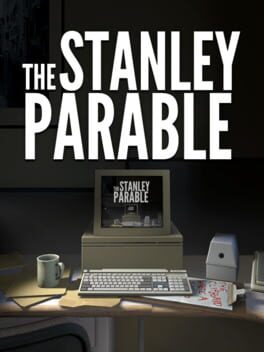
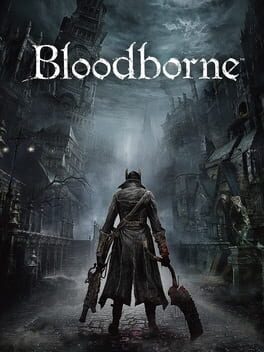
Games where architecture is the antagonist: corridors that loop, buildings that breathe, levels that were never finished
Books About Being Lost in the Architecture
Novels and stories that map the same uncanny interior: labyrinths, non-Euclidean houses, and institutions with their own logic


The Sound of Fluorescent Dread
Music that replicates the hum, the carpet, the feeling of a hallway that does not end
House of Leaves Invented This Feeling Decades Early
Mark Z. Danielewski's 2000 novel is not a horror novel about a haunted house. It is a horror novel about documentation: about footnotes, about academic apparatus applied to something that cannot be contained by language. The house on Ash Tree Lane has an interior larger than its exterior, and corridors that grow without reason. That structural wrongness, that sense of a building as a hostile text, is exactly what the Backrooms mythology is built on. Kane Pixels is doing Danielewski with a camcorder.
Control Is the Only Game That Gets the Bureaucracy Right
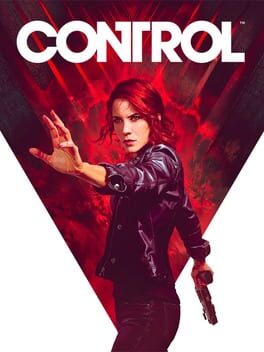
Remedy's Control (2019) does something the Backrooms does not: it gives the Federal Bureau of Control a whole organizational history, a filing system, a cafeteria. That institutional banality is what makes the Oldest House terrifying when it starts shifting. The brutalist architecture, the Object of Power hidden in a mundane object, the sense of federal paperwork piled up against cosmic horror: this is the Backrooms with a budget and a lore department, and it is extraordinary.
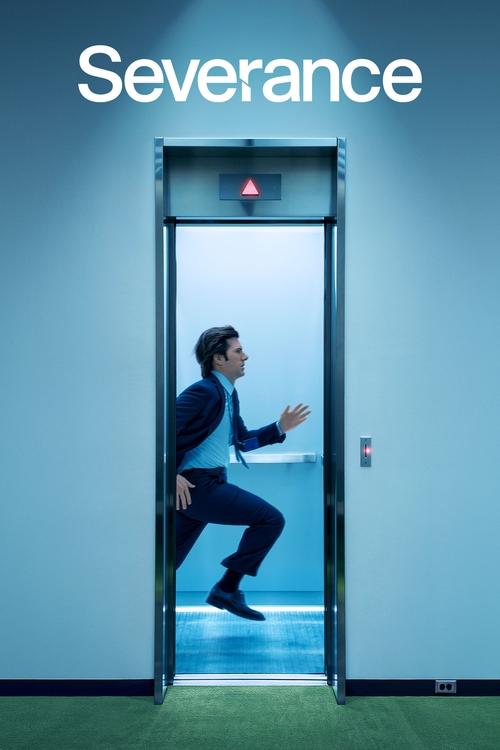
Severance Understands the Corporate Uncanny Better Than Any Horror Film
The split-floor MDR department in Lumon Industries is not a horror set. It is an office, with cubbies and a wellness center and a perpetual morning that never becomes afternoon. Apple TV+'s Severance (2022) takes the logic of the Backrooms and runs it through a workplace thriller: the floors go on too long, the elevators go to places that make no structural sense, and the exit is a policy question. The horror is procedural, which makes it worse.
The Liminal Horror Timeline
- 1962Kafka's The Trial is published posthumously; the bureaucratic labyrinth that cannot be understood or escaped becomes a template for a century of institutional horror. The Trial
- 1977The Shining is published: a hotel that loops back on itself, corridors that lead nowhere, a building with a will of its own. The Shining
- 1979Brian Eno releases Music for Airports, codifying ambient music as the sound of institutional non-places: waiting rooms, terminals, corridors.
- 1983The Prisoner's influence on British TV is canonized; the Village, a community that is also a prison, becomes the foundational liminal space of television. The Prisoner
- 1999The Blair Witch Project defines found footage as a horror grammar and proves that suggesting a threat offscreen is more powerful than showing it. The Blair Witch Project
- 2000House of Leaves is published, establishing the non-Euclidean interior and the layered unreliable document as literary horror forms. House of Leaves
- 2001Silent Hill 2 makes fog and geometry the antagonist: the town shifts around the player and its map is a lie. Silent Hill 2
- 2010Marble Hornets begins on YouTube, inventing the analog horror YouTube series before the term exists.
- 2019The Backrooms image is posted on 4chan: a single photograph of yellow carpet under fluorescent light, captioned as a place you end up when you noclip out of reality.
- 2019Control is released by Remedy Entertainment, merging brutalist architecture and federal bureaucracy into the definitive liminal horror game. Control
- 2022Kane Pixels uploads The Backrooms (Found Footage) to YouTube, earning millions of views and establishing the Backrooms as a proper cinematic mythology.
- 2022Severance premieres on Apple TV+, taking the liminal office to prestige television. Severance
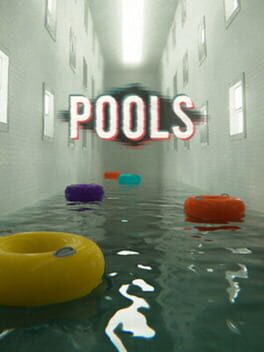
- 2023Pools is released: a first-person game where you walk through empty swimming pools that stretch further than any building could contain. No enemies. Just the water and the tile. Pools
If you're not careful and you noclip out of reality in the wrong areas, you'll end up in the Backrooms, where it's nothing but the stink of old moist carpet, the madness of mono-yellow, the endless background noise of fluorescent lights at maximum hum-buzz, and approximately six hundred million square miles of randomly segmented empty rooms to be trapped in. God save you if you hear something wandering around nearby, because it surely has heard you.Original 4chan post, May 2019