
Bad Witch (2018) closes the Nine Inch Nails trilogy that began with Not the Actual Events (2016) and Add Violence (2017), and it arrives as the most uncompromising entry of the three. Where earlier NIN records gave listeners hooks to hold onto, Bad Witch strips the album format down to six tracks of industrial punk, saxophone-laced noise, and fragments that sound less like songs than like evidence of something breaking. Trent Reznor and Atticus Ross recorded the bulk of it live, playing as a full band for the first time in years, and the result feels physical, almost confrontational, in a way their more produced work does not. The through-line a fan chases here is controlled destruction: music that sounds like it was made under pressure, in a room, by people who stopped caring about being liked. Saxophone honks over drum machines. Guitars dissolve into static. The anger is real but the craft is meticulous underneath it. Fans of this record tend to be drawn to art that weaponizes ugliness, that finds something like beauty in abrasion, whether that comes from music, film, books, or games.
Essential Nine Inch Nails
The records that built the world Bad Witch detonates
Same Frequency: Industrial and Post-Industrial Records
Albums and artists that share Bad Witch's abrasive, frictional energy
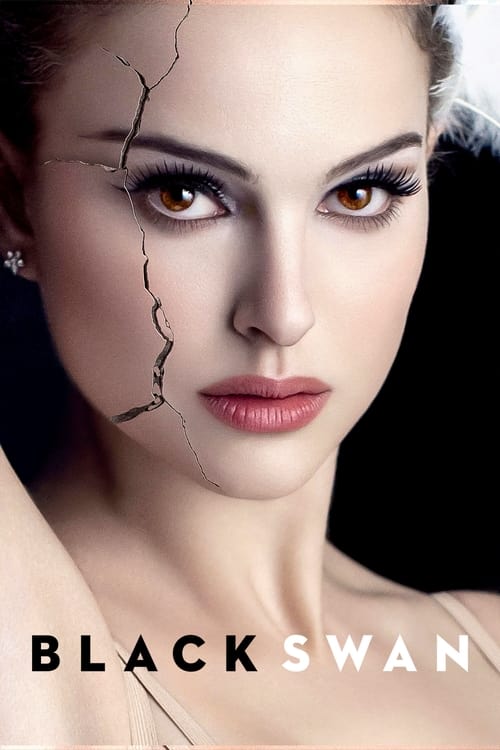
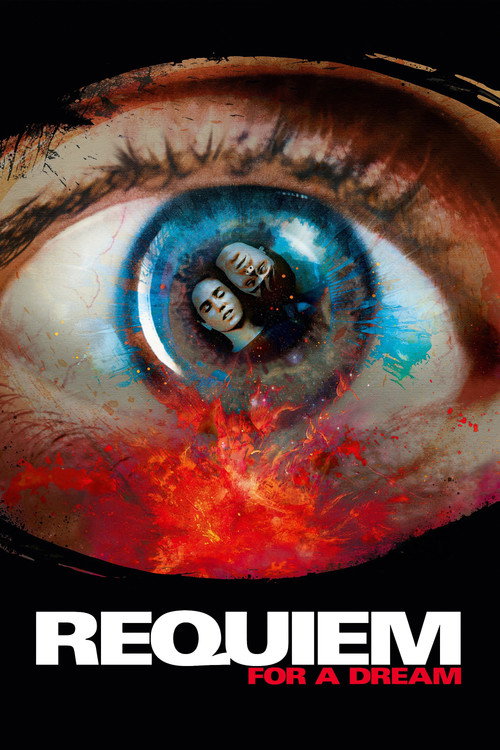
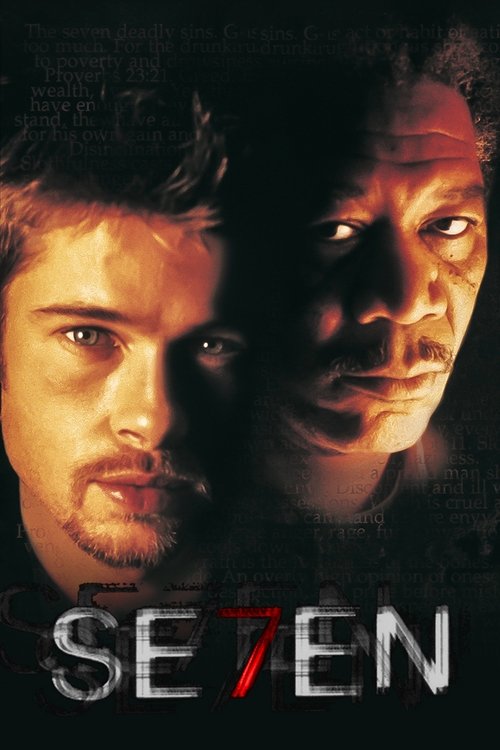
Score and Screen: Films Where the Sound Is the Story
Cinema that shares Bad Witch's textures, dread, and visceral craft, including films Reznor and Ross scored
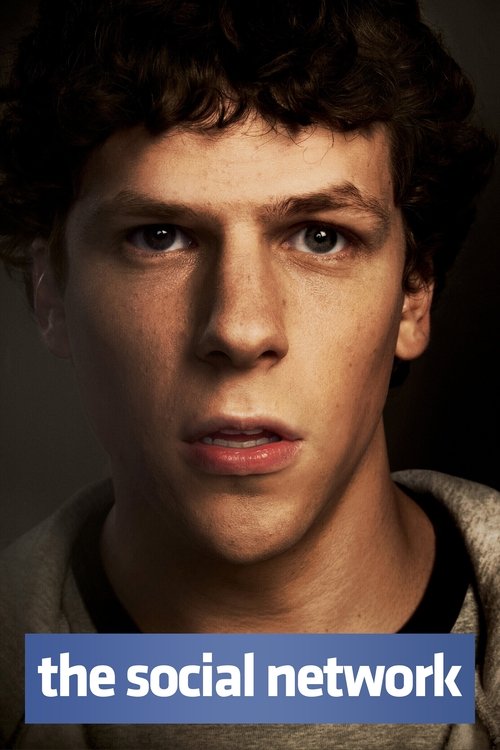
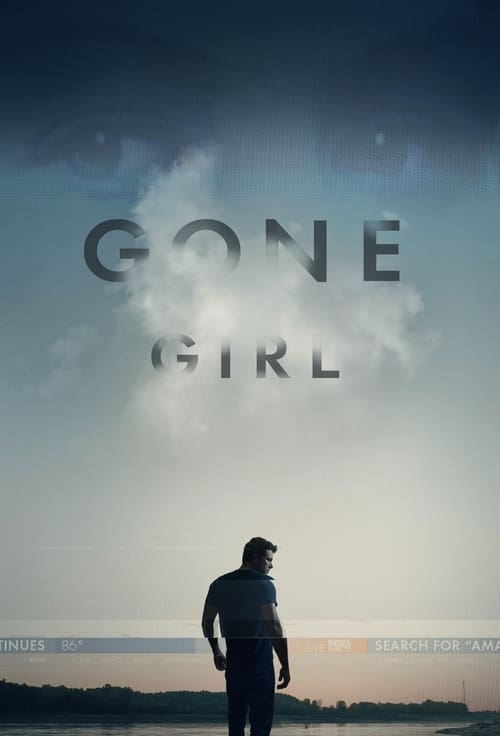
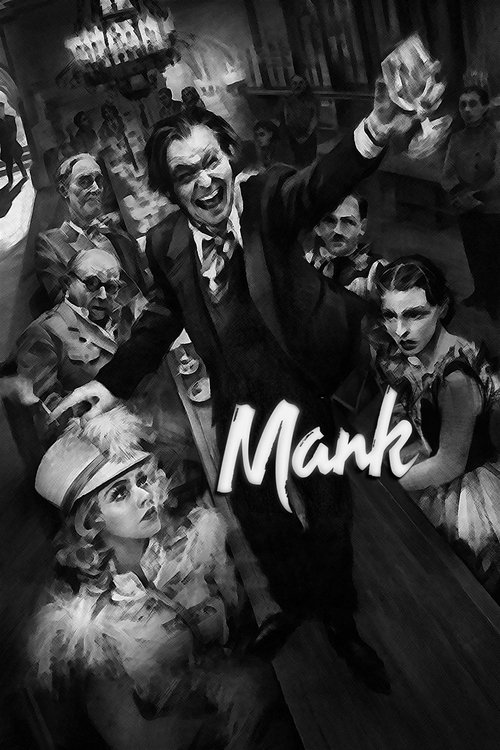
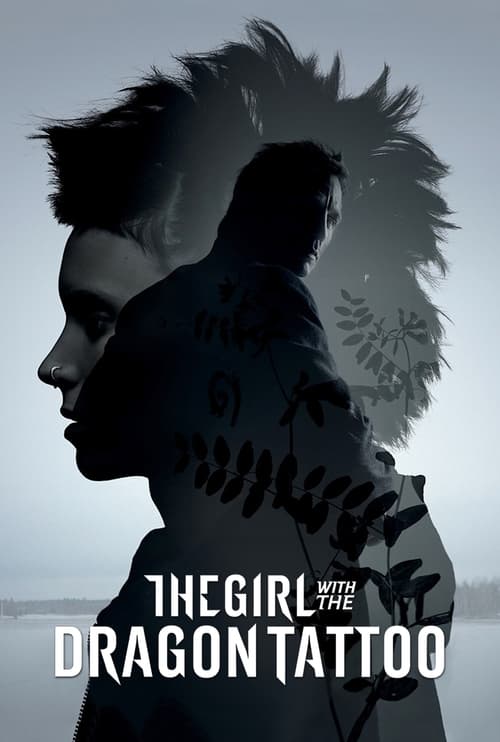
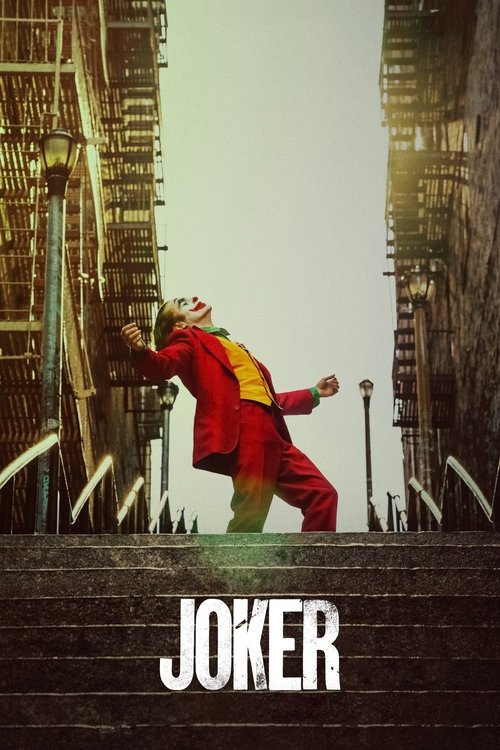
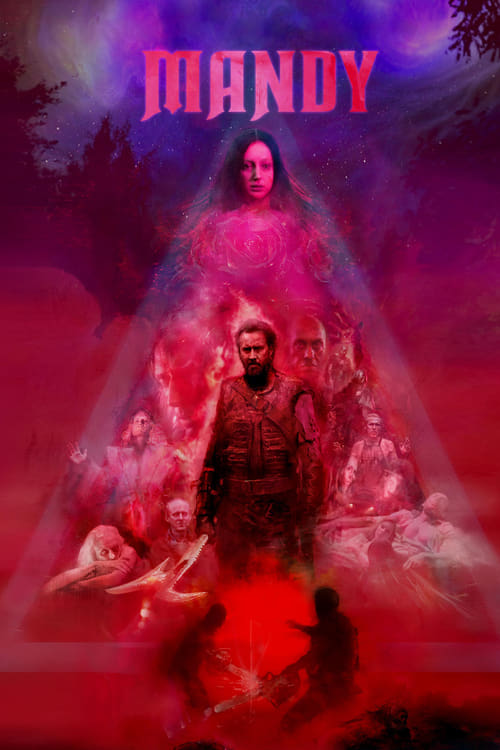
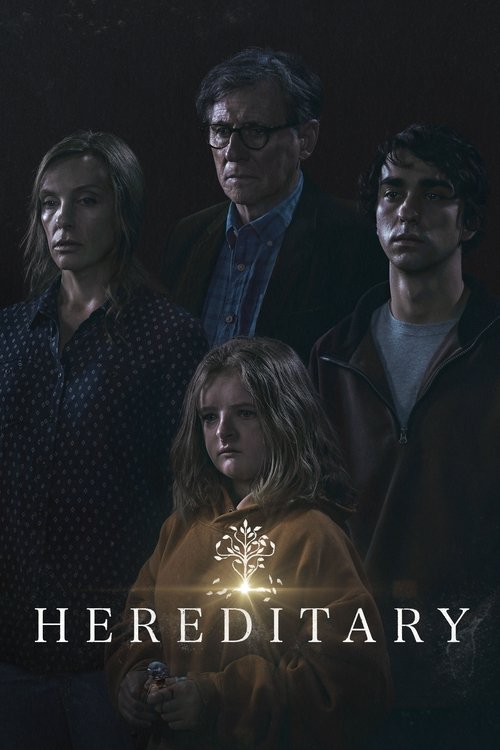
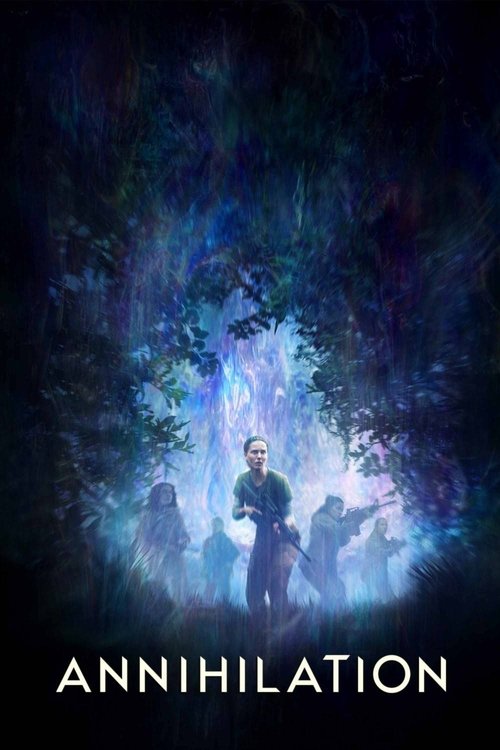
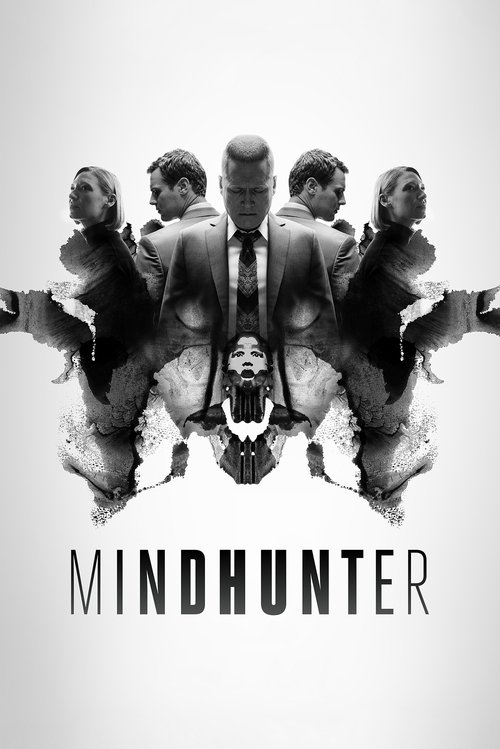
On Screen: Series with the Same Controlled Menace
TV that earns its darkness through atmosphere and craft rather than spectacle


On the Page: Novels for People Who Like Their Fiction Loud and Uncomfortable
Books that match Bad Witch's refusal to make things easy for the reader
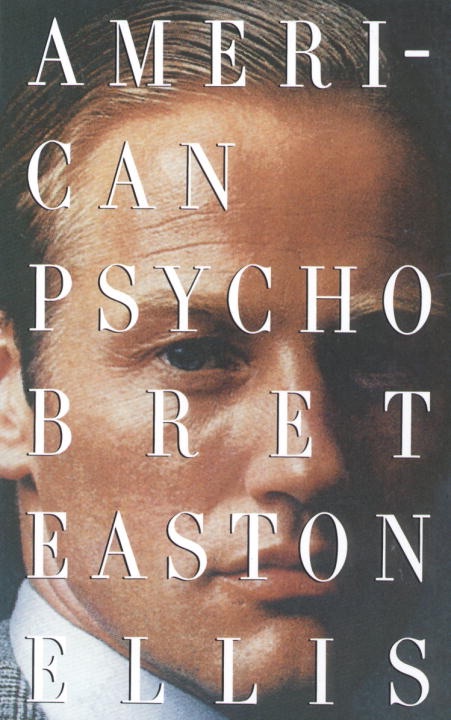


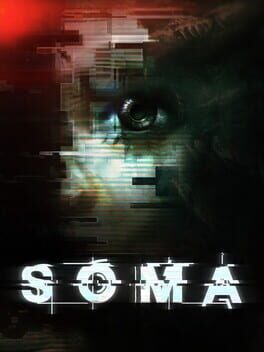
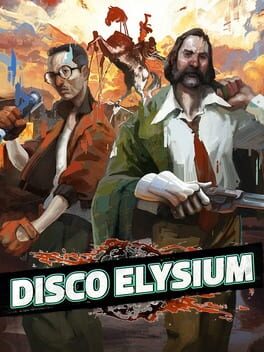
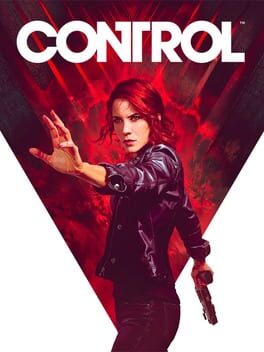
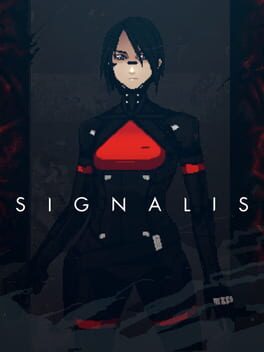
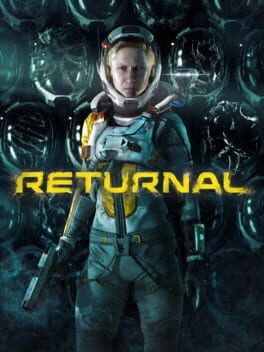
Play the Noise: Games That Share the Abrasive Interior
Games built around systems of pressure, dread, and formal hostility, often with industrial or noise-adjacent scores

Bad Witch Is a Live Record Wearing a Studio Record's Clothes
The defining thing Reznor and Ross did on Bad Witch was record with the full band playing together in a room, something NIN had largely moved away from. You hear it in the ragged saxophone on 'Ahead of Ourselves', in the way the drums breathe instead of click. The production is still meticulous, but the decisions were made fast, and the roughness was kept. This is why the record hits differently from Hesitation Marks or even With Teeth: it sounds like people, not projects.
Mr. Robot Did Something No Other Show Has Done with NIN
Sam Esmail's Mr. Robot is one of the few pieces of prestige TV that genuinely earns a comparison to NIN without being about music at all. The show's paranoia, its unreliable interiority, its willingness to make the audience uncomfortable formally (silent episodes, wrong-aspect-ratio sequences), its indictment of corporate power: all of it maps cleanly onto what Reznor has been writing about since The Downward Spiral. The NIN needle-drops in the show feel earned rather than licensed.
House of Leaves Is the Closest a Novel Gets to The Fragile
Mark Z. Danielewski's House of Leaves is a book that uses its own form as a weapon: footnotes eating the text, typography that becomes floor plan, a horror story that keeps collapsing inward. The anxiety it produces is structural, baked into the reading experience, not just the content. That is the same trick NIN pulls on The Fragile and, in compressed form, on Bad Witch: the record is unsettling partly because of how it is arranged, where it goes quiet, where it refuses resolution.
Hellblade Understands Psychosis the Way Pretty Hate Machine Understood Obsession
Ninja Theory's Hellblade: Senua's Sacrifice treats its subject, psychosis, as something to be experienced rather than explained, using binaural audio so the voices are spatially present, inescapable, arguing. It is one of the few games that made formal choices that matched the weight of its content. That is the tradition NIN belongs to: art that does not stand outside its subject and describe it, but tries to reproduce the feeling from inside.
Nine Inch Nails: A Career in Controlled Destruction
- 1989Debut full-length establishes the template: industrial synth-pop with real emotional exposure. Pretty Hate Machine
- 1992The Broken EP goes heavy and raw, winning the first metal Grammy for a NIN release.
- 1994The Downward Spiral cements Reznor as a defining voice in 90s rock and industrial music. The Downward Spiral
- 1999The double-album Fragile arrives after years of personal collapse; dense, sprawling, underrated. The Fragile
- 2005With Teeth: the comeback record, grounded and direct after years of excess. With Teeth
- 2007Year Zero: concept album as political provocation, released via ARG. Year Zero
- 2008The Slip released free online; Reznor leaves Interscope. The Slip
- 2010Reznor and Ross win the Academy Award for Best Original Score for The Social Network. The Social Network
- 2013Hesitation Marks: electronic, restrained, almost gentle by prior standards. Hesitation Marks
- 2016Not the Actual Events opens the trilogy; harsh, confrontational, released as a physical artifact.
- 2017Add Violence: the middle chapter, weirder and more electronic.
- 2018Bad Witch closes the trilogy live and raw; saxophone, punk tempos, six tracks of finish. Bad Witch
We went in without a plan and just started playing. A lot of it was done the first time through. That felt right for where we were.Trent Reznor on recording Bad Witch