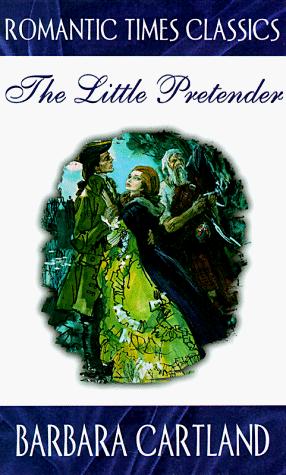

The world's most-published romance novelist
Barbara Cartland wrote somewhere north of 700 novels, sold more than 750 million copies worldwide, and did it all in a single, unbroken register: the innocent heroine, the powerful and secretly tender hero, the obstacle that love overcomes. Her Regency and Edwardian settings were not really history lessons. They were wish-fulfillment architecture. Every story was a ballroom and a moonlit garden and a moment of declaration. The prose moved fast, the morality was clear, the emotion was earnest without apology.
Fans know the particular pleasure of that world: the social chess of courtship in an era when a glance across a drawing room meant something; the hero who seems cold until suddenly he isn't; the heroine whose virtue and spirit are the same quality. It is a fantasy rooted in propriety and blown open by feeling. The works below, across film, television, books, and beyond, all live in some version of that same house.
Essential Barbara Cartland
Her novels, the ones that define the template


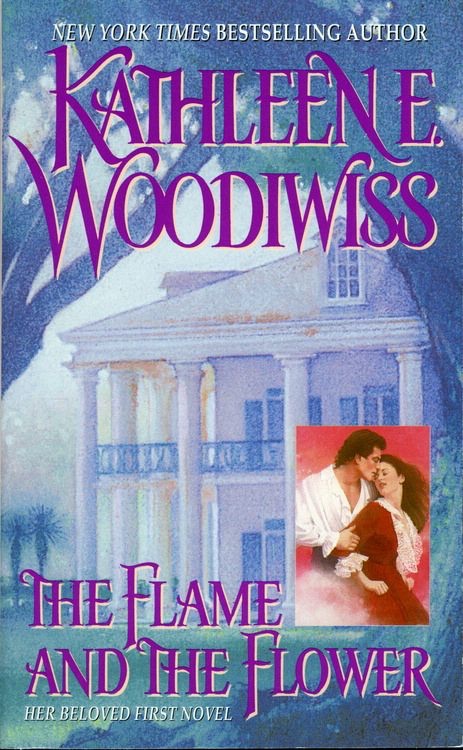
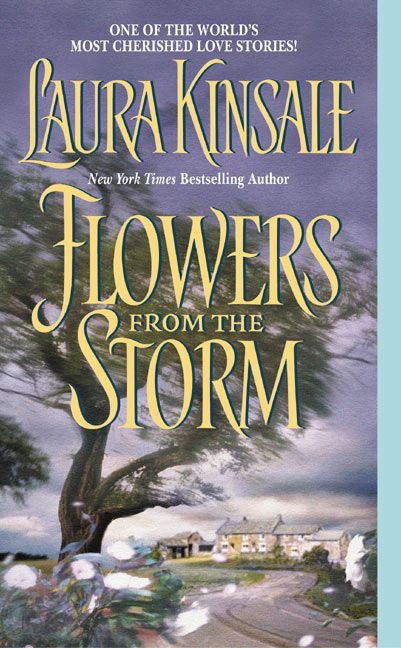
Cartland's successors
The writers who inherited and extended the formula




The Regency on screen
Period films and series that put you inside the ballroom

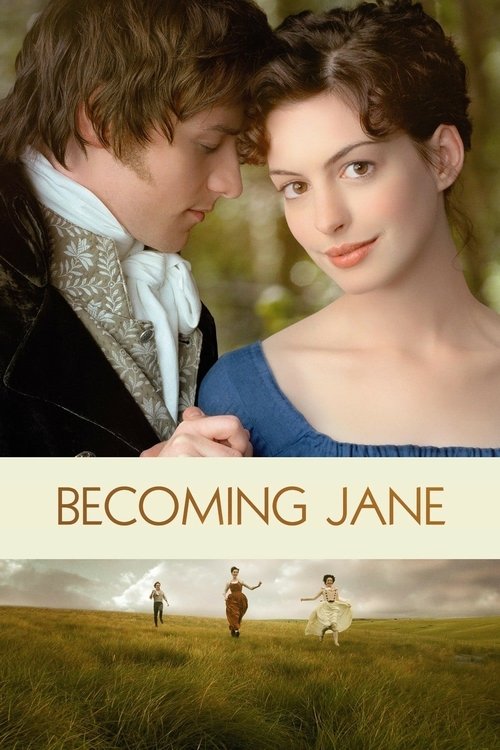
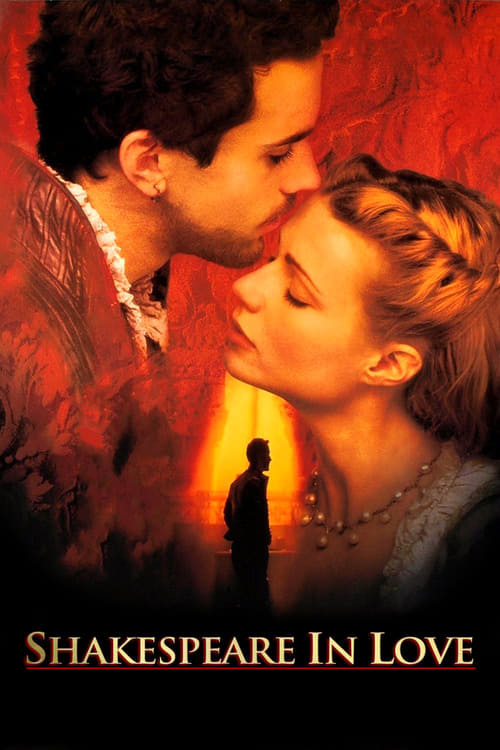
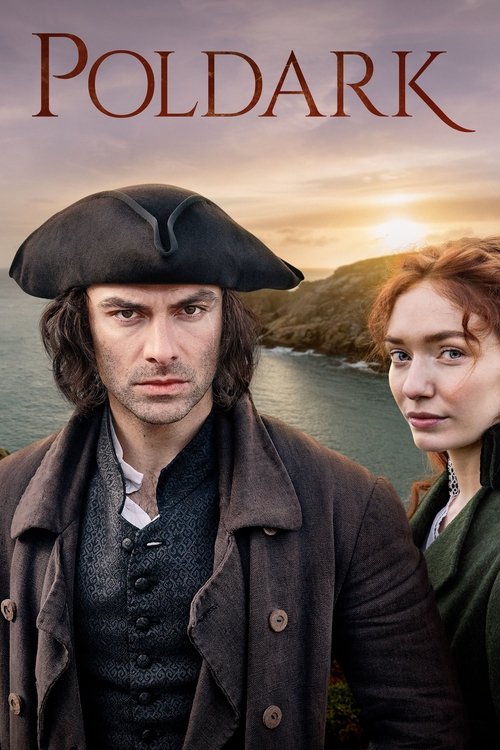
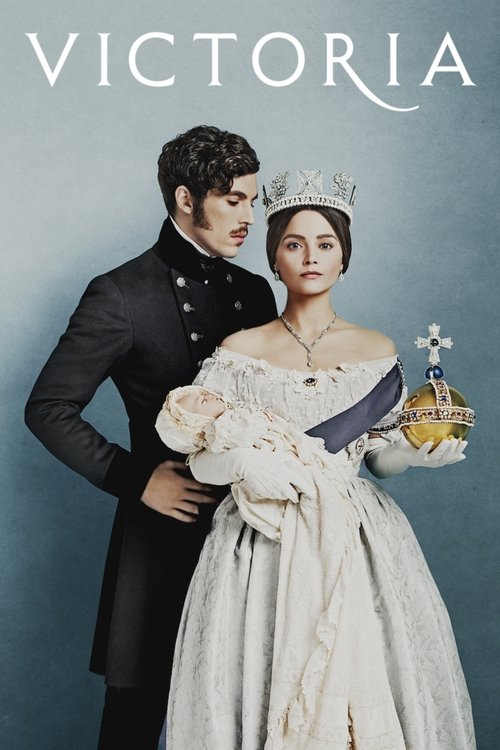
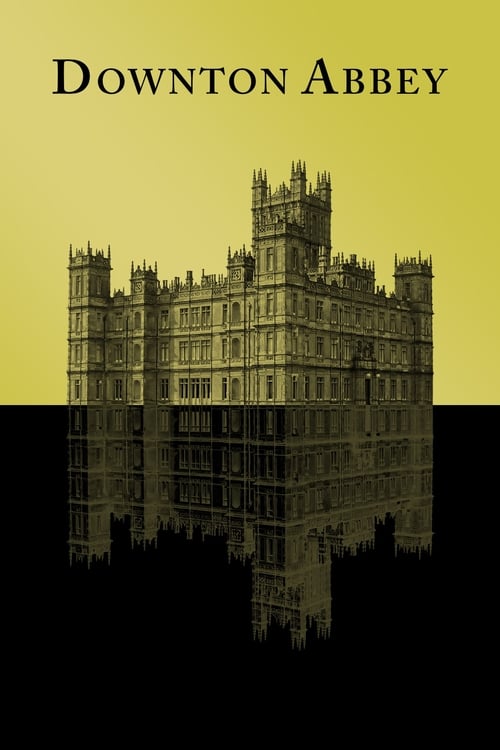
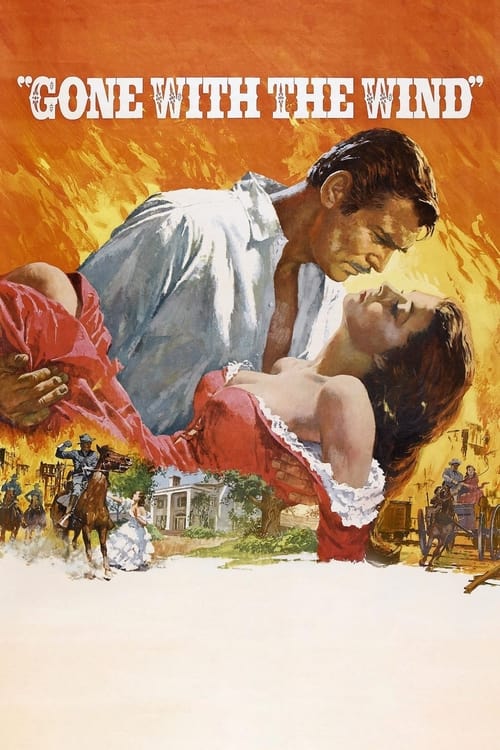
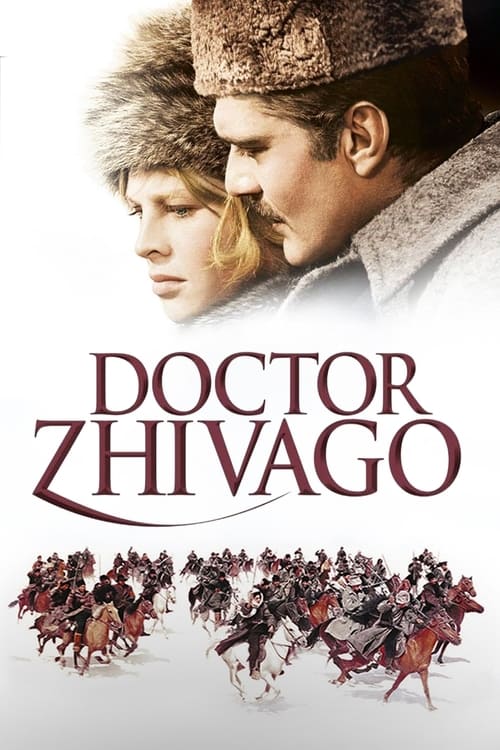
Grand romance, grand tragedy
Epic love stories where fate and passion collide
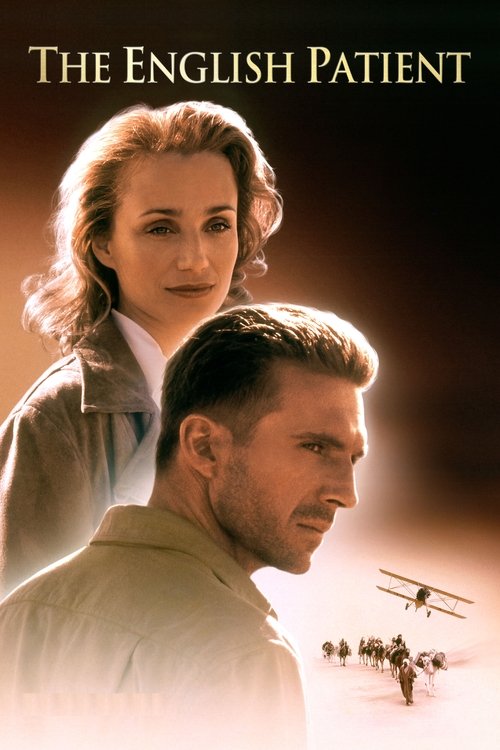



Wit and social comedy
The drawing-room games of manners, matchmaking, and feeling


Fairy-tale love stories
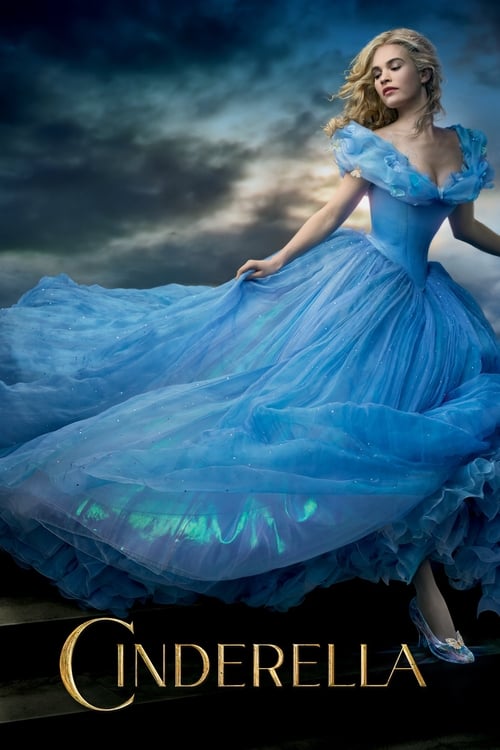
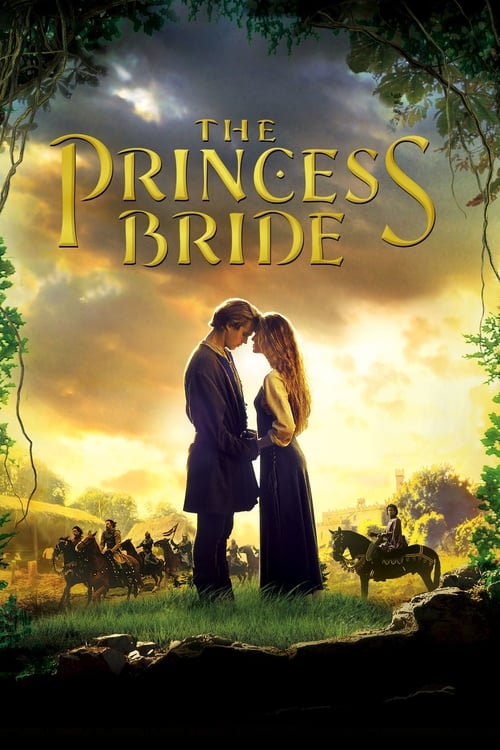
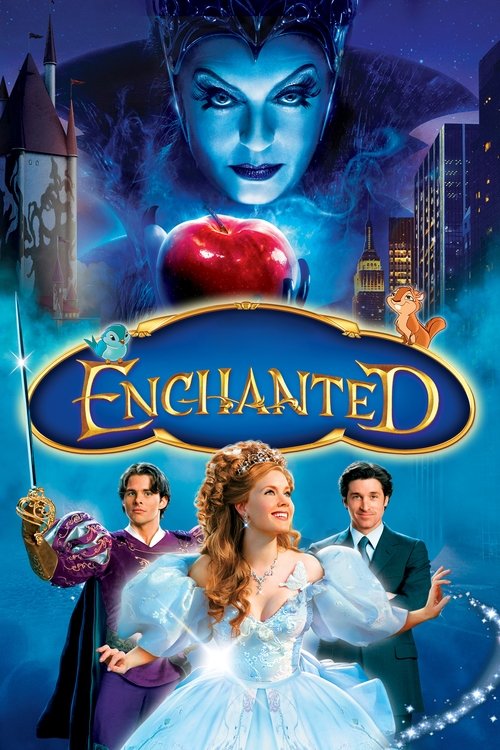
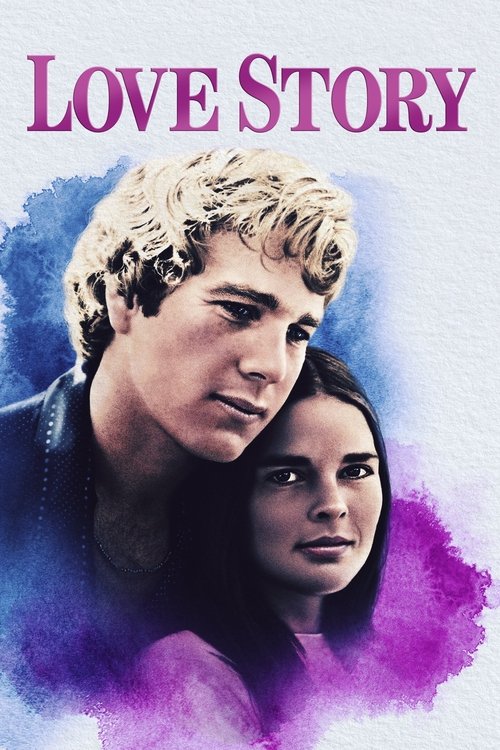
Cinderella logic, transformed settings, the same yearning heart
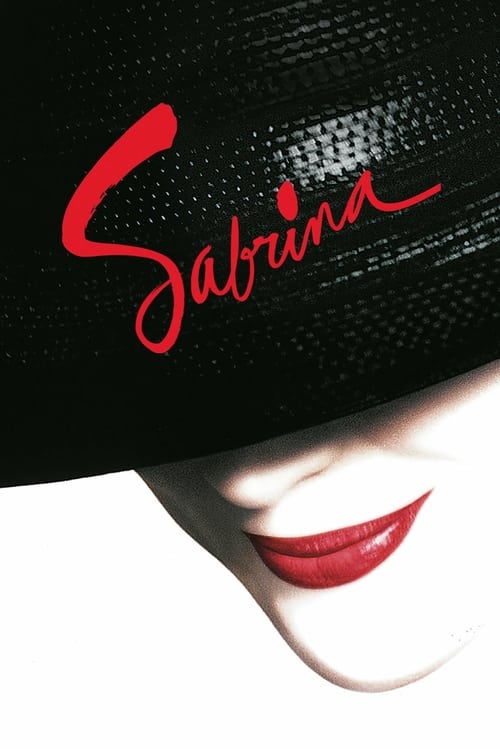
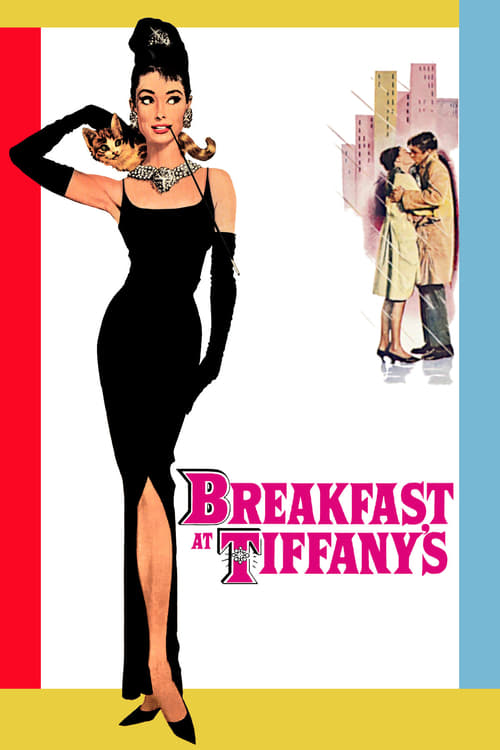
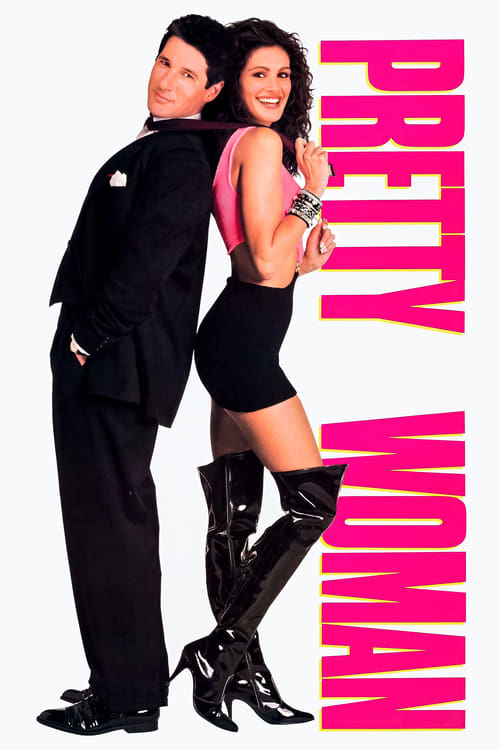
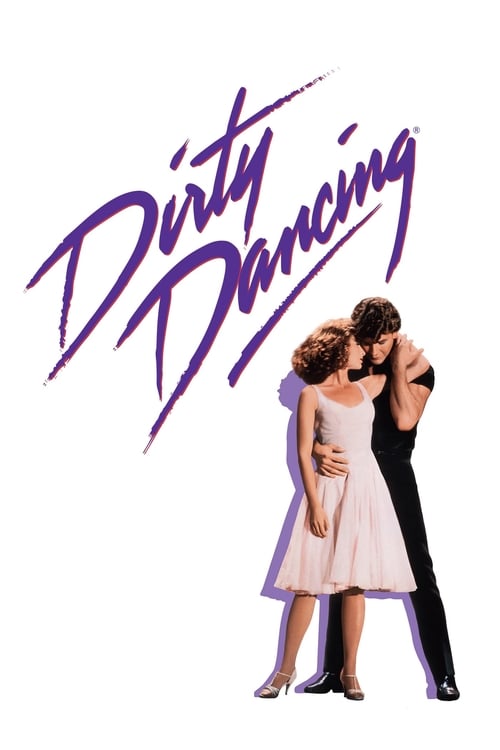


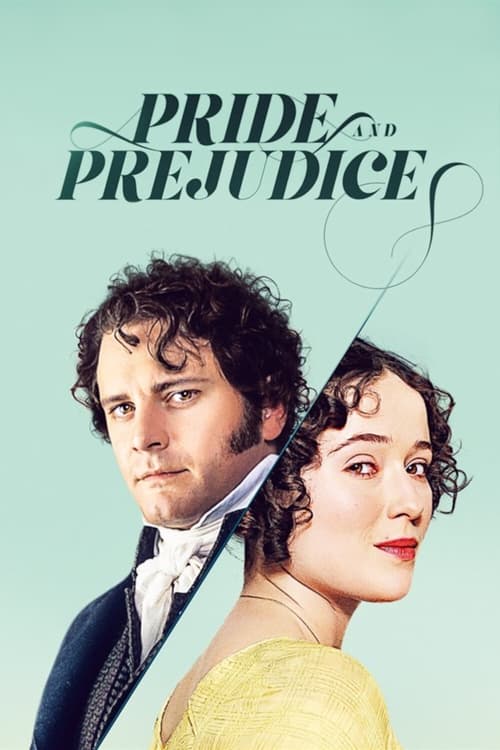
Pride and Prejudice (1995) is the definitive entry point
The BBC miniseries with Colin Firth and Jennifer Ehle has the pacing, the detail, and the emotional architecture that Cartland readers recognize instinctively: the woman who refuses to be underestimated, the man who has to be humbled before he can be loved. Six hours is exactly enough time to let that happen properly. The 2005 Keira Knightley film is beautiful and earns its place in the other carousel, but this version breathes.
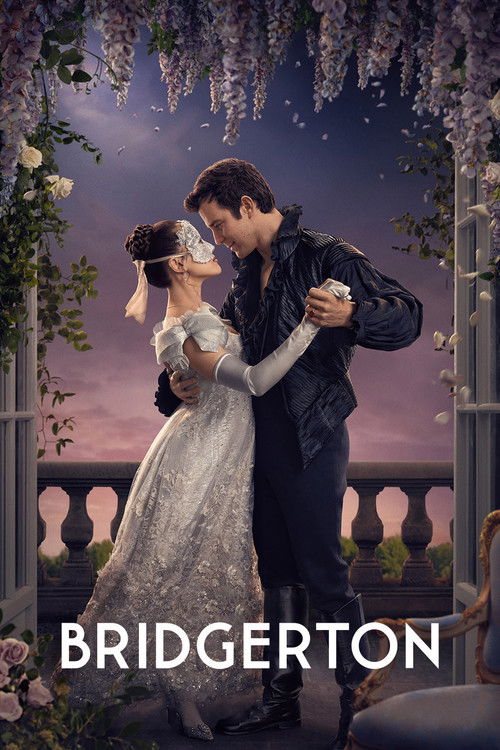
Bridgerton earns its place at the top of the pile
Some purists resisted the anachronistic soundtrack and the soap-opera pacing when Bridgerton arrived, but they missed the point. Julia Quinn's source novels are themselves Cartland DNA in modern packaging, and the show honors that fidelity: the ton as social arena, love as the one thing that overrides rank, a heroine you are genuinely rooting for. It is exactly the kind of story Cartland spent 70 years writing, just louder.
Georgette Heyer is the spiritual successor
Heyer wrote the Regency romance template that Cartland popularized. Where Cartland wrote fast and emotional, Heyer wrote with more period accuracy and drier wit, but the bones are identical: a heroine who is more capable than anyone around her realizes, and a hero who takes too long to see it. These Old Shades is the place to start, not least because the hero-and-heroine dynamic is genuinely surprising for the genre. Venetia is the one to read second.
She wrote 723 novels. Her plots were identical. Her readers never stopped coming back. That is not a flaw in the work; that is the work.On the appeal of Barbara Cartland
The Cartland century
- 1923Jigsaw published, her debut novel
- 1936Switches to full-time romance writing
- 1950First of the pink-covered classics
- 1976Named the world's best-selling author by Guinness
- 1978Appointed Dame Barbara Cartland
- 1983Publishes her 400th novel
- 1991Dictates five novels in two weeks
- 2000Dies at 98; 160 or more novels left unpublished
- 2001Posthumous titles continue appearing