
Released in December 1964, Beatles for Sale arrived at the point where the group had toured themselves to exhaustion. The brightness of A Hard Day's Night gives way to something more shadowed: thinner harmonies, more Dylan in the phrasing, cover versions of the American rock and roll the boys had grown up on. This is the Beatles at their most nakedly working-class, grinding out a product they were simultaneously transcending. The fan who loves Beatles for Sale is chasing a specific feeling: the creak of ambition meeting fatigue, rockabilly muscle softened by British melancholy, and the particular magic of a band in transition, not yet sure where they are going but pulling hard in a new direction. The rawness here is the appeal. These works share it.
Essential Beatles
The albums that frame the Beatles for Sale moment, from the raw early years to the turn toward introspection.
The Sound They Were Chasing
The American rock and roll and rhythm and blues that shaped Beatles for Sale, and the artists who carried it forward.
Road-Worn British Invasion Peers
Groups from the same circuit who shared the exhaustion and ambition, each finding their own way through.
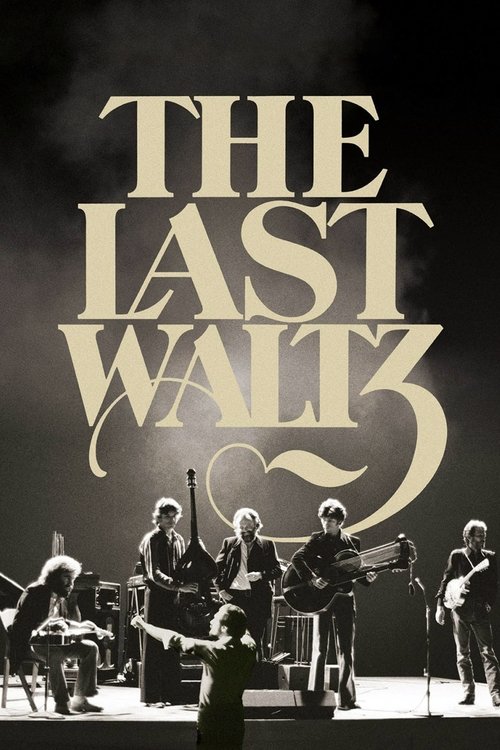
Concert Films and Music Documentaries
The era on screen: Beatlemania captured live, plus documentaries on the forces that shaped and surrounded it.
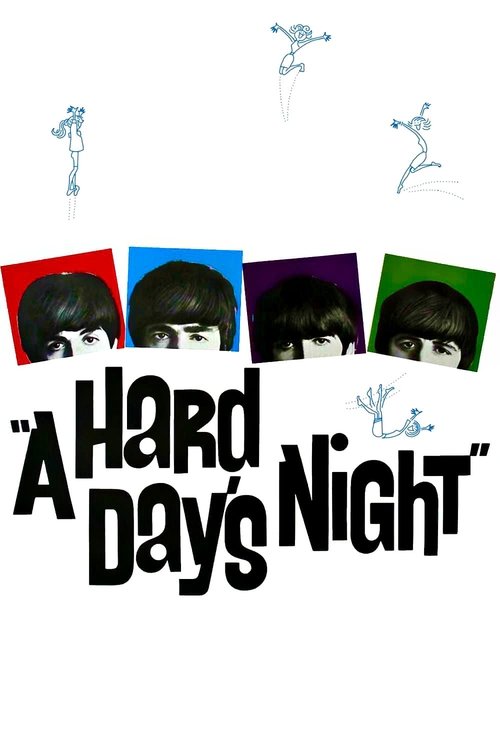
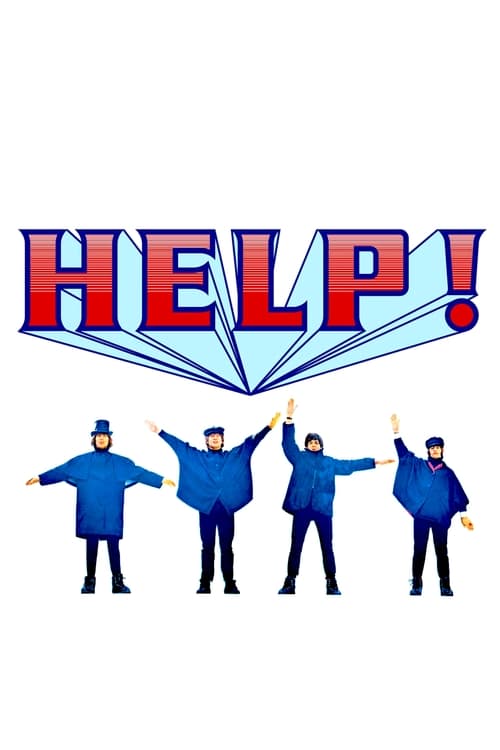
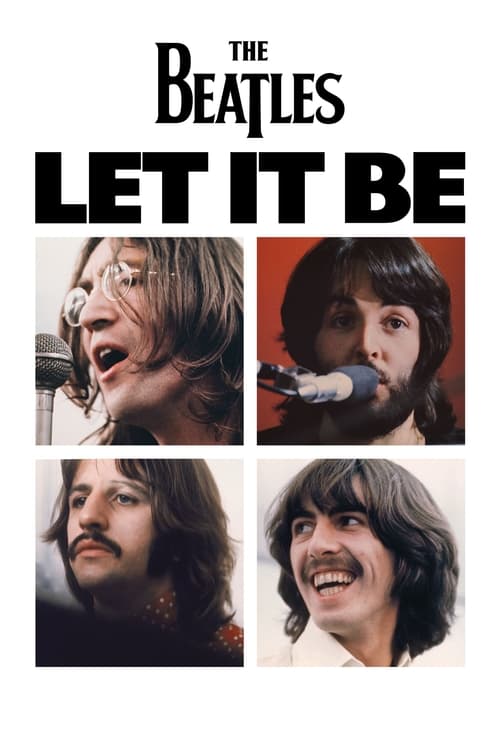
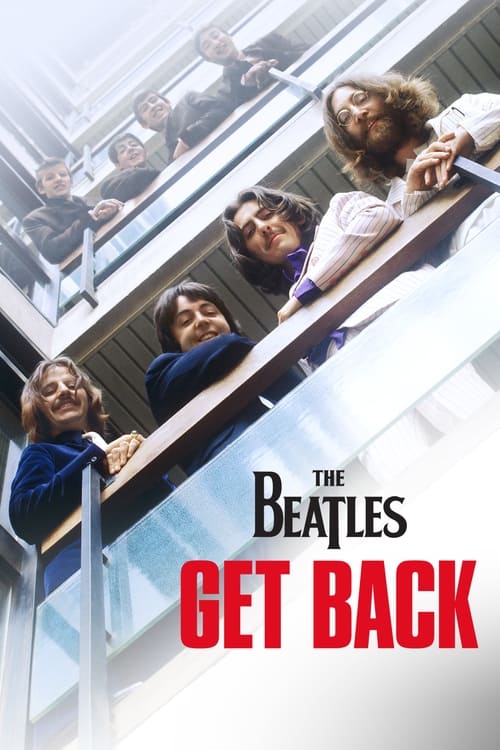

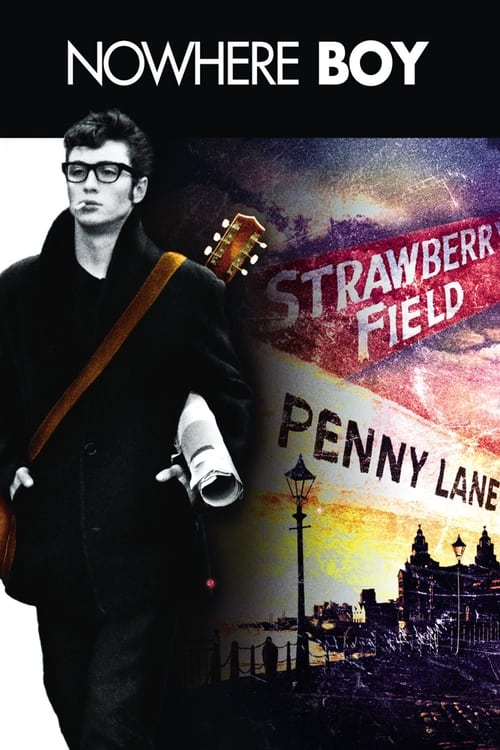
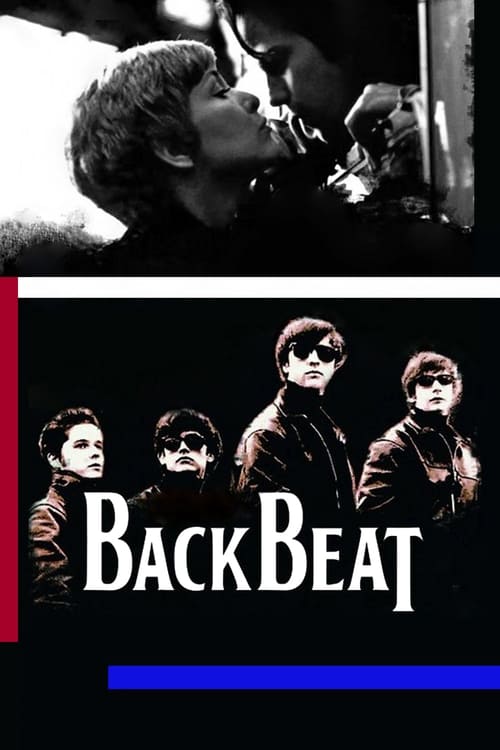
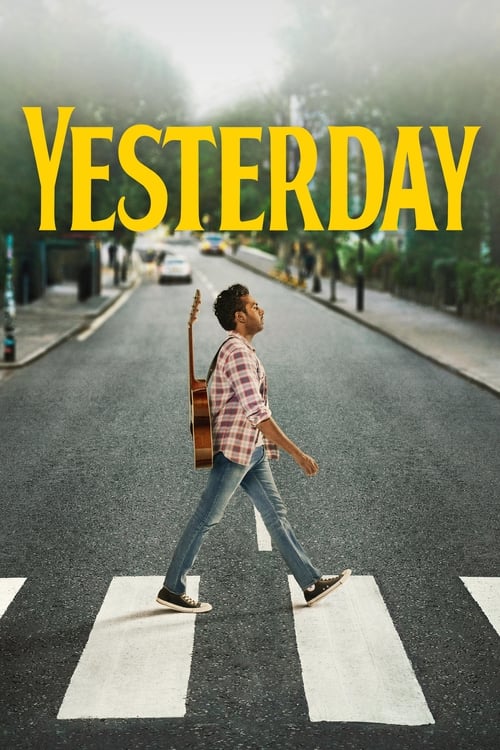
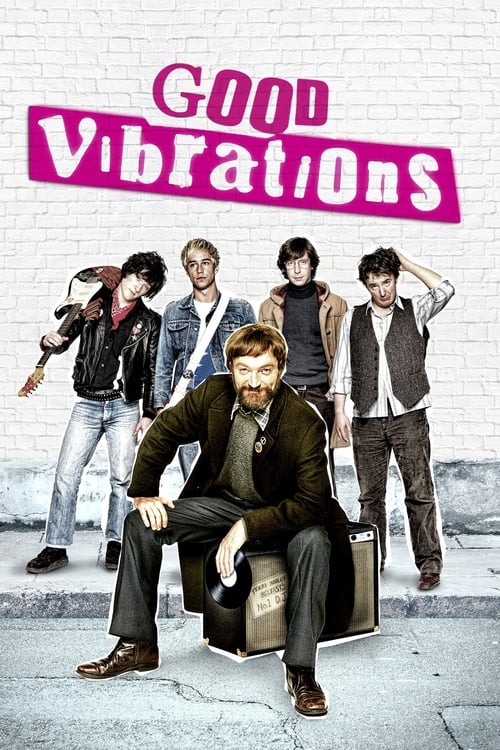
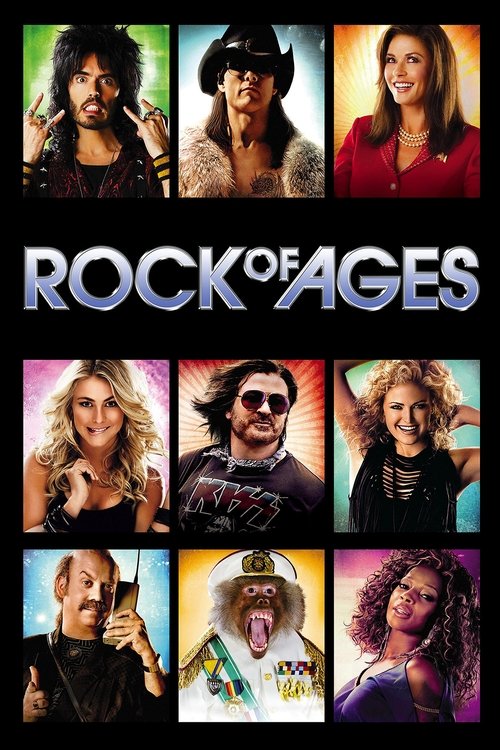
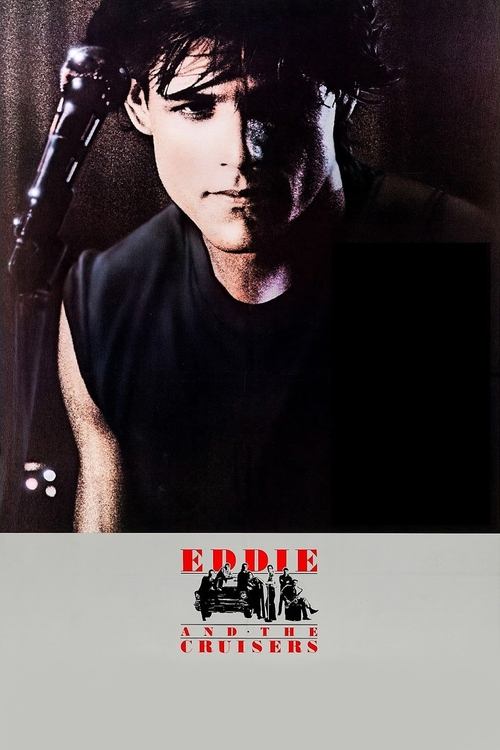
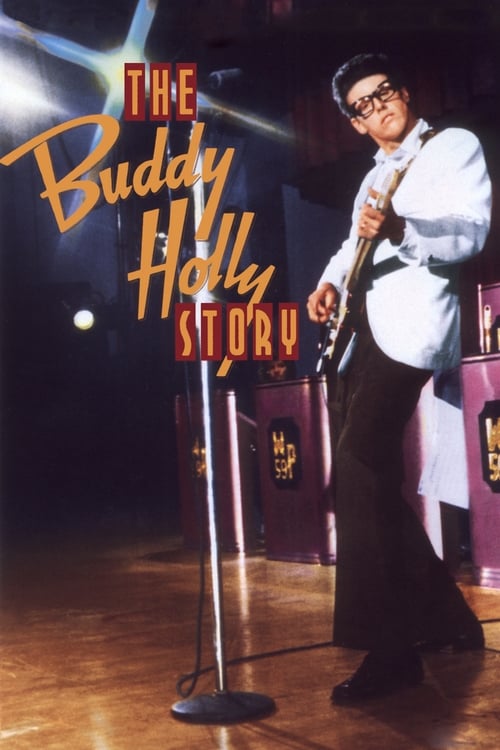
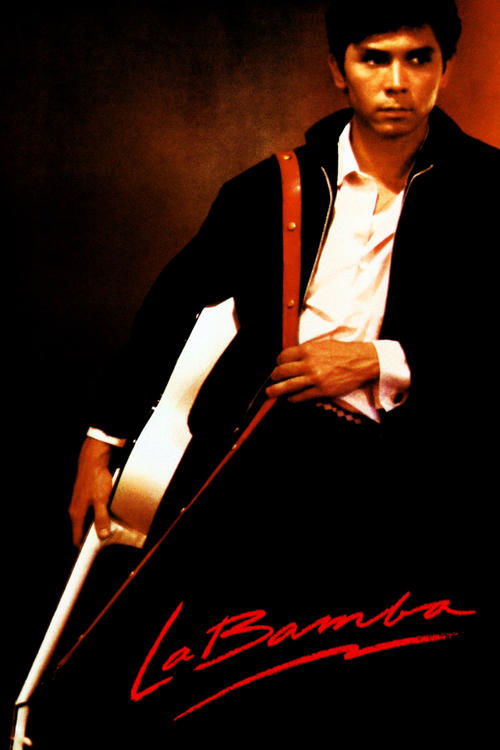
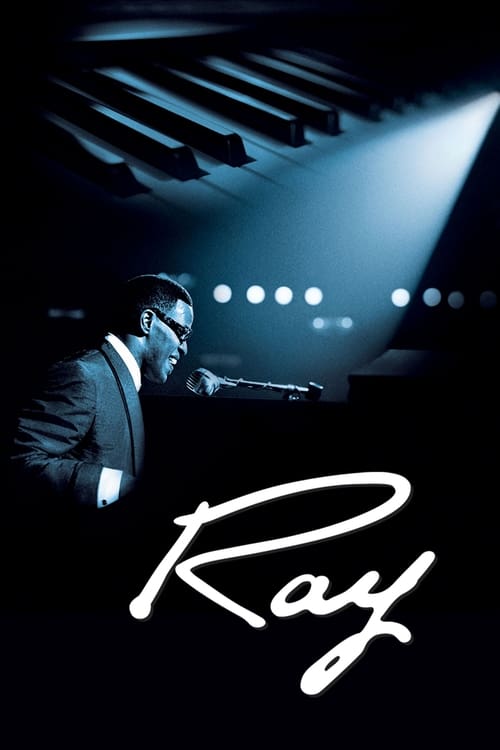
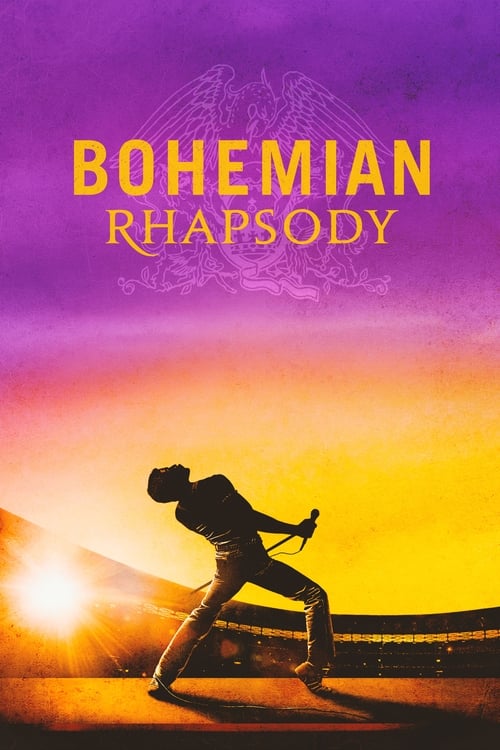
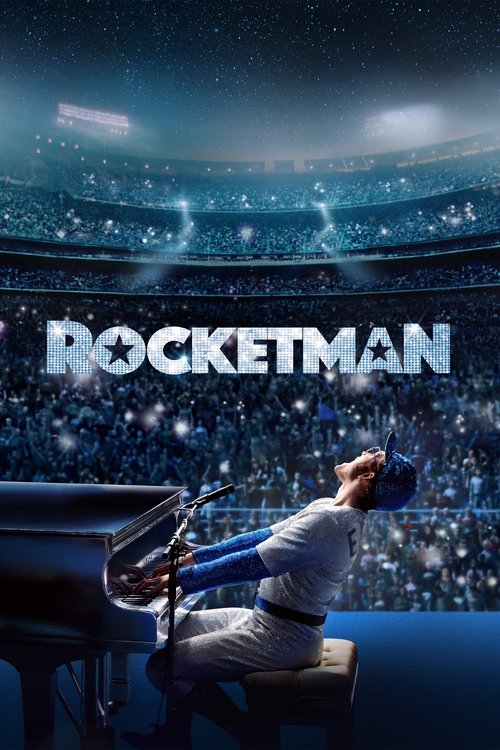
Music Biopics and Era Films
Feature films that capture the hunger, the road, and the friction of the early rock era.

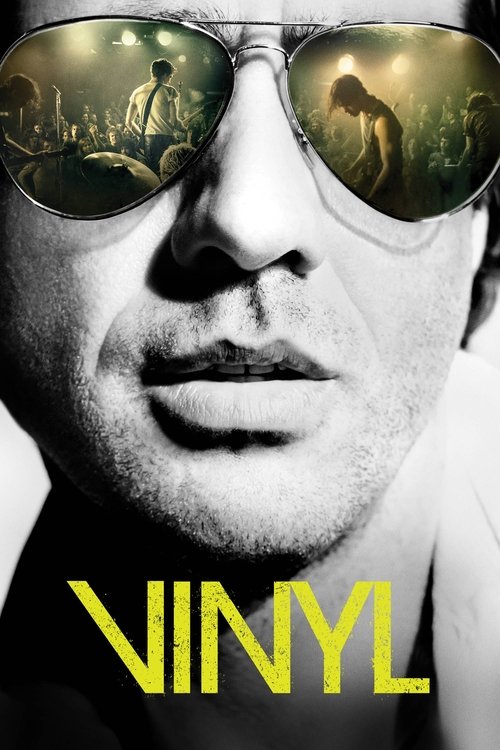
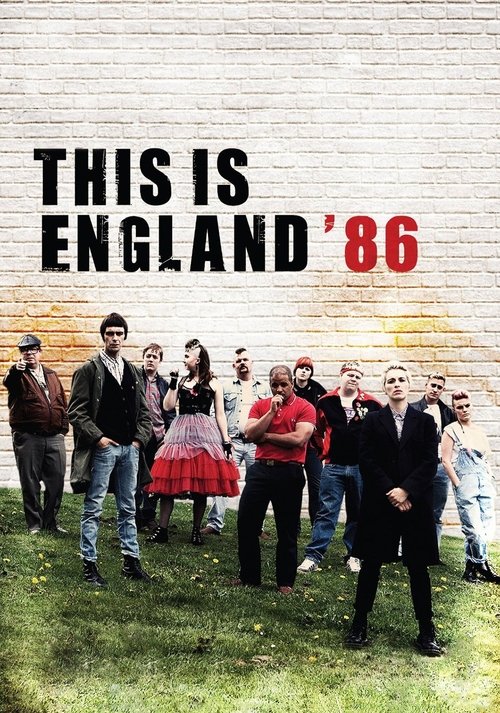
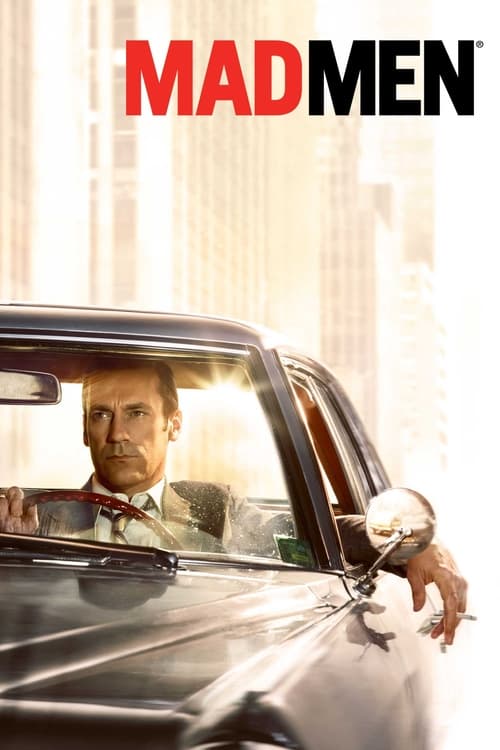
TV That Captures the Era's Energy
Series set in or shaped by the sixties British world, plus music-driven drama that shares Beatles for Sale's bittersweet register.
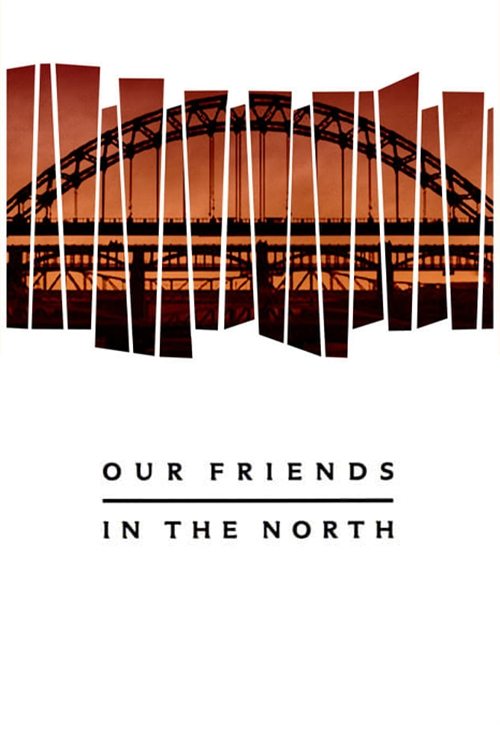
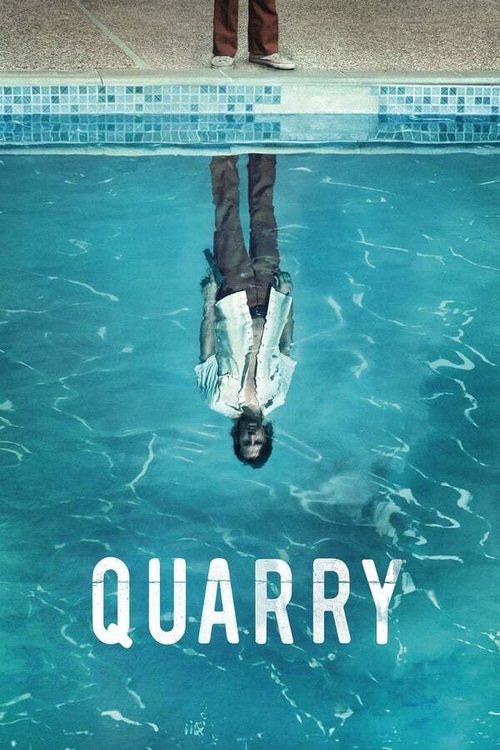
It was made in a fortnight between tours. You can hear the tiredness, and you can hear them fighting it.George Martin, on the recording sessions for Beatles for Sale
Books for the Fan Who Wants to Go Deeper
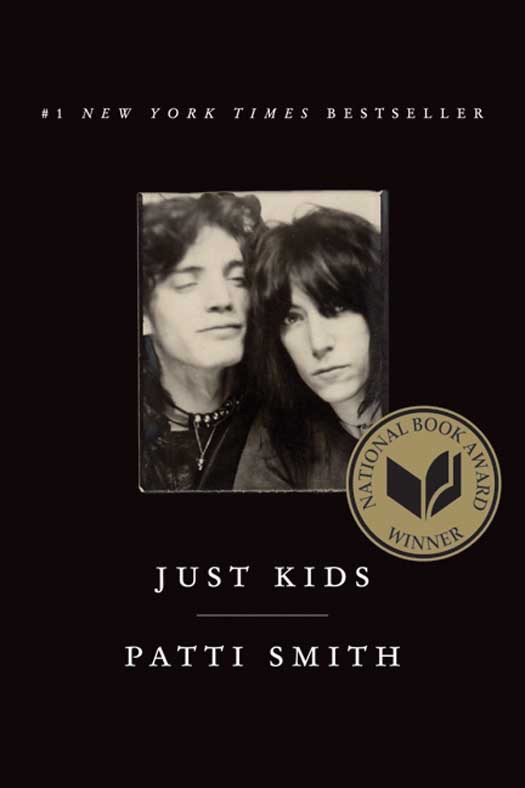
Memoirs, histories, and novels that trace the world Beatles for Sale came from, and the culture it helped unmake.


The Year That Made *Beatles for Sale*
- 1962The Beatles sign to Parlophone and release 'Love Me Do'; the Cavern years end.
- 1963Please Please Me recorded in a single day; Britain's first Beatlemania summer. Please Please Me
- 1964The Ed Sullivan appearance breaks America in February; the first world tour follows. A Hard Day's Night
- 1964Beatles for Sale recorded in under three weeks across October and November. Beatles for Sale
- 1965Bob Dylan introduces the group to marijuana; Rubber Soul signals the turn inward. Rubber Soul
- 1966The final concert at Candlestick Park; the group retires from live performance entirely. Revolver
- 1970Let It Be and Abbey Road released; the band dissolves in public. Let It Be
'I'm a Loser' Is a Turning Point
It is easy to overlook 'I'm a Loser' in a catalogue as large as the Beatles'. It should not be. The song is Lennon's first real attempt at confessional writing, openly Dylan-influenced in its imagery, and the emotion is not performed for teenagers but directed inward. For a band known at that moment for relentless cheerfulness, the move is startling. It plants the seed that grows into 'In My Life,' 'Help!,' and eventually 'Nowhere Man.' The whole arc of Lennon as an artist starts audibly here.
The Album Rewards Listening in Order
Streaming culture has made Beatles for Sale a shuffle record for most listeners, which is exactly the wrong way to hear it. The sequence is deliberate: the rockers front-load the album and create a burst of energy that the second side slowly drains away, ending on the quiet, reflective 'Ev'ry Little Thing' and the bluesy 'What You're Doing.' Heard in sequence, the record has a shape that matches its emotional content: loud and confident going in, quieter and more uncertain on the way out. That arc is why it sounds so different from With the Beatles even when the ingredients are similar.