
Released in July 2006, Black Holes and Revelations arrived as Muse's most fully realized statement: a record that grafted prog-rock operatics onto stadium electronics, wrapped paranoid geopolitical lyrics around orchestral crescendos, and proved that a three-piece from Teignmouth could credibly soundtrack the end of the world. Matt Bellamy had been reading Lyndon LaRouche pamphlets and conspiracy literature; he filtered that anxiety into something that felt genuinely apocalyptic rather than merely theatrical. The album opens with Knights of Cydonia's galloping riff and closes with it too, in spirit, the whole thing orbiting a sense of civilization teetering on a tipping point. Fans of this record tend to chase a specific feeling: music that is simultaneously enormous and earnest, politically charged without being didactic, and melodically so strong it earns every bombastic gesture. That through-line connects Muse to decades of cinematic rock, to the dystopian fiction that shaped the album's paranoid worldview, to films that share its cold-war-hangover dread, and to the concert spectacles that made this kind of music into a theatrical art form.
Essential Muse
The records that define the arc: from raw Devonian intensity to full-blown stadium mythology.
The Same Sky: Music That Shares the Frequency
Albums and artists orbiting the same gravitational pull, from prog grandeur to paranoid electronic rock.
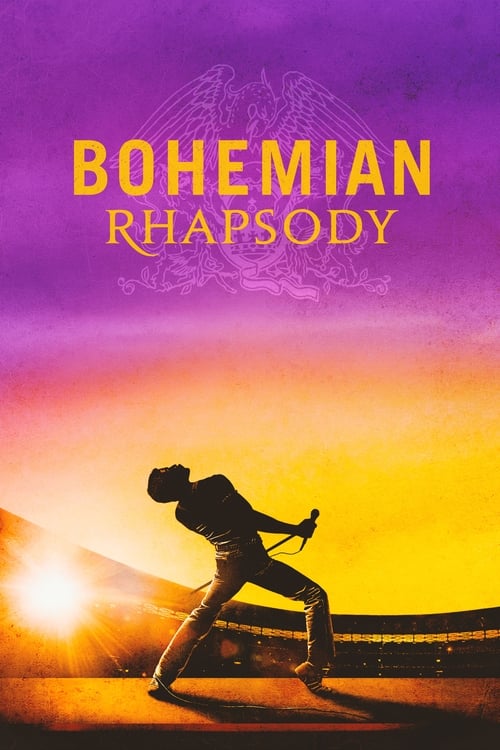
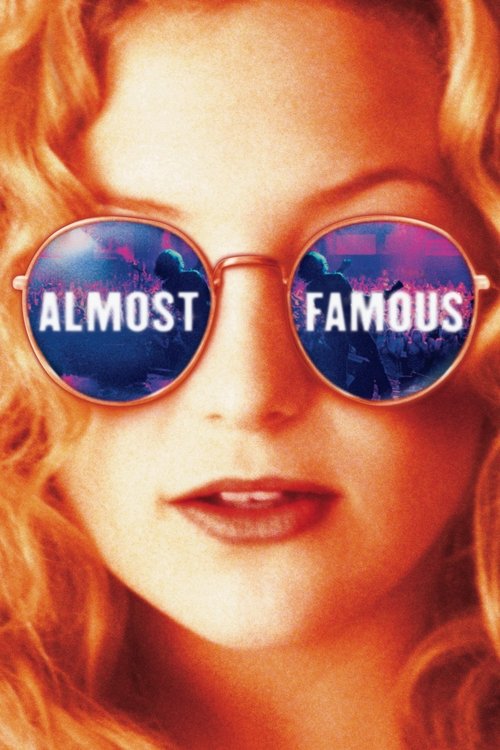
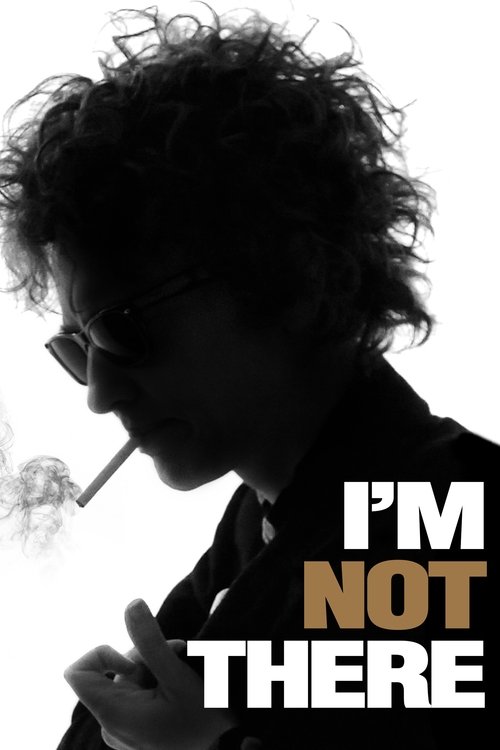
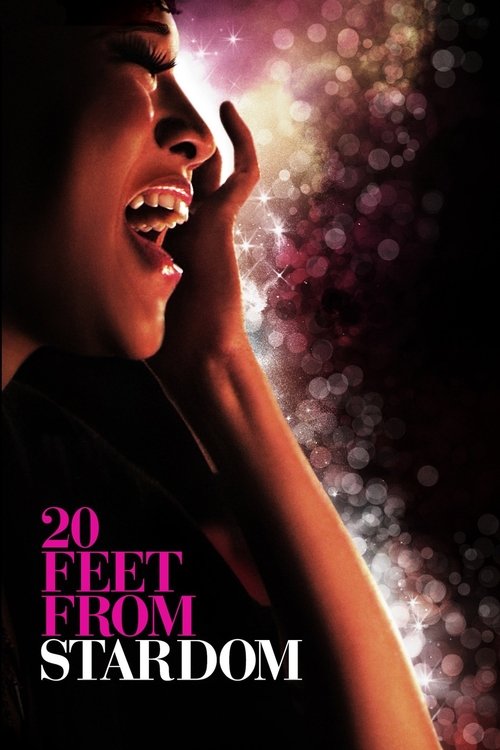
Biopics and Music Docs That Earn Their Running Time
Films about the obsession, the collapse, and the unlikely survival that defines rock mythology.



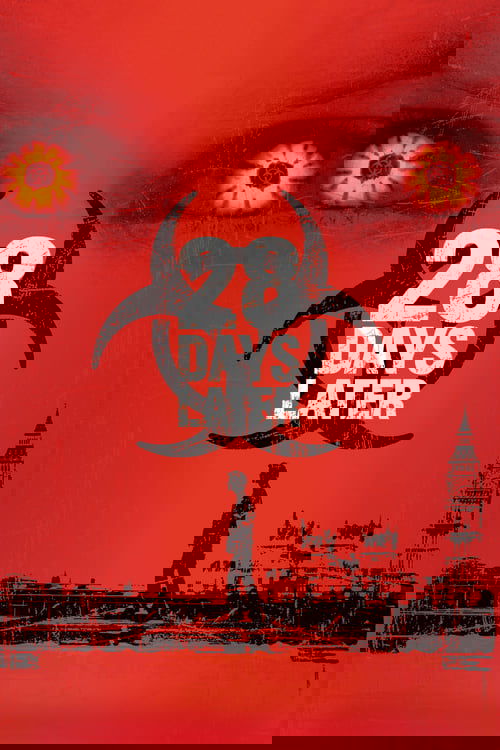
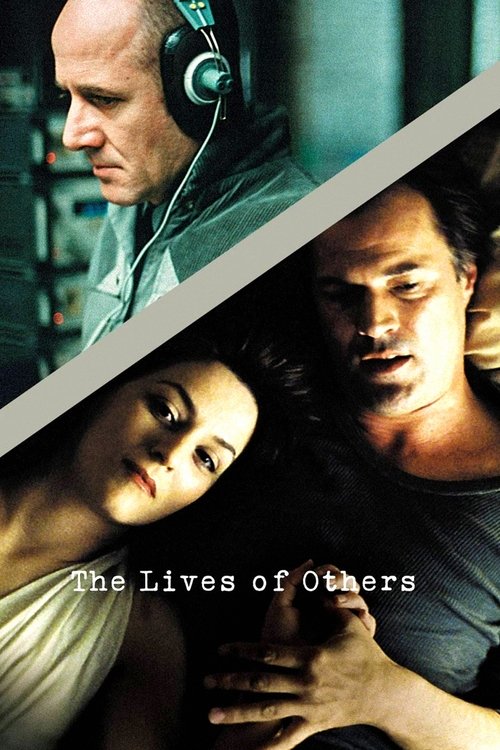
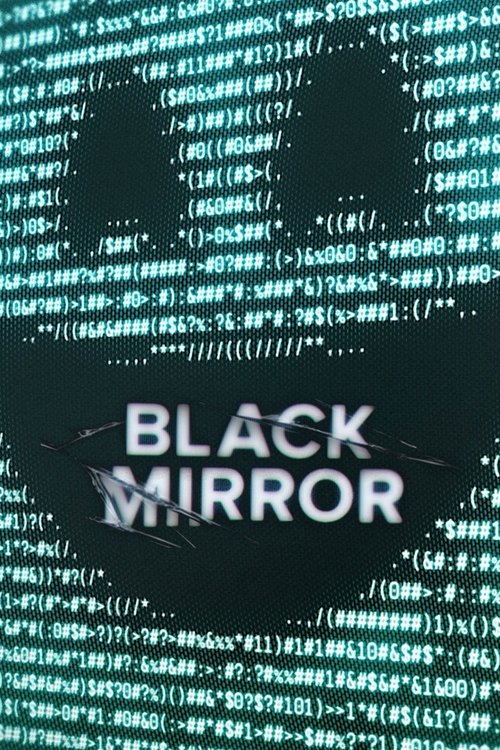
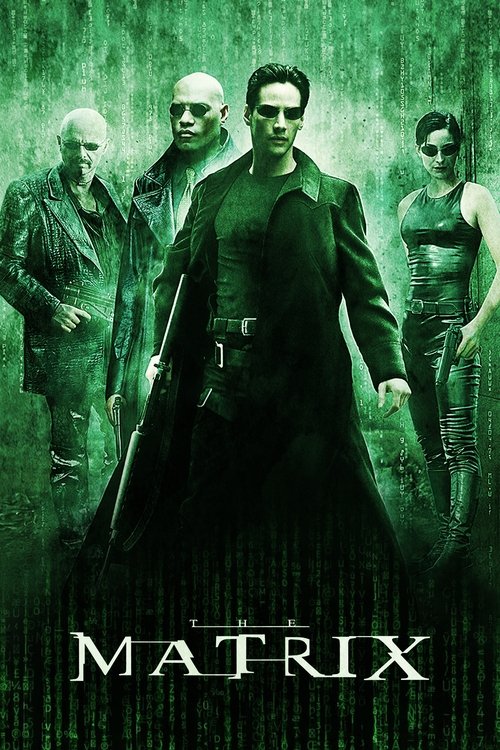
Cinematic Dread: Films and Series With the Same Paranoid Energy
The cold-war hangover, surveillance anxiety, and conspiratorial atmosphere that Black Holes and Revelations channels through its riffs.




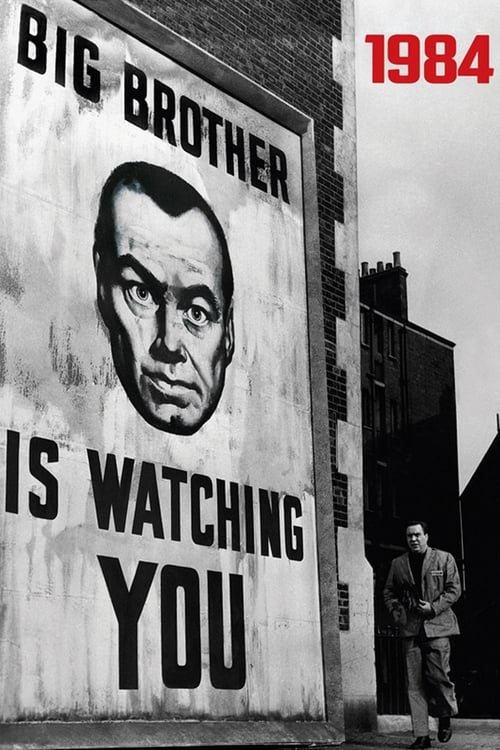

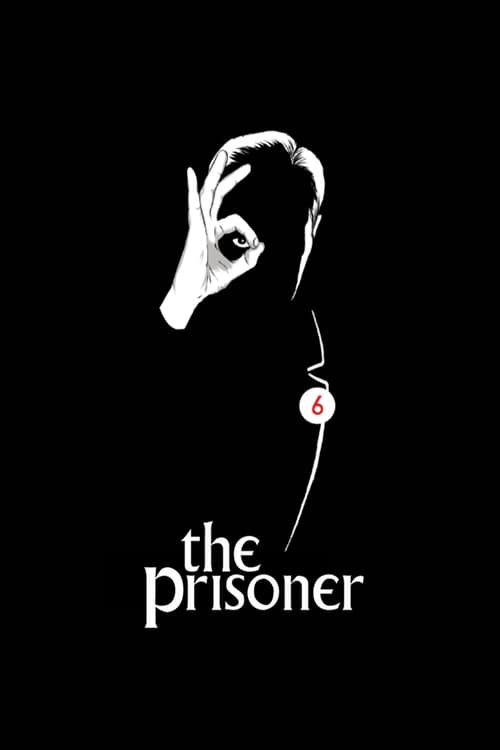
The Paranoid Shelf: Novels That Share the Album's Worldview
Dystopian fiction, conspiratorial thrillers, and political science fiction that reads like the album sounds.


Knights of Cydonia Is the Most Ridiculous Song Ever Recorded, and That Is Exactly Why It Works
The song opens with a spaghetti-western whistle, shifts through a galloping prog riff, and peaks at a choir chanting over Bellamy's falsetto climax. By any rational measure it should be preposterous. Instead it is genuinely rousing, the kind of song that makes people lift their arms in a stadium without quite knowing why. The lesson is that sincerity at sufficient volume becomes its own argument: when you commit this completely, the earnestness becomes the point.
Origin of Symmetry Remains the Better Album, and Most Muse Fans Know It
Black Holes and Revelations is the more accessible, the more varied, the more radio-ready record. But Origin of Symmetry is where the band sounds genuinely dangerous: the bass is absurd, the songs are longer and stranger, and New Born and Citizen Erased carry a violence that the polished 2006 production can't quite match. Both albums reward attention, but the earlier one leaves a deeper mark.
The 2000s Produced a Generation of Bands That Mistook Scale for Depth, and Muse Was the Exception
When stadium rock ballooned in the mid-2000s, most acts used the space for empty spectacle. Muse filled it with actual melodic craft and, crucially, a genuine political anxiety, however conspiratorially warped. Supermassive Black Hole and Map of the Problematique have a formal intelligence that the era's imitators never managed. In retrospect, the record sounds less like a period artifact and more like a band that had thought carefully about what it wanted to say.
Dystopian Fiction Is Better When It Is Specific About the Mechanics of Control
Orwell works because the bureaucracy of Airstrip One is painstakingly imagined. The same principle applies to the best political rock: Bellamy's lyrics, conspiracy-adjacent as they are, name specific systems (military-industrial complex, surveillance, media manipulation) rather than gesturing at vague darkness. It is a discipline that separates the artists who last from those who merely sound urgent for a year.
Muse: From Teignmouth to the Stratosphere
- 1994Bellamy, Howard, and Wolstenholme form the band in Teignmouth, Devon, under various names before settling on Muse.
- 1999Debut album released, rawer and more grunge-adjacent than anything that follows. Showbiz
- 2001Origin of Symmetry cements the heavier, weirder direction and nearly breaks them into the mainstream. Origin of Symmetry
- 2003Absolution becomes the first Muse album to debut at number one in the UK. Absolution
- 2006Black Holes and Revelations arrives, a record that opens with Supermassive Black Hole and closes with Knights of Cydonia, and leaves very little room for modesty. Black Holes and Revelations
- 2009The Resistance, recorded in the band's own studio, goes further into prog and orchestration. The Resistance
- 2012The 2nd Law debuts at number one across multiple countries; the band headlines the Olympics closing ceremony. The 2nd Law
- 2015Drones, a concept album about drone warfare and mind control, is performed in full on tour with theatrical staging. Drones
- 2018Simulation Theory leans harder into 1980s synth aesthetics and science fiction visuals. Simulation Theory
- 2022Will of the People continues the band's habit of arriving at the exact cultural moment of maximum political anxiety. Will of the People
You know the time is right / We must install microchips in all our minds / Get in line, or kiss your life goodbye.Muse, Assassin (Black Holes and Revelations, 2006)