

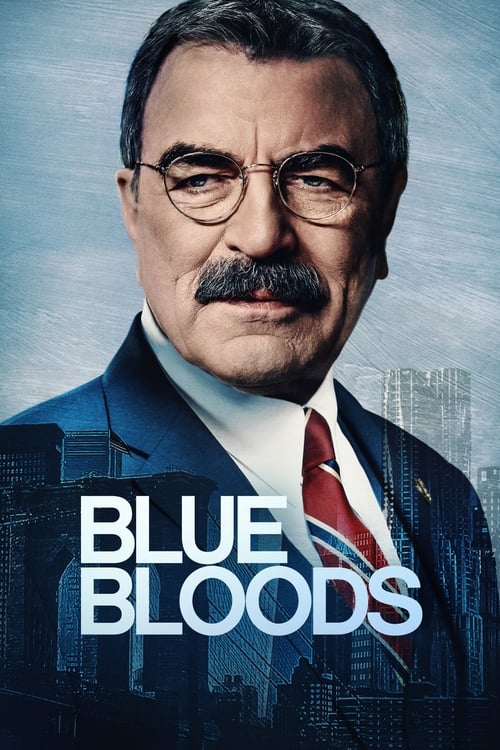
Blue Bloods ran for fourteen seasons on CBS because it understood something most procedurals skip: the job doesn't stop at the precinct door. The Reagans are a New York police dynasty, and the show's engine is the friction between generations at that Sunday dinner table. Frank holds the NYPD. Danny works homicide. Erin prosecutes. Jamie walks a beat. Each sees the same city through a different lens, and the series earns its drama by refusing to let any one of them be completely right. The through-line fans love is not the case of the week but the weight of institutional loyalty, the cost of keeping faith with a code, and the way family and duty tangle in ways that can't be cleanly separated. This guide follows that thread across TV, film, books, and games.
When the Job Is the Family Business
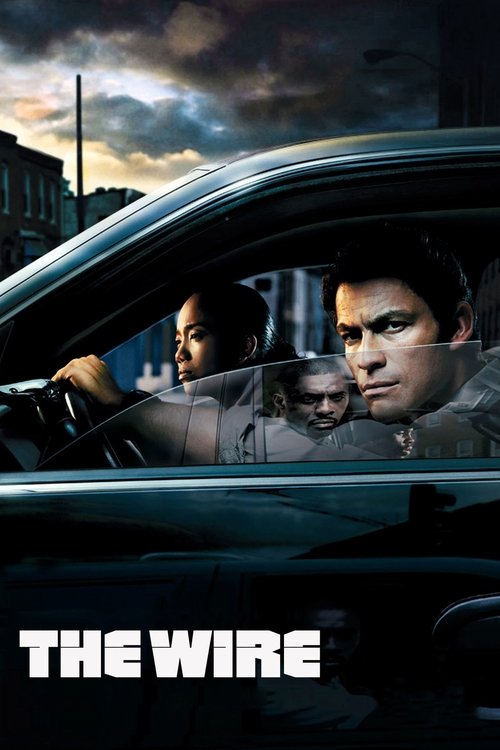
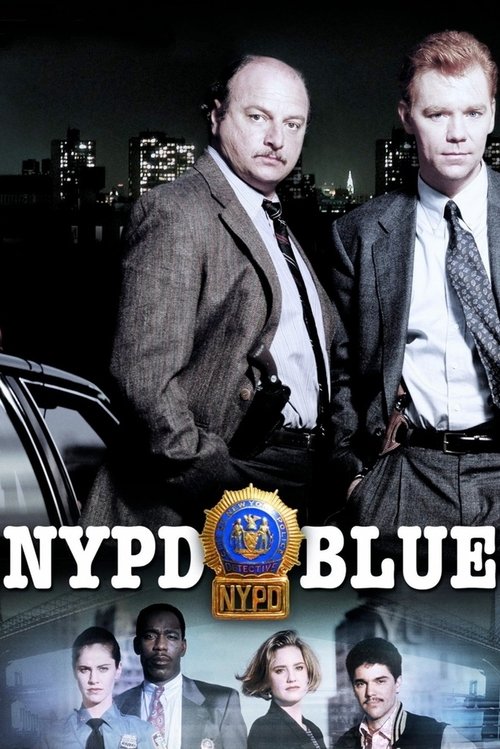
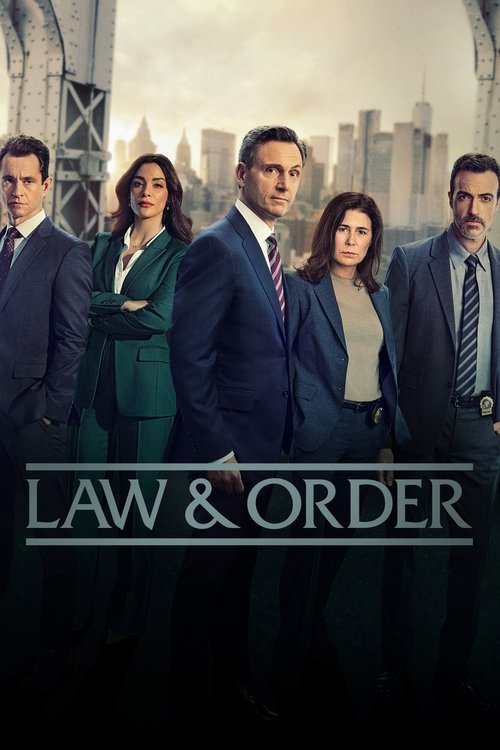
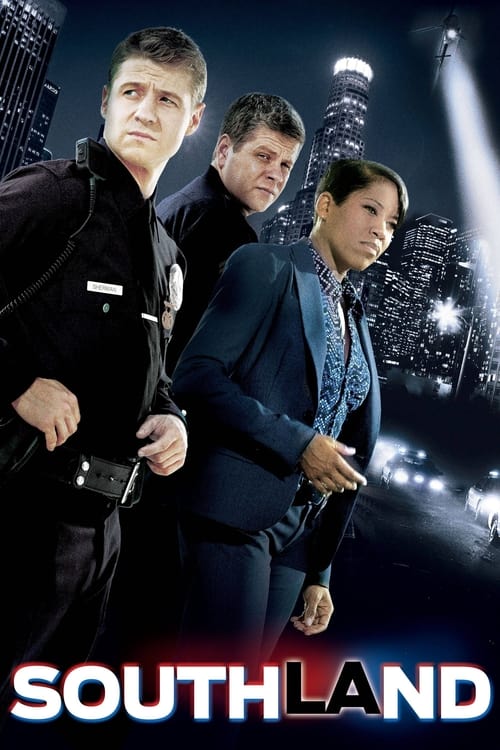
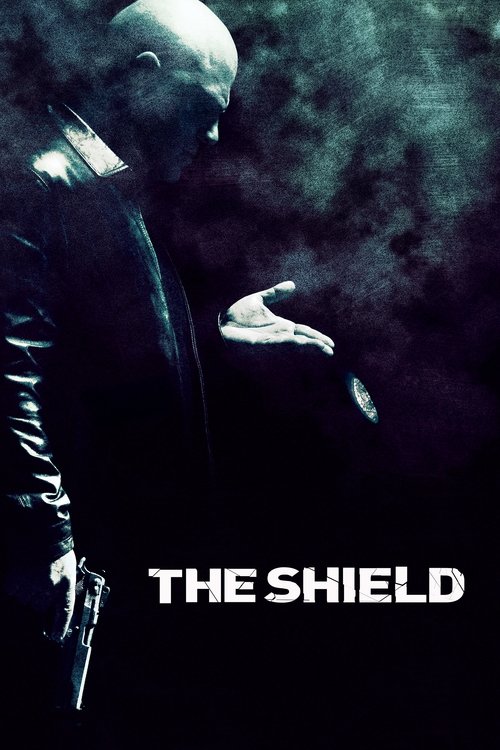
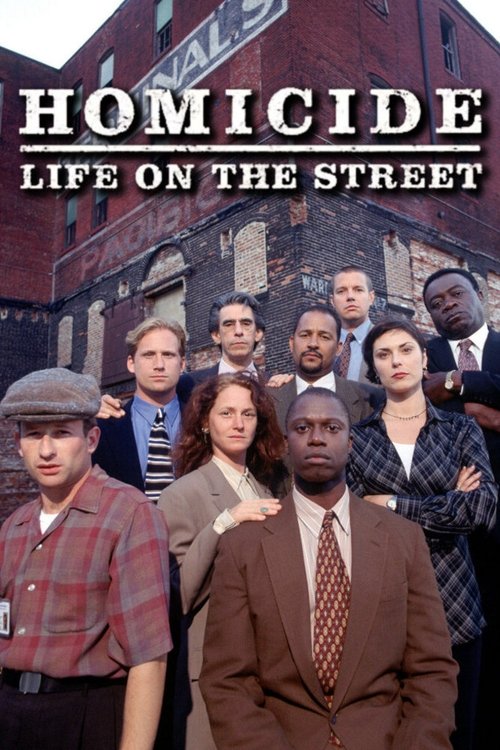
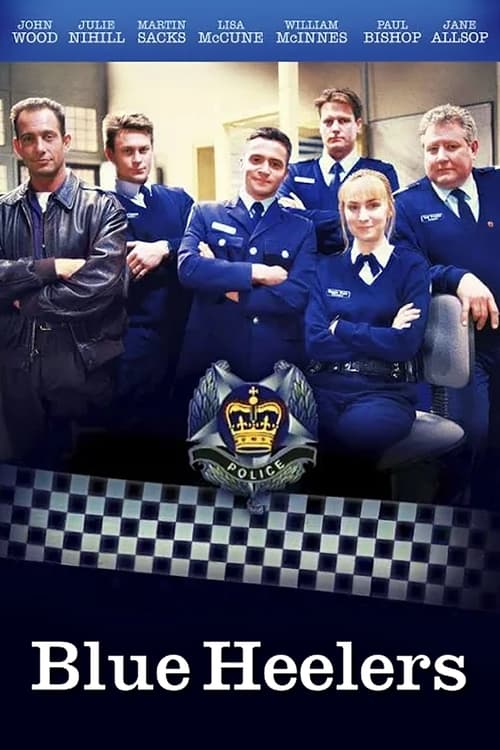
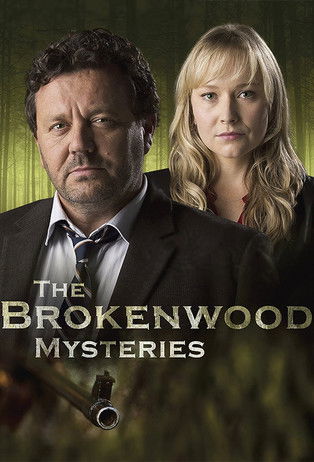
Series built around dynasties, lineages, and institutions that outlast any single character.

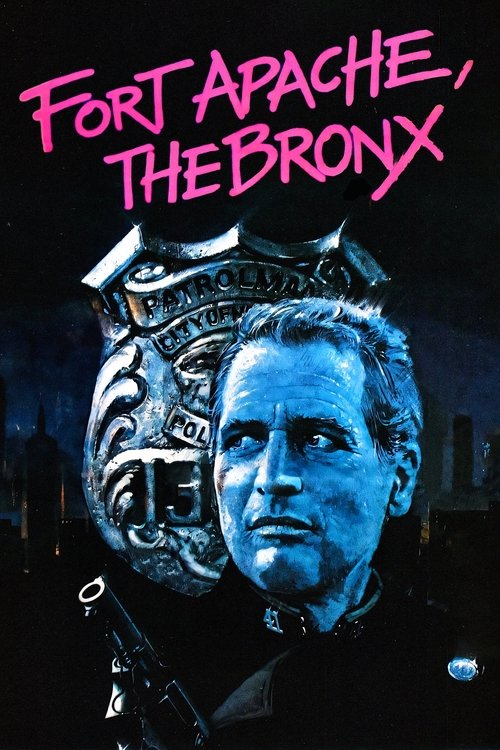
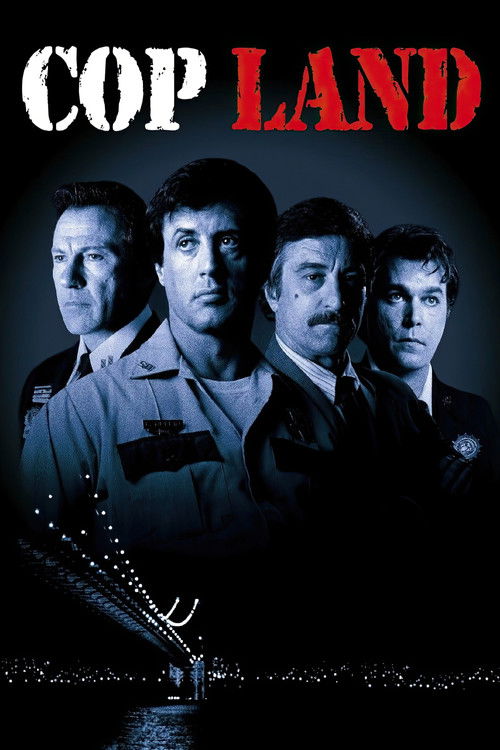
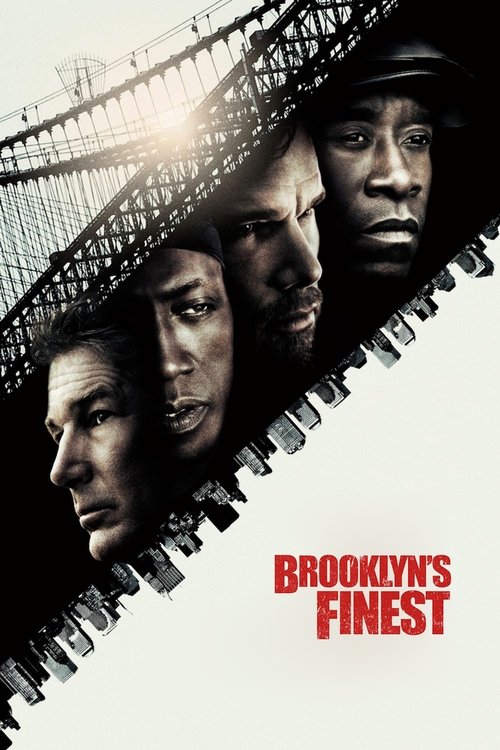
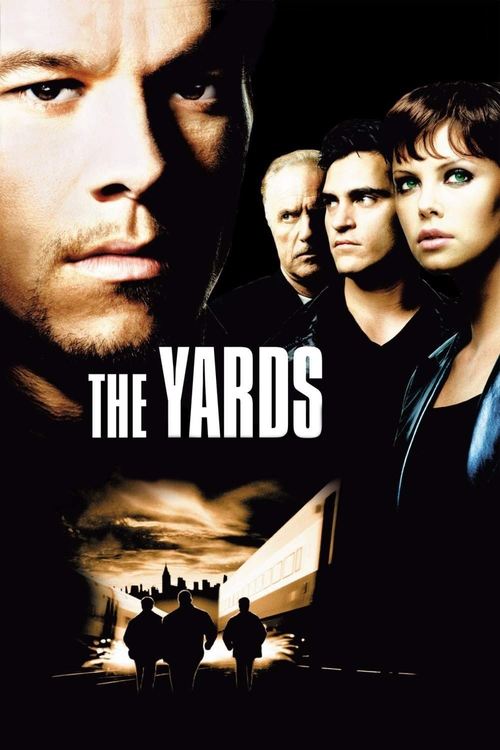
New York in Uniform: Films That Get the City Right
Movies where the NYPD, the borough, and the moral fog are characters in themselves.



Badge and Conscience: The Novels Behind the Precinct
Crime fiction that shares Blue Bloods' interest in duty, moral compromise, and the long view of a city.


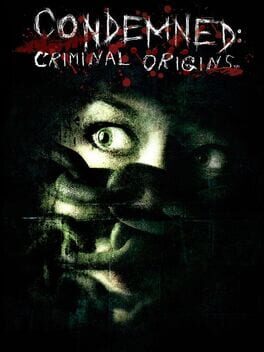
Procedural Power: Games That Put You on the Force
Games where investigation, chain of command, and moral calls under pressure mirror what the Reagans face every episode.


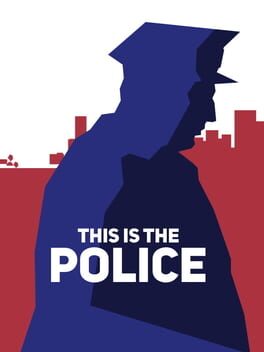
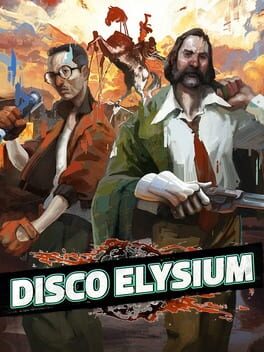

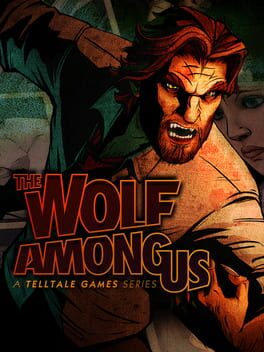
The Sunday Dinner Table Is the Show's Real Set Piece
Most procedurals use a case to test characters from the outside. Blue Bloods turns that inside out: the dinner table tests the characters from within the family. The best episodes don't resolve at the arrest; they resolve when someone at that table concedes something. Comparable ensemble dramas that use a recurring domestic ritual as the load-bearing dramatic structure are rare on American TV, and that rarity is a big part of why the show ran so long.

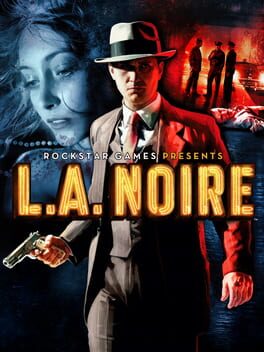
L.A. Noire Remains the Closest a Game Has Come to the Show's Register
L.A. Noire puts you in a period LAPD detective's shoes and asks you to read faces, weigh testimony, and make moral calls with incomplete information. The period and city differ from Blue Bloods, but the emotional register is identical: institutional loyalty under strain, cases that implicate the department, and the knowledge that the right call and the clean call are rarely the same thing. No game since has matched its willingness to make the player feel the weight of the badge.
The Best Blue Bloods Film Equivalent Was Made in 1973
Serpico is the anti-Reagan film: a cop who refuses to belong to the institution the Reagans embody. Watching it alongside Blue Bloods is the most useful double feature the genre offers, because it makes explicit what the show is arguing. The Reagans are not naive about corruption; they are people who chose to stay inside the institution and fight from within. Serpico shows what it costs to do the opposite. The conversation between the two works is more interesting than either alone.
The Precinct Drama: A Short History
- 1956Ed McBain publishes the first 87th Precinct novel, establishing the ensemble procedural template.
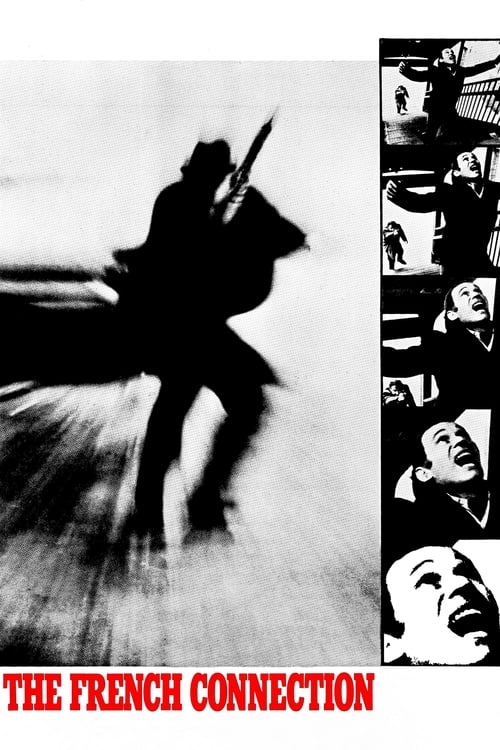
- 1971The French Connection wins Best Picture and sets the template for gritty New York cop cinema. The French Connection
- 1973Serpico defines the corrupt-department thriller and gives the genre its conscience archetype. Serpico
- 1981Hill Street Blues premieres on NBC and reinvents the TV police procedural as an ensemble drama. Hill Street Blues
- 1993NYPD Blue brings cinematic grit and moral ambiguity to network primetime. NYPD Blue
- 1993Homicide: Life on the Street adapts David Simon's book and sets the standard for authentic precinct storytelling. Homicide: Life on the Street
- 2002The Wire premieres on HBO and expands the precinct drama into a systemic portrait of a city. The Wire
- 2010Blue Bloods premieres on CBS, adding the multi-generational family angle the genre had largely ignored. Blue Bloods
- 2011L.A. Noire brings the moral ambiguity of the classic police procedural into interactive form. L.A. Noire
- 2024Blue Bloods concludes after fourteen seasons, one of the longest-running police dramas in network history. Blue Bloods
The Reagans don't fight the system. They are the system, and they're watching it from the inside, hoping their weight is enough to hold it straight.CrossBinge editorial