

Alberto Bevilacqua's Bosco d'amore (1981) is a road film that happens to be set in 14th-century Italy, during the Black Death, with the Pope exiled to Avignon and mercenary armies quarreling over the peninsula. Two young people, one noble and one not, are pushed out of Rome for their own protection, lose their horses, and walk. What follows is a picaresque procession of encounters drawn from Boccaccio's Decameron: mystics, soldiers, opportunists, priests. Bevilacqua doesn't turn any of them into villains. He's too fascinated by human appetites to moralize. The couple's cross-class bond is the emotional spine, but the film's real subject is what a catastrophically disordered world looks like from street level, and how ordinary people improvise dignity inside it. Fans of Bosco d'amore tend to be drawn to that combination: period Italy rendered as tactile and chaotic rather than picturesque, love stories that are tested by circumstance rather than by internal drama, and storytelling that lifts its structure from Boccaccio's own episodic warmth toward human weakness.
The Boccaccio Line
Films that share the source, the spirit, or the picaresque method.
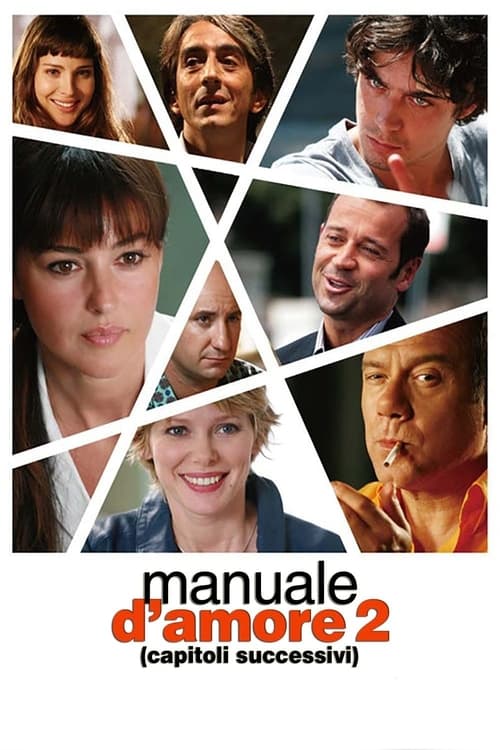
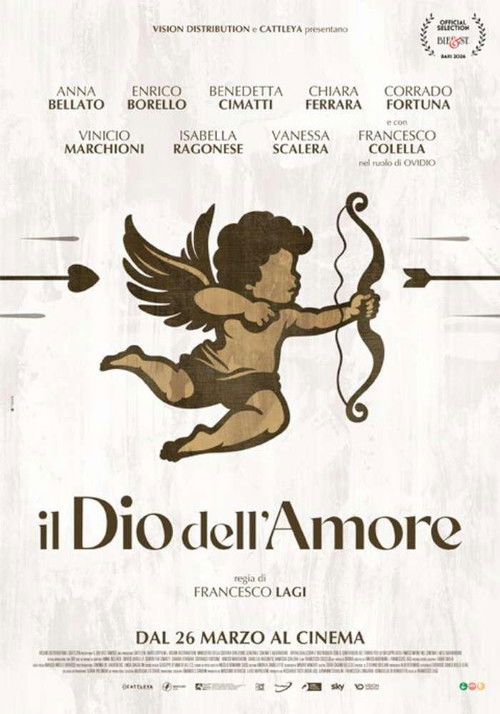
Italian Lives, Class and Circumstance
TV series where Italian society is the real protagonist and love crosses the lines it is not supposed to.



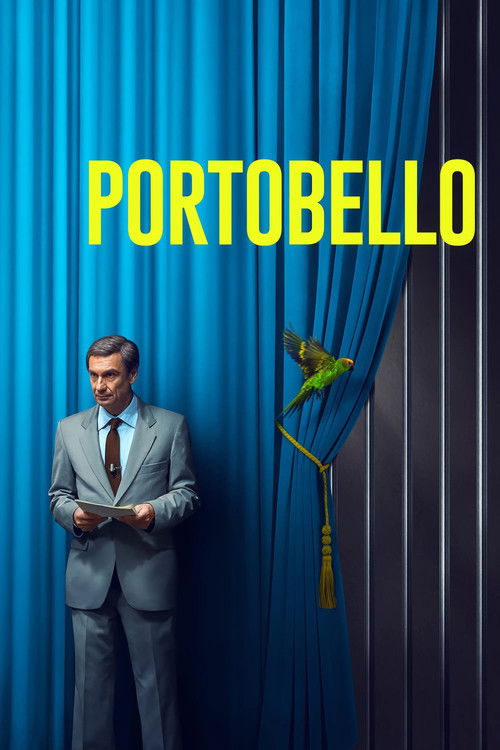
History as Intimacy: Books in the Same Register
Novels where turbulent historical periods become the pressure that reveals what love and ambition are actually made of.


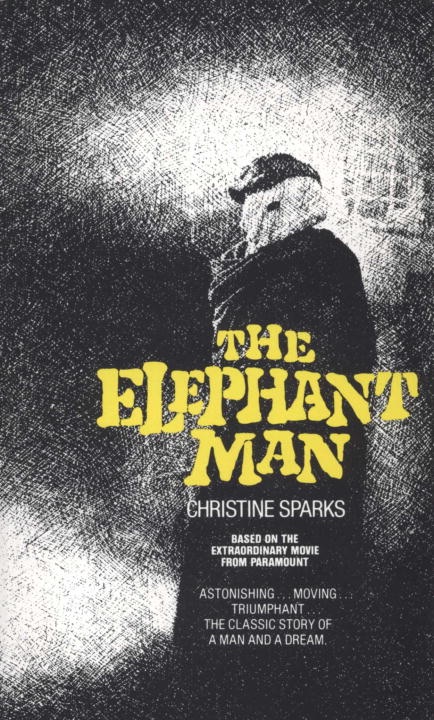


Pasolini's Decameron is the essential counterpoint
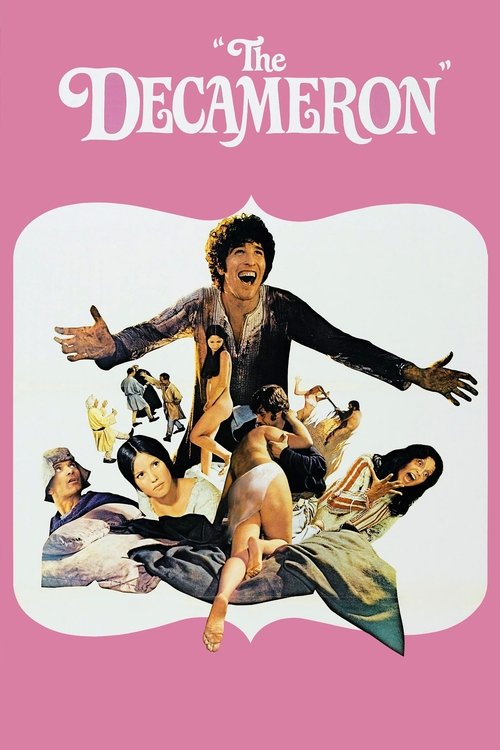
Pier Paolo Pasolini's 1971 The Decameron is the film every Bosco d'amore viewer should see alongside it. Pasolini renders the same source material as something carnivalesque and earthy, with a genuine relish for the body and the transgressive energy of medieval life. Bevilacqua is warmer, more romantic. The two films read each other well: one gives you irony and appetite, the other gives you feeling and journey. Neither is a 'faithful adaptation' in the academic sense, and that's exactly what makes both worth returning to.
The Taviani brothers' version earns its place in 2015
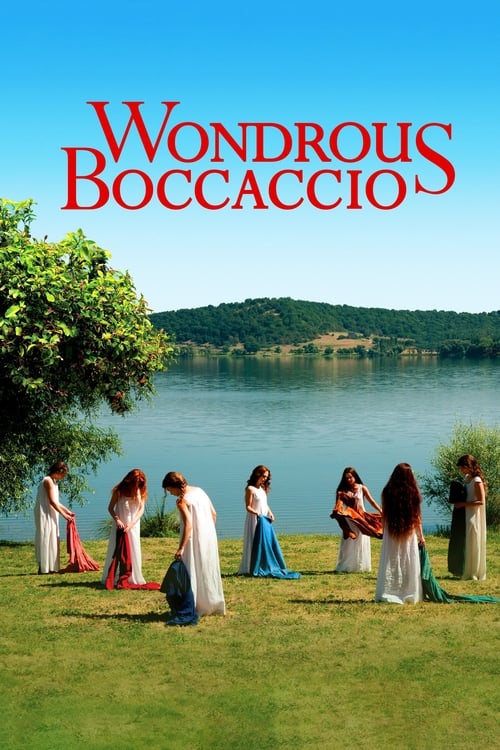
Paolo and Vittorio Taviani returned to the Boccaccio premise with Wondrous Boccaccio (2015), staging the flight from plague-stricken Florence as an occasion for storytelling. Where Bosco d'amore follows a continuous journey, the Taviani film breaks into discrete tales. The result is less emotionally sustained but visually sumptuous, and it makes a persuasive case that the Decameron's structure, people telling each other stories to survive fear, is not just a narrative device but a credible human response.
Class tension in Italian storytelling rarely ages
What keeps Bosco d'amore from feeling like a costume piece is the weight Bevilacqua gives to the social gap between his two protagonists. His noble family's opposition to the match is not presented as mere prejudice; it has real economic logic. The same tension runs through Italian popular storytelling across decades, from the choral romantic comedies of the 2000s to contemporary TV series. Italian culture has a long memory for the social choreography of who is permitted to love whom, and when that memory shows up in screen drama it tends to land.
A History of Italy Through Its Cinema
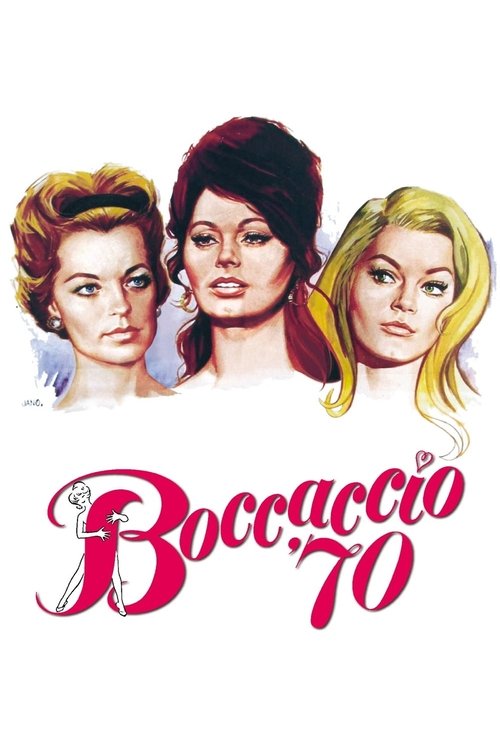
- 1962Italian neorealism gives way to ironic anthology comedies Boccaccio '70
- 1971Pasolini films the Decameron as carnivalesque body-poetry The Decameron
- 1981Bevilacqua puts Boccaccio's 14th century on its feet as a continuous love story Bosco d'amore
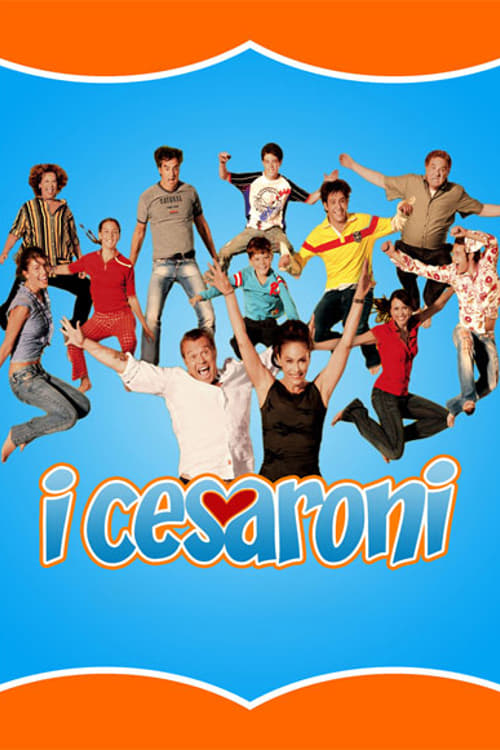
- 2006Italian TV discovers the long-running cross-class family comedy The Cesaronis
- 2015The Taviani brothers return to the Decameron's plague premise Wondrous Boccaccio
- 2018Young Romans living double lives echoes the film's rebellious youth under pressure Baby
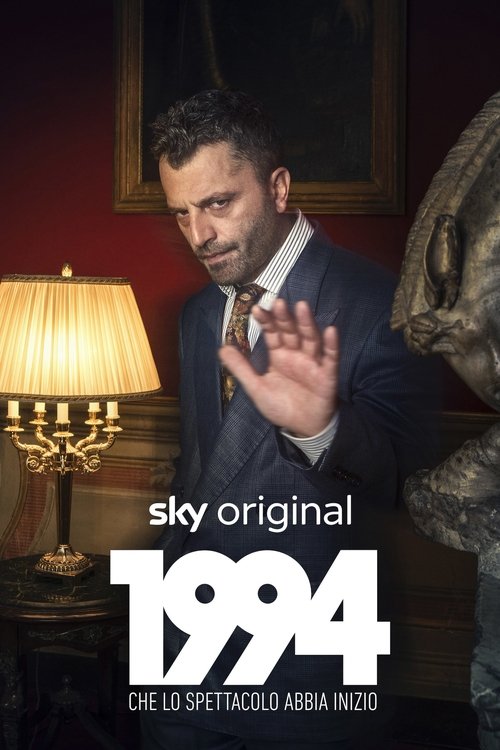
- 2019Italian political crisis reimagined as personal drama 1994
A world ending its old order is also, always, the world where two young people are trying to stay together.The through-line from Boccaccio to Bevilacqua