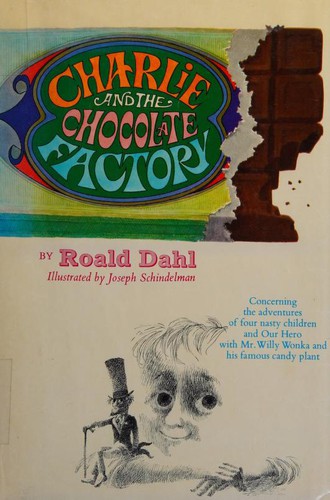

Roald Dahl's 1964 novel works a very specific kind of magic: it presents a luminous fantasy — a child elevated from poverty into wonder — while keeping the darkness right at the surface. The chocolate waterfall is real, and so is the punishment. What fans chase is that precise tonal balance: sweetness that has a bitter edge, moral clarity delivered through gleeful cruelty, and the sense that imagination itself is a moral force. The factory is a machine for sorting souls, and Charlie Bucket survives it not by being clever but by being decent. That combination — enchantment that judges, beauty that bites — is the thread running through everything recommended here.
Essential Roald Dahl
The core of the Dahl universe: books that share the factory's whimsy-with-consequence.


From Page to Screen: Adaptations and Kindred Films
Every major screen version of the factory, plus films that inhabit the same dream-logic of dark childhood wonder.


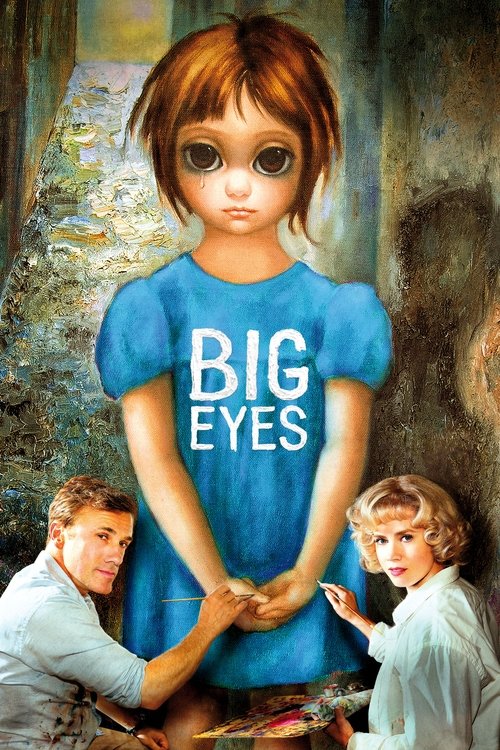
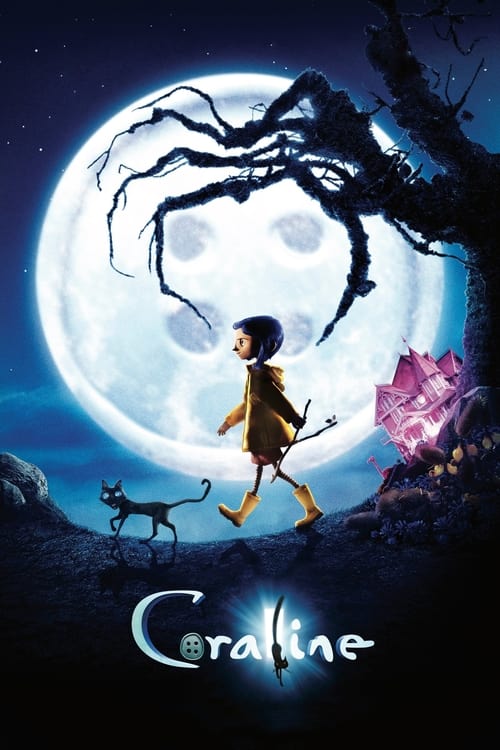
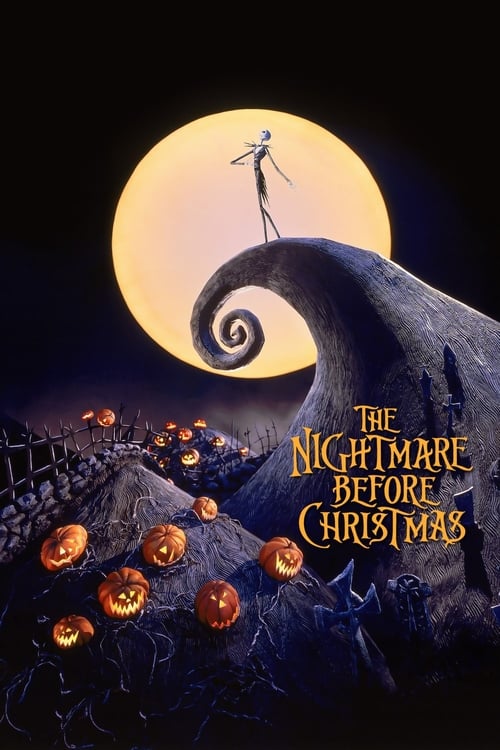
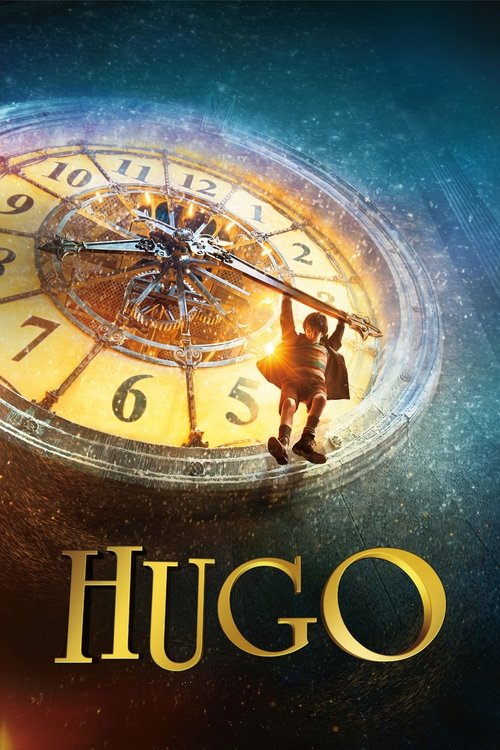
Whimsy With a Sting: Novels in the Same Vein
Children's and adult fiction that pairs enchantment with genuine unease.


A little nonsense now and then is relished by the wisest men.Willy Wonka (Willy Wonka and the Chocolate Factory, 1971)
Strange Worlds on Screen: TV Series for the Same Taste
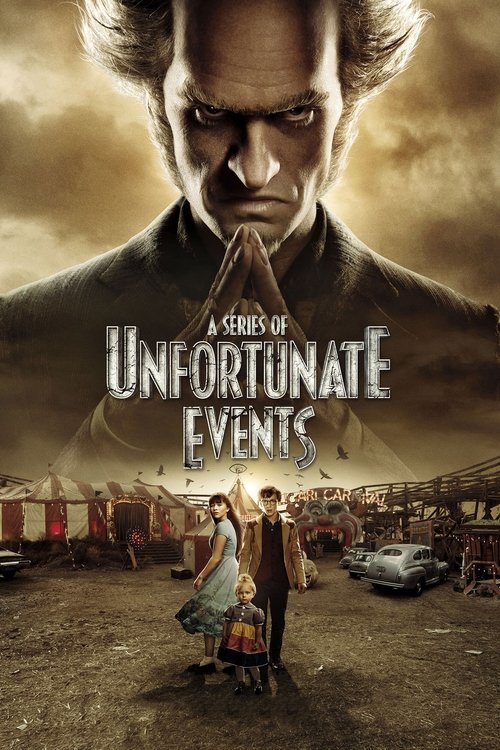
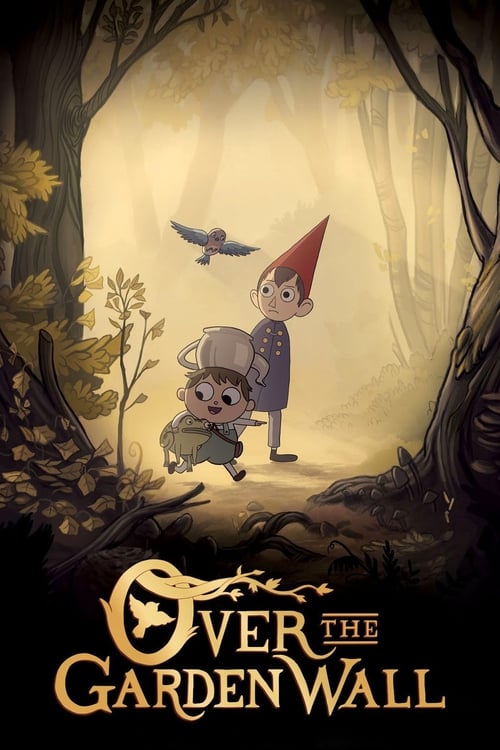
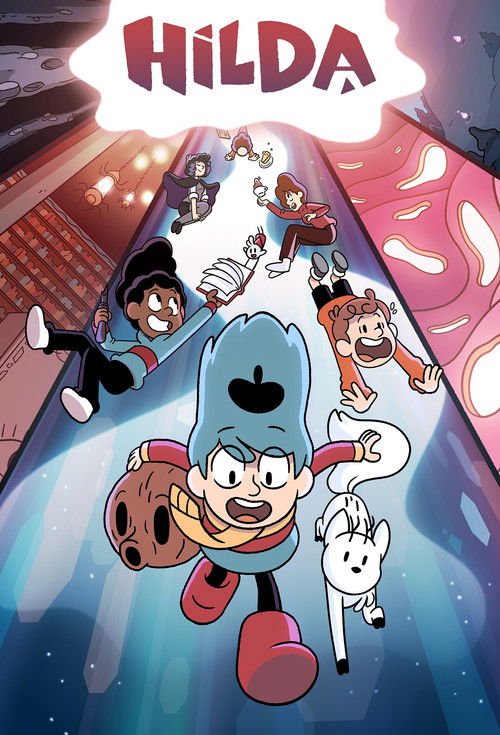
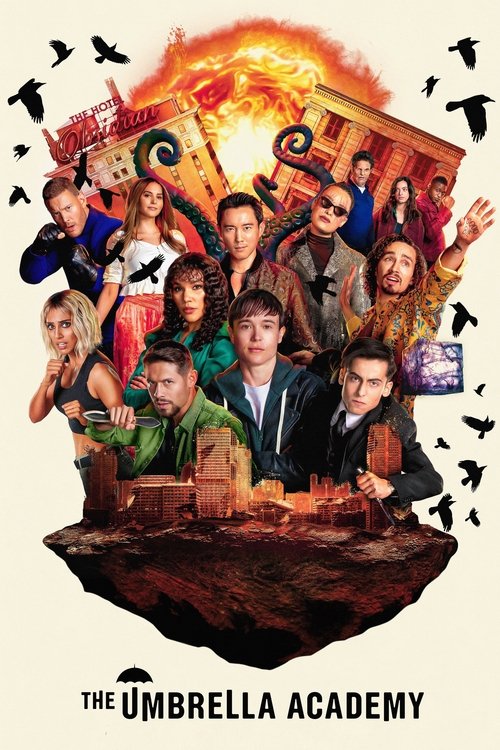
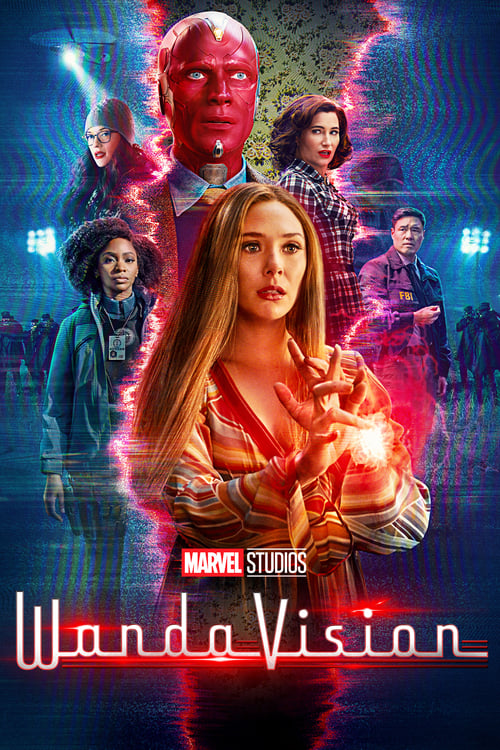
Series that build elaborately strange enclosed universes with moral architecture beneath the surface.

Games of Wonder and Consequence
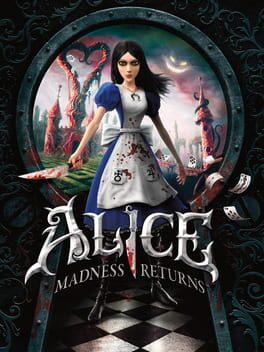
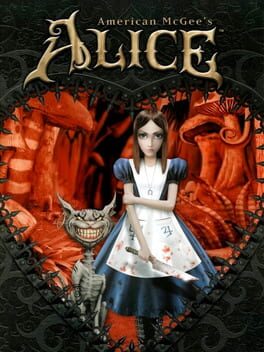
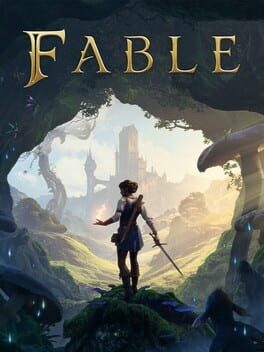
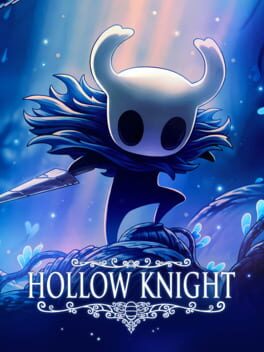
Games that share the factory's logic: a whimsical space with hidden rules, moral tests, and rewards for the pure of heart.
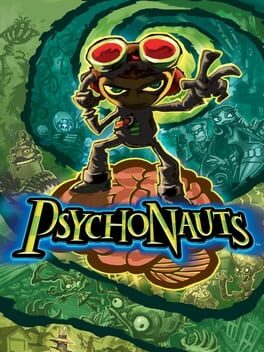
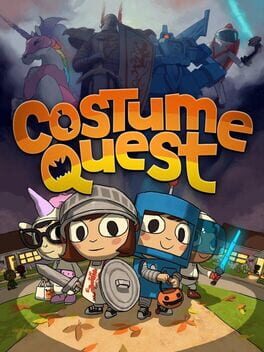
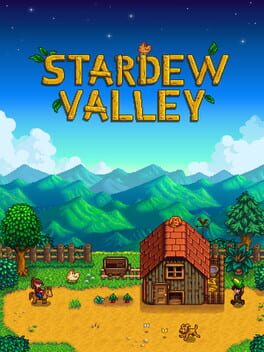
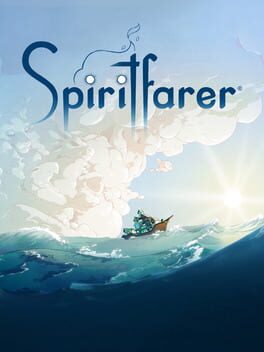
The 1971 Film Is a Different Animal, and That Is Its Strength
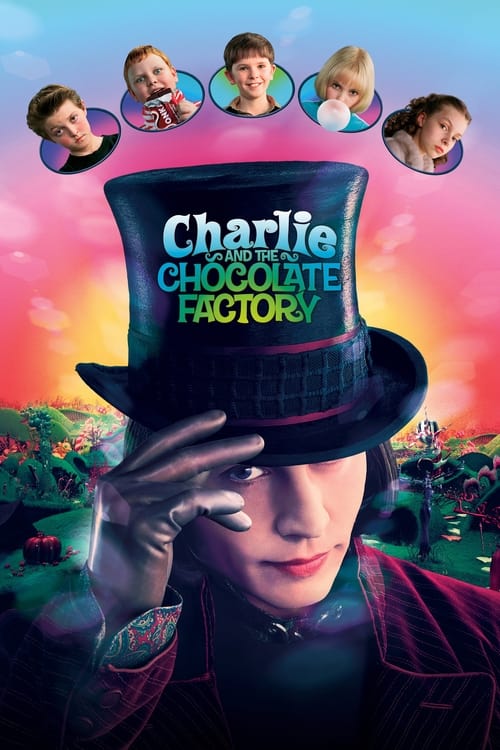
The Gene Wilder version departs significantly from the book: it invents the contract subplot, gives Wonka a cold menace the novel withholds, and ends on a different kind of grace. Mel Stuart and screenwriter David Seltzer made a film about suspicion and worthiness, not just about candy. Wilder's Wonka is genuinely frightening in the boat tunnel sequence, and that fear is earned by the script's willingness to make the audience uncertain about whether Charlie will survive morally, not just physically. The 2005 Tim Burton version hews closer to Dahl's text and Quentin Blake's illustration spirit, but the 1971 film has the deeper emotional architecture.
A Factory Through Time: Key Dates in the Charlie Universe
- 1964Roald Dahl publishes the original novel, illustrated by Joseph Schindelman. Charlie and the Chocolate Factory
- 1971The first film adaptation, starring Gene Wilder as Wonka, becomes a cult classic.
- 1972Dahl publishes the sequel, continuing Charlie's story beyond the factory. Charlie and the Great Glass Elevator
- 1985Quentin Blake re-illustrates the novel, creating the definitive visual version most readers know today. Charlie and the Chocolate Factory
- 2005Tim Burton directs a new adaptation with Johnny Depp, returning to Dahl's darker source material. Charlie and the Chocolate Factory
- 2013The stage musical premieres in London, with a score by Marc Shaiman.
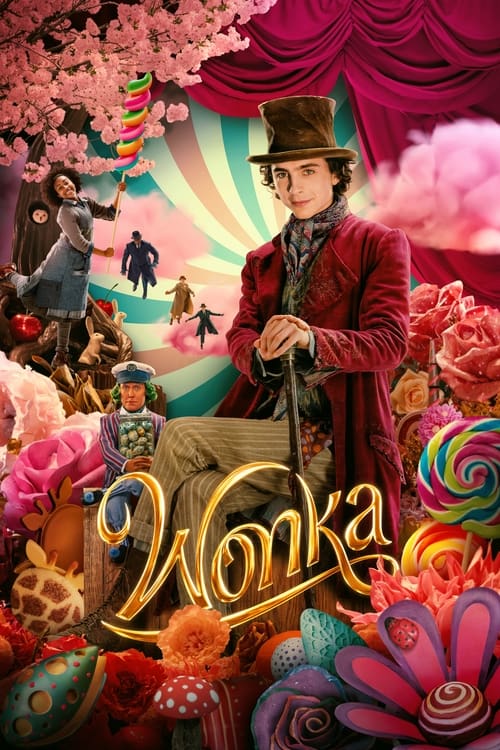
- 2023Paul King's prequel film reimagines Wonka's origin story as a lighthearted musical. Wonka
Fantastic Mr. Fox Is the Other Dahl Adaptation Worth Defending
Wes Anderson's 2009 stop-motion film of Dahl's 1970 novel is the most formally precise Dahl adaptation ever made. Anderson found the book's latent theme, which is about masculine ego and its costs to family, and built a film around it without losing Dahl's anarchic energy. The Oompa-Loompa equivalent here is the cussing dialogue device, which performs the same function: it signals a world with its own internal logic that adults and children can share. George Clooney and Meryl Streep give two of the best vocal performances in any animated film. If you love the factory's precision-built strangeness, the Fox burrow is the same address.
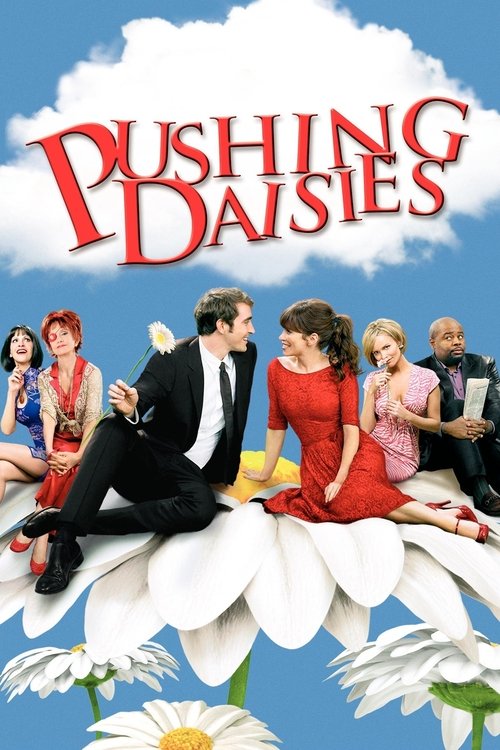
Pushing Daisies Is the TV Series That Most Fully Inherits Dahl's Tone
Bryan Fuller's 2007 ABC series has the exact tonal signature of the factory: vivid artificial color, death treated as a narrative mechanism rather than tragedy, moral stakes embedded in whimsy, and a narrator who speaks in the measured cadence of a children's book. The series was cancelled after two seasons, which is part of why it has the aura of a golden ticket: brief, strange, and irreplaceable. Lee Pace's pie-maker and Anna Friel's Chuck are Charlie Bucket and Wonka reversed, each unable to fully have what they want, surrounded by abundance.