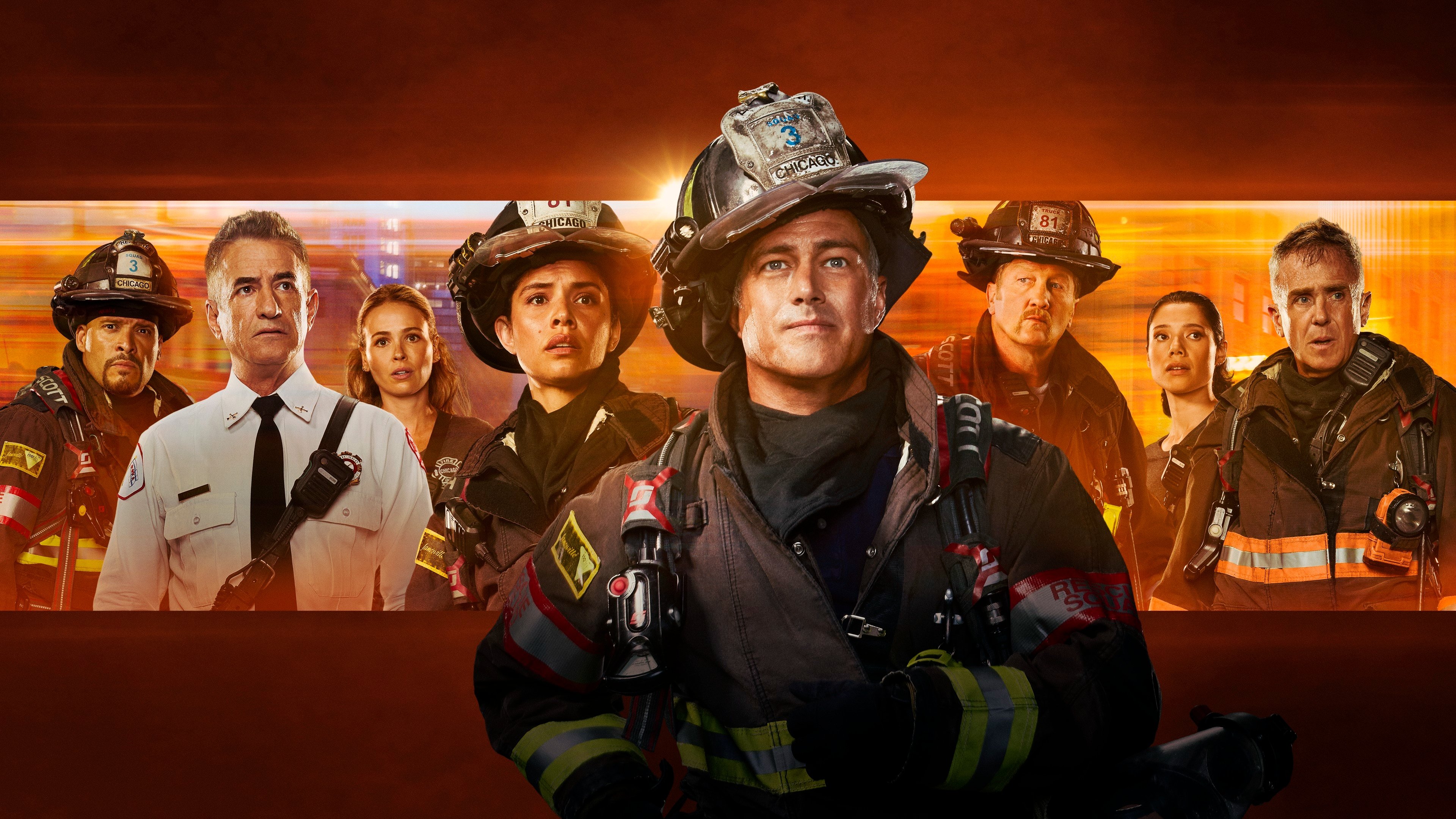

Chicago Fire (2012) built its audience on something deceptively simple: people who run toward burning buildings, and the complicated lives they lead when they walk back out. Created by Dick Wolf and Michael Brandt, the show rooted itself in the Chicago Fire Department's Engine 51 and Truck 81, but the real engine is the ensemble. The camaraderie is specific and earned, the danger is never decorative, and the personal stakes are woven tightly enough into the procedural that you feel both the professional loss and the private grief whenever something goes wrong. Fans keep watching because the show understands that courage is ordinary, that grief is communal, and that the firehouse functions as a family unit with all the friction and loyalty that implies. If any of that resonates, the works below should feel like a natural next step.
Essential Chicago Fire
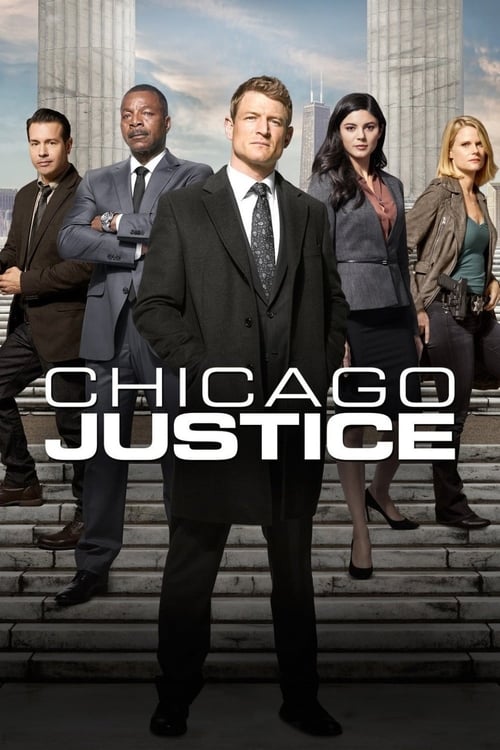
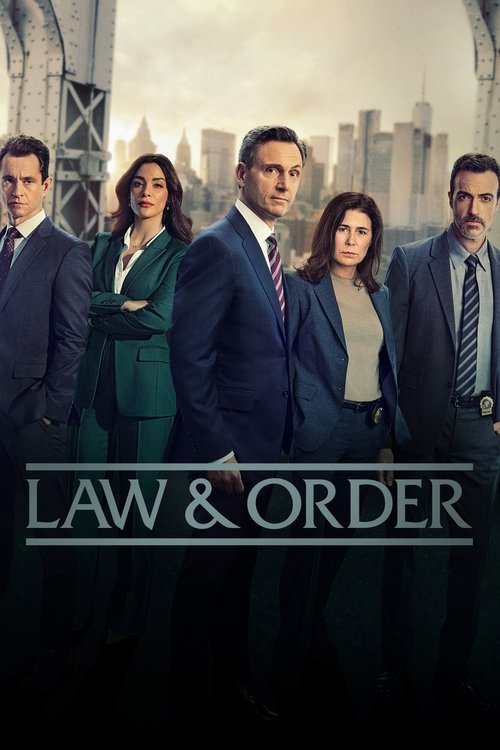
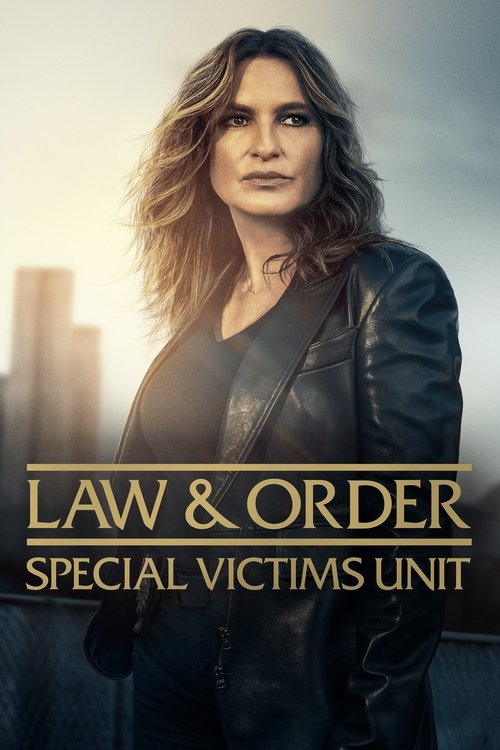
The Wolf universe and its closest relatives on the same dial
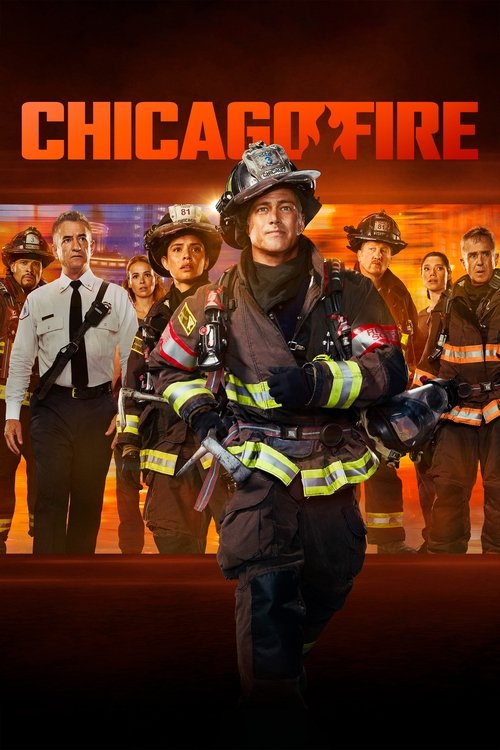
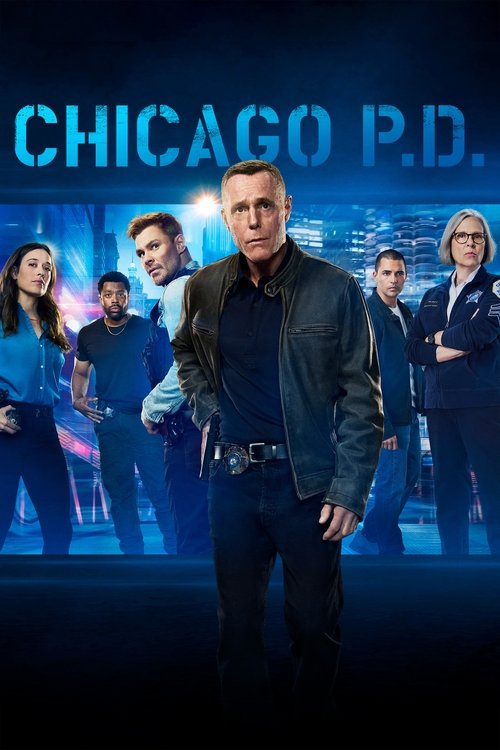
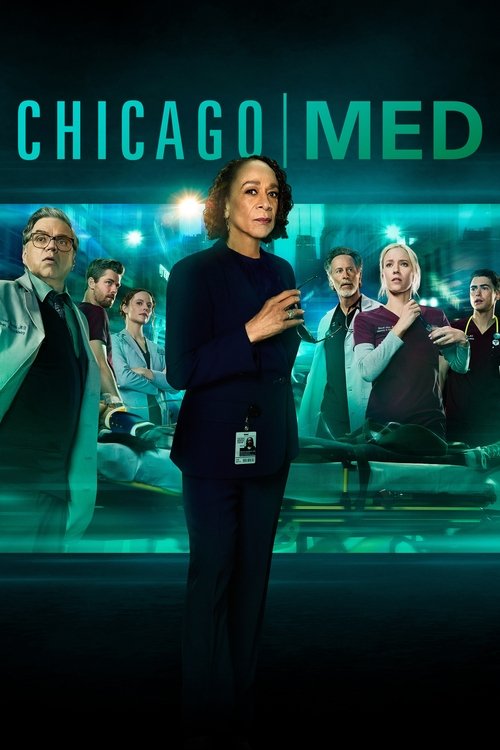
If You Love the Firehouse Family
Ensemble dramas where the team is the real protagonist


Fire on Screen: Films That Capture the Heat
Movies that put firefighting, rescue, and emergency response front and center

Games Where Every Second Counts
High-pressure, team-coordination titles for the fan who wants to be in the thick of it
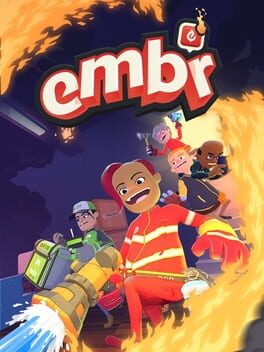
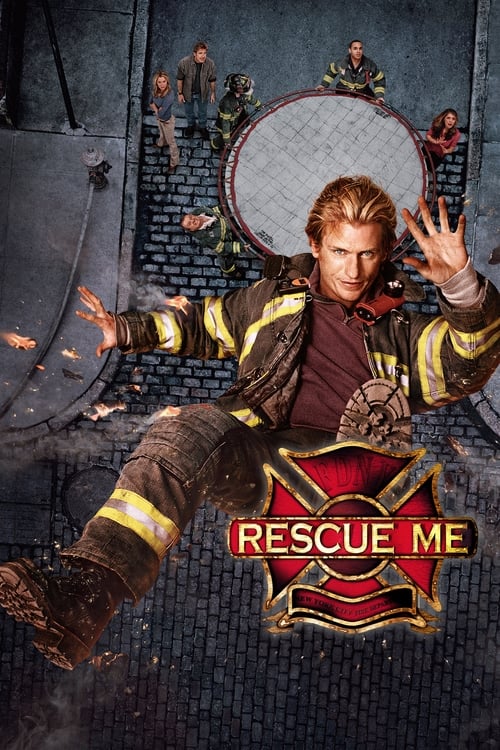
Rescue Me Remains the Darker Twin Chicago Fire Never Became
Denis Leary's Rescue Me (2004-2011) covered FDNY grief in the post-9/11 years with a rawness and moral ambiguity that network television rarely permits. Tommy Gavin is a harder character to root for than any Firehouse 51 regular, but the show earns every uncomfortable moment. Fans of Chicago Fire who want the same world with the volume turned up and the safety net removed should go there next.
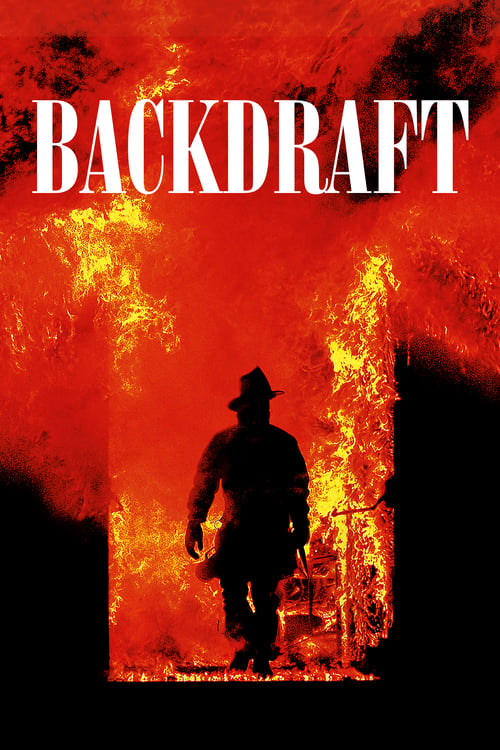
Backdraft Is Still the Definitive Firefighting Movie
Ron Howard's 1991 film set the visual language for fire on screen: the rolling backdraft, the arson investigation that doubles as a character study, the brotherhood forged between competing brothers. Kurt Russell and William Baldwin sell it without irony. Chicago Fire's cinematography owes a visible debt to the way Backdraft treats fire as a living antagonist, and revisiting it makes that lineage feel obvious.
Only the Brave Earns Its Tragedy
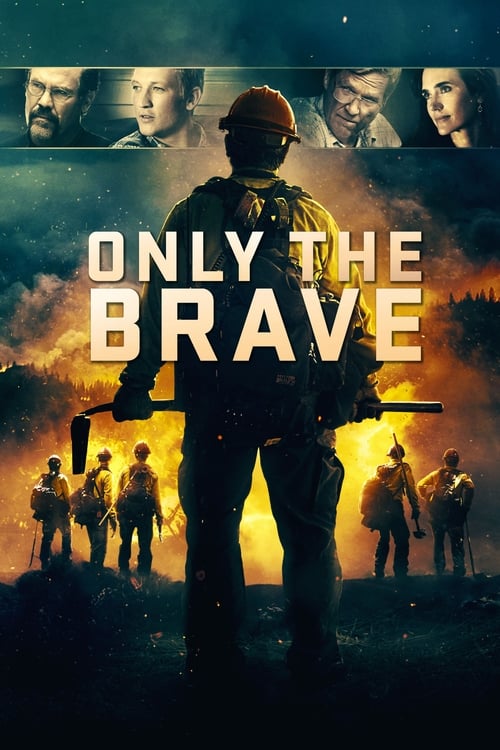
The 2017 film about the Granite Mountain Hotshots carries the same emotional weight as Chicago Fire's best episodes, with the added weight of being true. It understands that heroism is slow-built from training, trust, and small decisions, and that the cost of a single bad day can be total. Watch it and you will feel exactly what Chicago Fire is reaching for when it is at its best.
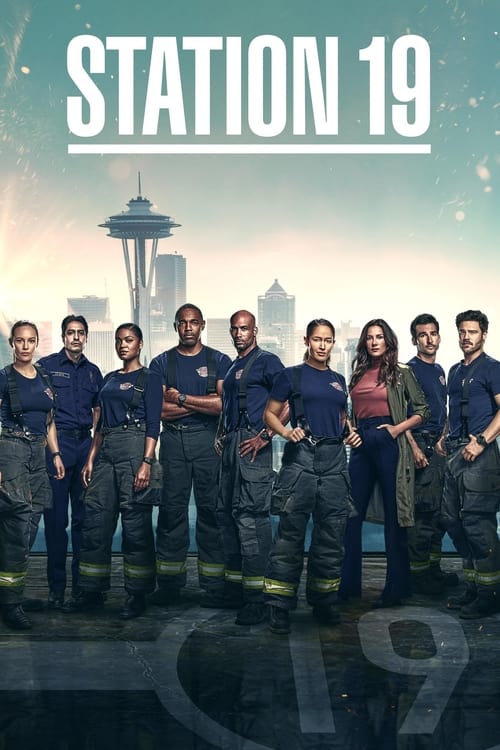
Station 19 Is the Crossover You Actually Want
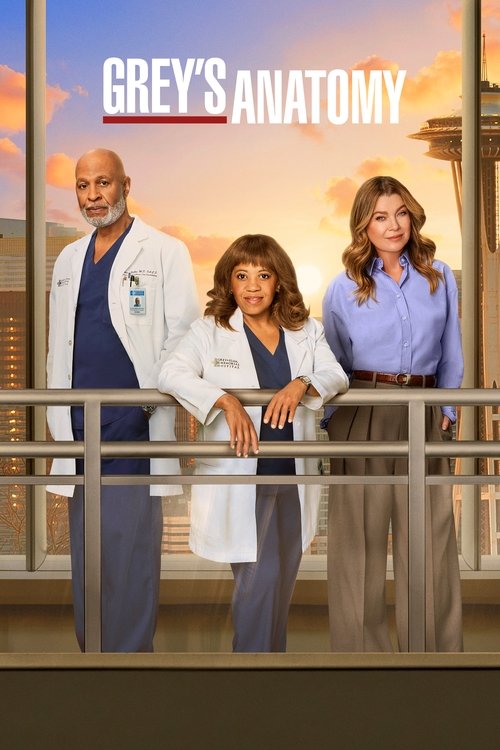
ABC's Grey's Anatomy spinoff relocated the procedural ensemble to Seattle Fire Station 19, and it finds its own footing faster than most spinoffs manage. The show is unafraid to be political about labor conditions, race, and gender in the fire service in ways Chicago Fire generally sidesteps. The two series share DNA but use it differently, and that contrast is the point.
Fire on Screen: A Short History
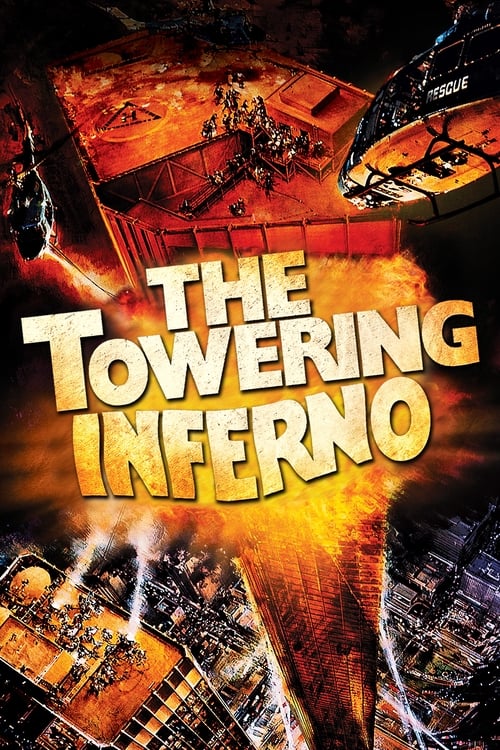
- 1974The Towering Inferno sets the template for the disaster-rescue film The Towering Inferno
- 1991Backdraft defines the firefighting procedural for a generation Backdraft
- 1994ER premieres, proving medical-emergency ensembles can be appointment television ER
- 1999Third Watch blends fire, police, and EMS into one precinct drama Third Watch
- 2004Rescue Me arrives on FX, the post-9/11 antihero take on the FDNY Rescue Me
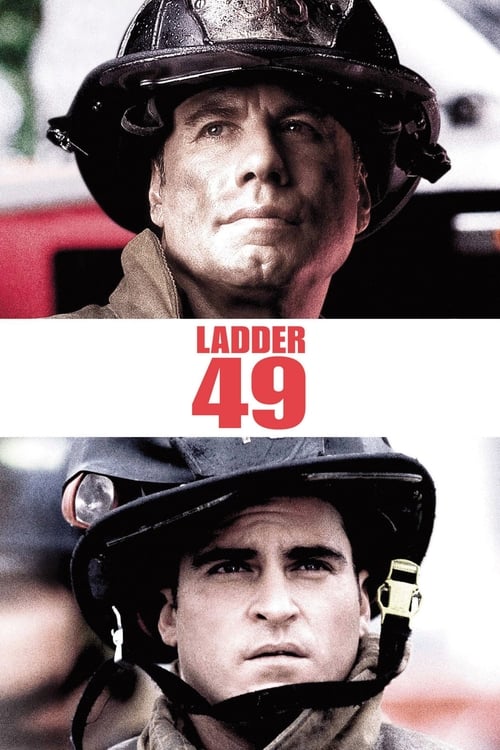
- 2004Ladder 49 brings the firefighter sacrifice story to the multiplex Ladder 49
- 2012Chicago Fire premieres on NBC, anchoring the Wolf One Chicago universe Chicago Fire
- 2017Only the Brave recounts the Granite Mountain Hotshots disaster Only the Brave
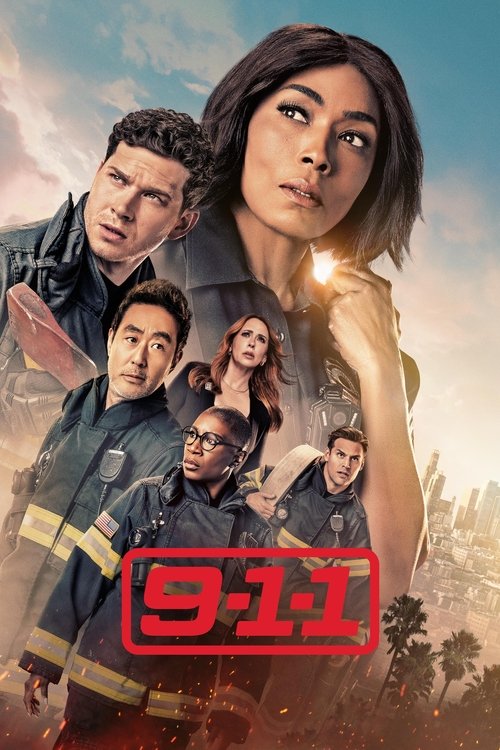
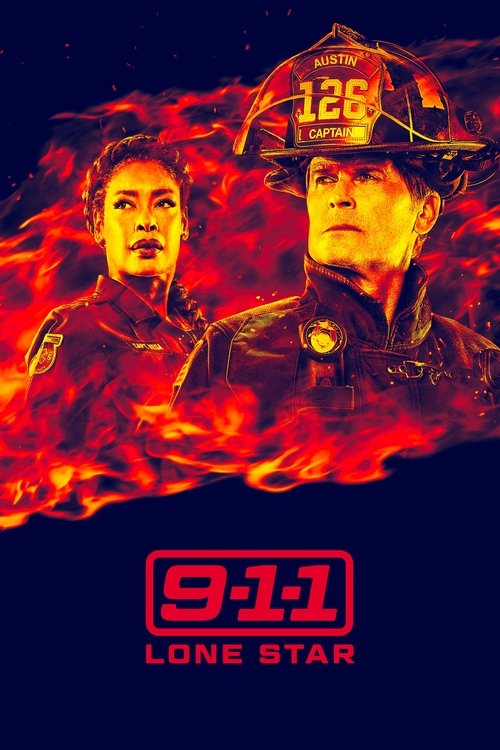
- 20189-1-1 on Fox expands the emergency-responder format to its most theatrical register 9-1-1
The job is the same every time: get in, get them out, get home. The show makes you feel why the last part is never guaranteed.CrossBinge editors