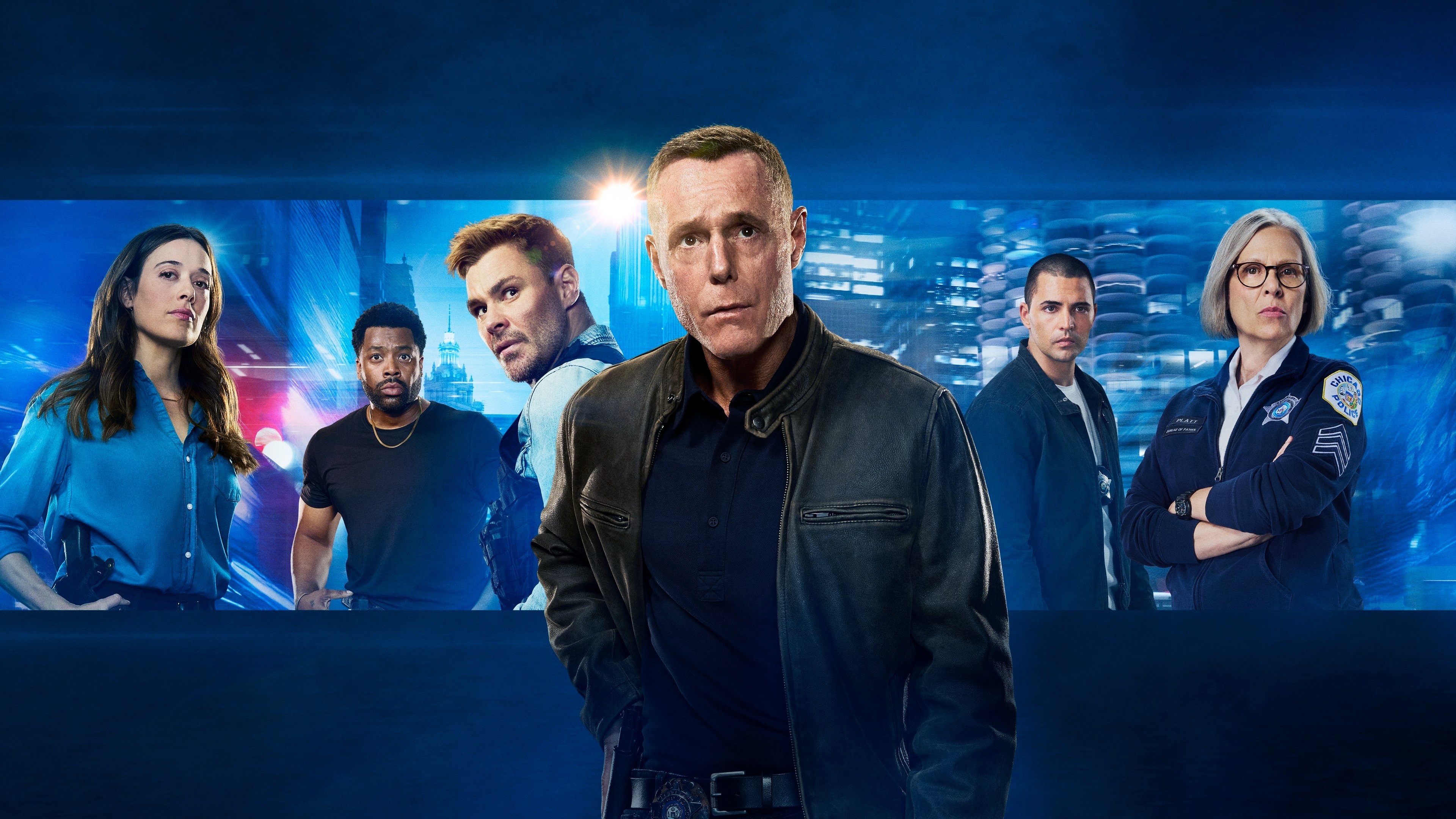

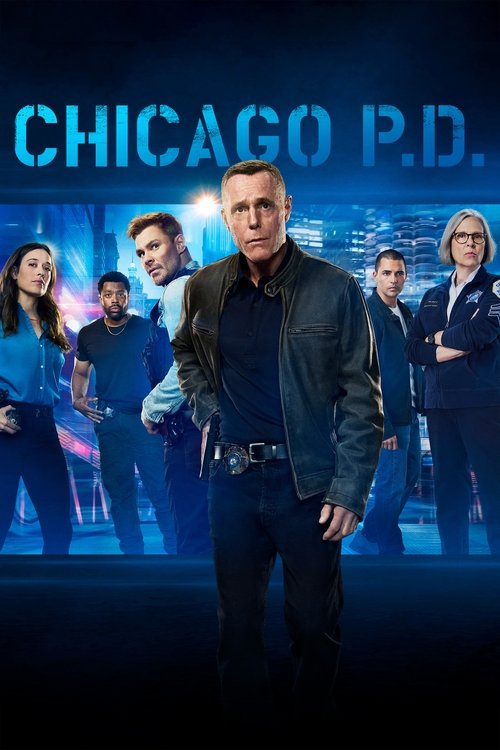
Chicago P.D. is a procedural built around a specific friction: the gap between what the law allows and what the people enforcing it are willing to do. Hank Voight's Intelligence Unit doesn't operate in the clean world of warrant-perfect policing. Cases bleed across episodes, partners clash over tactics, and the city itself — its neighborhoods, its politics, its loyalties — presses in from every side. What fans come back for is the texture of compromise: the detective who genuinely believes the end justifies the means, the partner who isn't so sure, and the cases that refuse to resolve neatly. That moral friction, set against an urban landscape with real stakes, is the through-line connecting everything in this guide.
Essential Chicago P.D.
The One Chicago universe and the shows that share its creative DNA
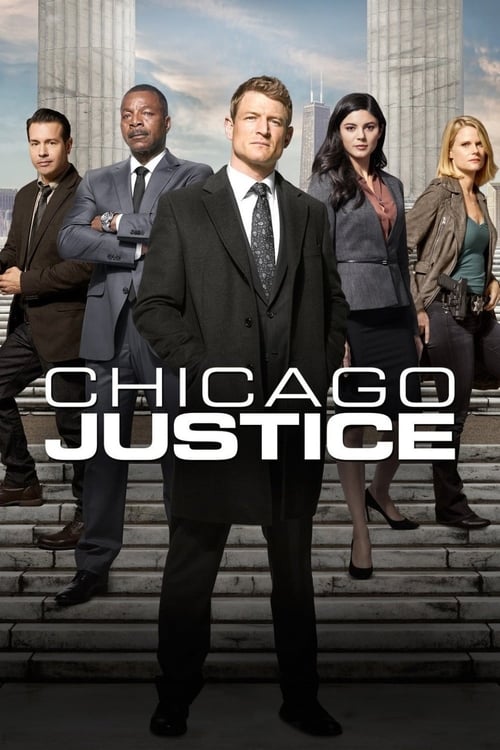
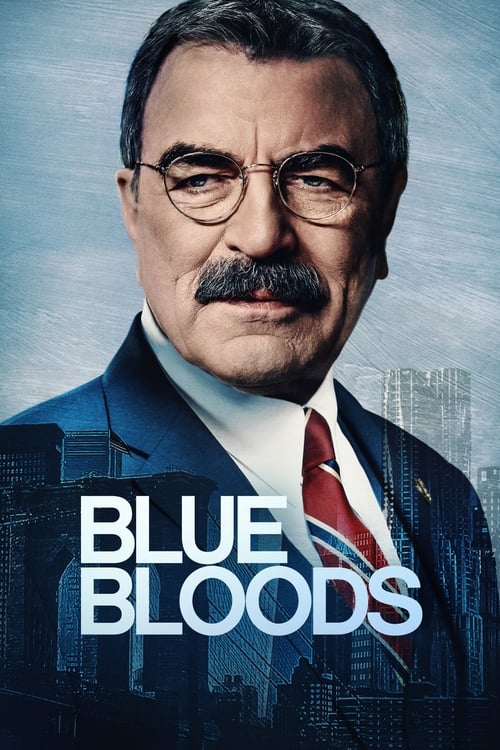
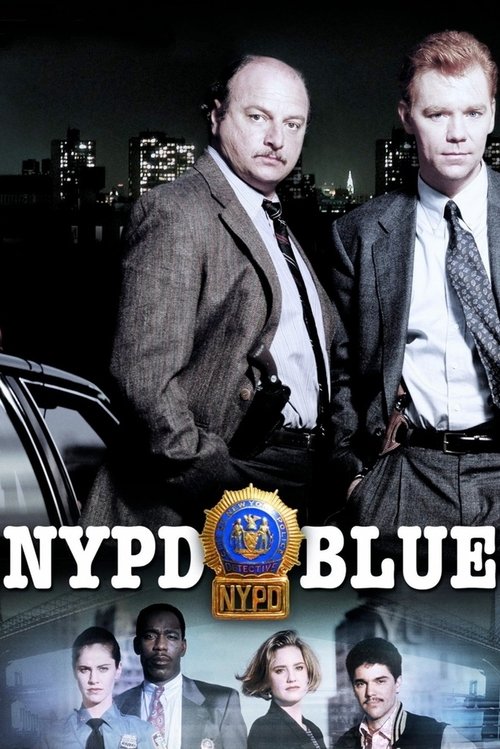
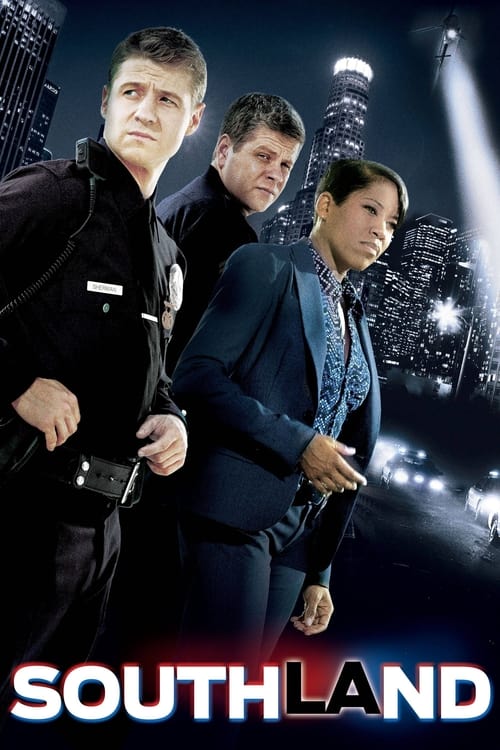
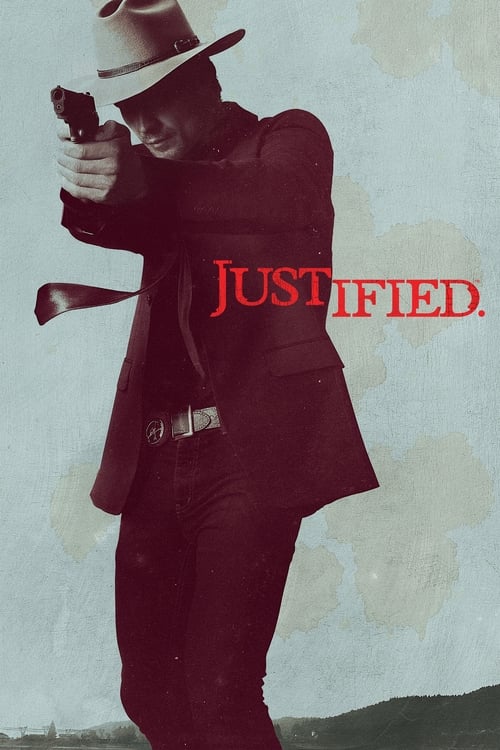
If You Love the Intelligence Unit: Series That Match the Pressure
Long-arc police procedurals where the institution is as complicated as the crime

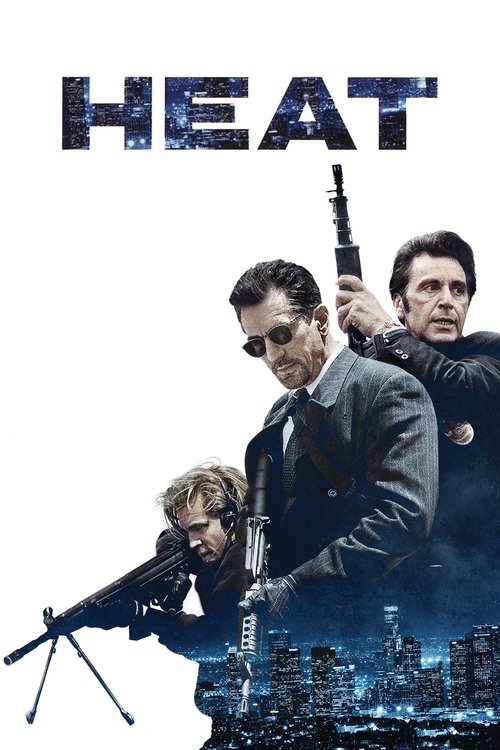
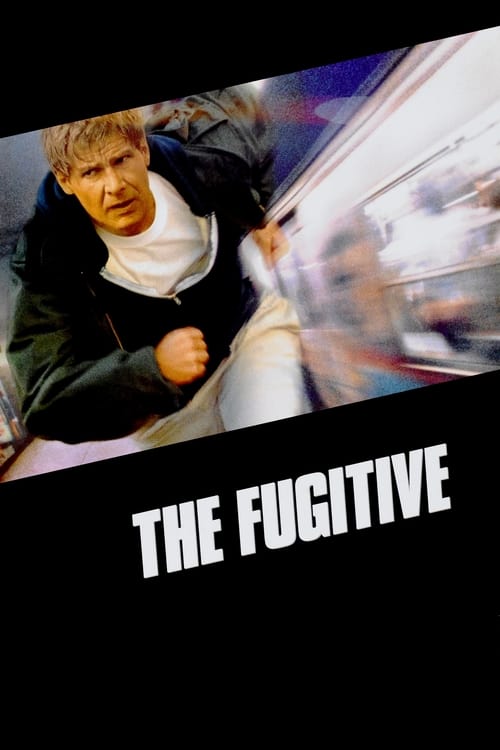
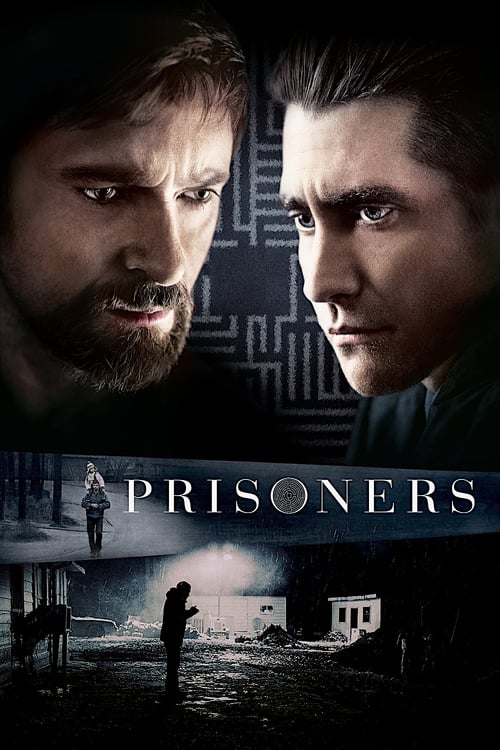
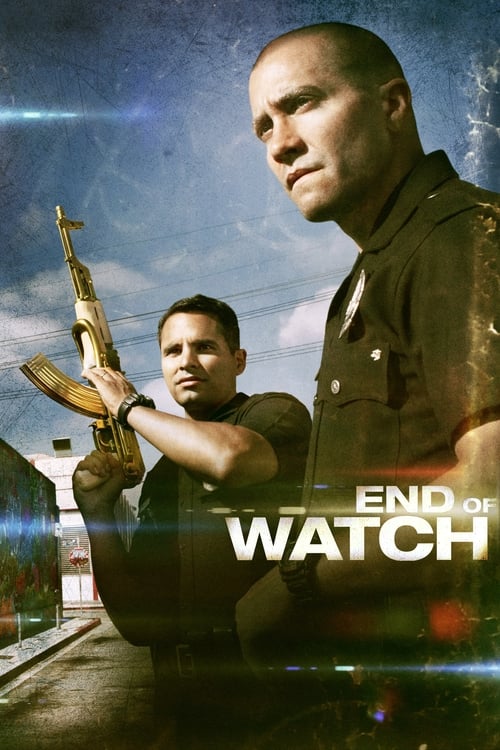
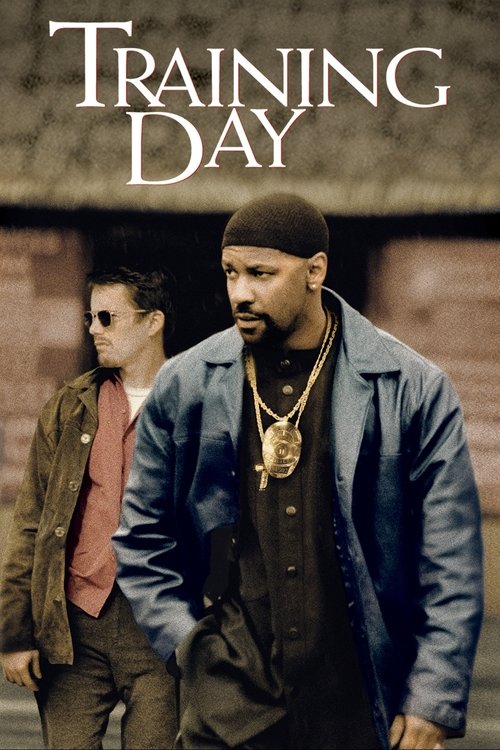
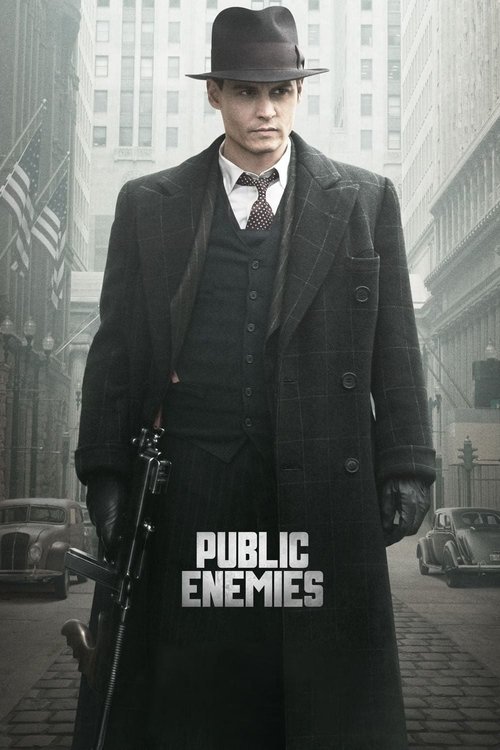
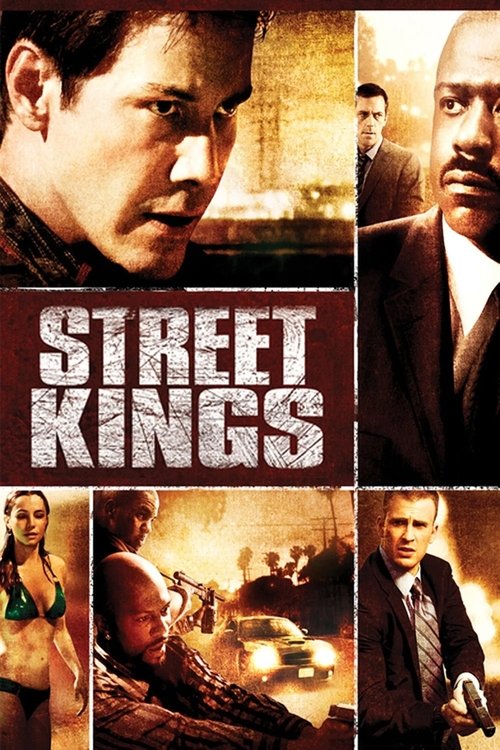
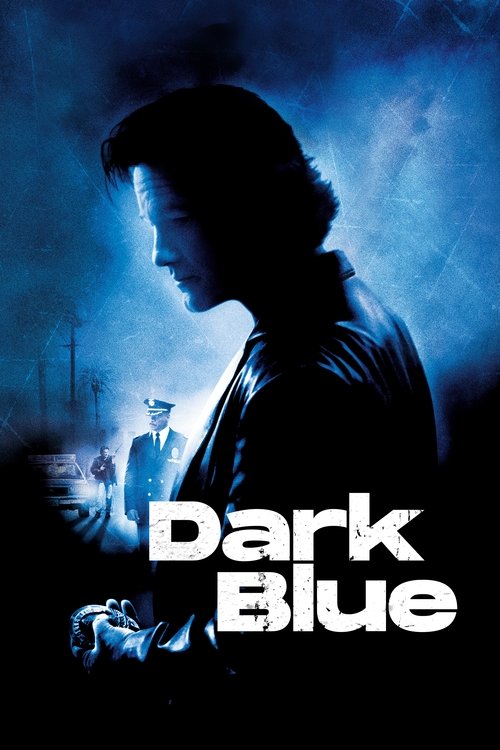
The Chicago Crime Film: City as Character
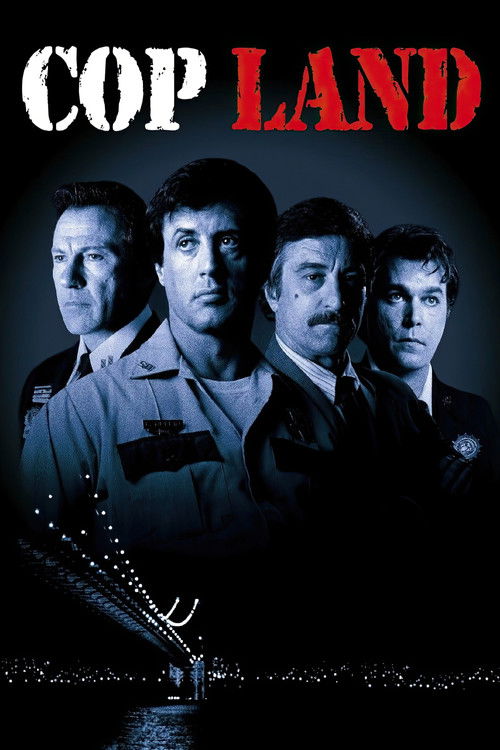
Films that put urban grit, corrupt systems, and street-level moral weight on screen

The Books Behind the Badge: Crime Fiction for Intelligence Unit Fans
Novels that put complex, morally ambiguous investigators at the center


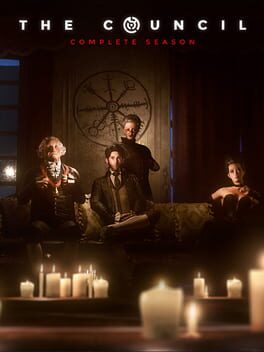
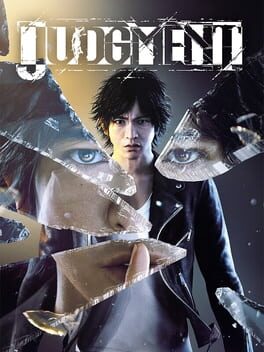
Games Built on Investigation, Choice, and Consequences
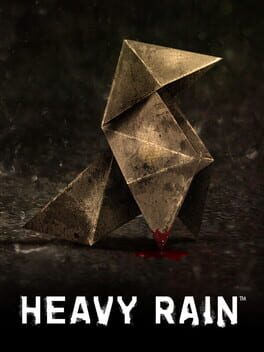
Games where procedure matters and moral decisions have lasting weight
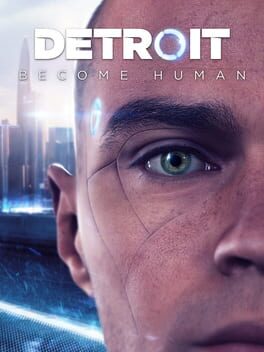
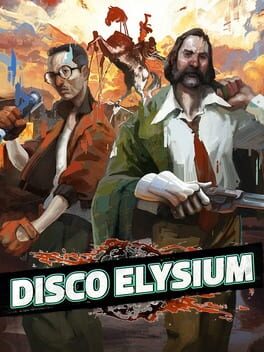
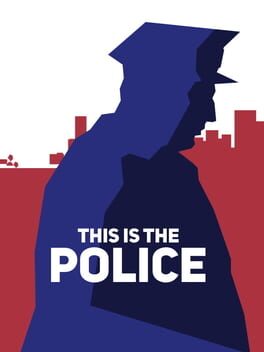
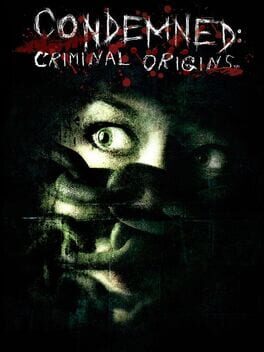
Voight Works Because He Is Not the Hero or the Villain
Most TV antiheroes get coded as secretly sympathetic beneath their rough exterior. Voight resists that. He believes in outcomes, not process, and the show gives him enough wins to make that worldview credible while consistently showing the human damage it produces. Fans of the series tolerate him, admire him, and distrust him in roughly equal measure across any given season. That balance is genuinely hard to write and harder to sustain across ten-plus seasons.
The Chicago Franchise Model Changed Network Television
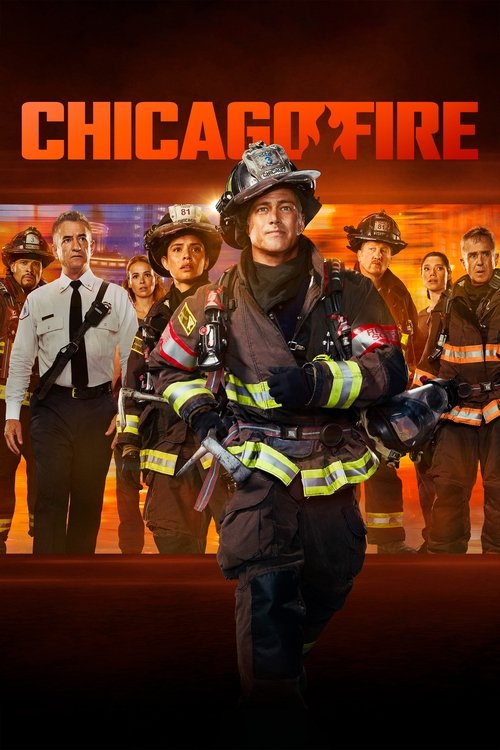
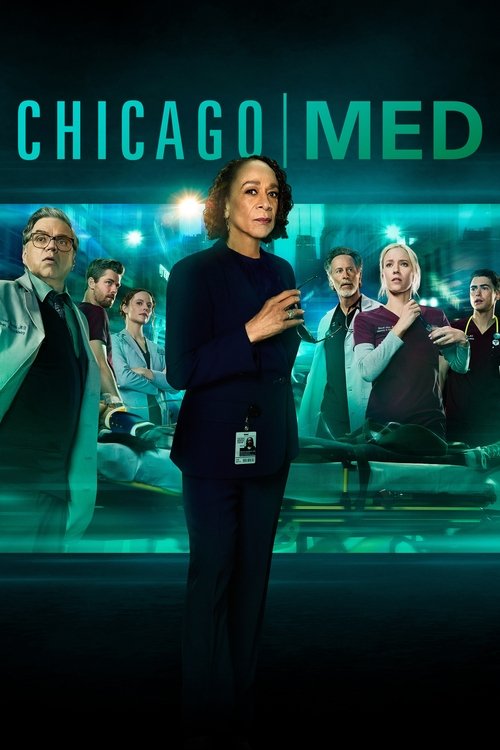
Dick Wolf built something unusual: a shared-city universe where characters cross over but shows remain genuinely distinct in tone. Chicago Fire is melodrama with action. Chicago Med is medical ethics under pressure. Chicago P.D. is the hardest-edged of the three, and the franchise works precisely because each series earns its own audience without needing the others to hold up. The crossover events function as reward rather than requirement.
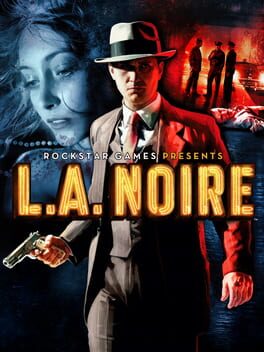
L.A. Noire Is the Chicago P.D. Game That Never Got Made
The scenario is almost identical: a postwar city, a detective who uses pressure tactics, interrogations where reading the suspect matters as much as gathering evidence, and cases that implicate the institutions doing the investigating. L.A. Noire is a period piece with a noir skin, but its bones are pure procedural television. Anyone who finishes a Chicago P.D. season and wants to be the detective rather than watch one should start there.
Michael Connelly Wrote Voight Decades Before He Appeared on Screen
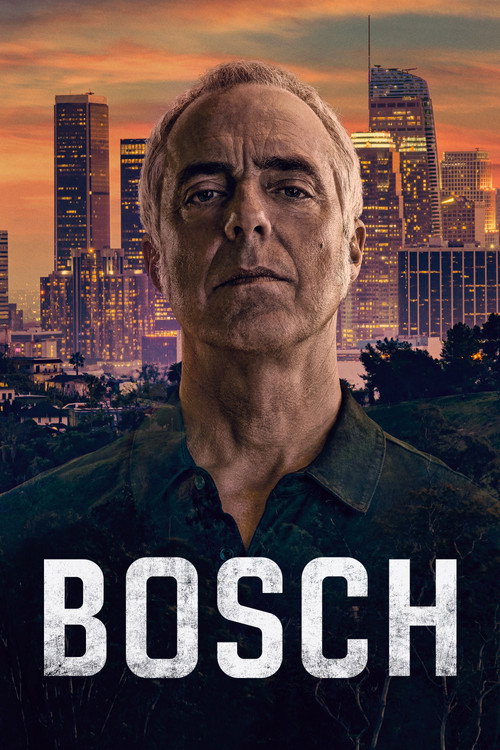
Harry Bosch is not a good-cop fantasy. He ignores procedure when he believes the case demands it, accumulates internal affairs complaints the way other detectives accumulate commendations, and operates from a conviction that the guilty must be caught regardless of the cost to himself or the department. The Bosch novels, and the Amazon series adapted from them, are the clearest literary antecedent to what Chicago P.D. does on television.
A Short History of the Morally Complex Cop on Screen
- 1973Serpico introduces the honest cop as the most dangerous man in the precinct Serpico
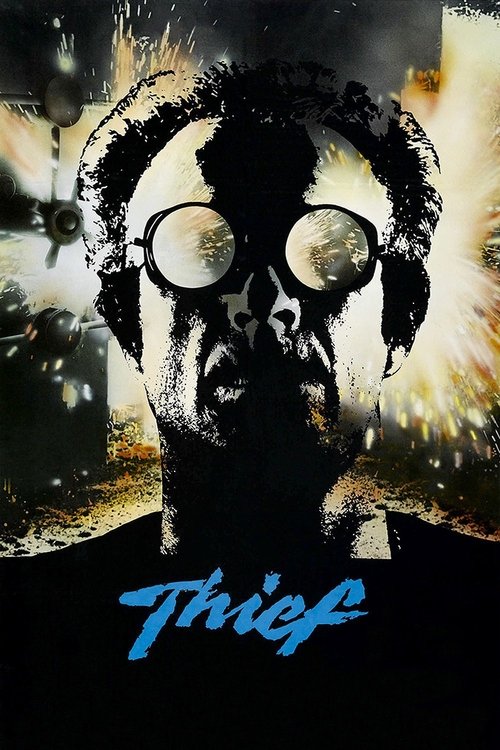
- 1981Michael Mann's Thief sets the template for the Chicago crime film, shot on location in the city Thief
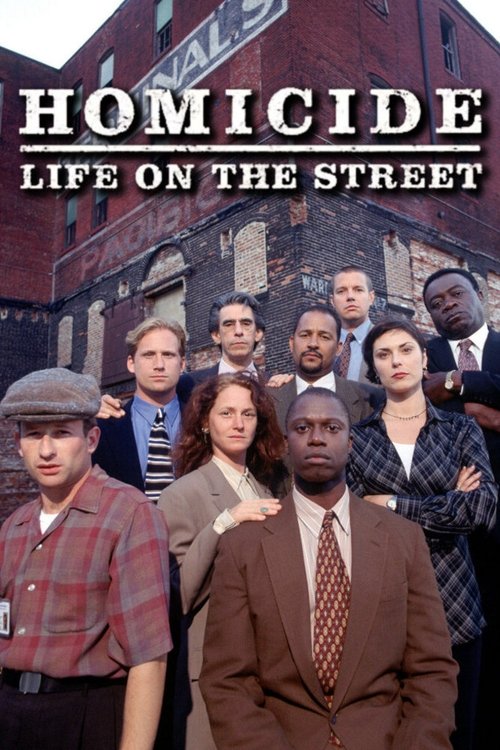
- 1993Homicide: Life on the Street brings literary crime fiction to the procedural format Homicide: Life on the Street
- 1994NYPD Blue pioneers the flawed, rule-bending detective as network TV lead NYPD Blue
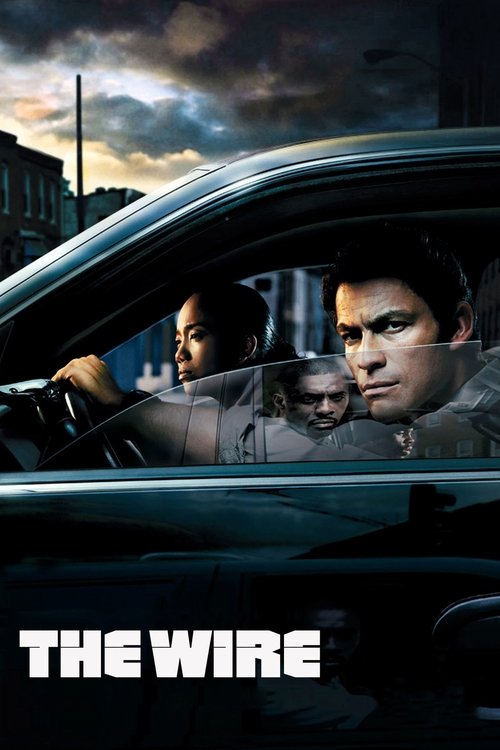
- 2002The Wire reframes the crime procedural as institutional critique The Wire
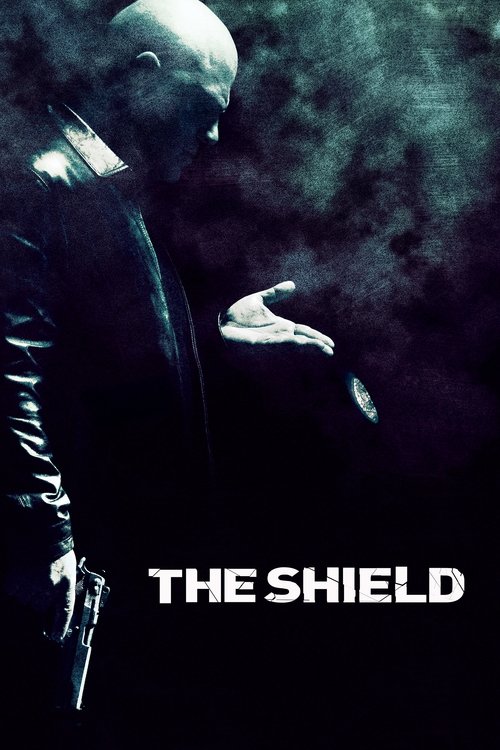
- 2002The Shield pushes the antihero cop to the point where redemption is impossible The Shield
- 2011Chicago Fire launches the One Chicago franchise; P.D. follows in 2012 Chicago Fire
- 2012Chicago P.D. premieres; Voight's Intelligence Unit becomes appointment television Chicago P.D.
- 2014L.A. Noire's remaster introduces a new generation to interrogation-based investigation L.A. Noire
The best cop shows are not about whether the guilty get caught. They are about what catching the guilty costs the people doing the catching.CrossBinge editors