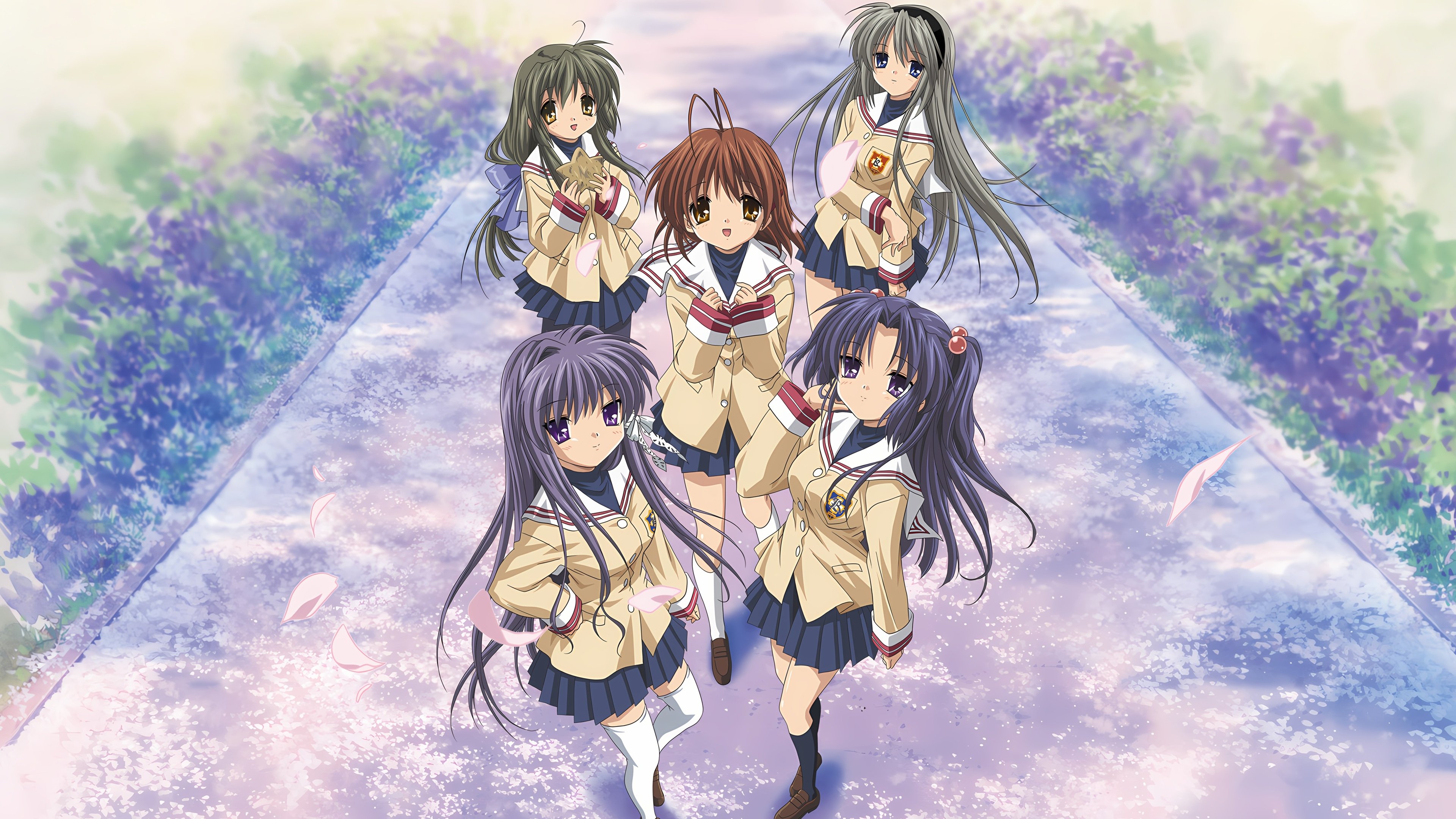

Clannad earns its reputation the hard way. The Kyoto Animation series (2007-2009, across two seasons) follows Tomoya Okazaki through high school friendships and into the messy, tender reality of adult life in its second season, After Story. What begins as a school drama about a group of students trying to revive their drama club quietly becomes one of anime's most searching examinations of parenthood, loss, and what makes a family. The Key visual novel it adapts (developed by Key/Visual Art's, 2004) layers those same themes across multiple heroine routes, giving the source more breadth than any single adaptation can hold. Fans return to Clannad not for plot twists but for the feeling it leaves behind: that ordinary moments matter, and that grief is the price of love.
Essential Clannad
The core works, from the visual novel origin to the full anime arc
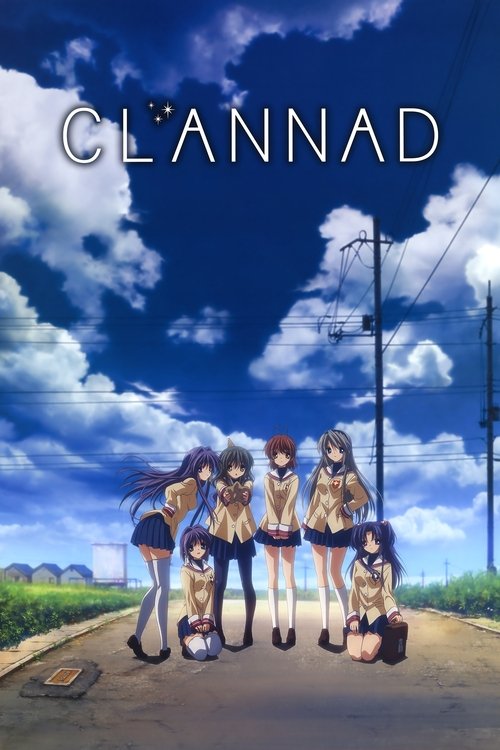

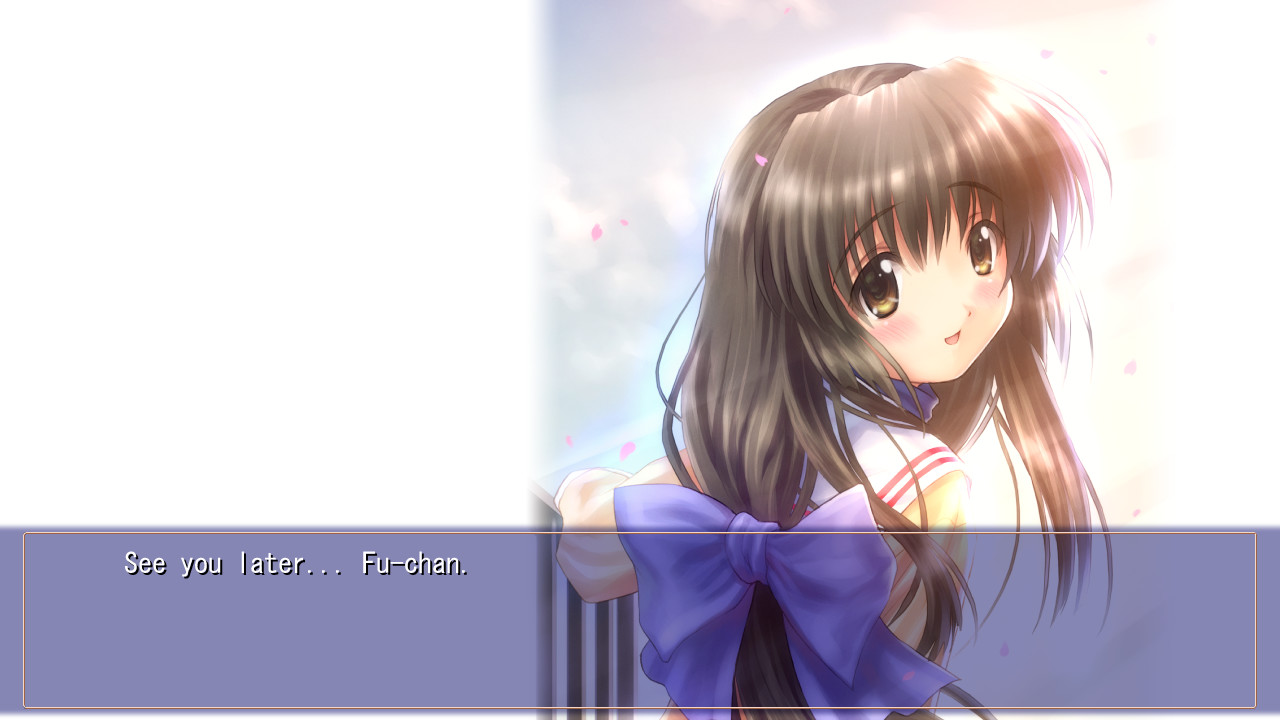
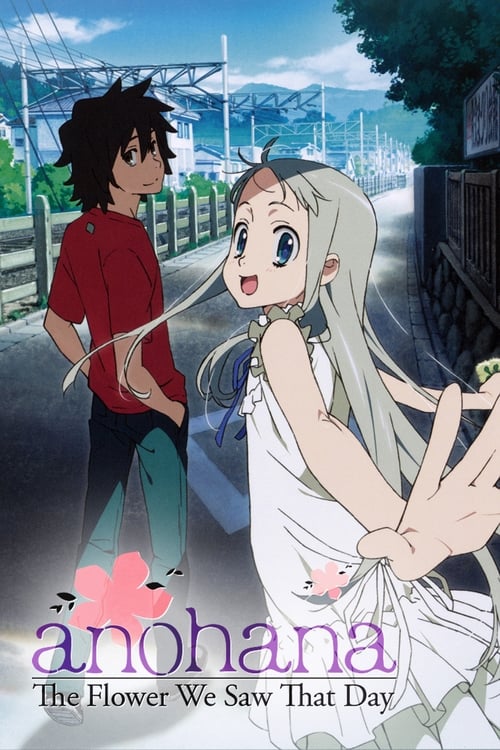
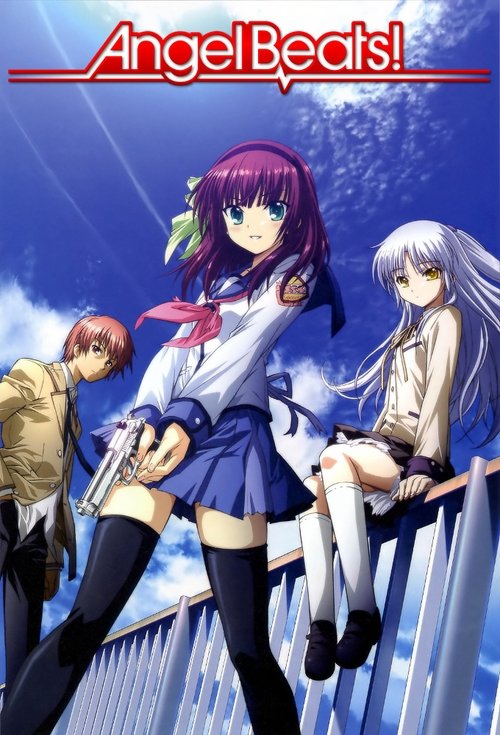
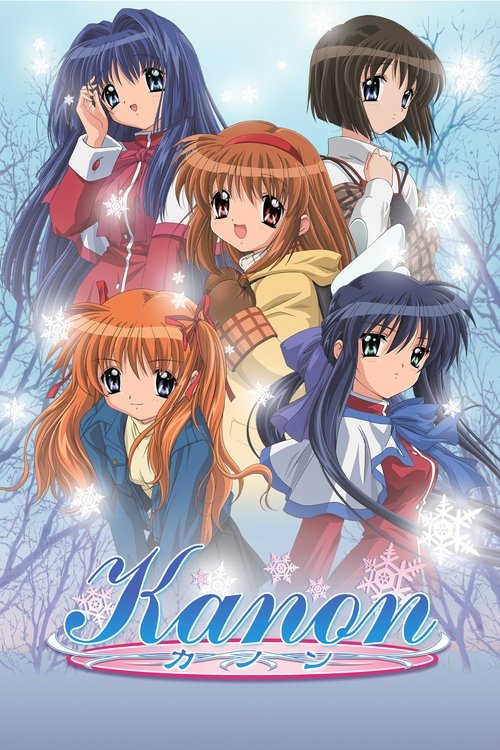
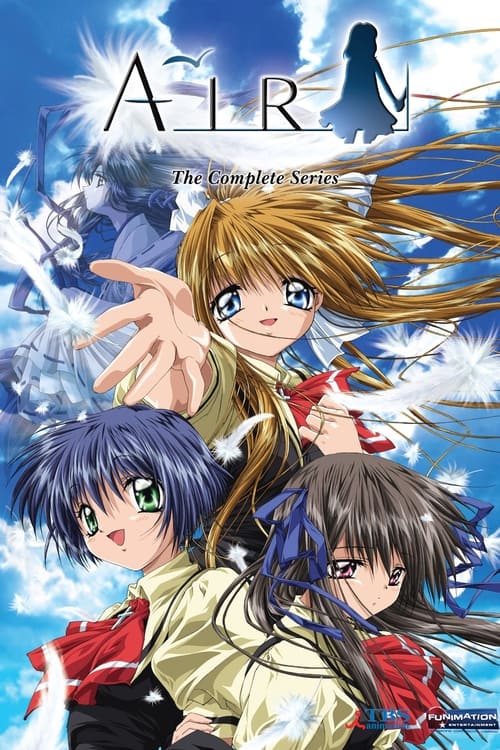
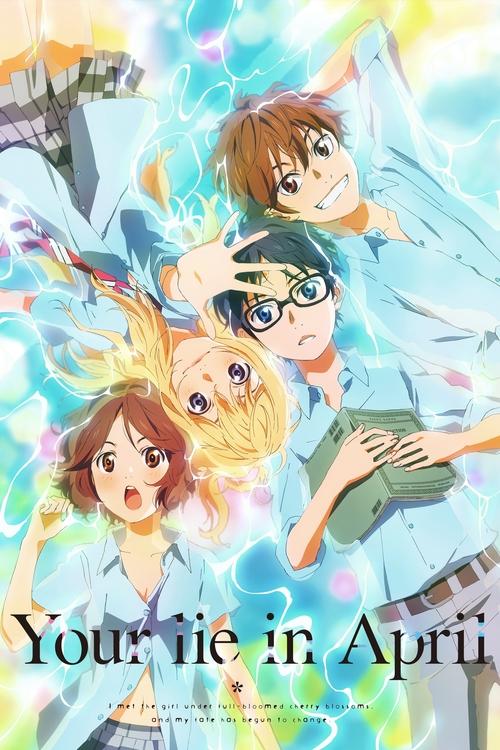
If You Love Clannad: Similar Anime
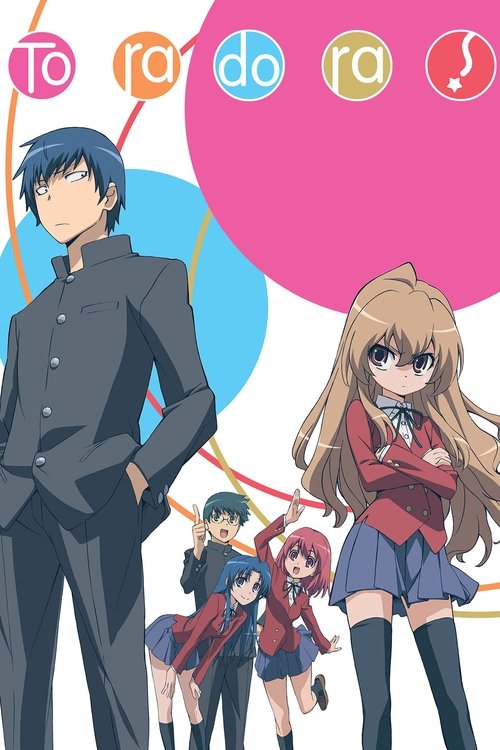
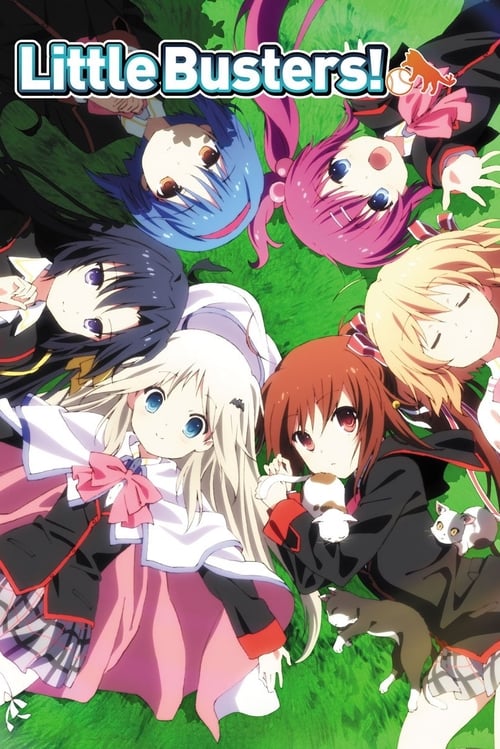
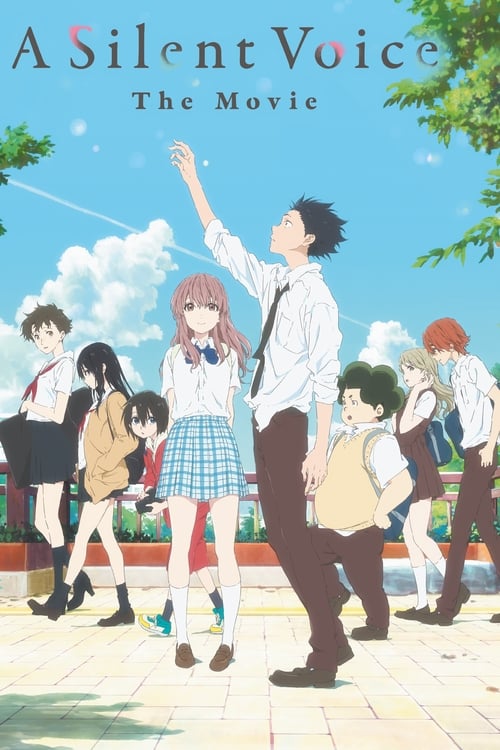
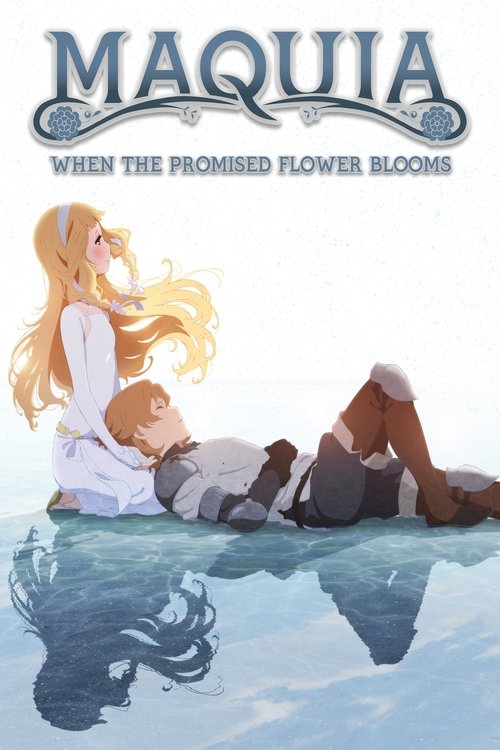
Series that share its emotional honesty, slice-of-life warmth, or devastating payoffs
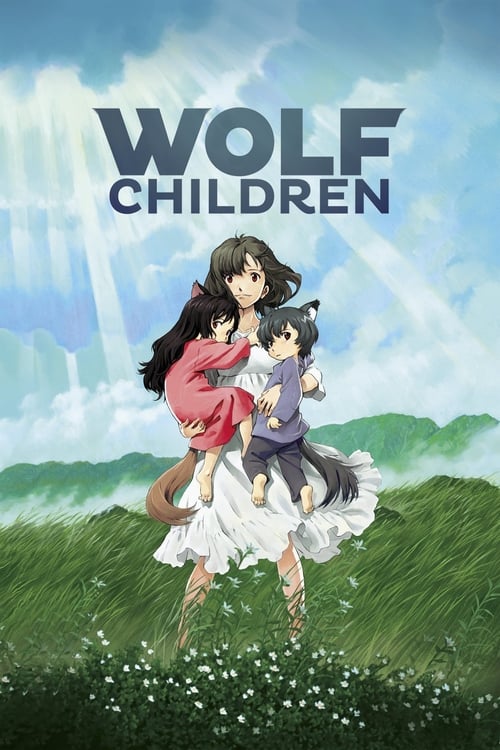
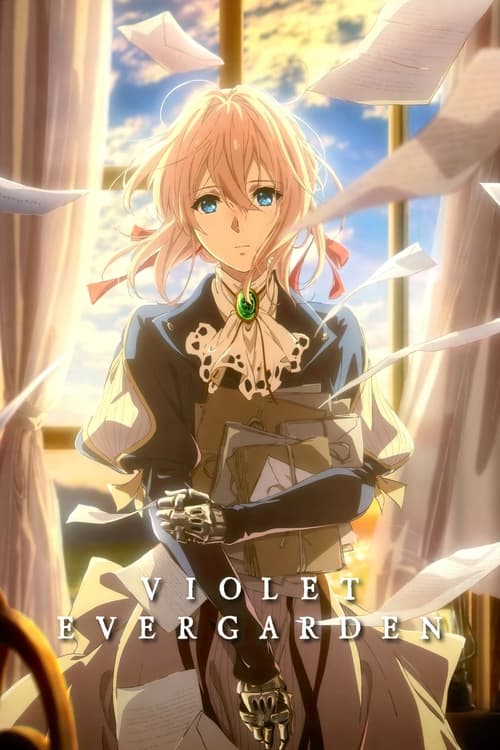
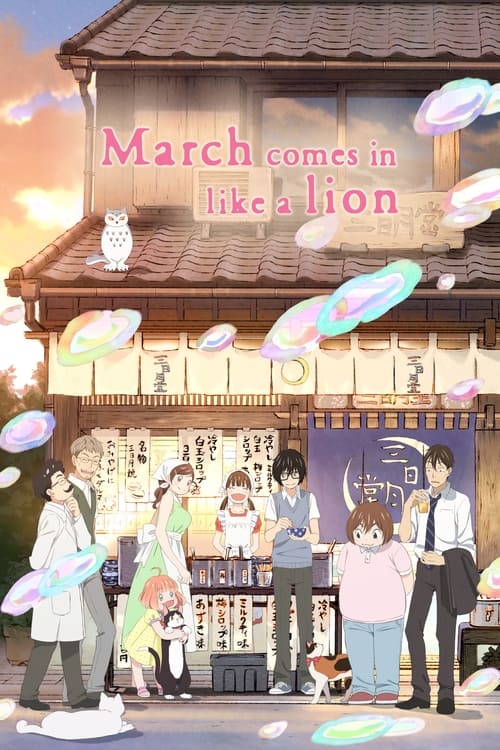
The Manga and Light Novels
Illustrated companions that expand or reframe the story


Films That Hit the Same Feeling
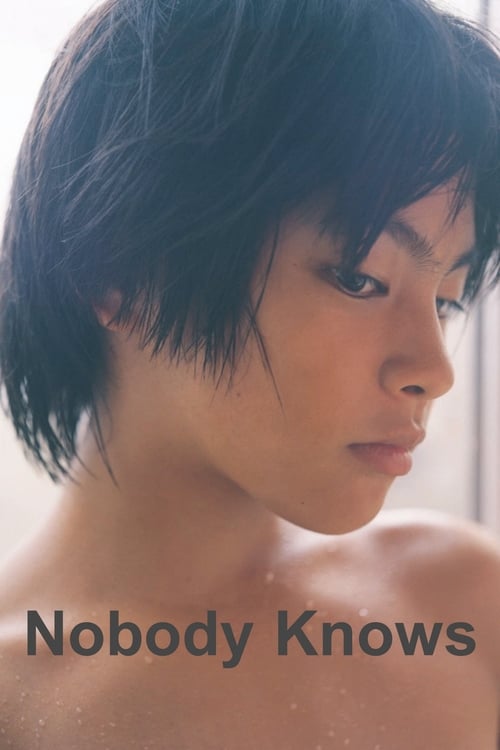
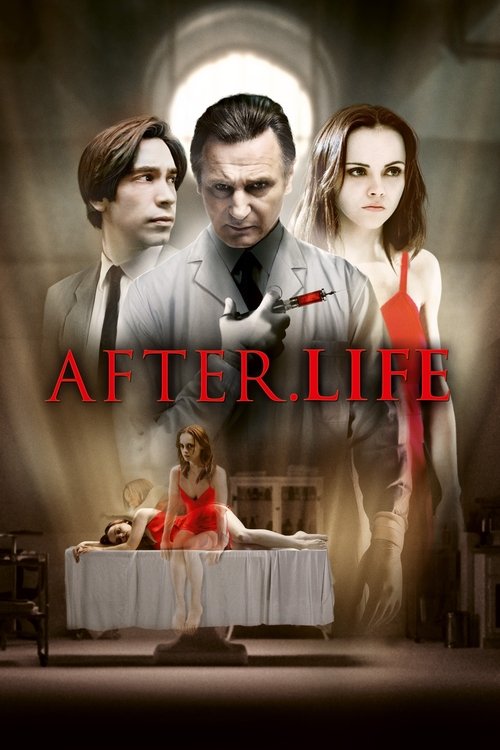
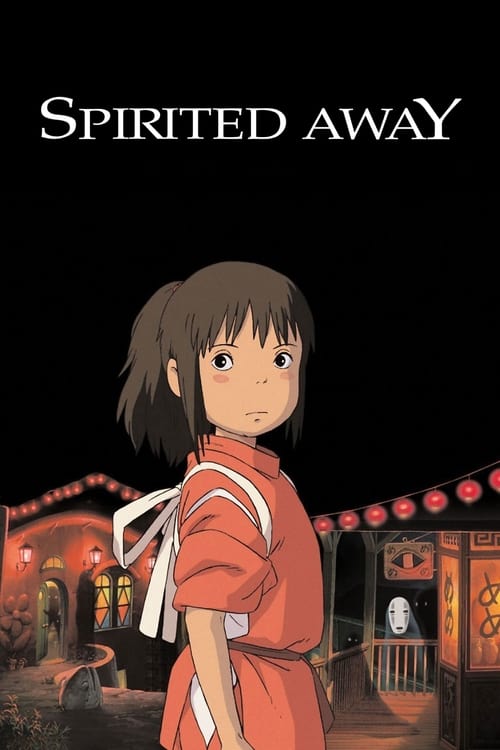
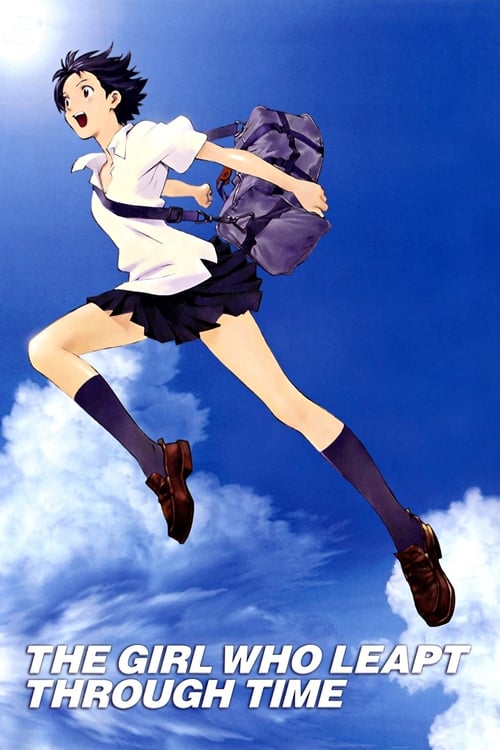
Live-action and animated films about family bonds, grief, and quiet redemption


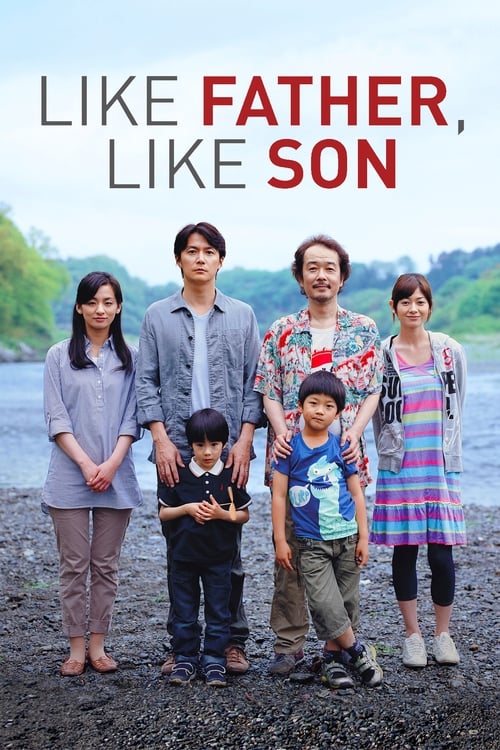

Games With That Same Emotional Weight
Visual novels, narrative games, and adventures where character and feeling come first

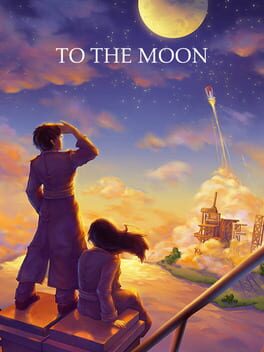
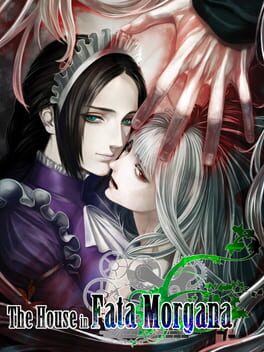
After Story Is Where It Earns Everything
The first season of Clannad is a good anime. After Story is something rarer. Watching Tomoya and Nagisa move from school life into marriage, work, and parenthood strips away the comfort that genre fans expect and replaces it with something that feels genuinely adult. The series does not protect its characters from consequences. That willingness to follow a love story into its harder chapters is what separates Clannad from peers who stop at the confession.
Key Visual Art's Built a Distinct Emotional Language
The studio Key (Maeda Jun as lead writer across Kanon, Air, Clannad, Angel Beats!, and Little Busters!) developed a recognizable approach: comedy-heavy early episodes, slow accumulation of character history, then an emotional release engineered with unusual precision. Calling it manipulative misses the point. These works understand grief and recovery structurally. Each route in the Clannad visual novel is its own complete arc. The anime distills the best of them, but the source repays the longer investment.
Kyoto Animation Made It Look Effortless
KyoAni's adaptation of Clannad in 2007 arrived when the studio was at a creative peak. The character animation, particularly in emotional confrontations and the recurring Illusionary World sequences, carries weight that the visual novel's static images cannot. The snow, the light through classroom windows, the small gestures between Tomoya and the people around him: these are not decoration. They are the argument. The animation makes the story's claims about tenderness feel earned.
Clannad Across Media
- 2004Key/Visual Art's releases the original Clannad visual novel for PC Clannad
- 2006PlayStation Portable port expands availability Clannad
- 2007Manga adaptation begins serialization in Comptiq magazine Anna
- 2007KyoAni's first season anime premieres Clannad
- 2007Toei Animation releases a theatrical film condensing the Nagisa route
- 2008After Story anime premieres, completing the full arc
- 2012Side Stories anthology game released CLANNAD Side Stories
- 2015Steam PC release brings the visual novel to Western audiences officially Clannad
Tender Anime and Coming of Age
For Fans of Makoto Shinkai
Explore the For Fans of Makoto Shinkai guide →The story is not about what happens. It is about who you become by caring about someone enough to let it hurt.CrossBinge editorial