
Yes's 1972 album "Close to the Edge" is a forty-minute argument that rock music could hold the same ambition as a symphony, the same spiritual hunger as a cathedral. Three tracks, one of them occupying an entire side of vinyl, built from interlocking time signatures, Jon Anderson's wordless cosmological lyrics, Steve Howe's impossible guitar filigrees, and Rick Wakeman's organ roaring like a pipe-work machine discovering it has a soul. Fans who love it are not chasing nostalgia for flared trousers; they are chasing music that insists on the sublime, that refuses to resolve its tension too early, that rewards patience with something that feels genuinely earned. The thread running through everything on this page is that same commitment: to length without padding, to complexity without coldness, to the idea that art should reach somewhere you cannot quite name.
Essential Yes
The albums that define the arc, from the edge to the summit and beyond.
The Progressive Rock Summit
Albums from the same era and spirit: long forms, full commitment, no concessions.
"Siberian Khatru" is the perfect opener for a band that had just outgrown the idea of a pop song
By the time Yes finished recording "Close to the Edge", drummer Bill Bruford had already decided to leave. He knew they had done something they could not top inside that format, and he was right to be restless. "Siberian Khatru" opens the album not with a hook but with a statement of intent: we will play everything at once, and if you keep up, you will be rewarded. It remains one of the greatest album openers in rock, and the fact that it sounds like a concession to brevity next to what follows is the whole joke.
We were trying to make something that would outlast us, something that had the weight of a real piece of music, not just a record.Jon Anderson
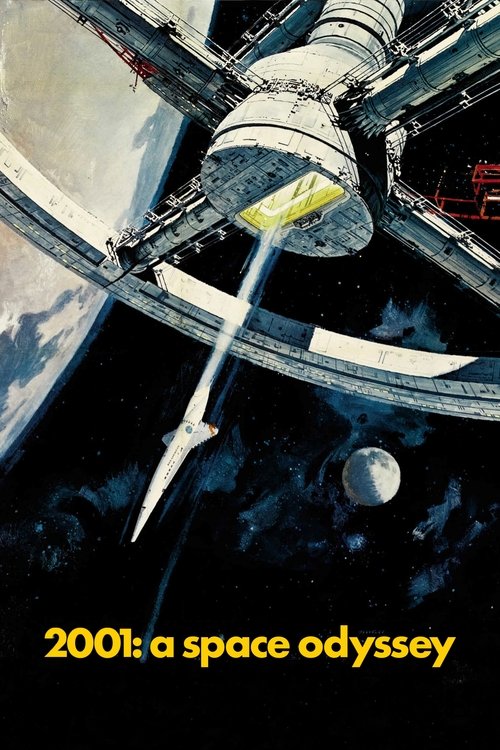
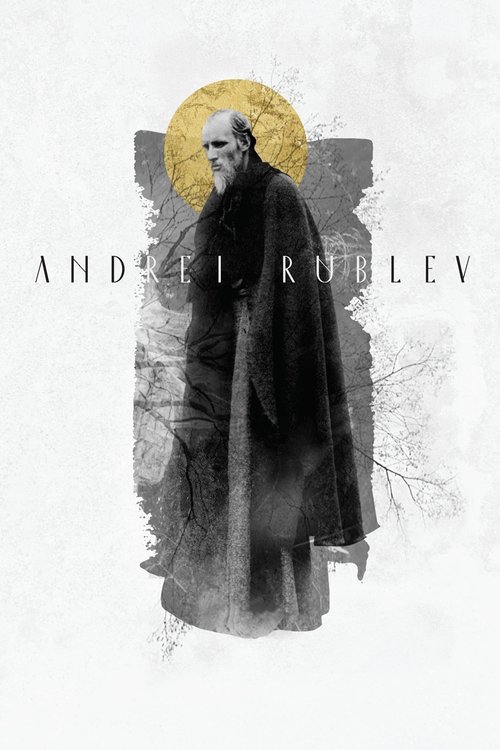
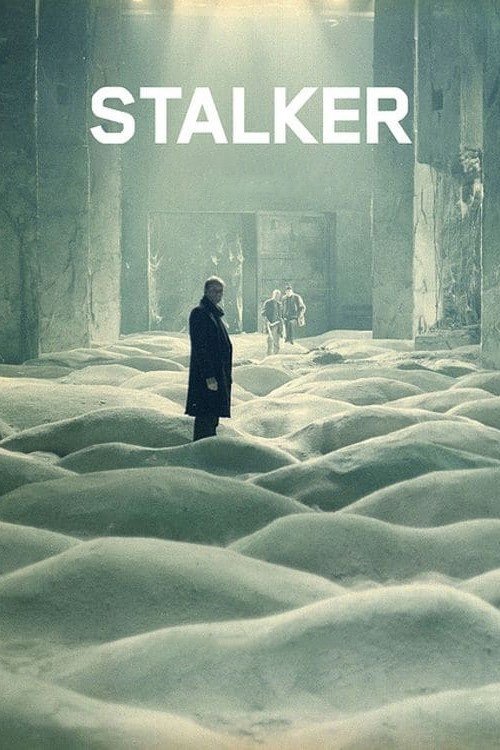
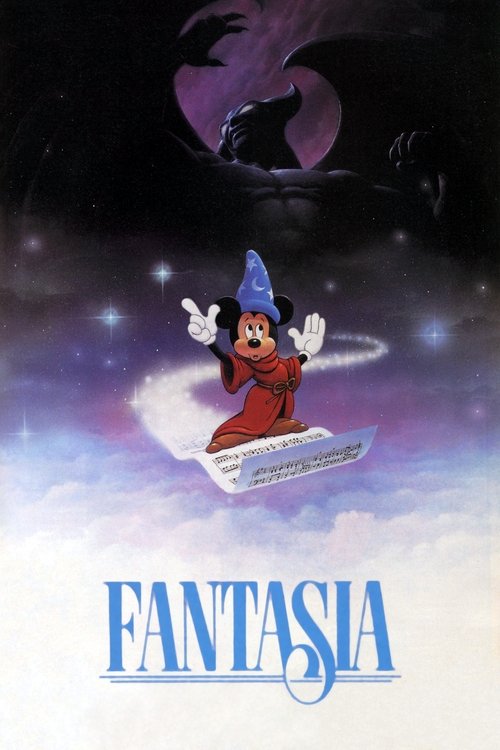
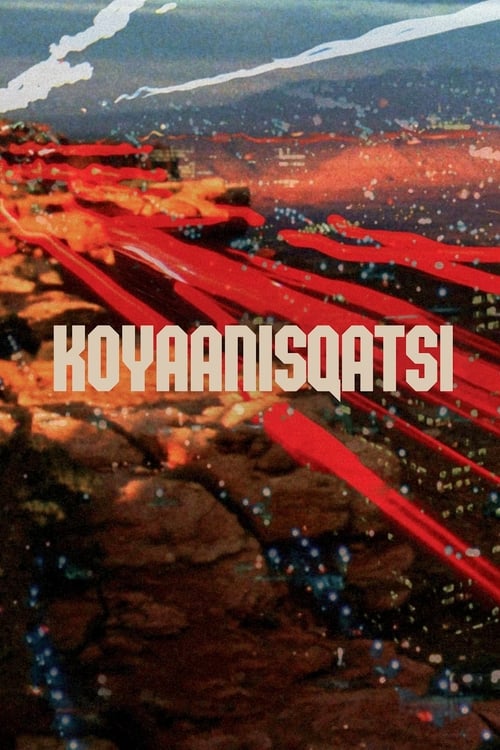
Films with the Same Scope and Patience
Cinema that takes its time, builds worlds, and asks you to surrender to the scale.




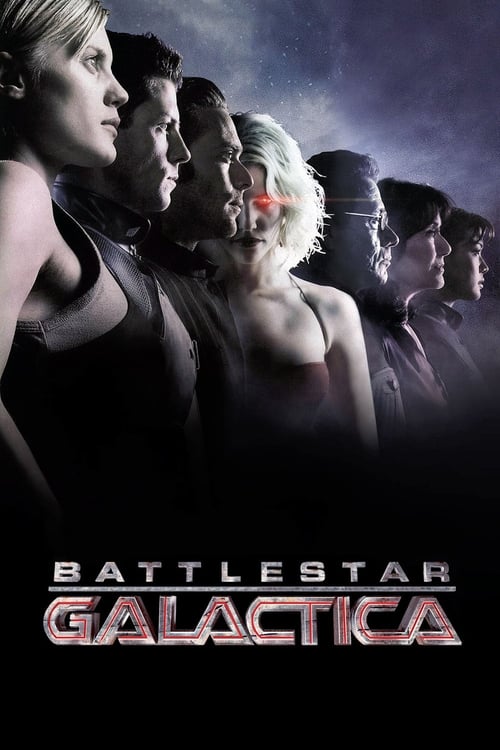
Television That Reaches
Series that embrace complexity, duration, and the kind of formal ambition that makes you feel prog-rock in a different medium.



Roger Dean's covers are not decoration; they are the visual equivalent of what the music is doing
The floating islands and organic script of Roger Dean's artwork for Yes records are often treated as period kitsch, the visual furniture of a genre that took itself too seriously. That reading is exactly backwards. Dean was solving the same problem Anderson and Howe were solving: how do you make the intangible feel physically real, how do you give a space that does not exist a weight you can almost touch. The answer, in both cases, was obsessive craft. The covers are what you look at while the record plays, and they are exactly right.
Progressive Rock's Arc of Ambition
- 1969In the Court of the Crimson King announces a new possibility for rock music. In the Court of the Crimson King
- 1971Yes releases The Yes Album and Fragile, establishing the lineup and the sound. Fragile
- 1972Close to the Edge is recorded and released; Bill Bruford departs immediately after. Close to the Edge
- 1973Genesis, ELP, and Jethro Tull all release major works; the genre reaches its commercial peak. Selling England by the Pound
- 1974Yes doubles down with Tales from Topographic Oceans, a double album of four side-long suites. Tales From Topographic Oceans
- 1976Punk begins to reframe progressive rock's ambition as a liability. Yes responds with Going for the One. Going for the One
- 1980Drama, recorded without Anderson, proves the architecture survives the voice. Drama
- 198390125 and "Owner of a Lonely Heart" make Yes a pop band, briefly. The tension never resolves. 90125
The genre's reputation for excess is its most persistent misreading
When critics dismiss progressive rock as indulgent, they usually mean it is long. But length is not indulgence unless nothing is happening. "Close to the Edge" is eighteen minutes because it needs eighteen minutes: the first movement introduces the disorder, the second builds the architecture, the third achieves the resolution, and the coda earns the silence. Cutting it would not make it tighter; it would make it meaningless. The same logic applies to Tolkien, to Tarkovsky, to any work that understands that some experiences require duration to accumulate their full weight.
