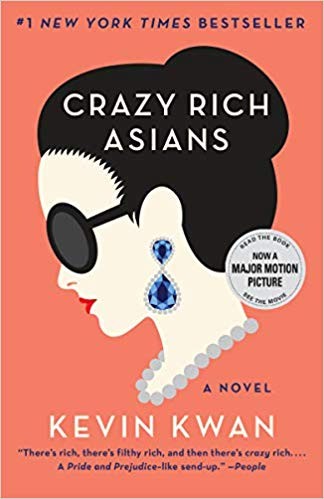

Kevin Kwan's 2013 novel cracked open a world most Western readers had never seen on the page: Singapore's ultra-wealthy Chinese elite, where old money moves in whispers and new money is tolerated at best. What fans chase is a very specific cocktail: the outsider heroine who refuses to shrink herself, the family that weaponises propriety, the settings so lavish they become their own character, and underneath it all a genuinely warm romance that earns its happy ending. This is the fantasy of belonging to a world that does not quite want you in it, and winning anyway.
Essential Crazy Rich Asians
The trilogy and its closest kin in the same vein


From Page to Screen: The Film Adaptation and Its Cousins
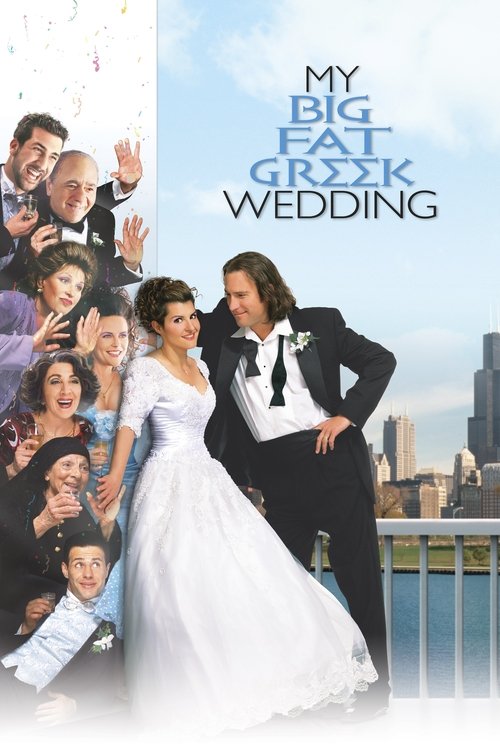
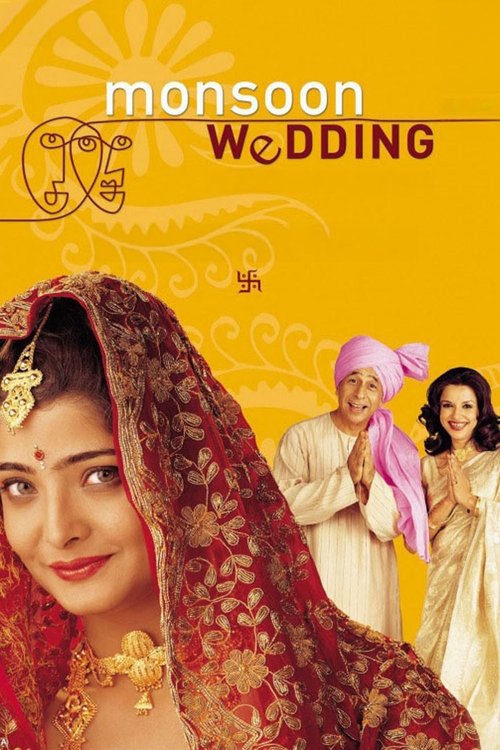
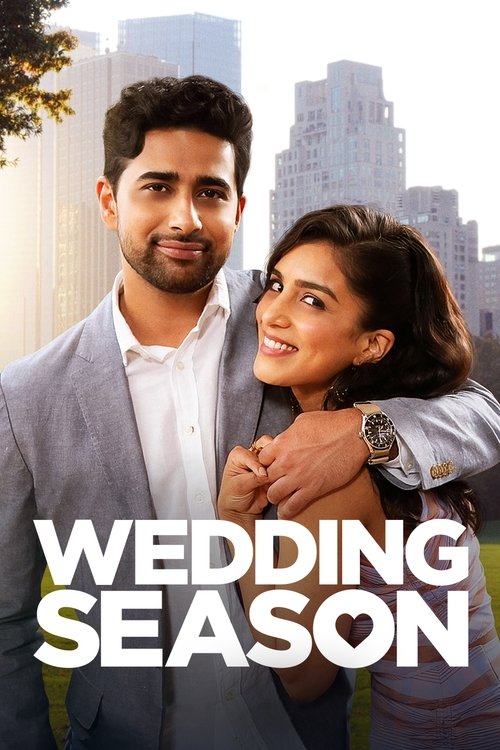
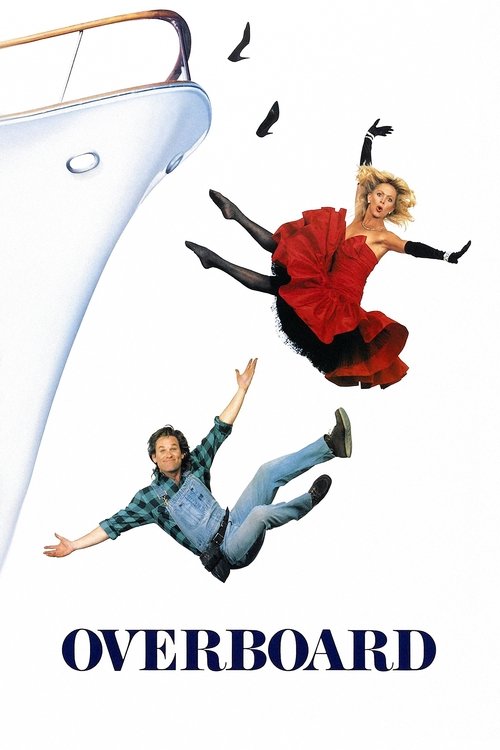
Films that share the glossy-romance-meets-family-drama DNA



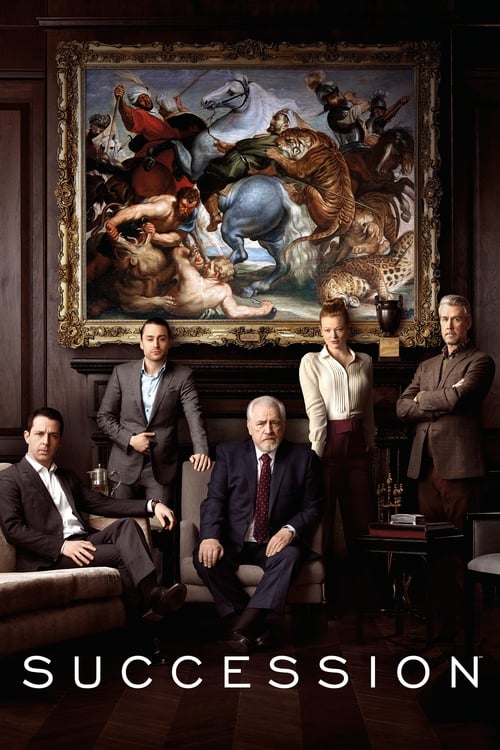
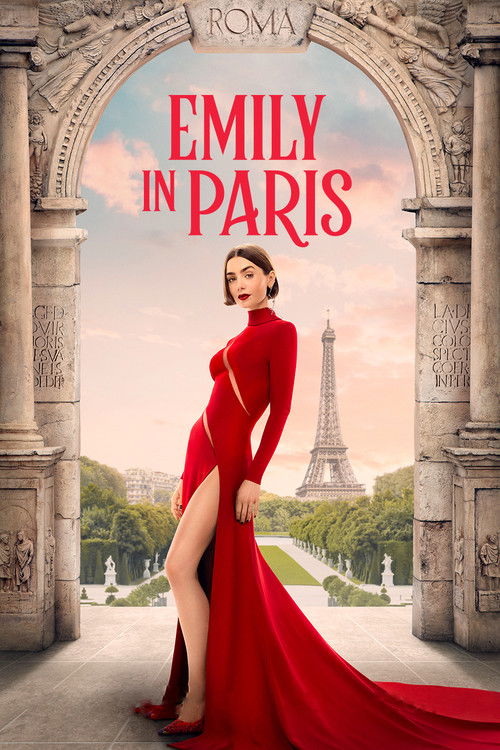
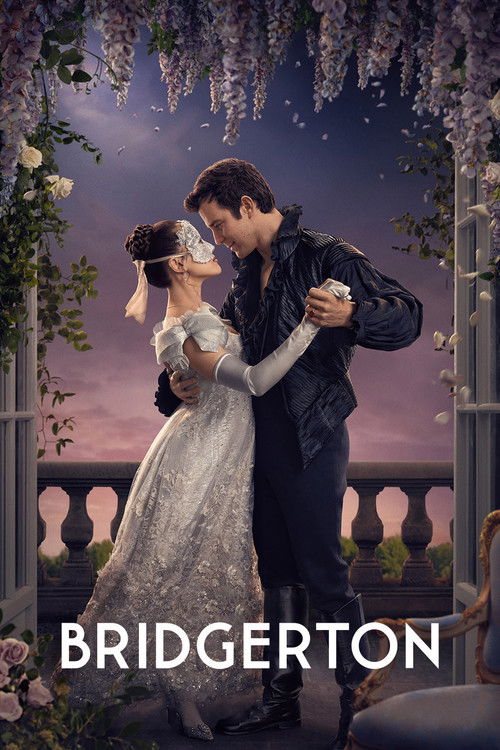
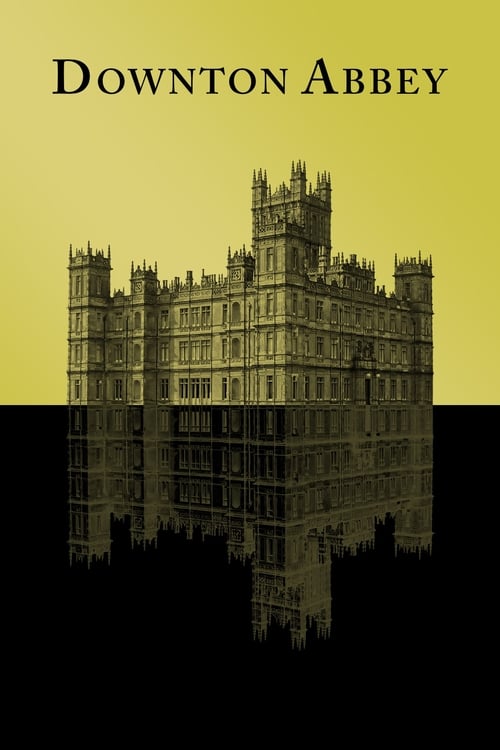
Series for the Long Game: Family Dynasties and Social Climbers
TV that sustains the same tension across seasons



Books That Scratch the Same Itch
Novels built around class, culture clash, and characters with too much to lose


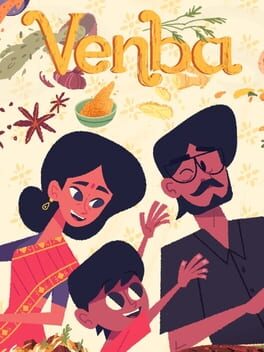
Games About Status, Choice, and Social Performance
Games where navigating relationships and hierarchy is the actual gameplay




The Novel Does Something the Film Cannot
Kwan's prose is ferociously funny in a way no two-hour movie can sustain. The satirical footnotes cataloguing couture labels, the parenthetical family trees stretching back to colonial Singapore, the sheer accumulation of absurdist detail: these are the weapons of a novelist, not a screenwriter. The film is a delight, but the book is closer to a social comedy in the tradition of Edith Wharton or Evelyn Waugh, aimed squarely at a new subject. Read the trilogy before you decide the story is merely a fairy tale.

Class Anxiety Is the Real Romance
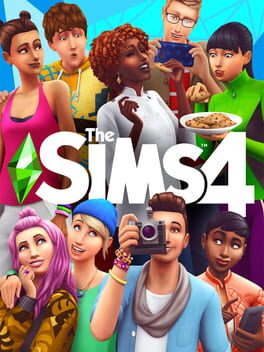
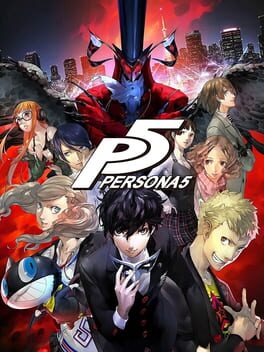
Rachel Chu does not struggle with whether Nick loves her. She struggles with whether she is the kind of person his world is willing to love. That distinction makes Crazy Rich Asians more interesting than its peers: the obstacle is structural, not a misunderstanding or a third party. The same engine drives Succession, Pride and Prejudice, and even Persona 5, where belonging to the right group is both the prize and the cost. Once you see this pattern, you find it everywhere.
Singapore Is Not a Backdrop, It Is an Argument
The novel insists that the Singapore Chinese elite operate by a distinct code, shaped by colonial history, Confucian family structure, and postcolonial wealth anxiety. Kwan is not just painting pretty locations: he is arguing that this specific place produced this specific kind of impossible mother-in-law, this specific kind of pride, this specific kind of heartbreak. Monsoon Wedding and Joy Luck Club make the same move with Mumbai and San Francisco's Chinatown respectively, showing that place is not decoration but causation.
A Short History of Aspirational Asian Storytelling in the West
- 1989Amy Tan's The Joy Luck Club brings multigenerational Chinese-American family conflict to mainstream American readers. The Joy Luck Club
- 1993The film adaptation of The Joy Luck Club reaches a mass audience, one of the first Hollywood films centred entirely on Asian women.
- 2002Bend It Like Beckham shows a South Asian family caught between tradition and the dreams of a daughter, to broad international success. Bend It Like Beckham
- 2013Kevin Kwan publishes Crazy Rich Asians, the first major English-language novel to take Singapore's ultra-wealthy Chinese families as its primary subject. Crazy Rich Asians
- 2018The Warner Bros. film adaptation becomes the highest-grossing romantic comedy in a decade, a cultural milestone for Asian-led Hollywood. Crazy Rich Asians
- 2020Bling Empire launches on Netflix, bringing the reality-TV format to a similar demographic and world.
- 2021Never Have I Ever, Mindy Kaling's teen comedy about a South Asian-American girl, earns a massive global audience and renews debate about representation in romance storytelling. Never Have I Ever
It was a world where the people with the most power spoke the softest, dressed the most plainly, and smiled the least.Kevin Kwan, Crazy Rich Asians