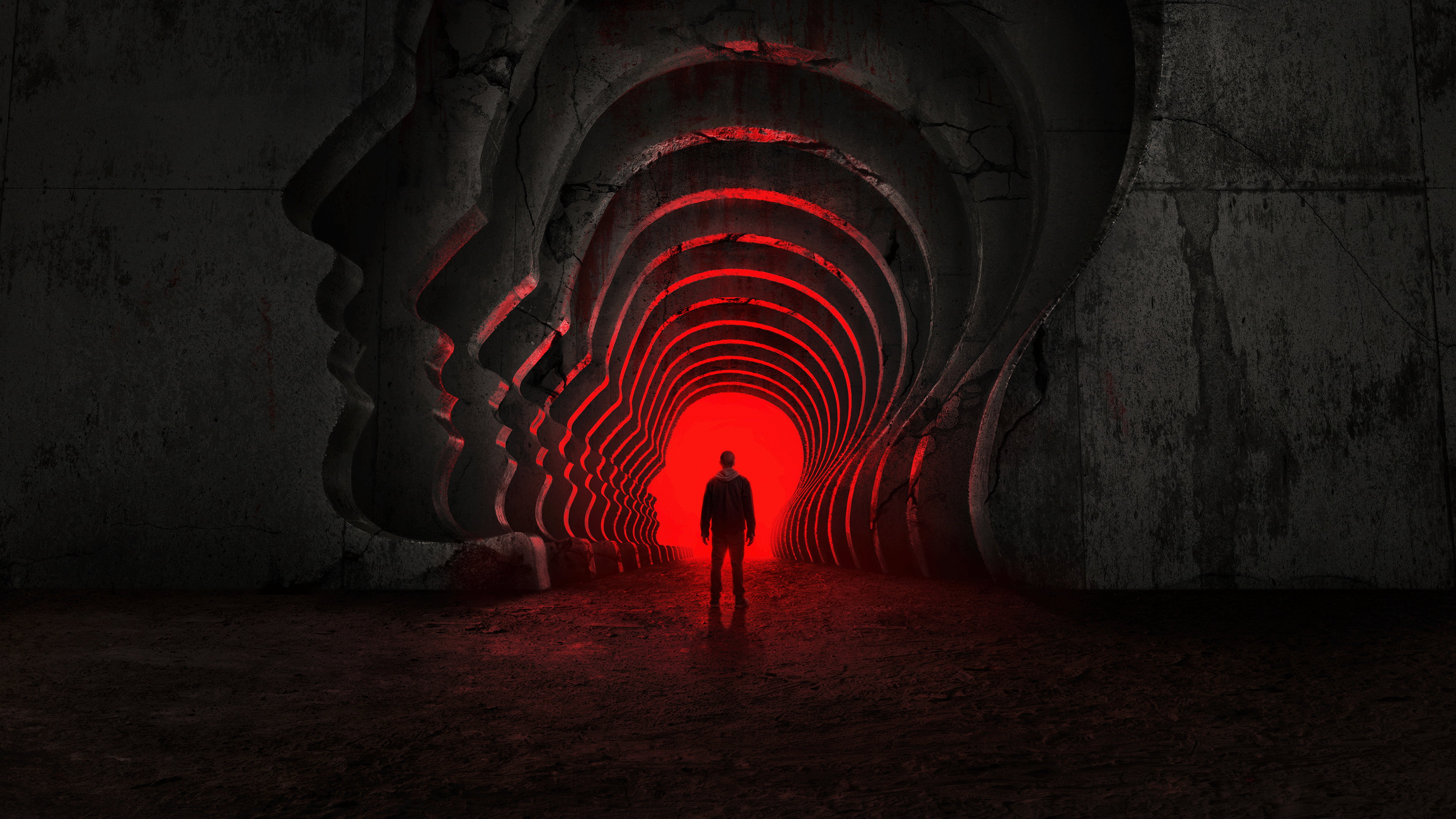

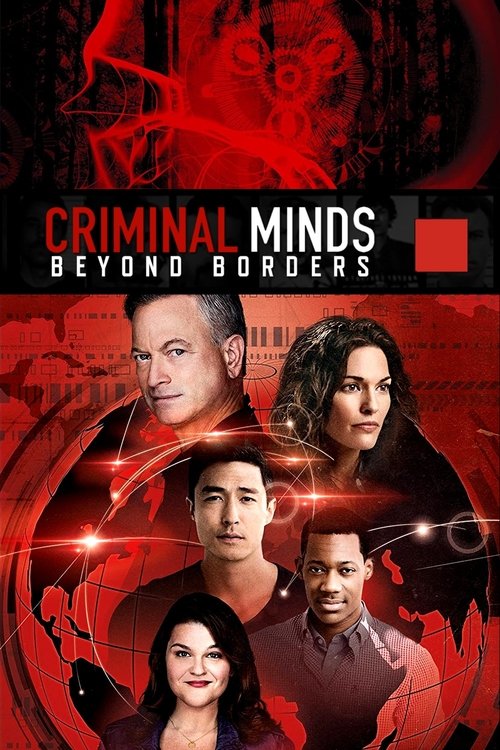
Criminal Minds ran for fifteen seasons because it found the one hook no other procedural had quite nailed: the killer is the puzzle. Not the crime scene, not the victim, not the evidence chain, but the psychology of whoever did this and why. Every episode the BAU team steps off a jet into a new American nightmare, and the pleasure is watching smart people read a stranger's interior life from the outside. The show respects its audience enough to explain the behavioral science without dumbing it down, and it casts villains who are genuinely disturbing rather than cartoonish. That combination, rigorous method plus visceral unease plus a tight ensemble who genuinely seem to like each other, is rarer than it looks. The works below all share some version of it.
Essential Criminal Minds
The show's own peaks, plus the spinoffs worth your time.
Profilers, Detectives, and the People Who Read Rooms
TV series built around procedural intelligence rather than action.






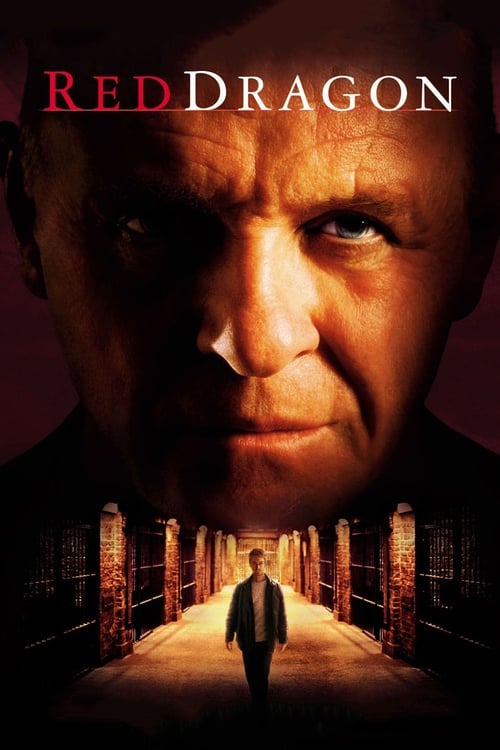
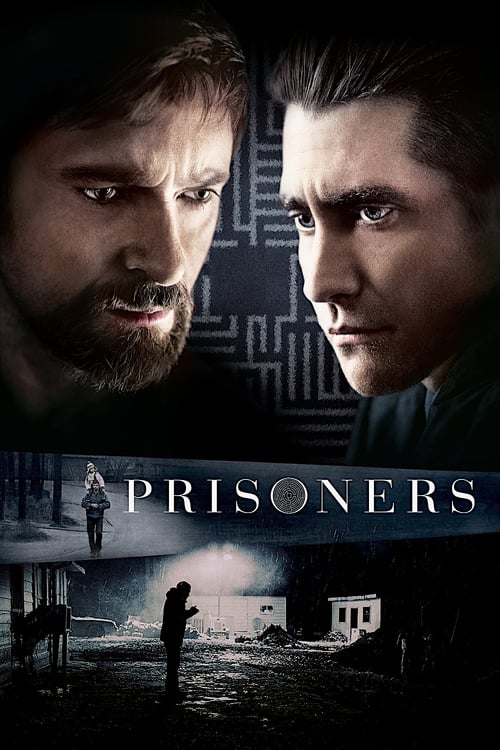
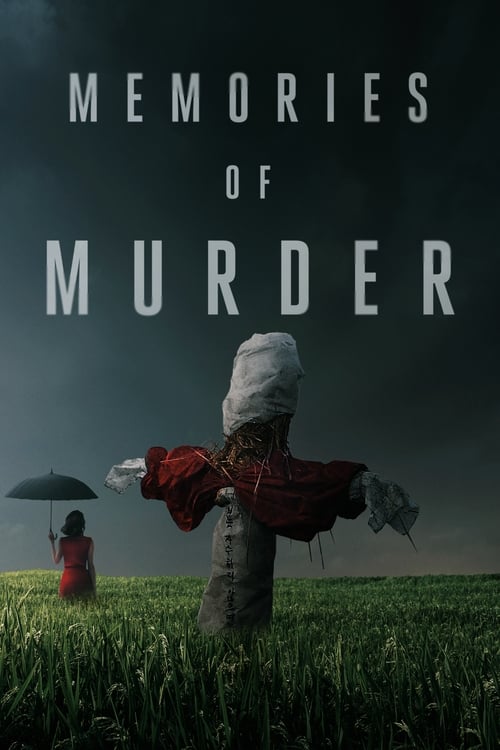
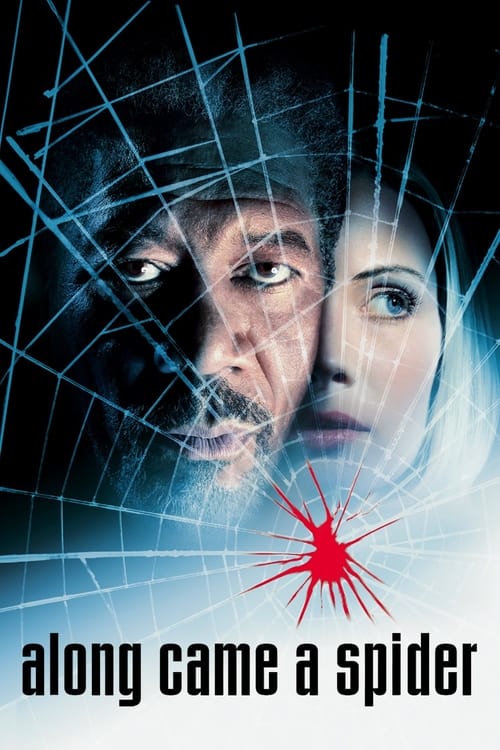
Inside the Killer's Head: Films
Cinema that puts you inside a forensic or psychological investigation.


Games That Put You in the Investigator's Chair
Interactive mysteries and criminal procedure where reading people is the mechanic.





Mindhunter Is the Most Important Thing to Watch After Criminal Minds
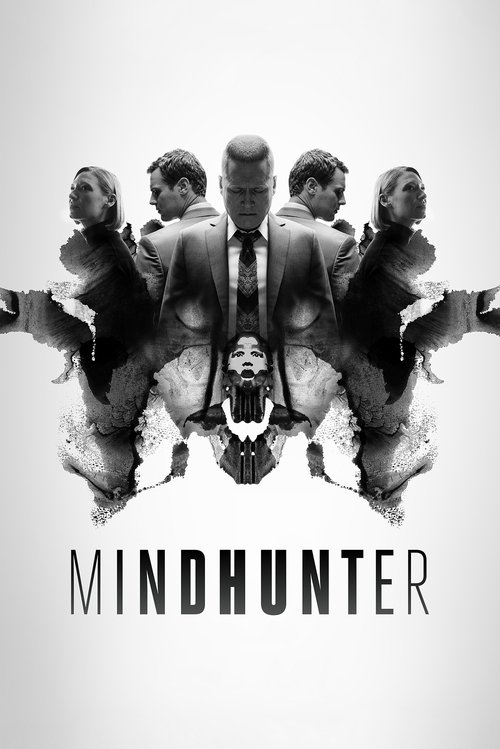
Netflix's Mindhunter is where Criminal Minds' founding mythology actually lives. Douglas and Ressler, the real FBI agents whose interview program with incarcerated killers built behavioral science into a discipline, are thinly fictionalised here as Holden Ford and Bill Tench. The show is slower and more institutional than Criminal Minds, interested in bureaucratic resistance and personal cost as much as casework, but that friction is the point. Watching the method get invented in real time makes everything Criminal Minds takes for granted feel earned. The two seasons available are essential.
Hannibal Took the Same Source Material Somewhere Criminal Minds Never Could
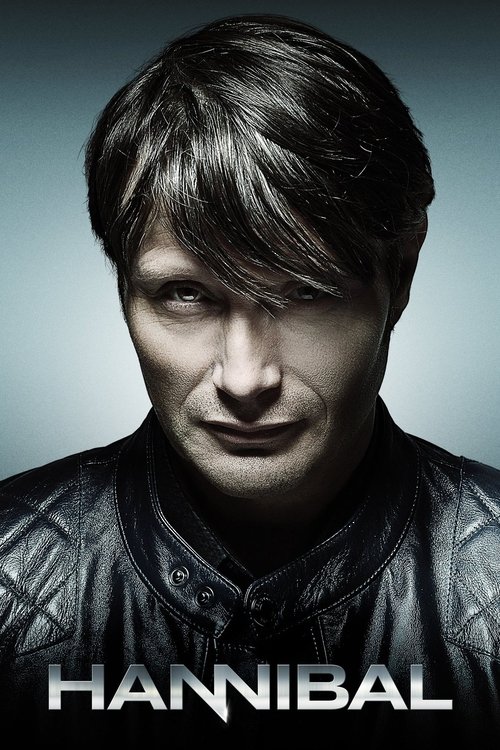
Thomas Harris's Red Dragon is the novel that introduced Will Graham and the whole idea of the FBI profiler, and Bryan Fuller's Hannibal series uses that material as a springboard for something closer to art horror than crime procedural. Where Criminal Minds gives you a safe team to identify with, Hannibal dissolves that safety entirely: Graham's empathy is a liability, Lecter is never contained, and the show's visual language is closer to a fever dream than a case file. It is the show for Criminal Minds fans who want the same intellectual premise pushed until it breaks.
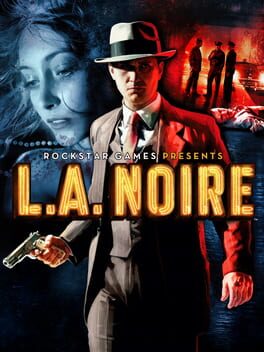
L.A. Noire Gives You the Read-the-Room Satisfaction in Interactive Form
The BAU's core skill is reading behavioral tells, and L.A. Noire is the game that made that mechanic the entire point. You watch faces during interrogations, decide whether suspects are being truthful or hiding something, and build cases from behavioral evidence as much as physical clues. Set in postwar Los Angeles with a genuinely excellent noir atmosphere, it captures the same procedural satisfaction Criminal Minds delivers every episode, except here the read is yours to get right or wrong.
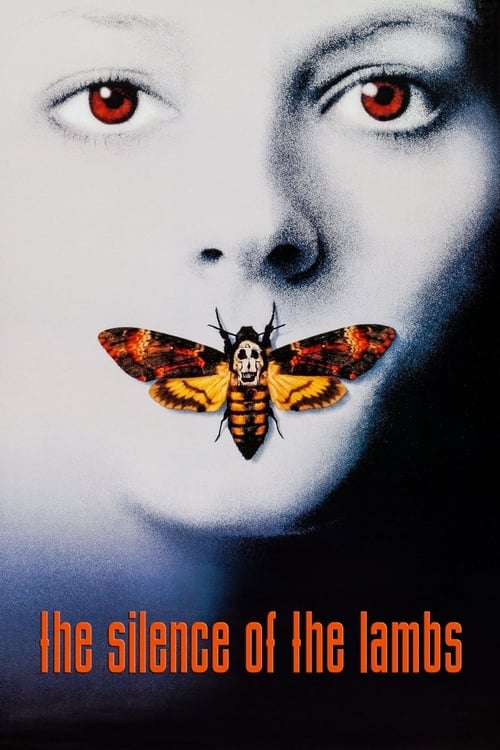
The Silence of the Lambs Is Still the High-Water Mark Across Every Medium
Decades on, nothing has surpassed it. Jonathan Demme's film of Thomas Harris's novel gets everything right that is genuinely hard to get right: Clarice is competent and vulnerable simultaneously, Lecter is frightening precisely because he is helpful, and the case that frames their relationship (Buffalo Bill) is disturbing in a way that feels grounded rather than exploitative. It is the ur-text for the psychological criminal investigation as a dramatic form, and both the novel and the film reward a second pass after you've spent years with Criminal Minds.

How Psychological Crime Became a Genre
- 1981Thomas Harris publishes the novel that introduces Will Graham and the concept of the FBI profiler.
- 1986Michael Mann adapts Red Dragon for cinema as Manhunter, the first screen appearance of Hannibal Lecter.
- 1988The FBI's Behavioral Science Unit, inspiration for the BAU, formally codifies its criminal profiling methodology.
- 1991The Silence of the Lambs wins five Academy Awards and embeds the FBI profiler in popular culture permanently. The Silence of the Lambs
- 1992John Douglas and Mark Olshaker publish Mindhunter, the memoir behind the methodology.
- 2005Criminal Minds premieres on CBS, building a procedural franchise directly on the BAU concept. Criminal Minds
- 2011L.A. Noire brings interrogation and behavioral reading to interactive entertainment. L.A. Noire
- 2013Hannibal premieres, taking the Harris source material into prestige art-horror territory. Hannibal
- 2017Netflix's Mindhunter dramatises the real history behind everything Criminal Minds takes for granted. MINDHUNTER
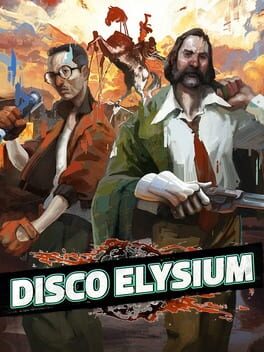
- 2019Disco Elysium redefines the investigator game as a study in psychology, failure, and interior monologue. Disco Elysium
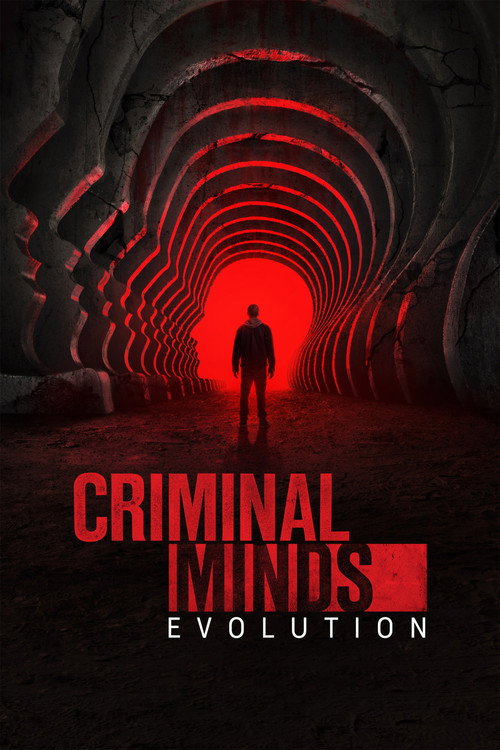
- 2022Criminal Minds: Evolution revives the BAU for the streaming era with a serialised unsub arc.
Whatever drives the Criminal Minds machine, it is not the crime. It is the question of who could do this, and what that tells us about the rest of us.CrossBinge editors