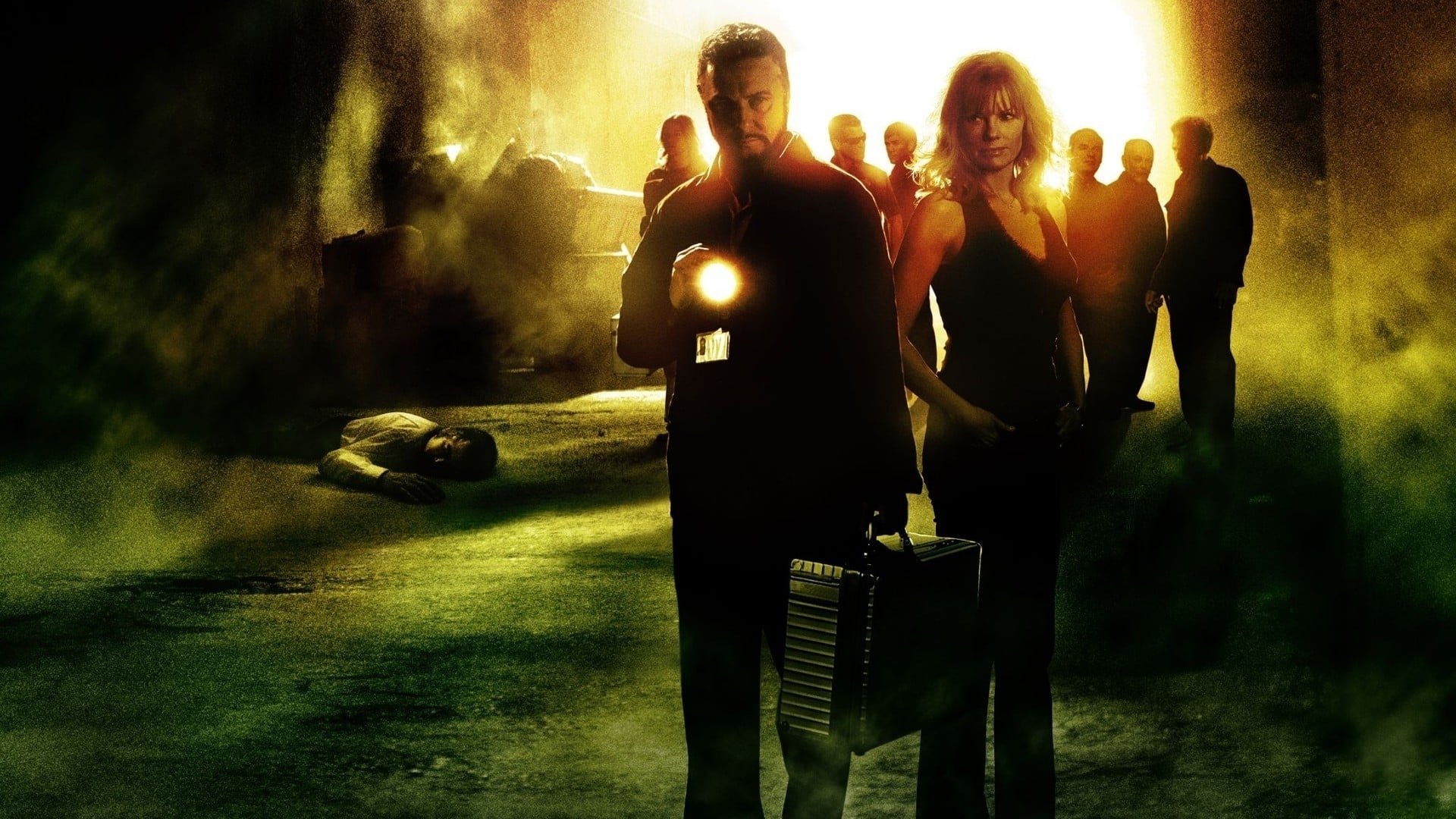

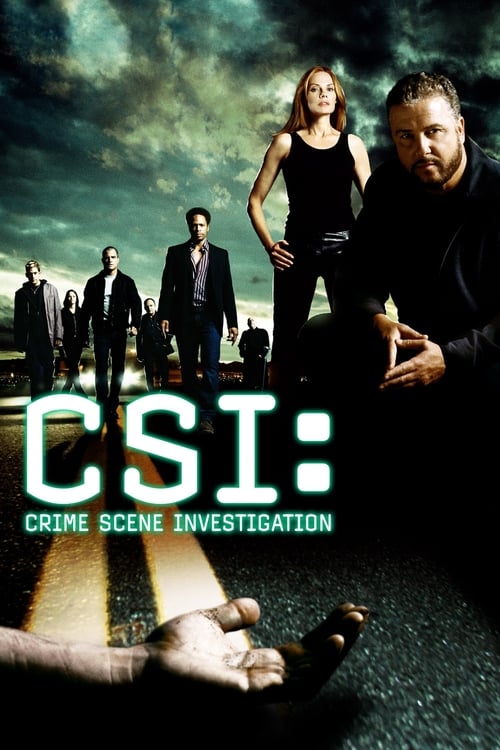
When CSI: Crime Scene Investigation premiered in 2000, it arrived with a premise that felt almost perverse for network television: the hero was not the detective with the gun, but the lab technician with the swab. For fifteen seasons the Las Vegas crime lab made forensic science the spine of American primetime, and its fingerprint is everywhere in modern crime entertainment. The pleasure is specific: a closed system of facts, a puzzle assembled from physical evidence, and the quiet satisfaction of certainty arriving through method rather than confession. The works below share that DNA, the patience, the cool procedural distance, the faith that the world gives up its secrets if you look hard enough and think clearly.
Essential CSI
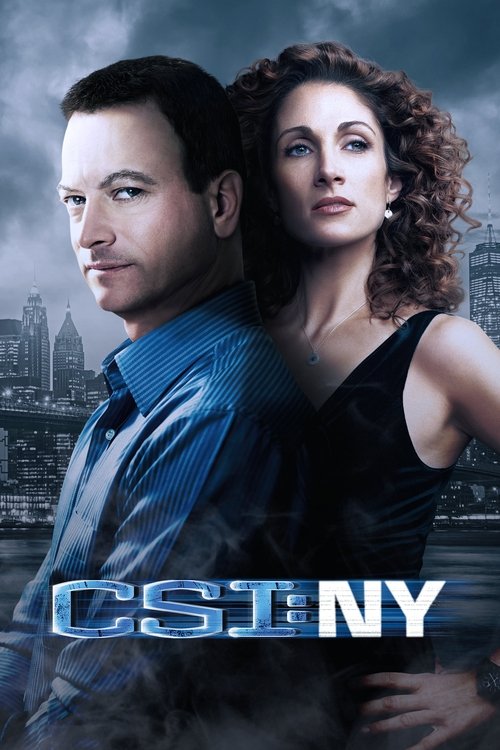
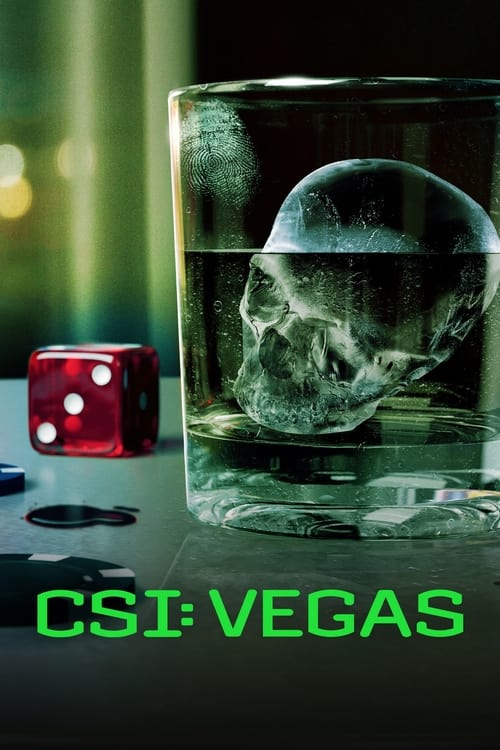
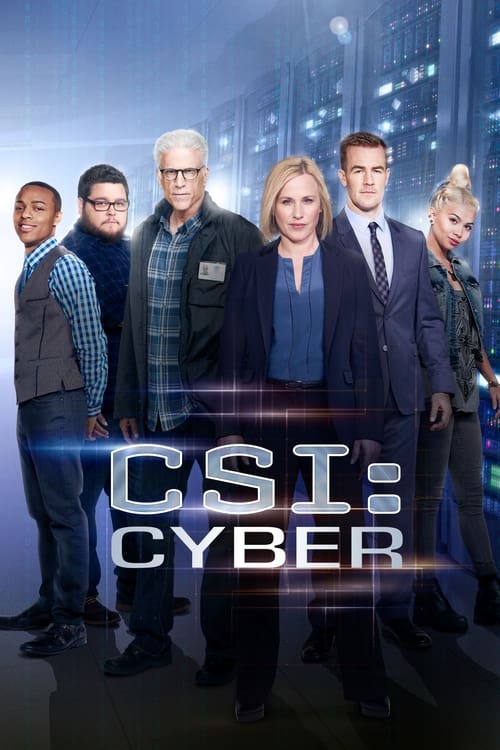
The franchise itself, across its long run and its spinoffs
The Procedural Shelf
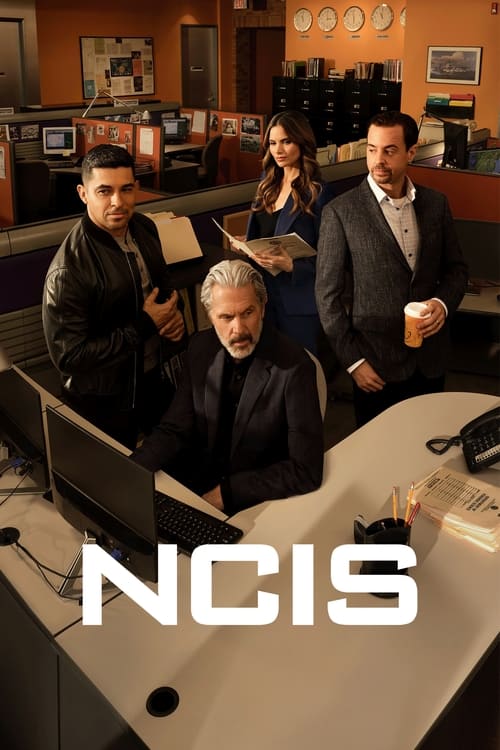
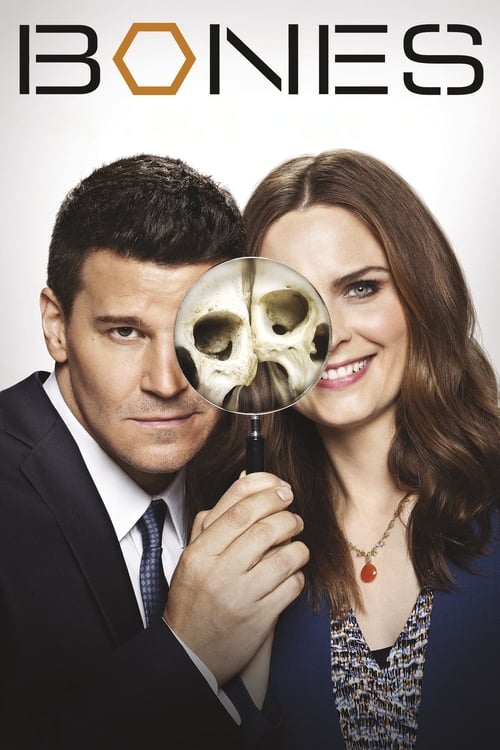
Series that share CSI's case-of-the-week structure and evidence-first logic

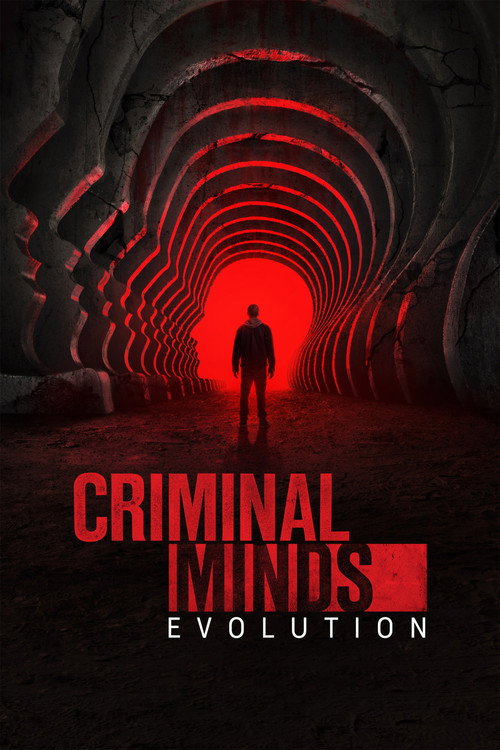
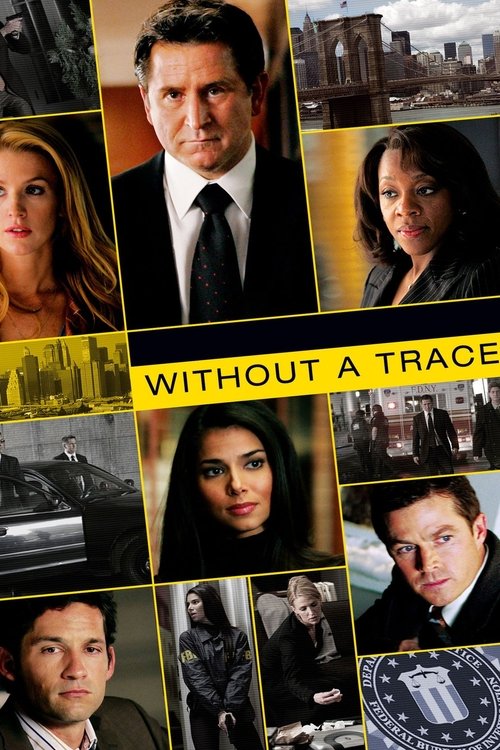
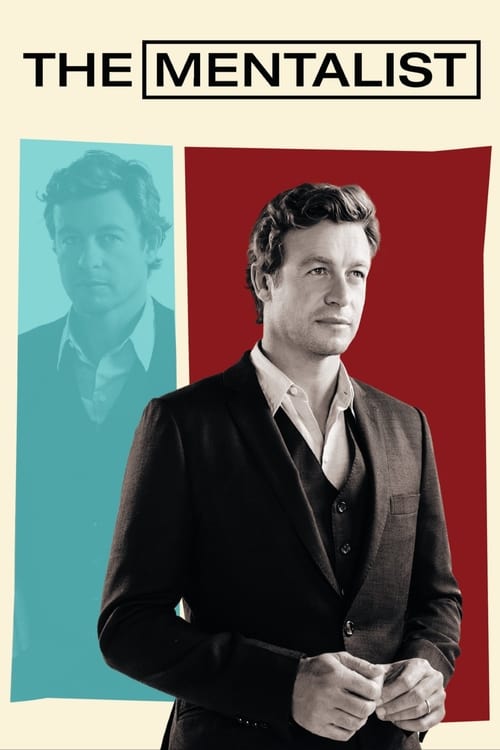
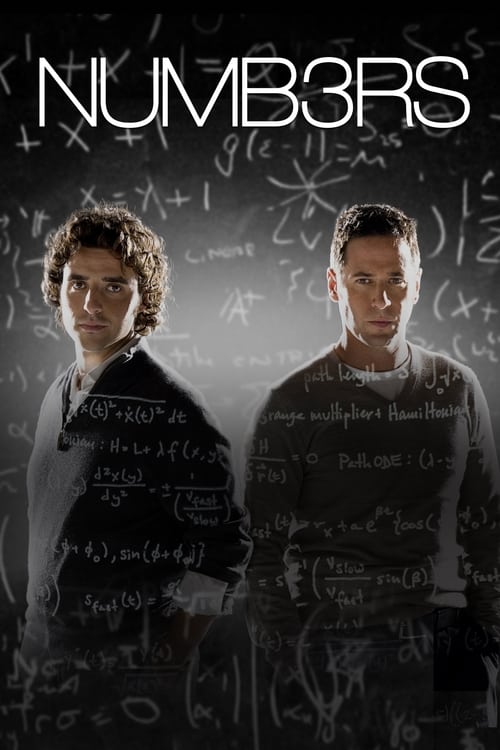



Crime Cinema, Evidence First
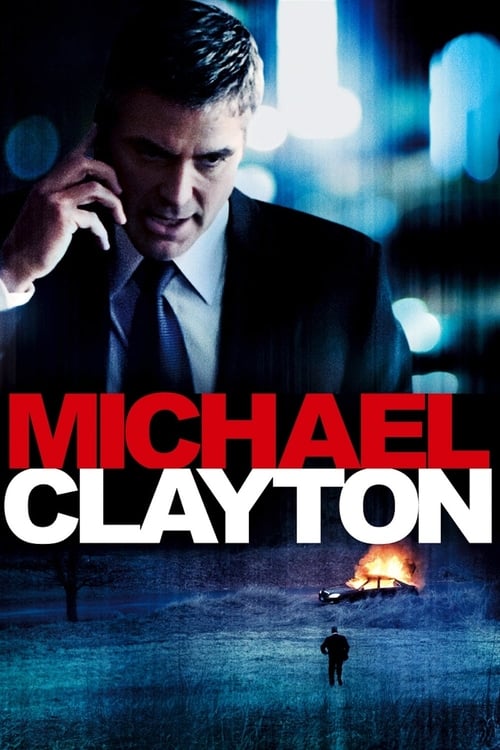
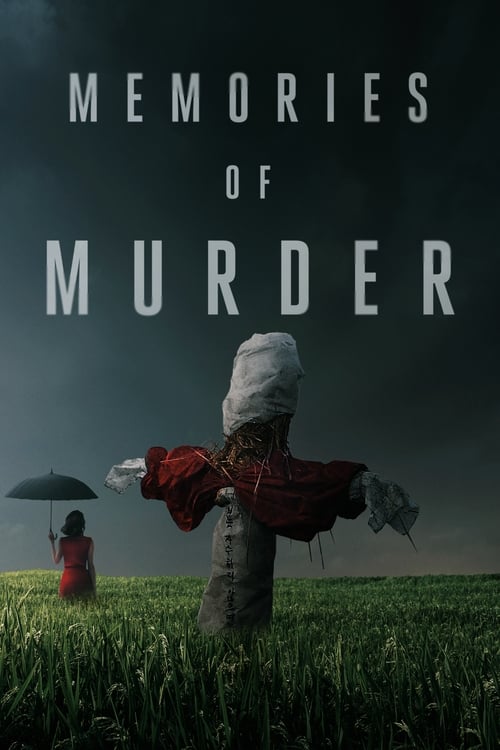
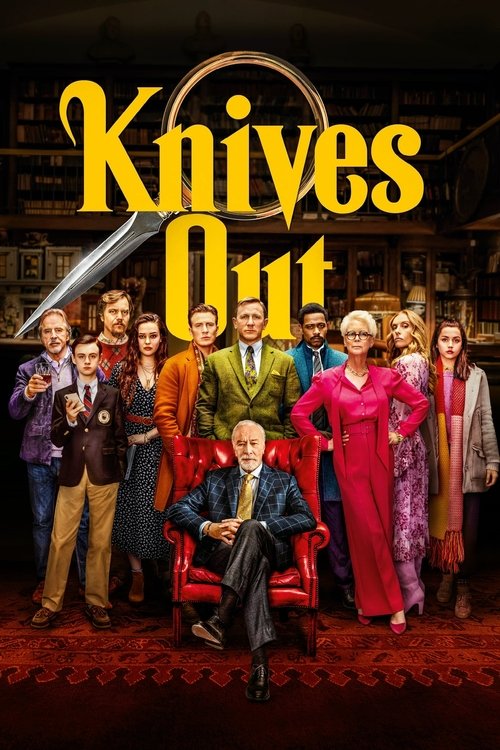
Films that treat the investigation as the story, not just the preamble


The Forensic Bookshelf
Crime fiction and true crime writing that put the science at the center


Solve It Yourself
Games that hand you the investigative tools and let you work the case



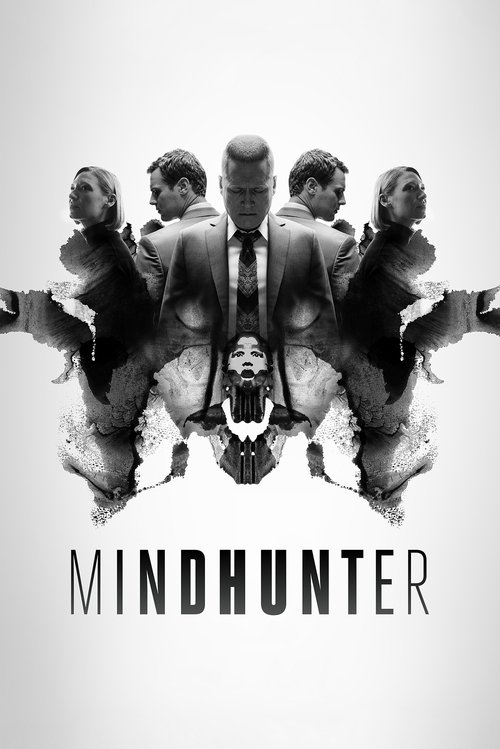
Mindhunter is what CSI looks like stripped of comfort
CSI always resolves: by the hour mark, the evidence wins and the killer is named. Mindhunter refuses that comfort. David Fincher's series shares the same foundational faith in method, in careful fieldwork, in building a science where none existed before, but it withholds the catharsis. The crime scenes are already cold, the criminals are already caught, and the real work is understanding why. It is the adult version of the same obsession, without the Las Vegas lighting.
Return of the Obra Dinn is the purest forensic game ever made
Lucas Pope built a game entirely around a single mechanism: reconstruct what happened to each person on an abandoned ship using physical evidence, testimony, and deduction. There is no action, no dialogue tree, no hint system. You work the case. The satisfaction of locking in a correct identification is identical to watching Grissom close the file on a cold case, because the process is the same: observe, hypothesize, confirm.
Patricia Cornwell invented the template CSI dramatized
Kay Scarpetta, the forensic pathologist at the center of Cornwell's long-running series, preceded the Las Vegas crime lab by nearly a decade. Postmortem (1990) established the conventions: the medical examiner as protagonist, the autopsy table as the primary scene, the lab result as the plot turn. CSI owes Cornwell a structural debt the show rarely acknowledged publicly.
Zodiac is the film CSI fans deserve but rarely get
Fincher's 2007 film is a 158-minute argument for obsession as a way of life. The investigation spans decades, the evidence accumulates without resolving, and the work itself becomes the point. There is no clean arrest, no lab eureka, and no moment where the science closes the loop. That is what real cases look like, and Zodiac is the most honest film ever made about the people who cannot stop looking.
The Forensic Crime Genre: Key Moments
- 1990Patricia Cornwell publishes the first Kay Scarpetta novel, establishing the forensic pathologist as crime fiction's central figure Postmortem
- 1991Thomas Harris's Hannibal Lecter film reaches mass audiences, making criminal profiling a mainstream obsession The Silence of the Lambs
- 1994The O.J. Simpson trial turns forensic evidence into live television, making DNA and trace analysis household vocabulary
- 1994The Body Farm coins the term for forensic anthropology research, giving crime writers a new science to dramatize The Body Farm
- 2000CSI: Crime Scene Investigation premieres on CBS, reframing the cop show around the lab technician rather than the detective CSI: Crime Scene Investigation
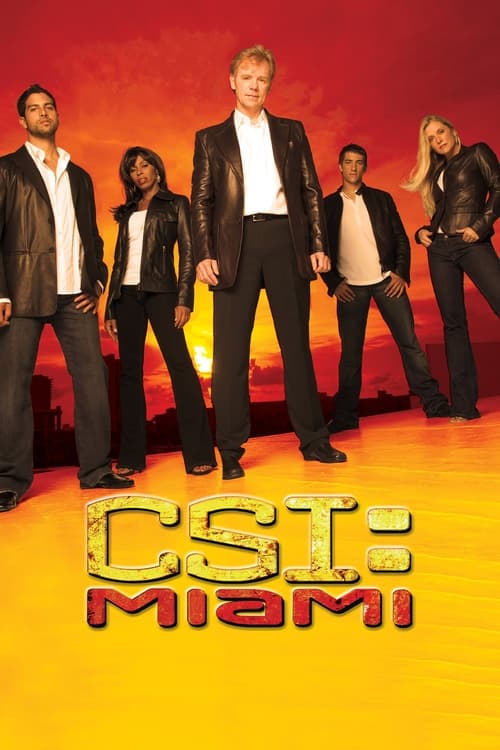
- 2002CSI Miami launches the franchise model, proving the forensic format travels across geography and tone CSI: Miami
- 2004Forensic Files completes its original run, having spent a decade proving true-crime procedurals could hold a mass cable audience Forensic Files
- 2007Zodiac sets the gold standard for investigative cinema, showing what the obsession with evidence costs over time Zodiac
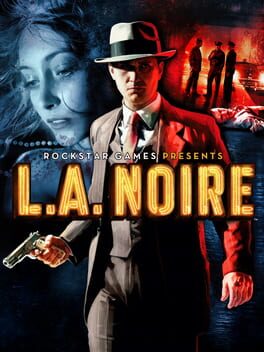
- 2013L.A. Noire's interrogation and evidence systems prove the detective procedural translates into interactive form L.A. Noire
- 2016Return of the Obra Dinn introduces pure deductive mechanics, making forensic reconstruction the entire game Return of the Obra Dinn
- 2017Mindhunter brings FBI behavioral science to prestige TV, stripping the procedural of its resolution guarantee MINDHUNTER
The evidence never lies. People lie, witnesses lie, suspects lie. But the evidence, if you read it carefully, tells you exactly what happened.Gil Grissom, CSI: Crime Scene Investigation