

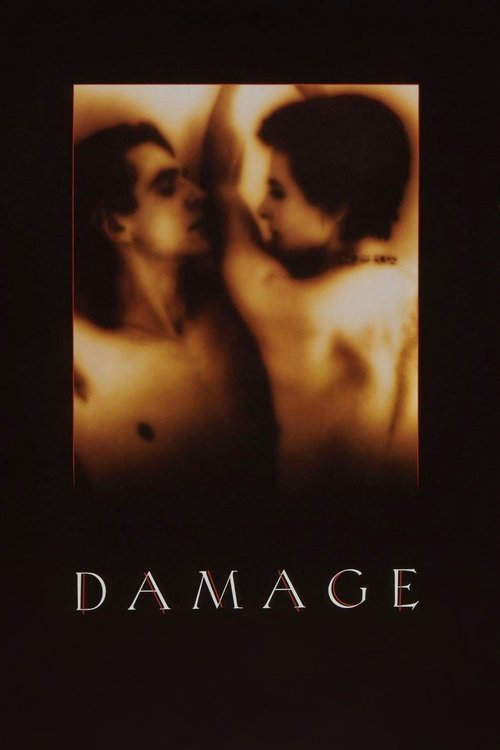
Stephen Fleming is a British minister at the peak of his career, respected and apparently content, when he meets Anna Barton at a party. She is his son's girlfriend. Within weeks he has thrown everything overboard. Louis Malle's Damage (1992) is not a thriller about an affair going wrong. It is a clinical portrait of compulsion: the way a certain kind of erotic obsession bypasses judgment entirely and operates like a second consciousness inside a person, indifferent to consequence. Jeremy Irons plays Fleming with an interior stillness that makes the destruction feel inevitable rather than operatic. Juliette Binoche gives Anna a quality of damage already sustained, a wound that attracts a wound. The film refuses to psychologize or moralize. It simply watches. That formal severity, combined with genuine sexual tension and a grief-soaked final act, is what fans of Damage keep chasing in other work: the love story that reads as catastrophe from the first frame, the camera that refuses to look away.
Essential Damage
The film and its closest kin: Louis Malle's own late work and Josephine Hart's source



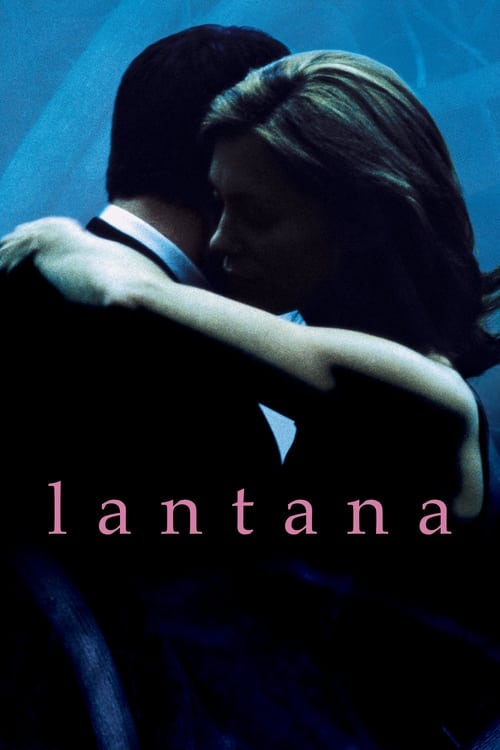
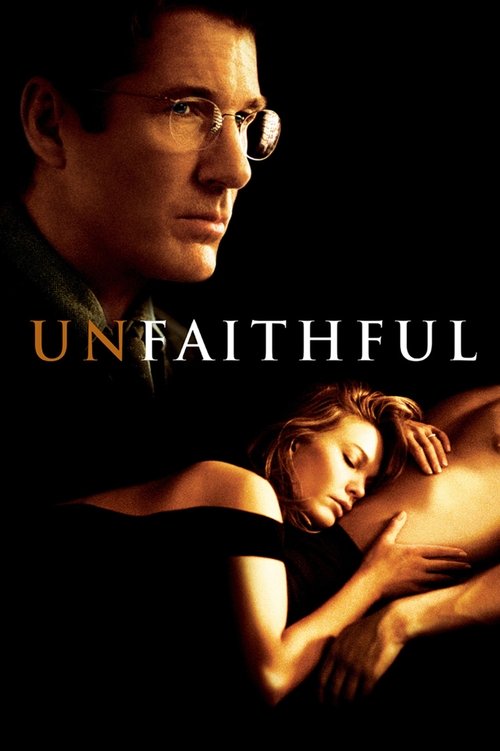
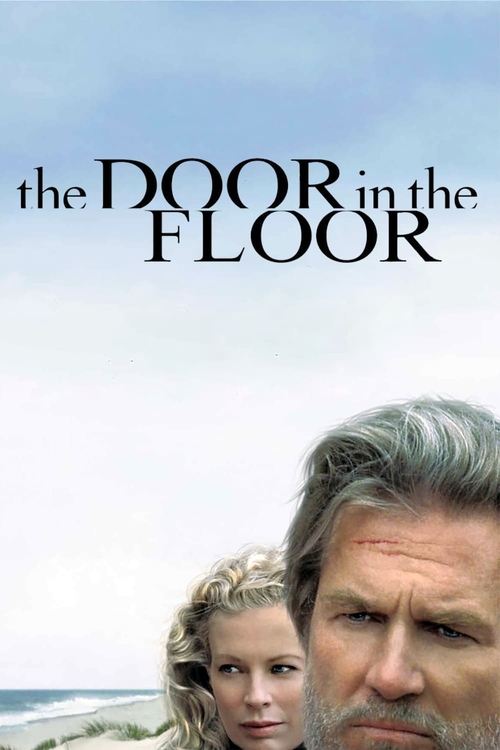
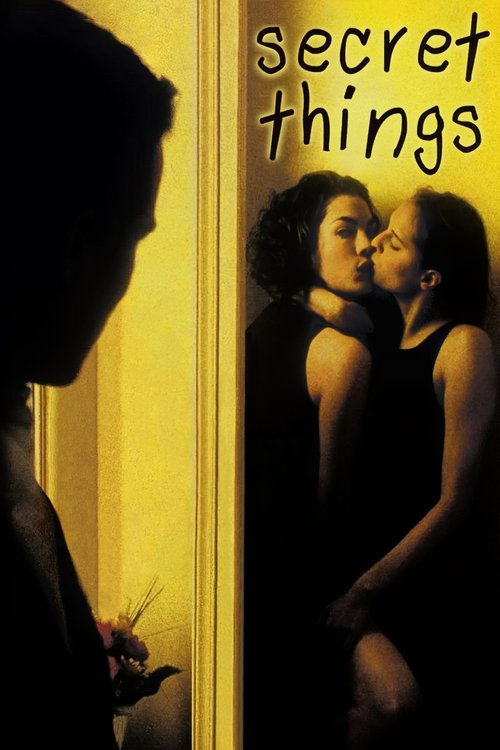
Same Cold Fire: Films of Fatal Desire
Controlled, literary films where erotic obsession is the engine of ruin





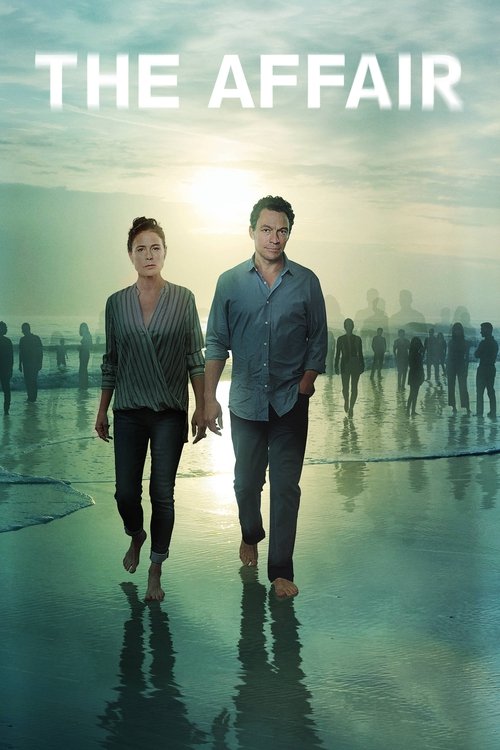
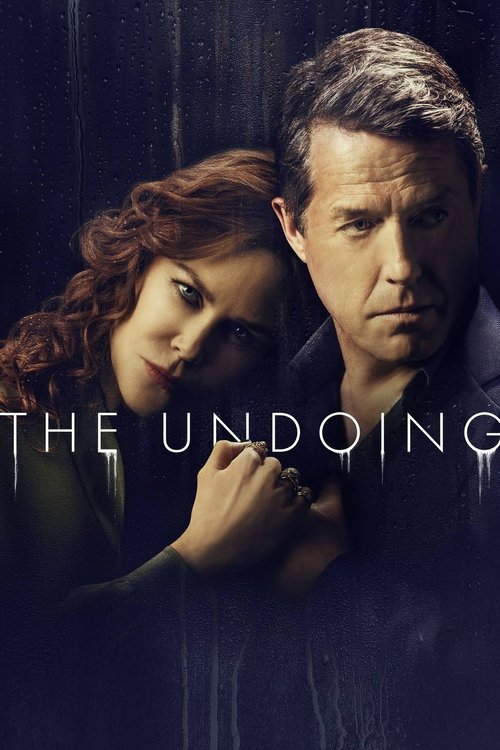
Television That Holds the Tension
Series with the same slow-burn, adult emotional register: desire, class, and consequences







The Literature of Ruinous Love
Novels that share the film's precise, pitiless gaze at desire and its costs


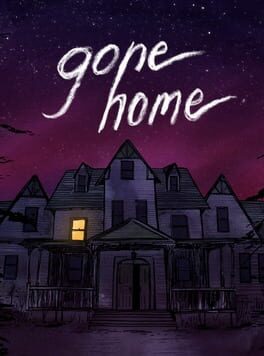
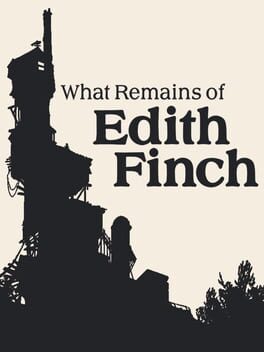
Games About Consequence You Cannot Outrun
Narrative games where choices accrue and the emotional cost is the point





Jeremy Irons gave the defining screen performance of controlled collapse
There is a school of screen acting that equates intensity with volume. Irons does the opposite. Fleming's voice barely rises across the film's running time, and yet the viewer feels something catastrophic happening behind every sentence he speaks. The performance works because Irons makes the compulsion legible without ever letting Fleming understand it himself. That gap between what the character knows and what the audience sees is where the film lives.
Josephine Hart's novel is a masterclass in first-person unreliability
Hart wrote Damage in a prose so stripped and rhythmic it barely qualifies as conventional fiction. Fleming narrates his own destruction in the past tense, fully aware of what he lost, and yet the narration never quite breaks open into grief or self-knowledge. The novel invented the tone the film inherits. Readers who see the film first and then pick up the book find not a companion piece but a colder, more extreme version of the same argument: that some damage cannot be named, only catalogued.
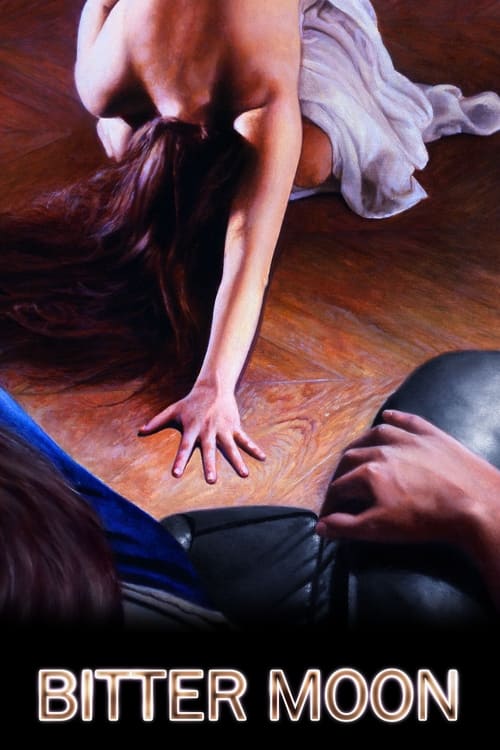
The films that understand sex as a form of self-destruction are rare, and *Bitter Moon* is the clearest companion piece
Roman Polanski's Bitter Moon came out the same year and shares almost nothing stylistically with Malle's restraint, but it arrives at the same destination: the body as a site of annihilation. Where Malle observes from a cool distance, Polanski pushes the camera into the grotesque. Together they form a diptych about what happens when desire becomes the only thing a person is.
The score by Zbigniew Preisner is the third lead performance
Preisner wrote the score the same year he worked with Kieslowski on Blue and Red. The music for Damage is not dramatic in the conventional sense: it does not swell at the moments of crisis or signal danger. It stays in a single register of controlled sorrow from beginning to end, as if the score already knows how this ends before the first scene plays. That choice to mourn in advance rather than react in real time is one of the most quietly radical things about the film.
A Lineage of Adult Catastrophe
- 1857Flaubert publishes the novel that sets the template for bourgeois desire meeting consequence Madame Bovary
- 1915Ford Madox Ford's The Good Soldier introduces the unreliable narrator whose self-deception is total
- 1951Graham Greene's The End of the Affair links erotic obsession to spiritual crisis in postwar London
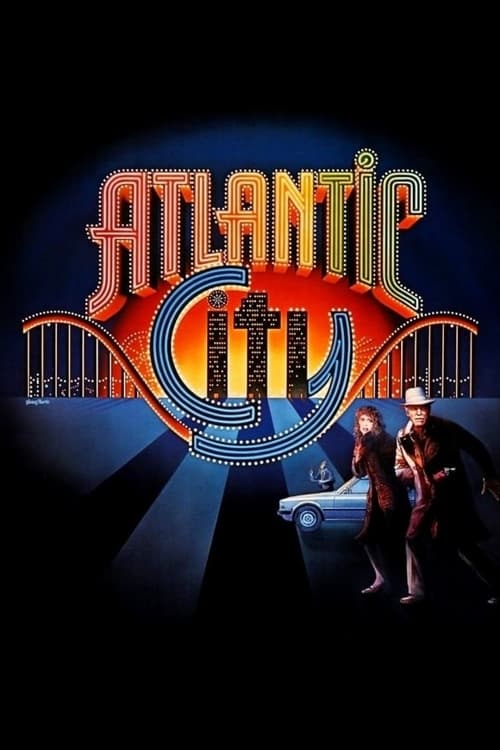
- 1969Malle's Atlantic City establishes his signature: desire among people past their supposed prime, lit without mercy Atlantic City
- 1984Marguerite Duras's The Lover collapses autobiography and eroticism into a single voice of retrospective longing
- 1991Josephine Hart publishes Damage, a novel written entirely in the aftermath of an unnameable act Damage
- 1992Louis Malle brings Hart's novel to the screen, with Preisner's score and Irons's interior stillness Damage
- 1993Kieslowski and Preisner create Blue: grief, not desire, but the same quality of watching someone survive something unsurvivable Blue
- 1999Kubrick's final film, Eyes Wide Shut, strips marital desire to its anxious and ritual core Eyes Wide Shut
- 2014The Affair brings the same fractured-perspective, literary treatment of extramarital obsession to long-form television The Affair
Damaged people are dangerous. They know they can survive.Josephine Hart, Damage (1991)