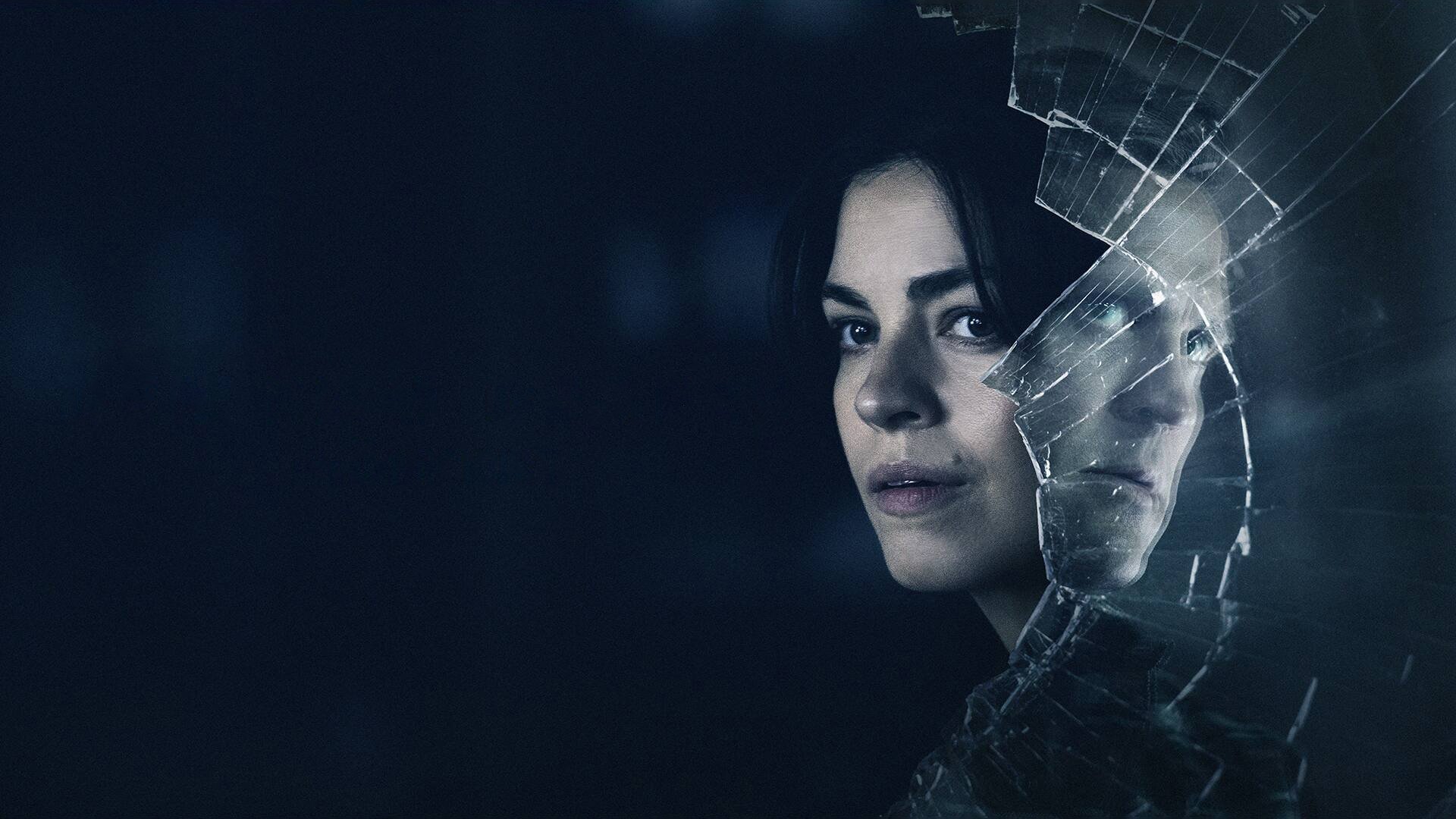

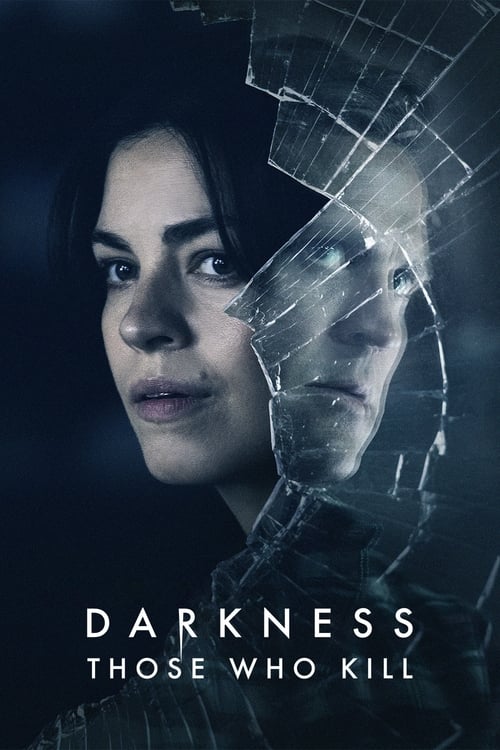
Darkness: Those Who Kill (Danish: Den som dræber, 2011) is a case-by-case Danish crime series built around one central tension: the distance between understanding a killer and stopping one. Criminal psychologist Louise Bergstein and detective Jan Michelsen work each case in tandem, and the show trusts that partnership more than it trusts shock. The crimes are brutal but the real texture is procedural and psychological, shot in the low-contrast grey-blue palette that became shorthand for the Nordic wave. What fans keep coming back to is the restraint: a show that knows the scariest thing about serial violence is how methodical it is, how ordinary the surfaces can look. If that combination of forensic patience, psychological rigour, and cold Northern atmosphere is what you are after, everything below follows the same thread.
Essential Darkness: Those Who Kill
The series itself, and the Danish crime world it belongs to.
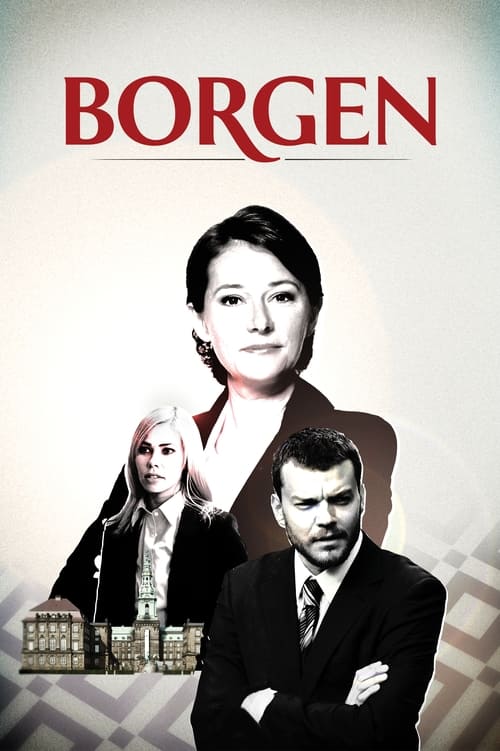
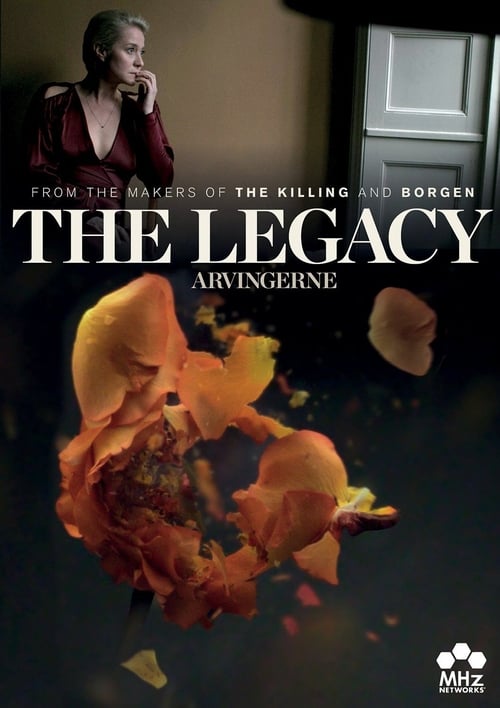
Scandinavia's Darkest Rooms: Nordic Crime Series
The broader tradition of forensic, psychologically-driven Scandinavian procedurals.
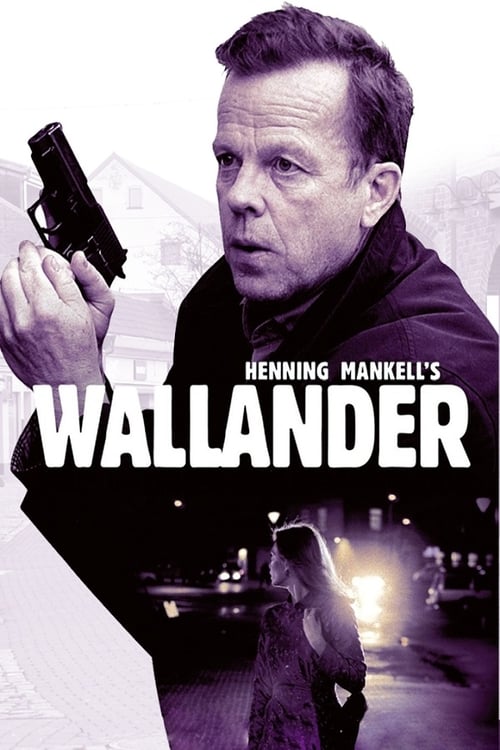

The Killer's Logic: Films About Criminal Psychology
Films that put the profiler's perspective at the centre, not the spectacle.

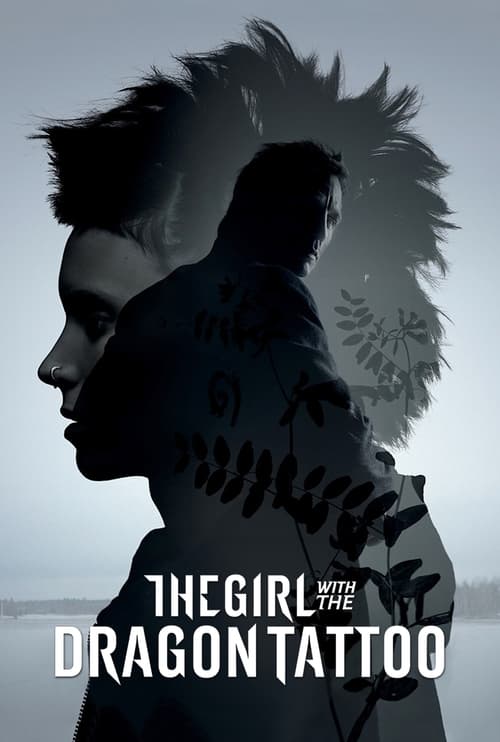
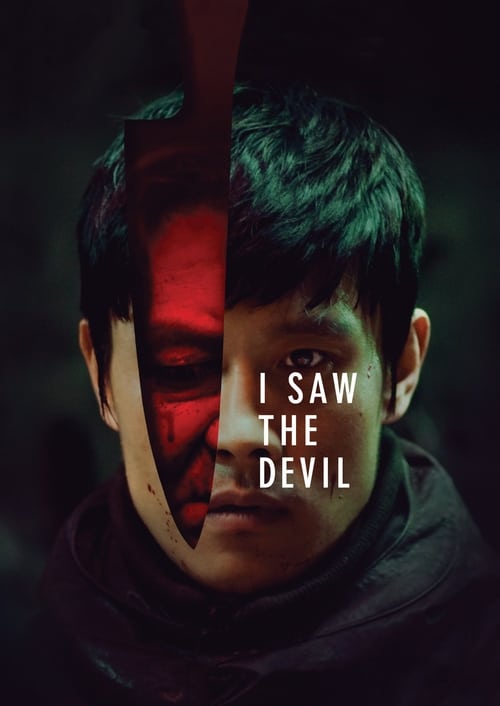
The Source: Nordic Crime Fiction That Started It All
The novels behind the wave, from Larsson to the quiet proceduralists.


Profile and Pursue: Games Built Around Criminal Investigation
Games that put you inside the investigator's mind, methodically.
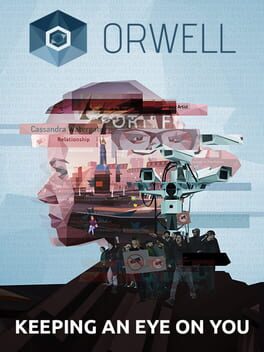
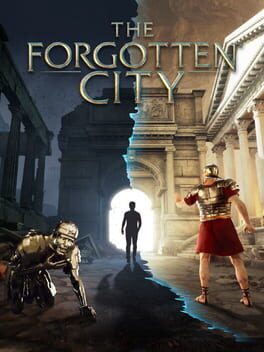
Nordic Noir: A Genre Builds Itself
- 1991Henning Mankell publishes the first Kurt Wallander novel, placing a burned-out Swedish detective at the centre of the form. Faceless Killers
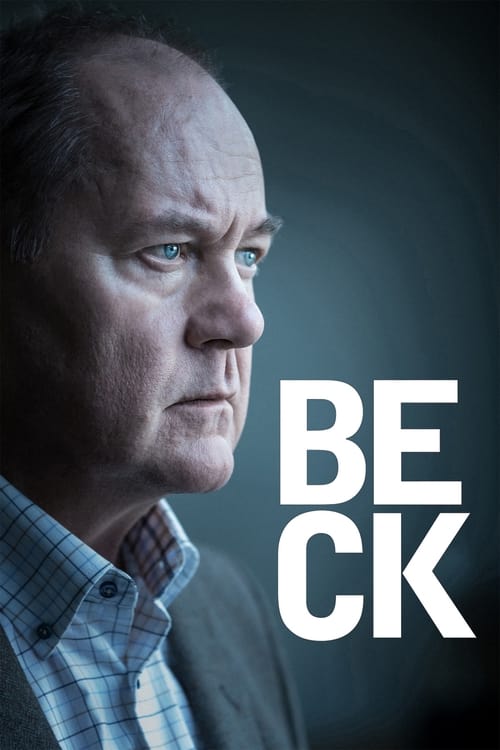
- 1997Beck arrives on Swedish television, establishing the low-key ensemble procedural that would define the region's crime TV.
- 2005Stieg Larsson's Millennium trilogy launches globally, making Scandinavian crime fiction a mainstream export phenomenon.
- 2007Jo Nesbo's The Snowman raises the psychopathic-killer thread to international bestseller status, influencing a generation of Nordic TV writers. The Snowman
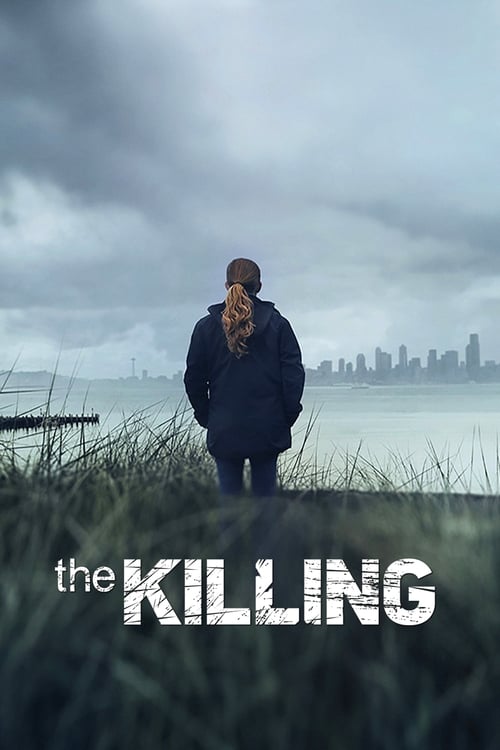
- 2011The Killing (Forbrydelsen) wins international audiences; the same year Darkness: Those Who Kill premieres, pushing the profiler-detective pairing to the foreground. The Killing
- 2011Darkness: Those Who Kill premieres on TV2 Denmark, with Louise Bergstein and Jan Michelsen as its central partnership. Darkness: Those Who Kill
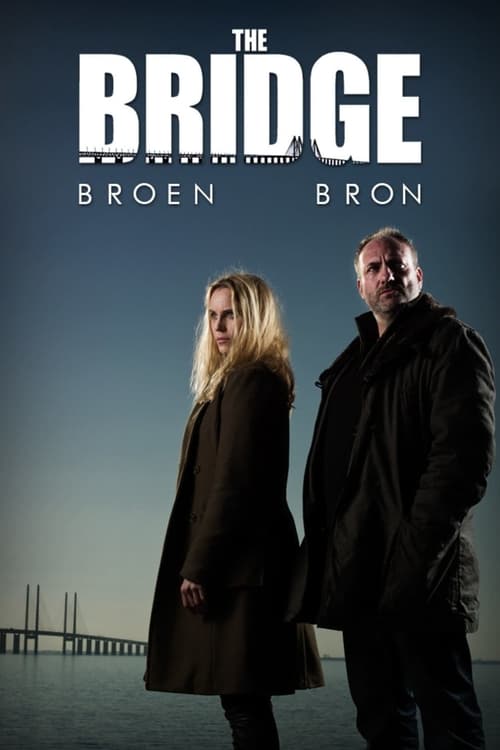
- 2013The Bridge (Broen) deepens the tradition with its cross-border structure and a detective with social-processing difficulties at its heart. The Bridge
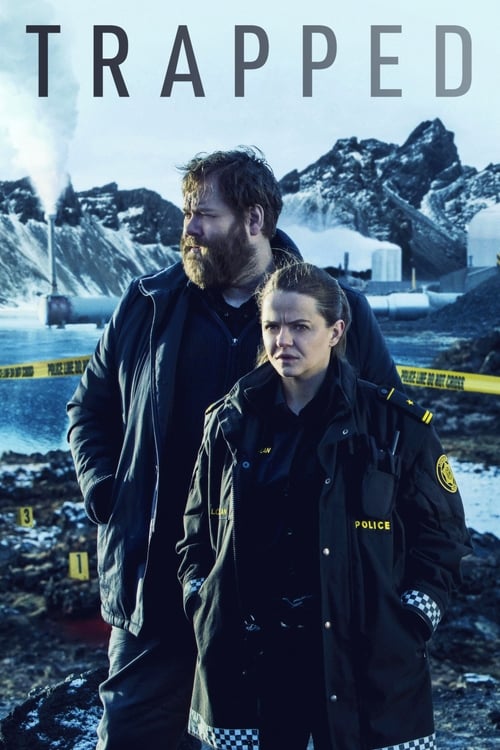
- 2018Trapped and Wisting extend the geography of Nordic noir northward to Iceland and Norway, proving the sensibility travels. Trapped
The Partnership Is the Whole Point
Darkness: Those Who Kill works because Louise and Jan are not a mismatched-buddy comedy and not a will-they-won't-they distraction. They are two different kinds of expert, and the show is disciplined enough to let both disciplines matter. Louise's psychology explains motivation; Jan's policing explains geography and evidence. When series put one lead in permanent intellectual superiority (see: most American procedurals), they lose half the tension. The partnership model, used here and in The Bridge and The Killing, is the structural secret of the best Nordic crime TV.
Procedural Patience Is a Feature, Not a Deficit
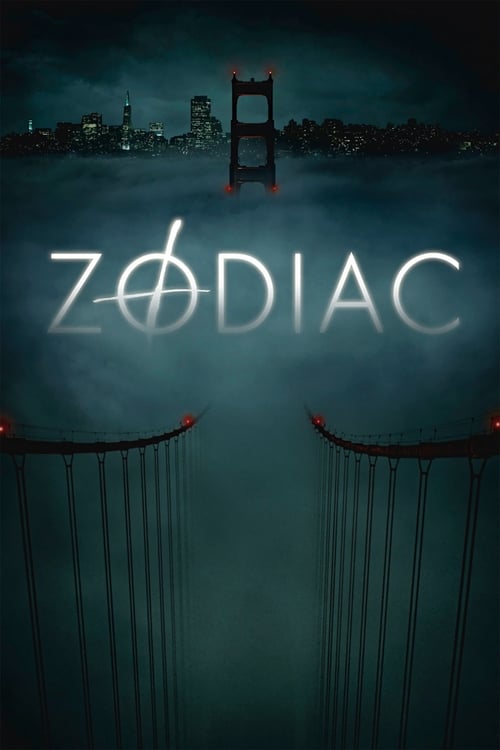
The complaint you sometimes hear about Nordic crime is that it is slow. That criticism misunderstands what the pacing is doing. The deliberate accumulation of forensic detail, witness interviews, and bureaucratic friction is the point: it builds a model of how actual investigative work operates, and it makes the moments of real revelation hit much harder. Zodiac, the closest Hollywood film to this sensibility, was also called slow. Both are better experienced as immersive documents than as thrillers.
The scariest killers in Nordic crime are not monsters. They are people who made a series of small, logical decisions that led somewhere no one could walk back from.CrossBinge Editors
Jo Nesbo's Harry Hole Is the Literary Ancestor
Long before Darkness: Those Who Kill put Louise Bergstein on screen, Jo Nesbo's Harry Hole novels were working the same psychological territory: a damaged investigator, a methodical serial killer, and a Norwegian procedural texture that refuses sensationalism. The Snowman and The Redbreast in particular trace the same line the show follows, and readers who have not found Nesbo yet will discover that the novels run deeper than any adaptation has managed so far.
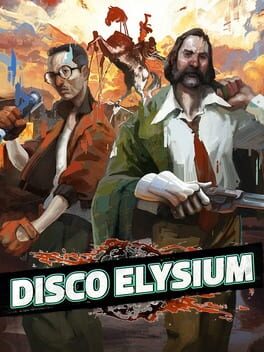
Disco Elysium Is the Game Equivalent of This Show
It sounds counterintuitive, but Disco Elysium is the closest a game has come to the psychological, morally complicated, institutionally exhausted detective fiction that Darkness: Those Who Kill represents. It is not a thriller about catching killers; it is about what investigating violence does to the people assigned to it. The political ruin of the game's setting maps loosely onto the social critique embedded in the best Nordic crime. Both treat the investigator as a figure under pressure from forces larger than any individual case.