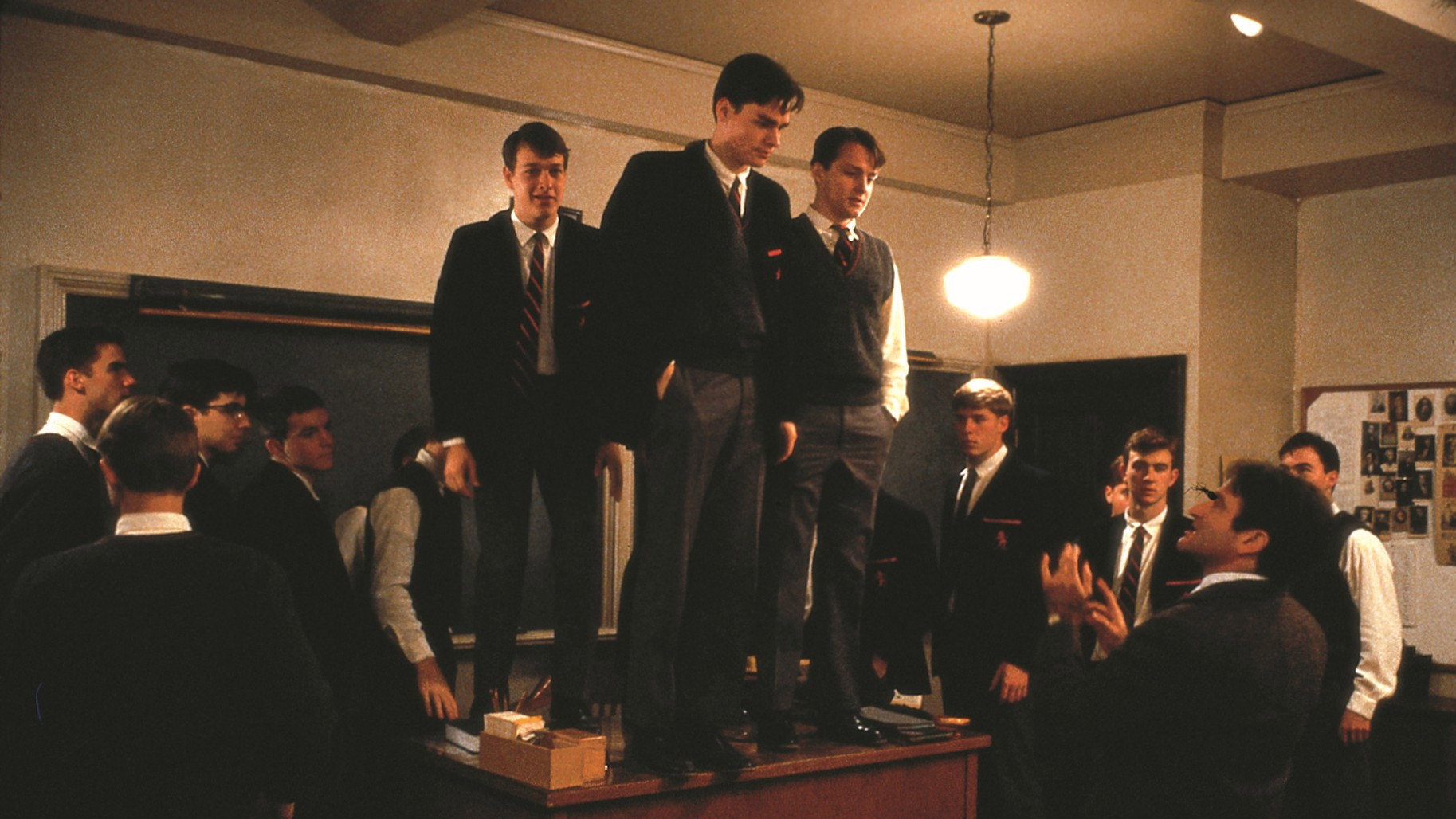

Peter Weir's 1989 film earns its devotion not through nostalgia but through a genuine argument: that poetry, theater, and art are not decorative extras but the whole point of being alive. What a Dead Poets Society fan chases is that specific electricity between a charismatic teacher and a group of students who suddenly realize the walls around them are optional. The film is also a tragedy. Mr. Keating's methods are real but the world that crushes them is realer, and that collision is what gives the catharsis its weight. The works below chase that same feeling: the breakthrough, the cost of breaking free, and the voices that refuse to be silenced.
Essential Dead Poets Society
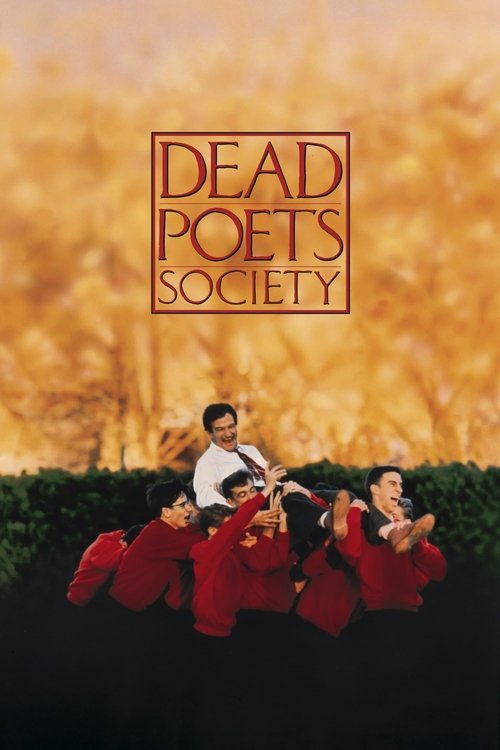
The film itself and Peter Weir's closest kin


The Mentor Who Changes Everything
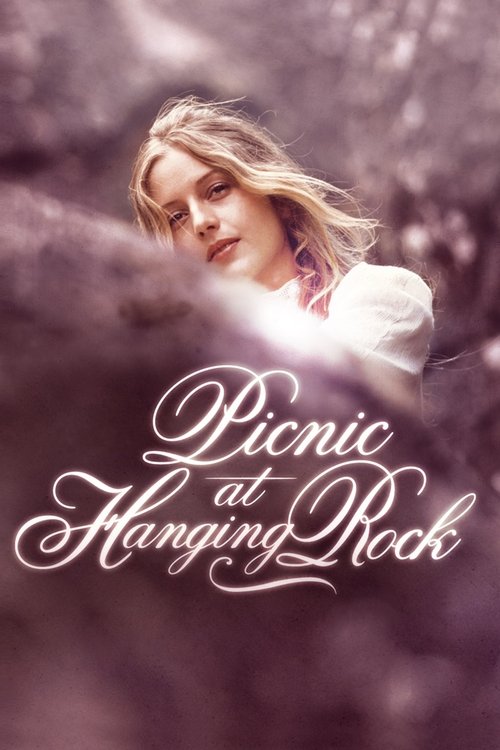
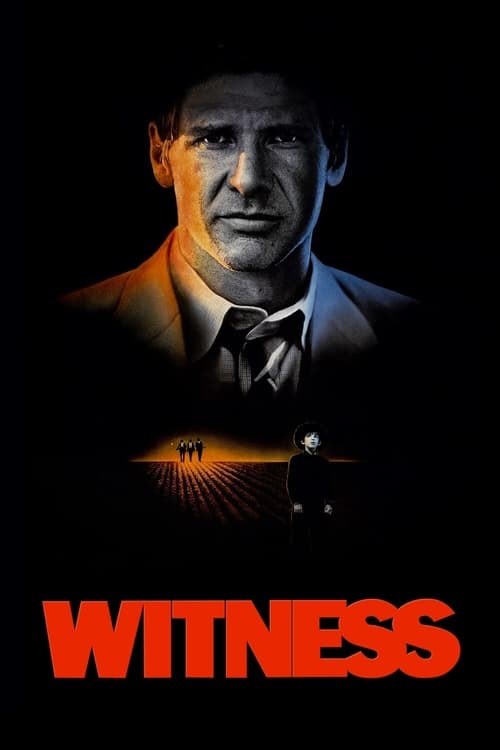
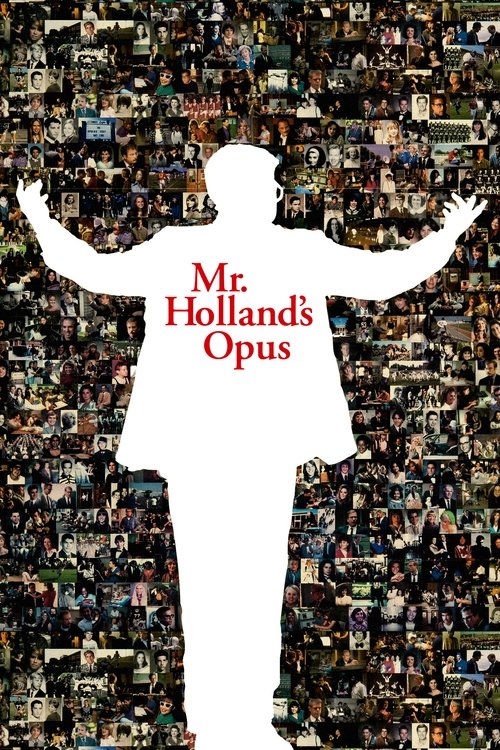
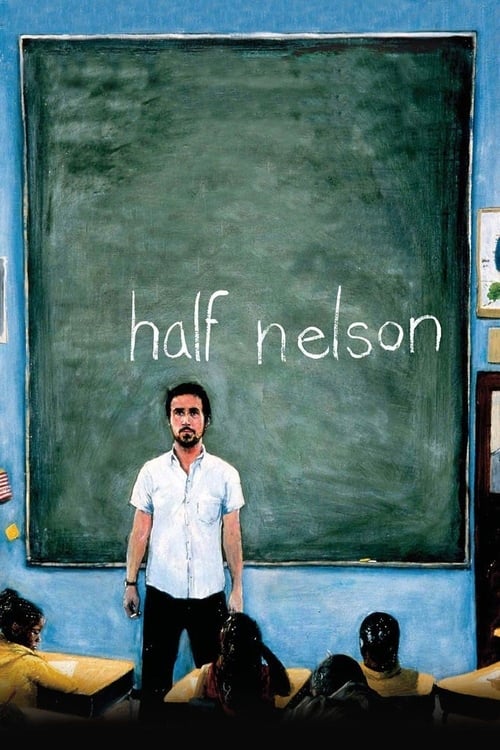
Films built on the transformative teacher or guide



Boys Under Pressure: Series That Understand the Cost
TV that maps the inner life of young people trapped in systems



The Books That Built This Feeling
Novels about the self that insists on existing




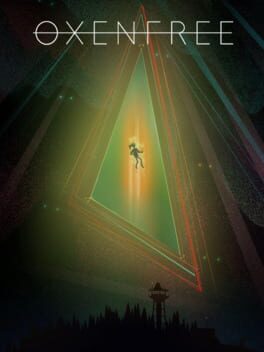
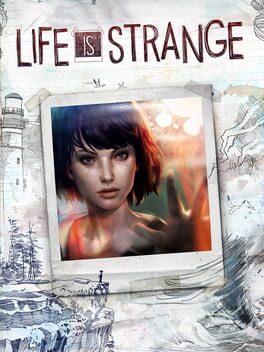
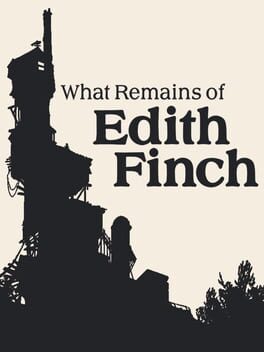
Games About Voice, Choice, and Breaking Out
Games where individuality and expression are the stakes


Standalone Films With the Same Charge
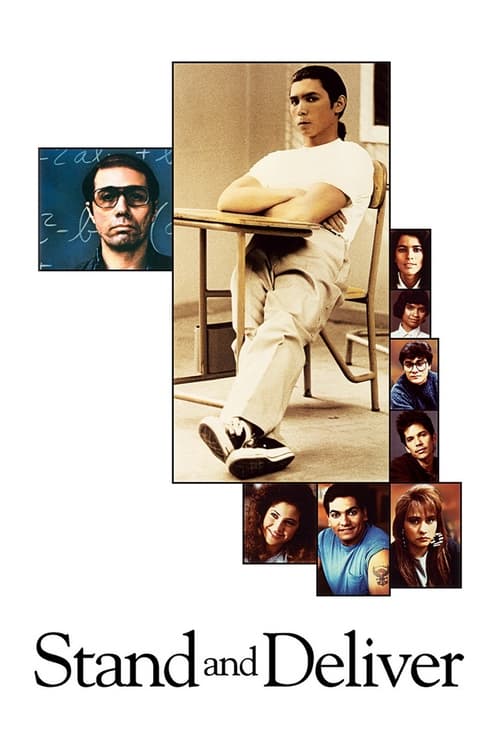
One film, one argument, no sequel needed
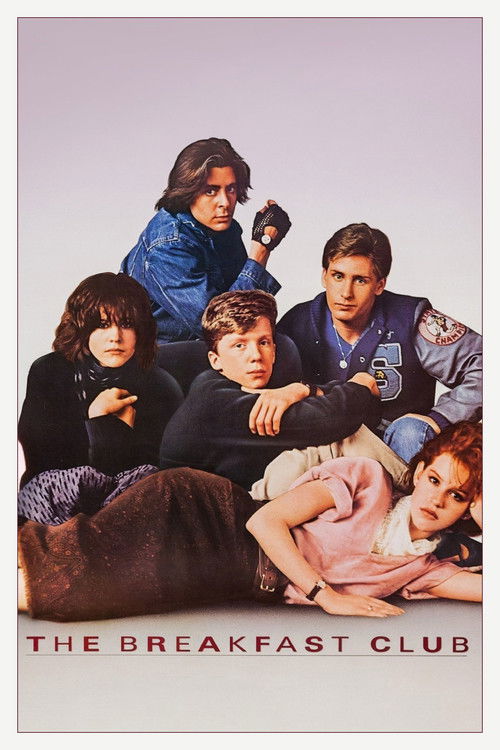
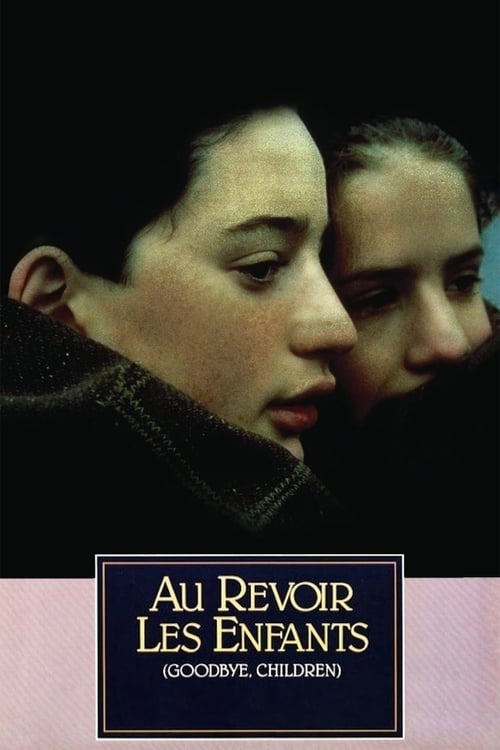
The Film Is a Tragedy About Adults, Not a Fantasy About Youth
Audiences remember Dead Poets Society as an inspirational film about students. It is actually a film about what institutions do to people who threaten them. Keating is dismissed, not redeemed. The most devastating choice Weir makes is letting the school win. That honesty is why the film endures: it tells you that beauty and courage are worth having even when the world penalizes you for them.
Robin Williams Gives the Performance of Withholding
Williams was famous for overflow: energy, voices, riffs. What makes his Keating work is restraint. He listens more than he talks. He lets the students come to him. The film trusts that the idea of seizing the day is more persuasive when modeled quietly than when shouted. It is the performance that most directly proves Williams could have had a second career as a purely dramatic actor.
The Secret History Gives You the Darker Version of the Same Society
Donna Tartt's debut novel, published two years after the film, is the photographic negative of Dead Poets Society. Same elite school setting, same tight circle of students bonded by a charismatic teacher who introduces them to something electric, same collision with the real world. Where Weir makes the institution the villain, Tartt makes the students capable of far worse. Both are essential.
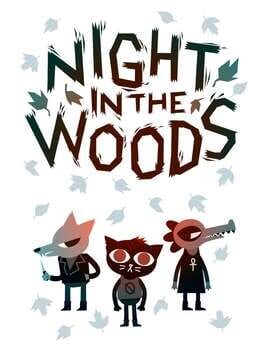
Night in the Woods Finds the Same Fear in a Different Form
Mae Borowski comes home from college having dropped out and finds her old life does not fit anymore. Night in the Woods is built around the same fear that runs through Dead Poets Society: the gap between who you feel you are and the life the world has prepared for you. It is slower and stranger than most games, and that is precisely the point.
A Line Through the Tradition
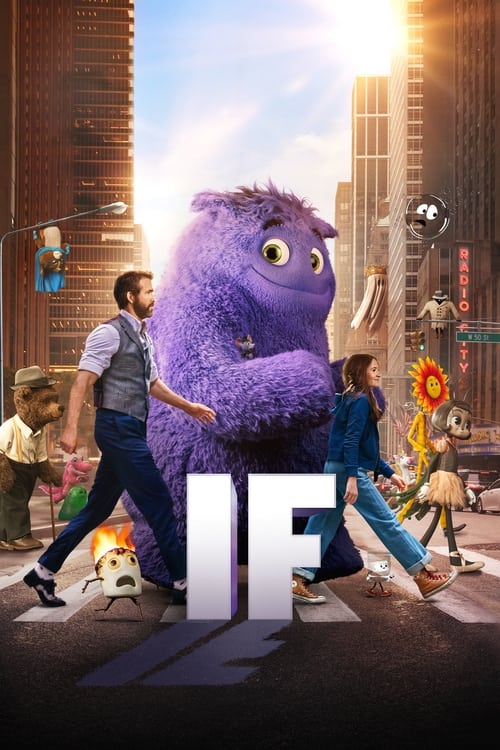
- 1967If.... imagines what happens when boys at a British boarding school push back harder than anyone expects IF
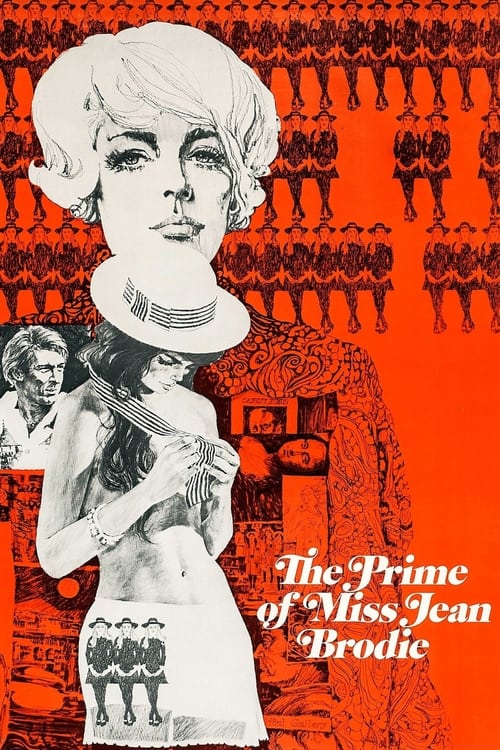
- 1969The Prime of Miss Jean Brodie gives the charismatic-teacher archetype a female lead and a moral interrogation to match The Prime of Miss Jean Brodie
- 1989Dead Poets Society arrives and sets the template a generation grows up with Dead Poets Society
- 1992The Secret History (Tartt) publishes the literary version: same setting, darker conclusion Secret History
- 2004The History Boys premieres on stage, then film: the same argument, with more irony and less sentimentality The History Boys
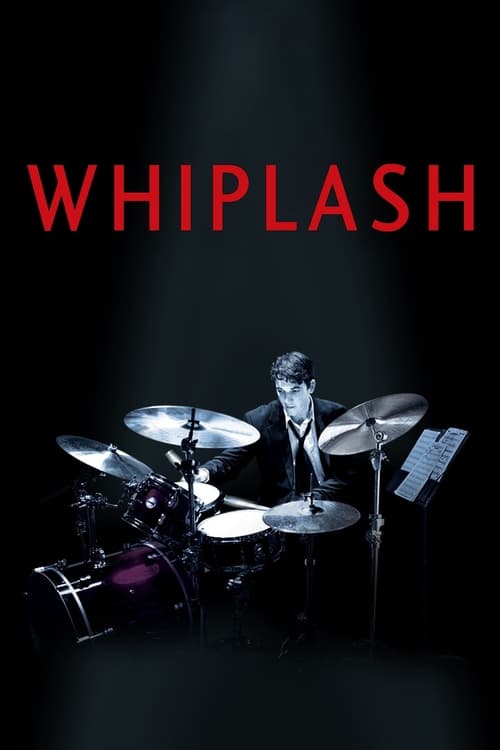
- 2013Whiplash inverts the formula entirely: the inspirational teacher becomes the antagonist Whiplash
- 2017Night in the Woods arrives as the game that captures post-adolescent drift better than almost any film has Night in the Woods
Inspiring teachers, coming of age, dark academia
For Fans of Good Will Hunting
Explore the For Fans of Good Will Hunting guide →We don't read and write poetry because it's cute. We read and write poetry because we are members of the human race, and the human race is filled with passion.John Keating, Dead Poets Society (1989)