
Death Magnetic (2008) is the album where Metallica stopped apologizing. After years of cleaned-up production and rock-radio concessions, they hired Rick Rubin, opened the throttle, and delivered nine songs of returning thrash urgency: fast tempos, extended song structures, winding guitar solos, and lyrics fixated on mortality, reckoning, and rebirth. The fan who returns to this record is chasing a specific feeling: controlled aggression with melodic intelligence, music that earns its heaviness through craft rather than blunt force. That feeling runs through a lineage of metal records, concert films built like monuments, fiction about obsession and survival, and films that treat volume as a moral position.
Essential Metallica
The albums that define the arc, from thrash primacy to the stadium-metal peak and the redemption of Death Magnetic
Heavy, Melodic, Relentless: Albums in the Same Tradition
Records that share Death Magnetic's appetite for long songs, guitar-forward arrangements, and unsparing production
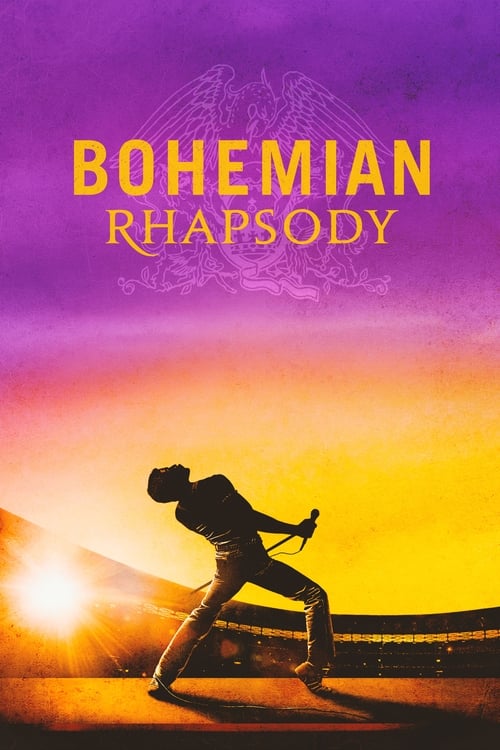
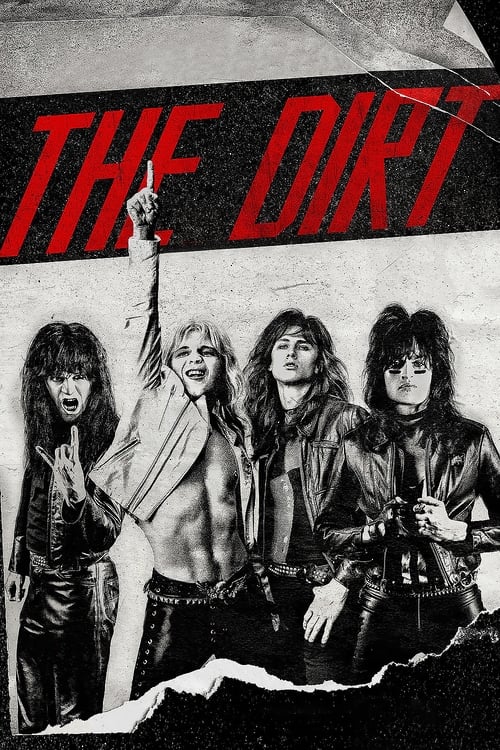
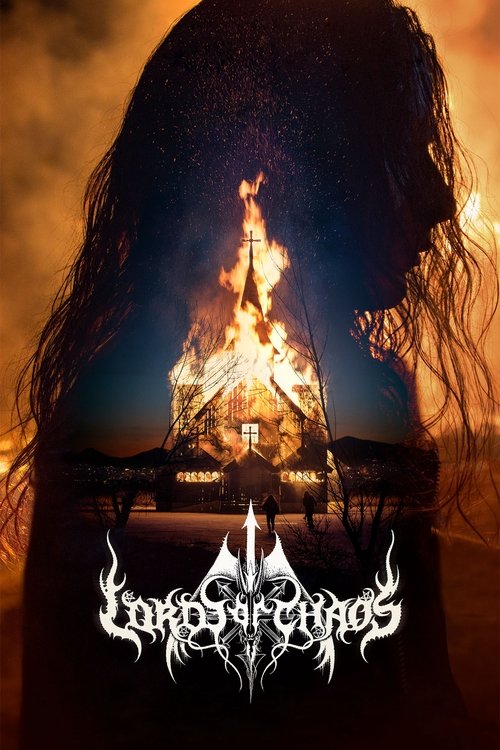
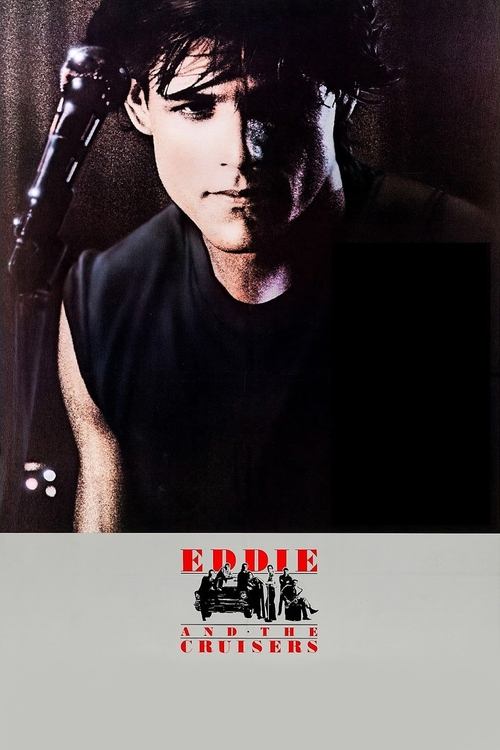
Rock and Metal Biopics Worth Your Time
Films about musicians who built careers on their own terms, sometimes at great personal cost

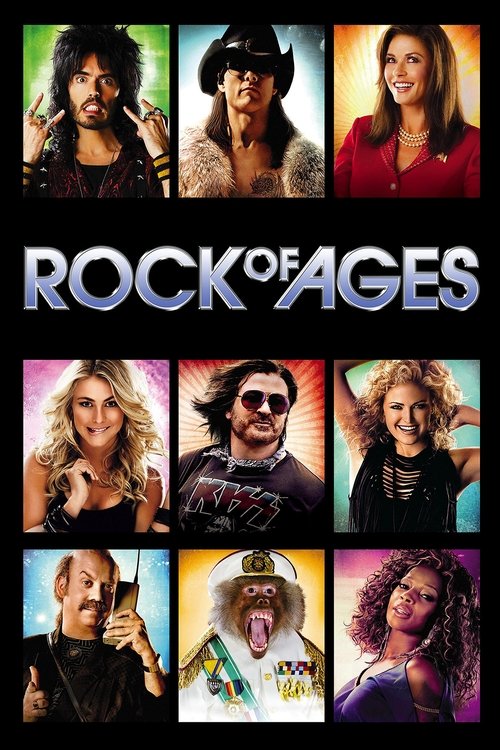

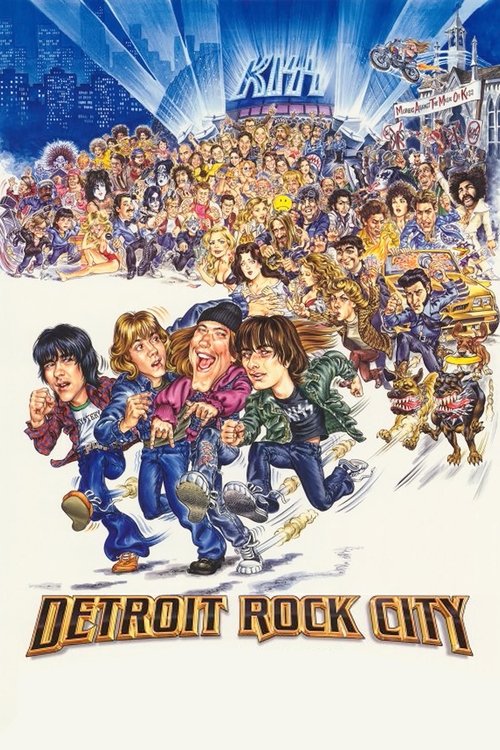
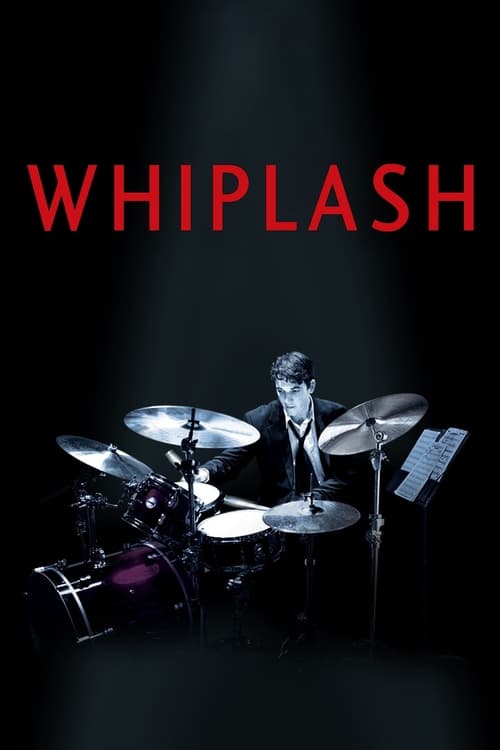
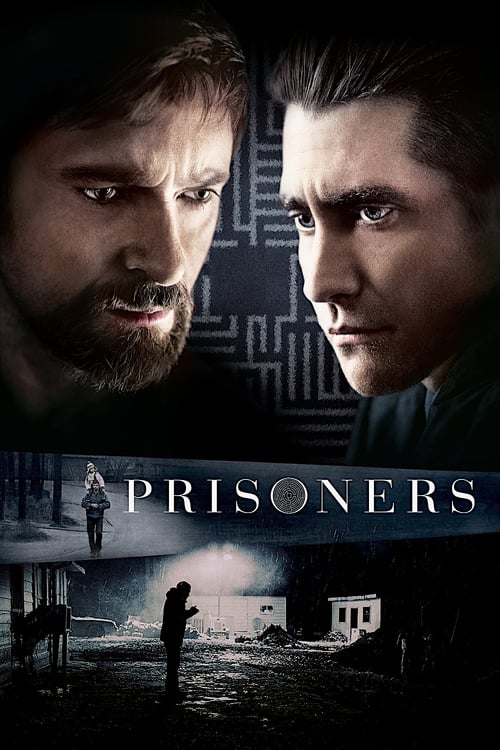
Films and Series with the Same Relentless Energy
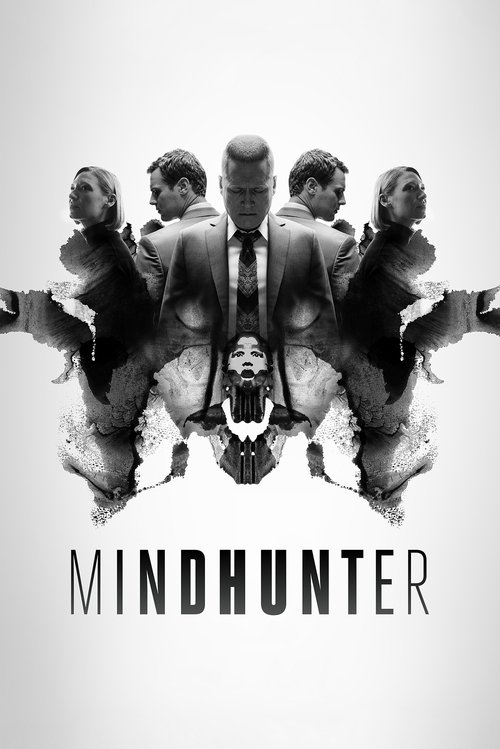
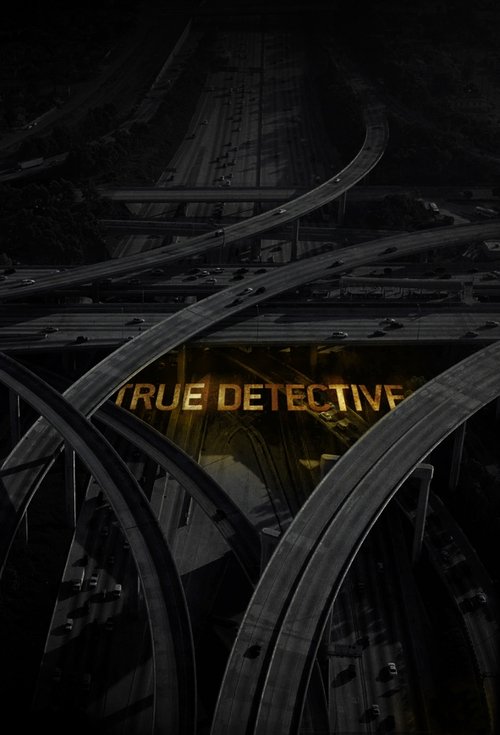
Stories driven by obsession, survival, and the refusal to back down, regardless of the cost

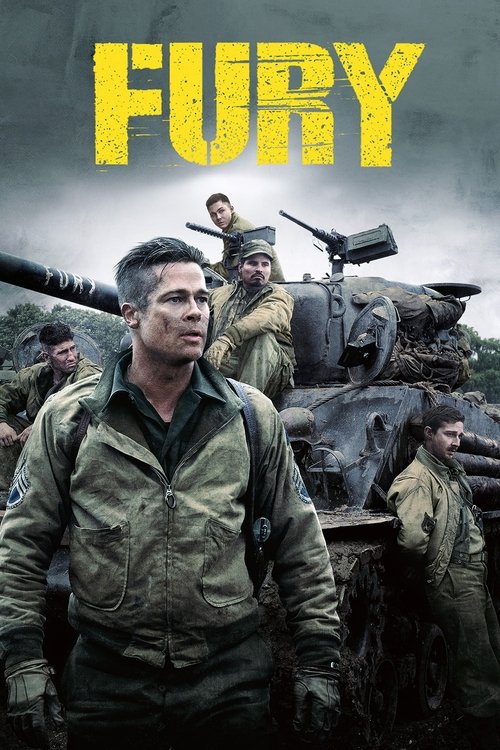
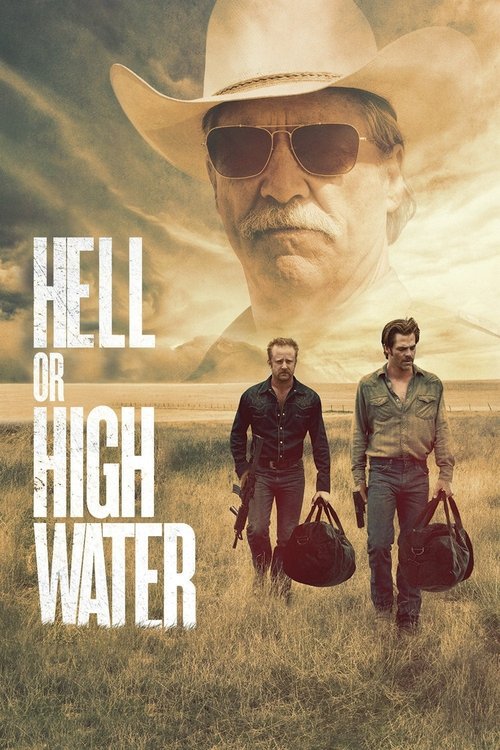
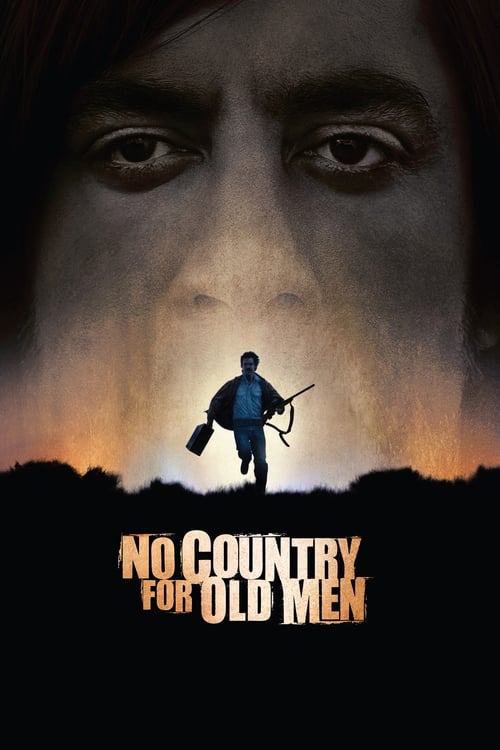

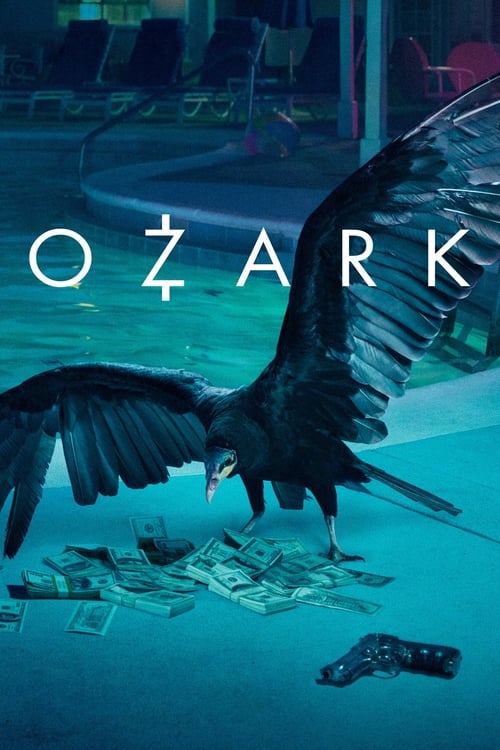

Novels About Obsession, Darkness, and the Will to Push Through
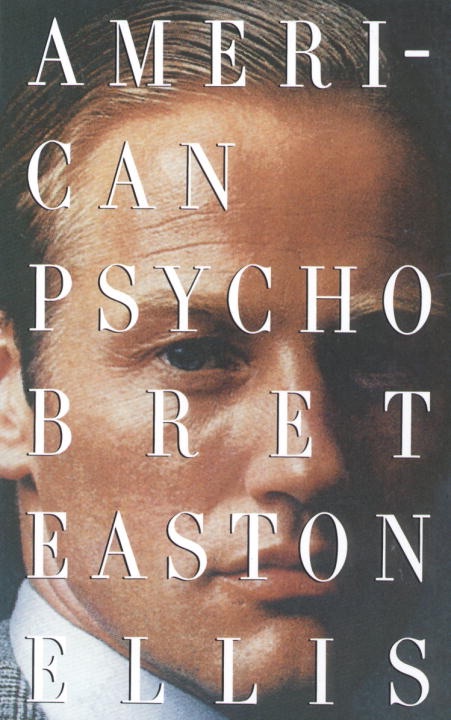
Fiction that shares Death Magnetic's preoccupation with mortality, inner conflict, and the price of ambition




Rick Rubin Did Not Rescue Metallica. The Band Rescued Themselves.
The narrative after Death Magnetic was that Rick Rubin rode in and fixed things. That is a producer credit doing too much work. Rubin's role was largely permission-giving: he encouraged longer songs, more solos, faster tempos. But the actual writing, the riff decisions, the ten-minute structures, the return to the minor-key melodic seriousness of ...And Justice for All, that came from the band choosing to trust their instincts again. Rubin enabled; Metallica decided. The credit belongs to the room.
Some Kind of Monster Is One of the Best Rock Documentaries Ever Made, and Also a Comedy
Joe Berlinger and Bruce Sinofsky filmed Metallica during the St. Anger sessions and captured something no band would willingly allow: genuine dysfunction. Lars Ulrich arguing about his own drumming. Kirk Hammett absent for months. James Hetfield in rehabilitation. A therapist sitting in on pre-production. The film is honest to the point of cruelty, and somehow the result is both deeply unflattering and proof that the band deserved to survive. It works as music documentary, group-therapy satire, and portrait of middle-aged men trying to keep something alive that probably should not still be alive.

The Long Metal Song Is a Distinct Artform and It Has Rules
Death Magnetic trades in songs of eight to ten minutes built on controlled escalation: a main riff, a bridge, a solo section that functions as a second development rather than a decoration, a return, a coda. This structure has lineage (Master of Puppets, Damage Inc., Seasons in the Abyss) and contemporaries (Tool, Mastodon, Opeth). The form demands patience from the listener and genuine compositional thinking from the band. When it works, as on The Day That Never Comes, the payoff is proportional to the length. When it fails, you are left with eight minutes of the same idea repeated. Death Magnetic is mostly the former.
Metallica and the Shape of Heavy Metal, 1981 to 2016
- 1981Metallica forms in Los Angeles after James Hetfield answers an ad by Lars Ulrich
- 1983Debut album released, defining thrash metal's early sound
- 1984Ride the Lightning adds melodic ambition to the thrash template Ride the Lightning
- 1986Master of Puppets reaches a mainstream audience; bassist Cliff Burton dies in a tour bus accident Master of Puppets
- 1988The band's most progressive and sonically austere record
- 1991The Black Album sells over 30 million copies and redefines what heavy music can reach commercially Metallica
- 1996Load marks a deliberate turn toward blues-influenced rock Load
- 2004Cameras follow the fractured band through therapy sessions and the making of a difficult album Metallica: Some Kind of Monster
- 2008Death Magnetic: the return to heavy, produced by Rick Rubin Death Magnetic
- 2016Hardwired... to Self-Destruct continues the heavier direction with shorter, more direct songs
The thing about Metallica is that they are always in the process of either failing interestingly or succeeding in ways nobody expected. Death Magnetic is both at once.CrossBinge editorial