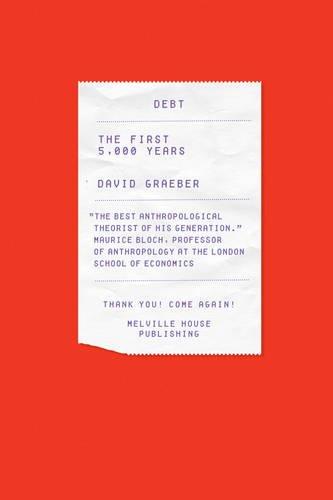

David Graeber's Debt: The First 5,000 Years (2011) does something that almost no popular history book manages: it makes you feel the ground shift under your feet. By the time you finish it, the idea that money came before debt, that markets are natural, or that paying back what you owe is a simple moral matter, has been dismantled so thoroughly you can't reassemble it. Graeber, an anthropologist and anarchist, spent years in Madagascar and decades in libraries, and the result is a 5,000-year argument that debt is not a neutral financial instrument but a relationship of power, one that has underwritten slavery, empire, and organized religion with equal ease. The through-line fans chase is the feeling of a hidden architecture suddenly made visible: systems presented as natural revealed as chosen, moral language exposed as the alibi of the powerful. If that charge of clarifying revelation is what hooked you, these works across every medium carry the same current.
The Hidden Architecture on Screen
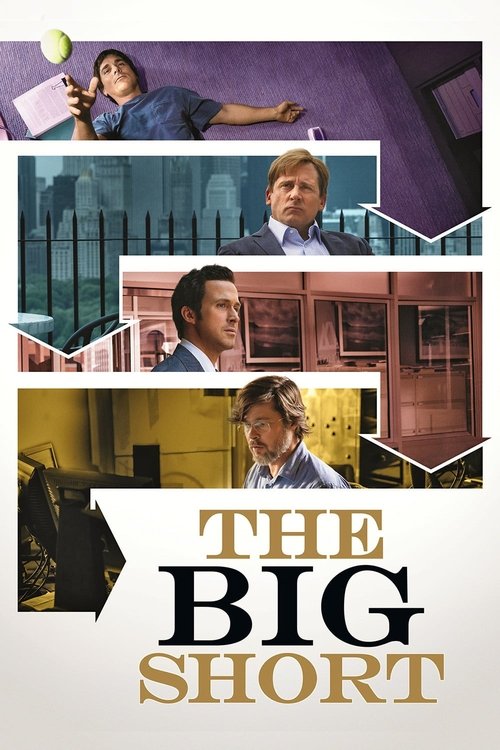
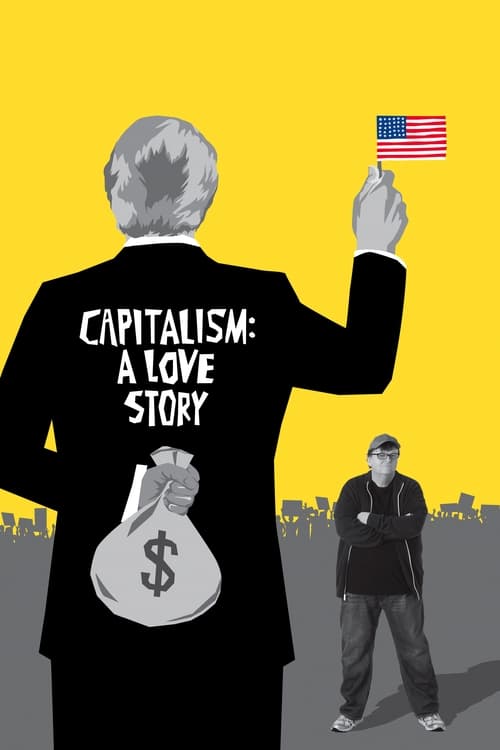
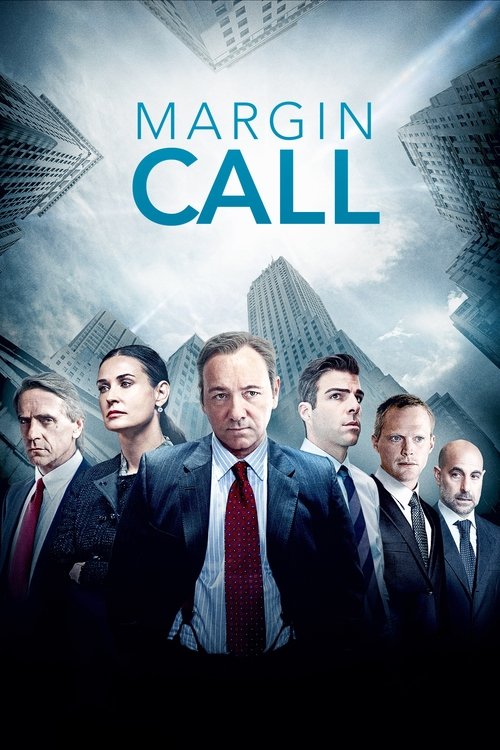
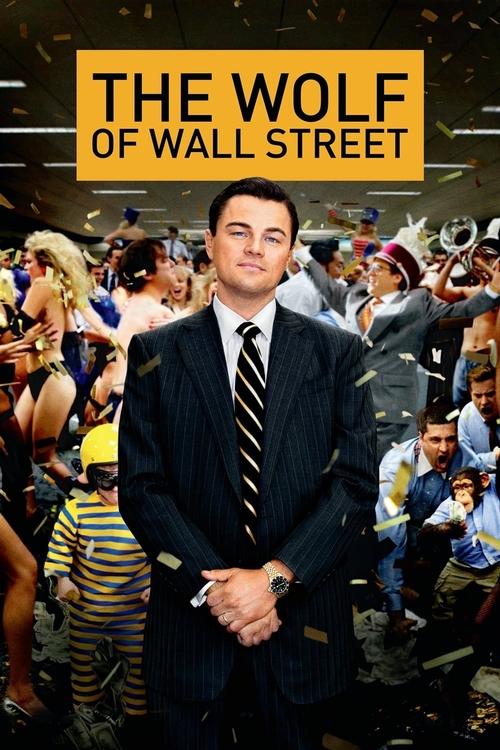
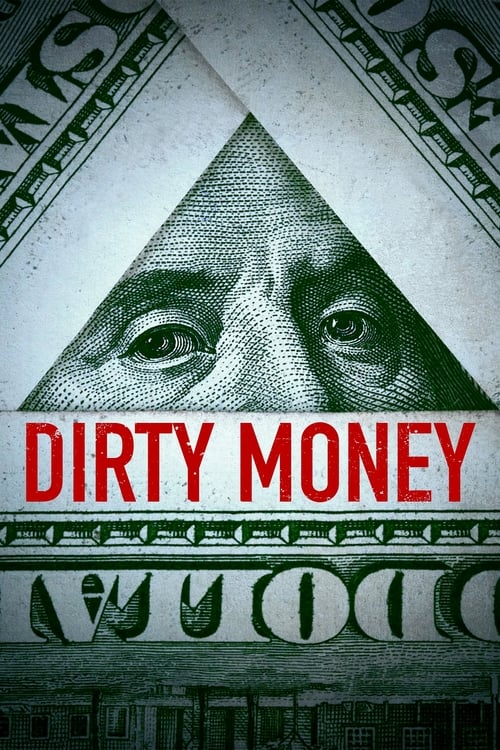
Documentaries and films that expose how financial and political systems actually function

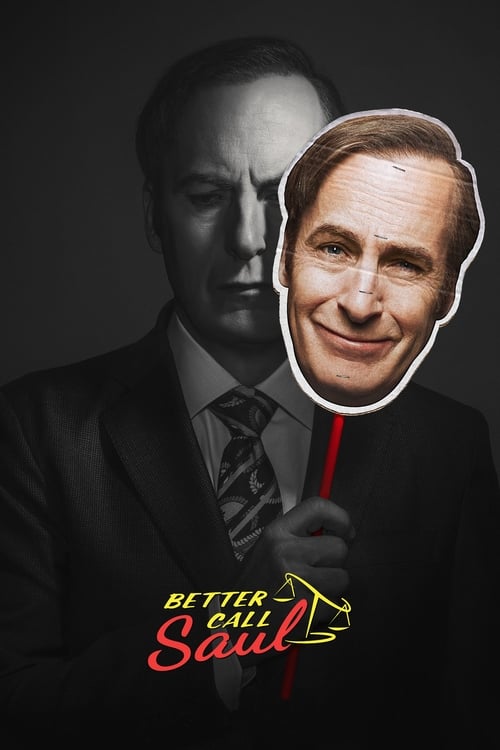
Power, Money, and Obligation on Television
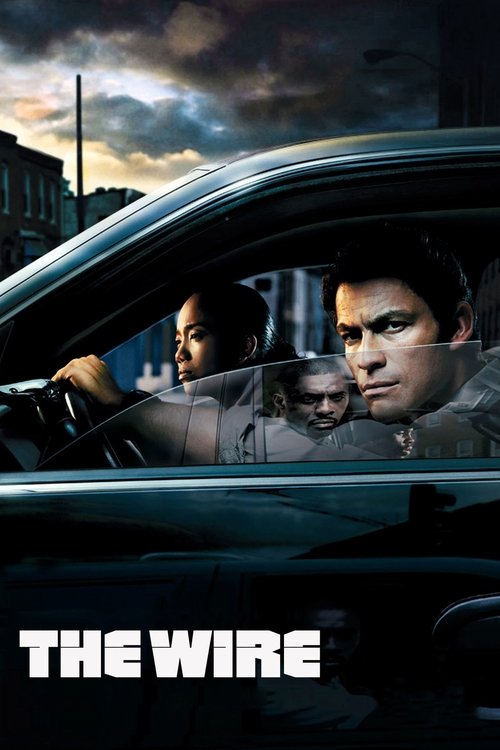
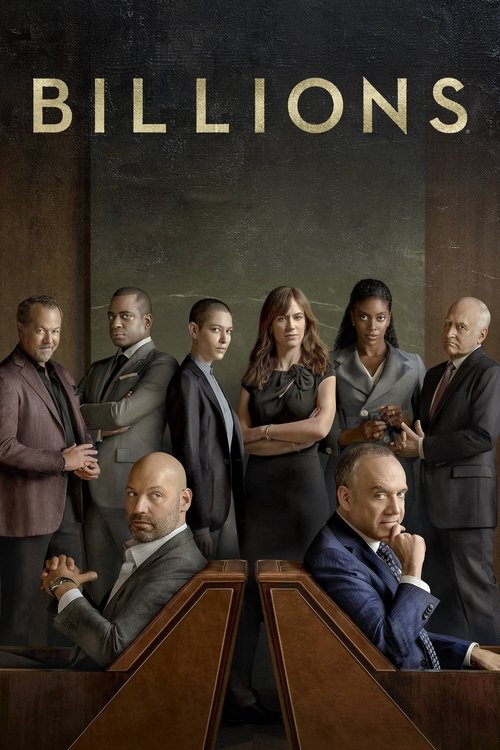
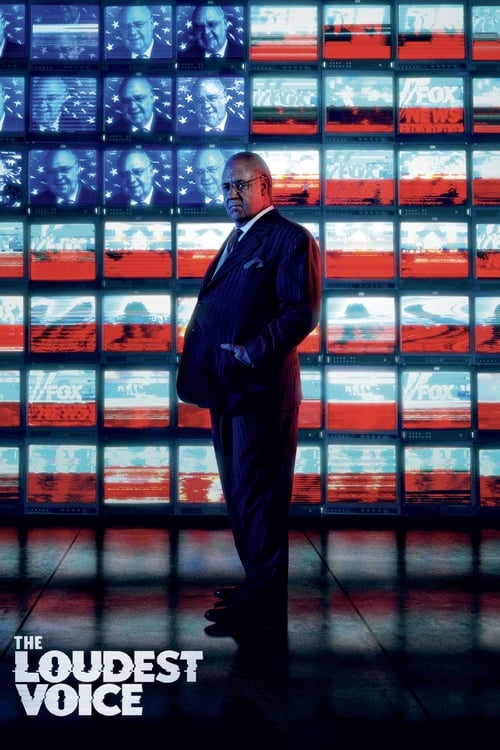
Series that dramatize debt, hierarchy, and the moral weight of obligation at every scale


Games Where Systems Are the Point
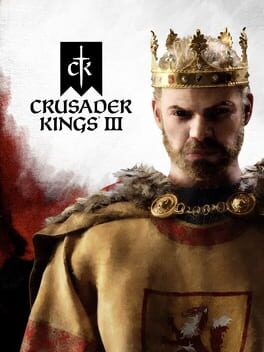
Games that put economic logic, debt, and resource hierarchy at the center of their mechanics






The moral framing of debt is a political choice, not a natural law
Graeber's most destabilizing move is the simplest one: he points out that 'you ought to pay your debts' sounds like a universal moral principle but has always been deployed selectively. Creditors invoke it; states cancel or restructure debt whenever it suits them. The book does not argue that debt is bad. It argues that debt-as-morality is ideology. Once you see that framing, almost every financial crisis story reads differently.
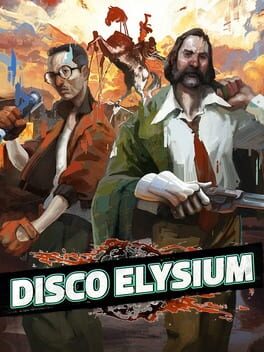
Disco Elysium is the best novel Graeber never wrote
The game drops a failed detective into a post-revolutionary port city rotting under the weight of old debt, occupation, and abandoned ideology. Its skill system is essentially a dramatization of competing theoretical frameworks, and its central mystery is less 'whodunit' than 'what is the nature of history and who gets to inherit it.' Graeber would have loved it. The game even quotes anarchist theory without winking.
The Dawn of Everything is the book Debt was pointing toward
Co-written with archaeologist David Wengrow and published posthumously in 2021, The Dawn of Everything takes the same defamiliarizing energy as Debt and turns it on the entire story of human prehistory. The argument: that early human societies were far more experimentally diverse in their political arrangements than any linear 'from savagery to civilization' narrative allows. Read it as the second half of Graeber's life project.

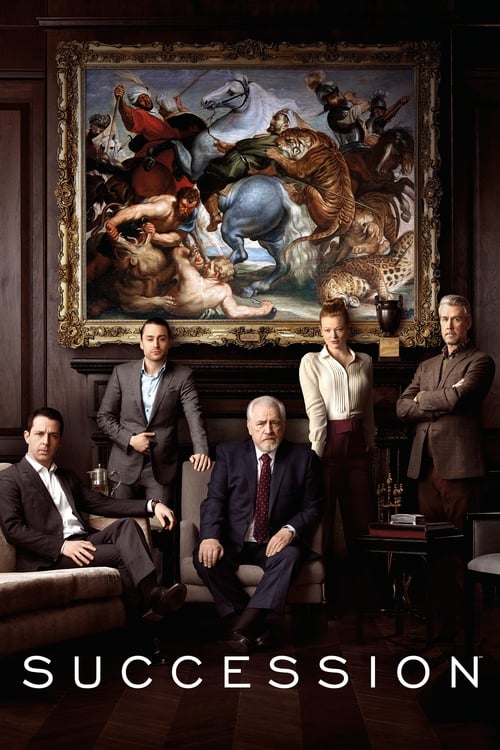
Succession dramatizes the violence inside every inheritance
Graeber spends considerable time on debt as a multigenerational trap, the way obligation reproduces hierarchy across time. Succession stages exactly that: a family bound together by obligation, money, and the question of who owes what to whom. The Roy children are not simply greedy. They are trapped in a debt they can never fully repay and can never fully name.
Five Thousand Years in Fourteen Dates
- -3000Earliest written records from Sumerian temples are credit ledgers, not receipts for barter. The myth of barter-first economies begins to crack.
- -800The Axial Age: coinage, philosophy, and standing armies appear simultaneously across Eurasia. Graeber argues they are the same thing.
- -400Classical debt-slavery is widespread across Greece. Citizens sold into bondage for unpaid debts; Solon's reforms attempt to limit the practice.
- 800Medieval Islamic scholars develop sophisticated credit instruments (hawala, suftaja) across trade networks stretching from Spain to China.
- 1450The Spanish conquest of the Americas transforms bullion flows and triggers centuries of European inflation, reshaping what money means.
- 1694The Bank of England is founded, institutionalizing the idea that a national debt can be perpetual, a permanent claim on the future.
- 1971Nixon ends dollar-gold convertibility. The global financial system shifts to fiat currency backed by US military power, the endpoint of Graeber's long argument.
- 2008The financial crisis. Trillions of dollars in bank debt are forgiven or absorbed by the state; millions of homeowners are told their debts must be honored. Inside Job
- 2011Debt: The First 5,000 Years is published. The Occupy Wall Street movement begins the same year. Graeber is among its organizers.
- 2021The Dawn of Everything is published weeks after Graeber's death. It becomes an international bestseller.
The story of debt is the story of power, and the story of morality is often just the story of who won.David Graeber, Debt: The First 5,000 Years (paraphrase)