
Released in 1993, Björk's Debut arrived as a declaration: that a voice raised on Icelandic punk and experimental theatre could dissolve into house music, jazz brushwork, and orchestral pop without losing an ounce of strangeness. Produced with Nellee Hooper and featuring arrangements by Talvin Singh and later Anne Dudley, the album was simultaneously a debut-proper for mainstream audiences and a radical artistic repositioning from the singer who had fronted The Sugarcubes. What fans chase is that very specific charge: warmth and alienness in the same breath, electronic production that still feels handmade, and a vocal instrument that communicates states of being pop rarely attempts. The through-line across everything on this list is that particular emotional candour, the sense of a solitary interior world made suddenly, shockingly public.
Essential Björk
The full arc from ecstatic debut to glacial avant-garde
Music That Shares the Frequency
Albums built on the same uneasy intimacy between electronic and organic sound
The Album That Made Emotional Extremism Mainstream
Before Debut, pop sincerity had an upper limit. You could be vulnerable, but not peculiar. Björk dissolved that ceiling. Tracks like 'Human Behaviour' and 'Venus as a Boy' presented emotional states so specific they felt almost private, yet they charted. That is the achievement: the album did not soften its strangeness to reach an audience; it trained the audience to meet it. Every artist who has since made emotionally unguarded music with electronic textures owes something to what this record proved possible in 1993.
Films with the Same Interior Light
Cinema that privileges feeling and strangeness over plot momentum
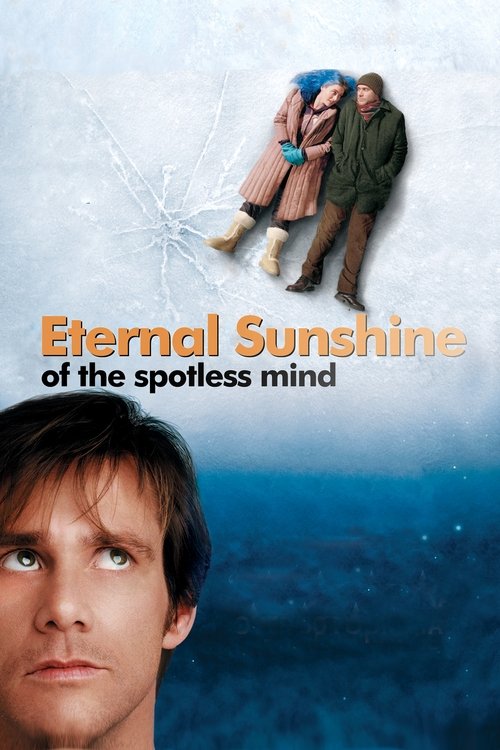

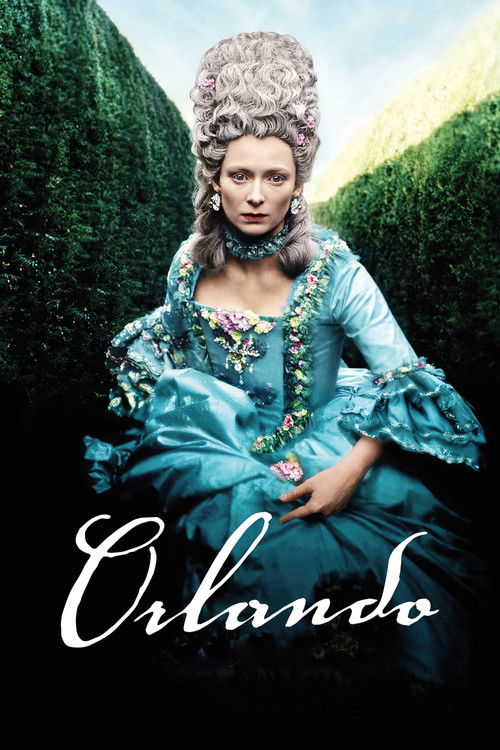
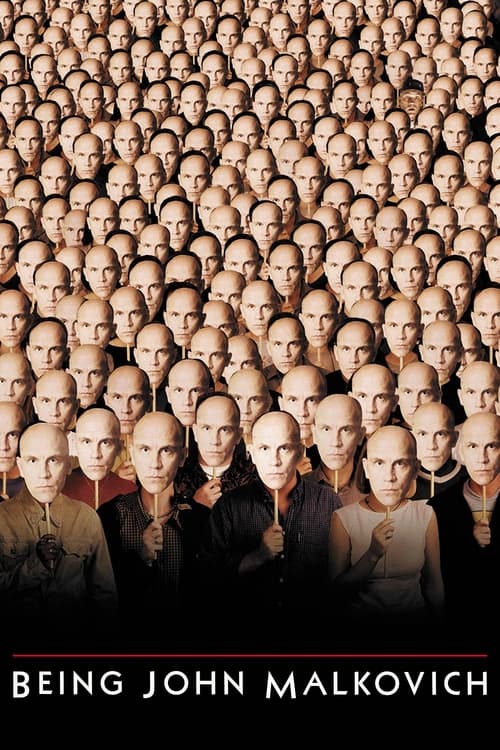
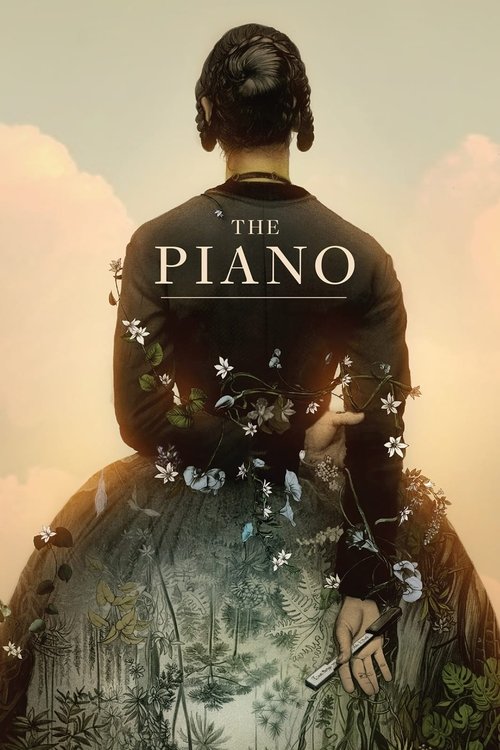
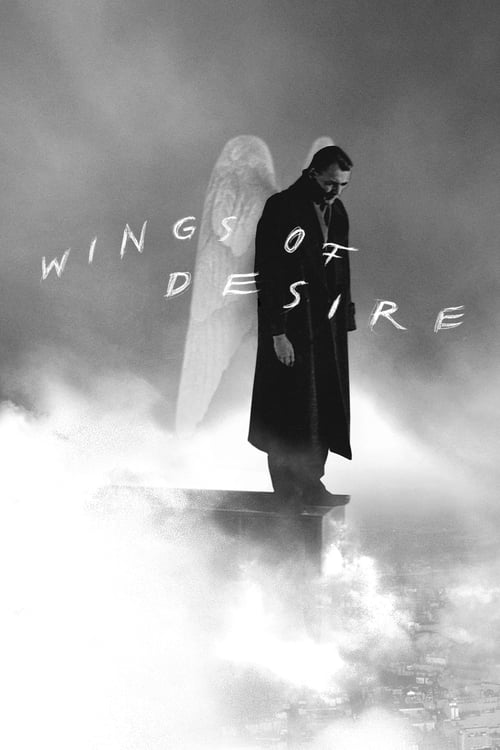
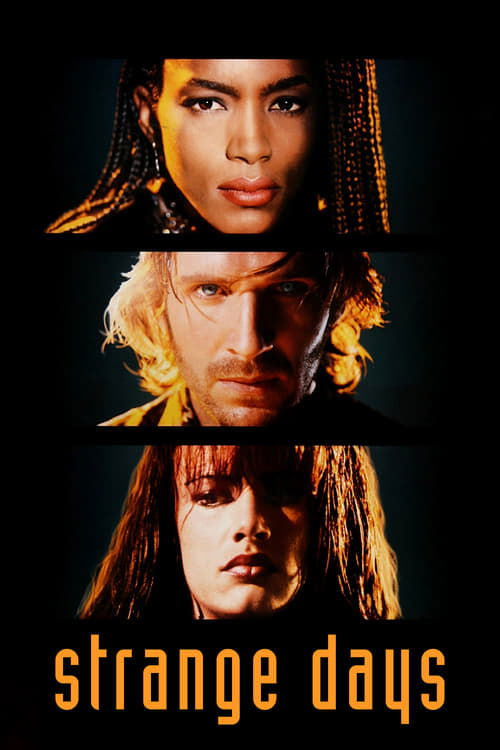
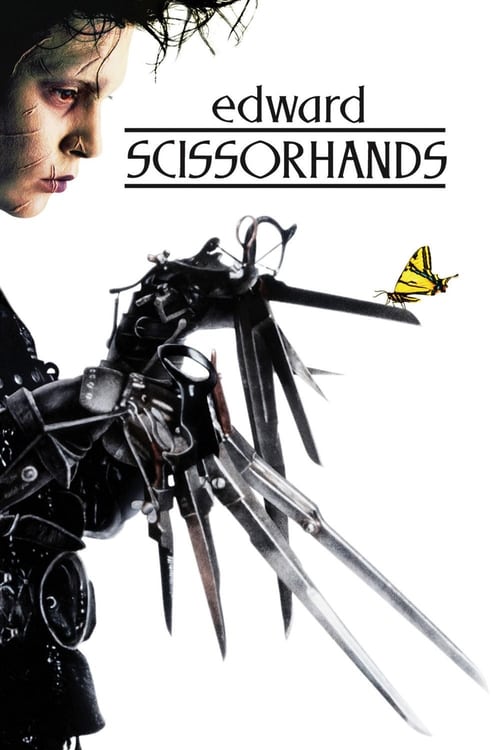
She sounds like someone who has just discovered that human feelings are enormous and is reporting back from the frontier.Critic's description of Debut, 1993
Series for When You Need That Same Charged Solitude
TV that moves at the pace of interiority
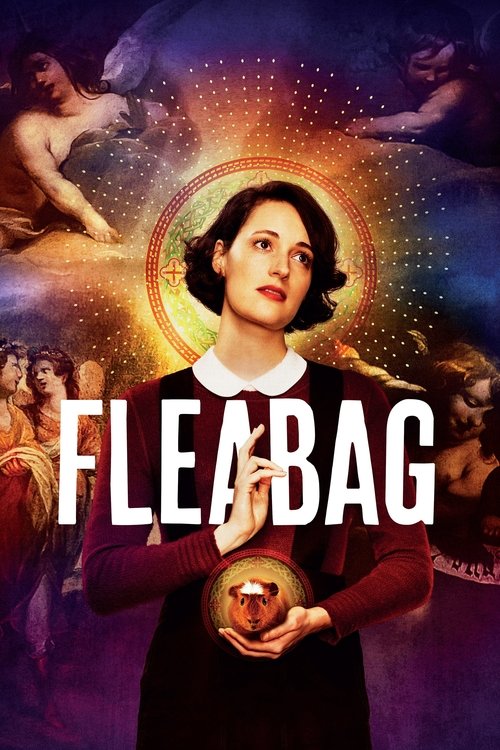
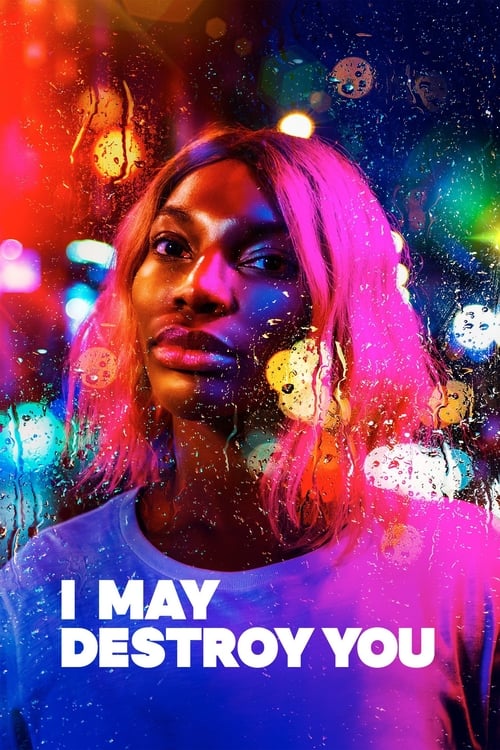
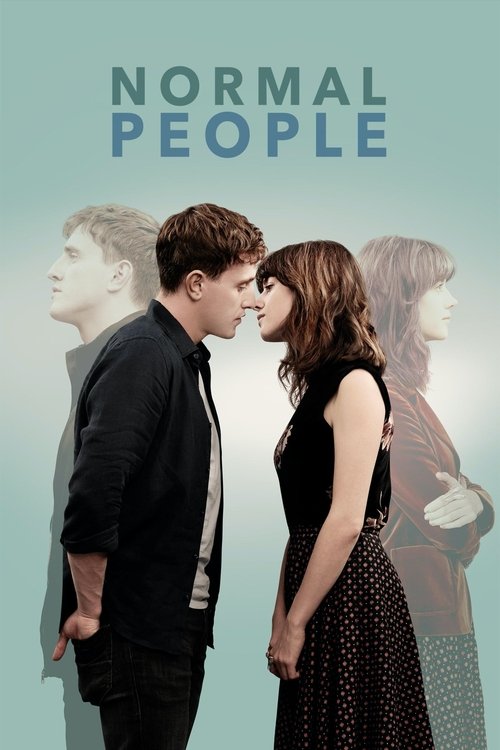
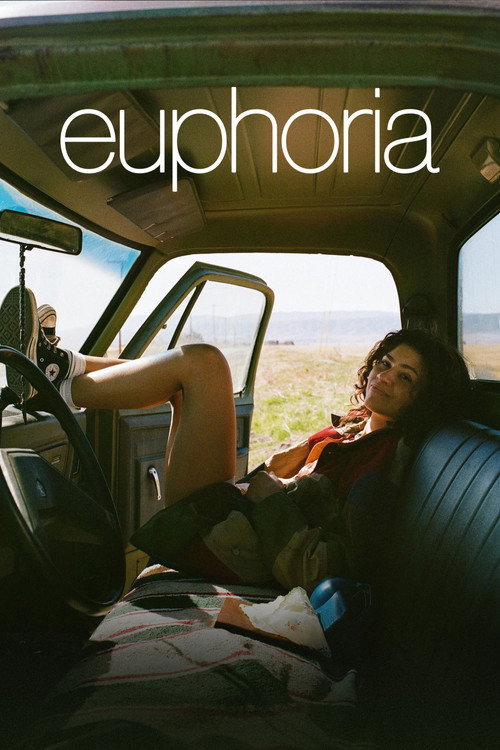
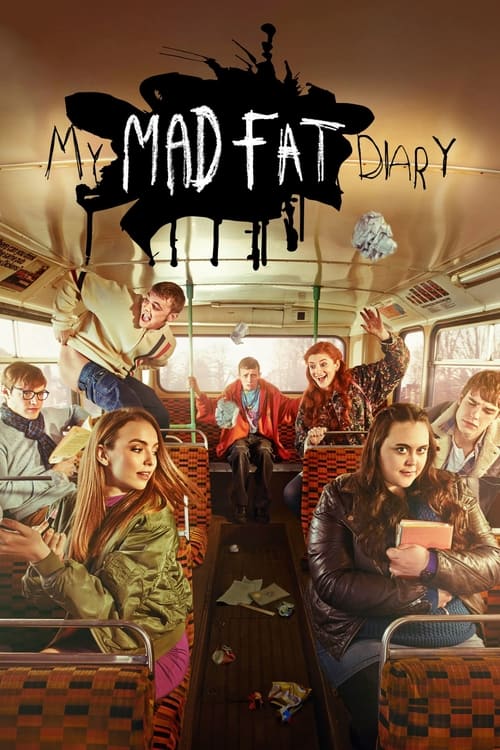
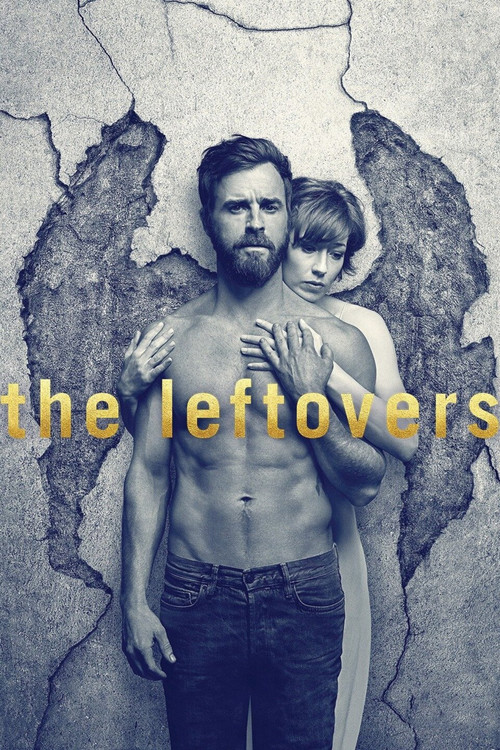
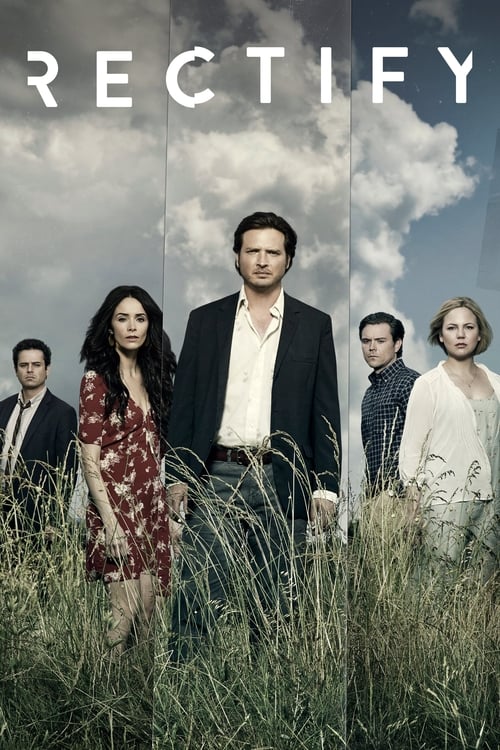
Books for the Same Emotional Register
Novels and memoirs that treat feeling as the primary material

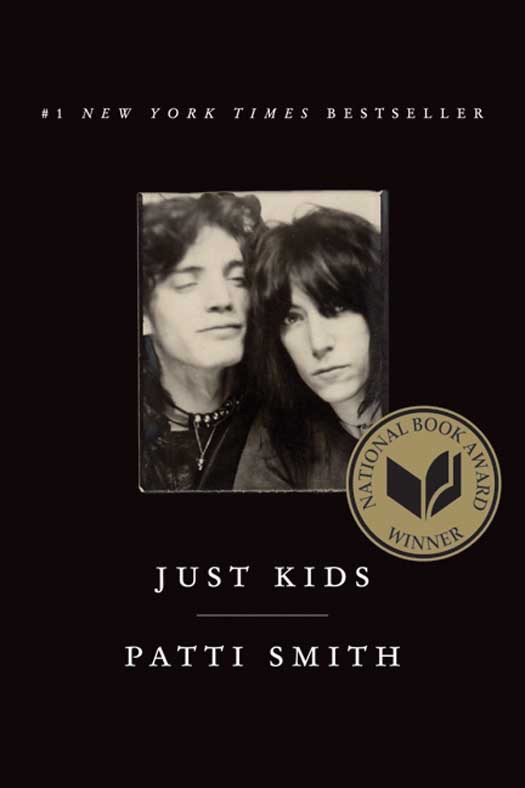


Nellee Hooper Deserves More of the Credit
The received story of Debut is Björk's vision realised, and that is largely true. But Nellee Hooper's production, arriving hot off his work with Soul II Soul and Massive Attack, gave the album its body: those stuttering rhythms, the warm compression, the sense that electronic beats were breathing rather than ticking. Without Hooper's ear for groove, the more orchestral arrangements could have floated free of any emotional anchor. The collaboration is the record, not just the voice.
Björk: A Career in Moments
- 1977Björk releases a self-titled album in Iceland at age eleven, covering pop standards. A local sensation, largely unreleased internationally.
- 1986The Sugarcubes form in Reykjavík, fusing post-punk with surrealist Icelandic poetry.
- 1993Björk moves to London and releases Debut, breaking internationally on the strength of 'Human Behaviour' and 'Venus as a Boy'. Debut
- 1995Post expands the palette into jungle, trip-hop, and big-band arrangements. Post
- 1997Homogenic marks a turn toward string quartets processed through electronics, recorded in Spain after a period of personal turmoil. Homogenic
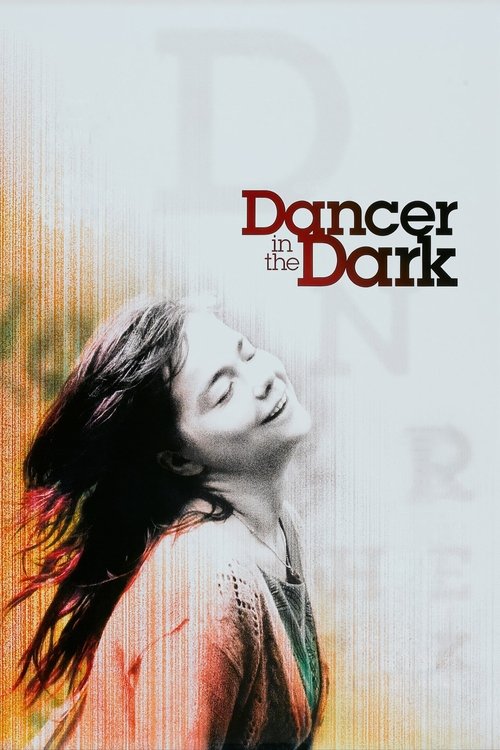
- 2000Dancer in the Dark, directed by Lars von Trier, earns Björk the Best Actress prize at Cannes. Dancer in the Dark
- 2001Vespertine retreats to glacial textures and micro-beats, the quietest and most interior Björk record. Vespertine
- 2015Vulnicura, recorded secretly after a relationship breakdown, is released with almost no notice and becomes her most nakedly personal album. Vulnicura
- 2017Utopia imagines a post-grief future built from flutes and birdsong. Utopia
- 2022Fossora, inspired by pandemic isolation and grief for her mother, grounds her most earthbound record in bass clarinets and familial warmth. Fossora
Dancer in the Dark Is Not a Music Film. It Is a Film About What Music Does to Grief.
Lars von Trier's divisive Palme d'Or winner is often framed as a showcase for Björk's voice or as a vehicle for von Trier's cruelty-as-craft. Both miss the point. The film is a precise argument: that music is the internal theatre where suffering becomes bearable, where a person living a terrible life in a terrible world can briefly be someone else. Every musical sequence is an act of cognitive mercy. Selma does not sing to entertain us; she sings to survive the next minute. The album that accompanied the film, Selmasongs, extends that argument beyond the credits.
The 1990s Was the Last Decade When Weird Could Also Be a Hit
Debut arrived in a commercial window that briefly closed. The early 1990s allowed artists like Björk, Tori Amos, P.J. Harvey, and Portishead to reach genuine mainstream audiences without sanding down their edges, because the post-Nevermind moment had briefly made strangeness commercially legible. By the end of the decade, the mechanisms of the industry had recalibrated around cleaner formulas. Debut is partly a document of that window, and one reason it retains its charge is that the conditions that produced it no longer exist.