
The Machine That Never Stopped
Deep Purple are the engine room of hard rock, the band that more than almost any other figured out how to fuse the European classical tradition with American blues electricity and turn the combination into something genuinely dangerous. Formed in Hertford, England in 1968, they went through more personnel shifts than most bands have members, but the core obsession never changed: maximum volume, maximum speed, maximum drama. Ritchie Blackmore's guitar playing drew as much from Bach and Beethoven as from Chuck Berry. Jon Lord's Hammond organ sounded like a pipe organ that had been set on fire. Ian Gillan's voice could go from conversational to a shriek that peeled paint, sometimes in the same line.
The music that came out of that combination, especially on Machine Head (1972) and Perfect Strangers (1984), has a particular texture that fans know immediately: it is technically accomplished but never cold, physically overwhelming but always melodic underneath the noise. The riff to Smoke on the Water is arguably the most famous in rock history, and it is also genuinely great, which is rarer than it sounds. The band's legacy sits at the crossroads of heavy metal, progressive rock, and virtuoso jazz, and anyone who loves them is probably drawn to music, games, films, and books that share that same sense of controlled excess.
Essential Deep Purple
The core of the catalog, from psychedelia to hard rock to the full orchestral experiment
Heavy, Fast, and Built to Last
Bands that share Deep Purple's blend of classical structure and sheer rock force
Rock on Film: Concerts and Documents
For fans who want the spectacle, the volume, and the full story on screen


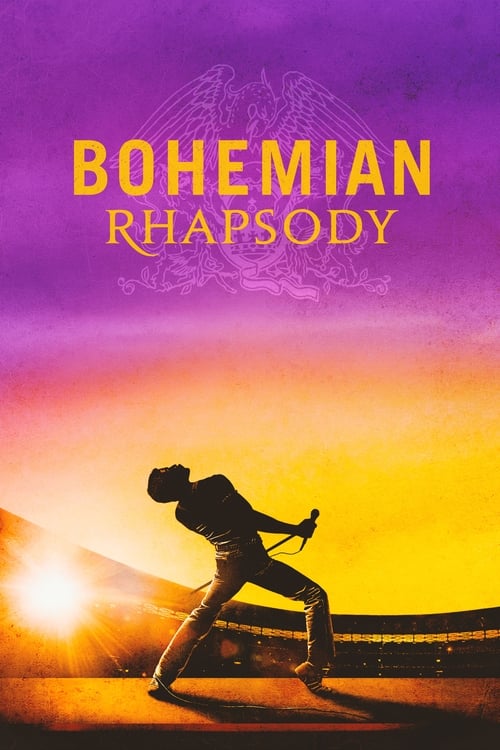
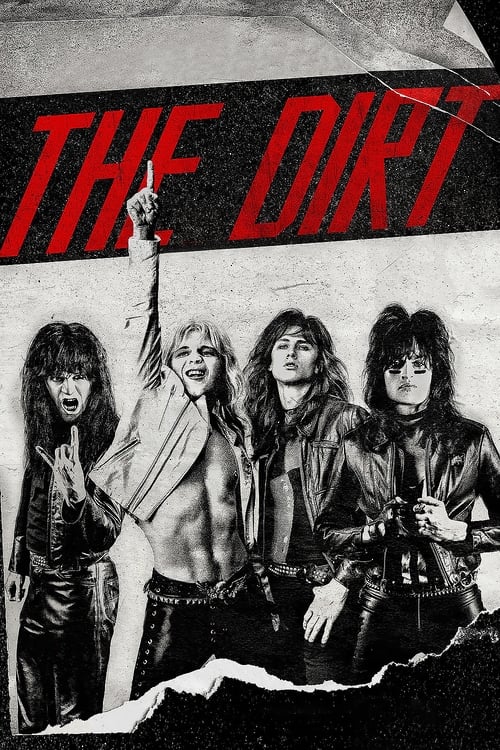
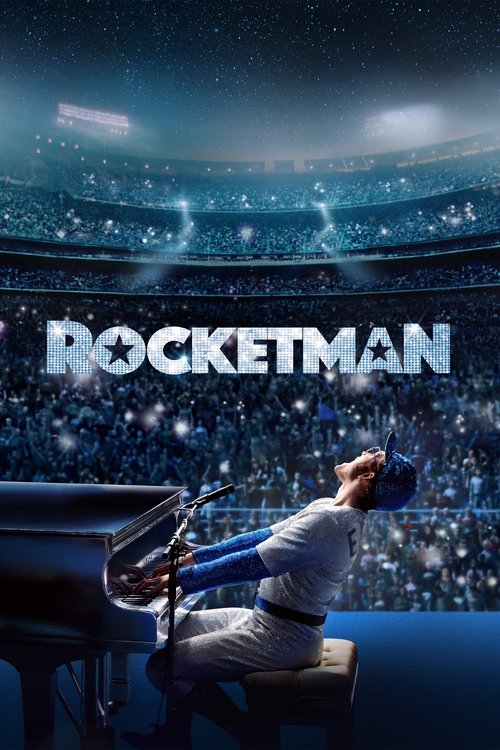
The Biopic as Riff
Films that capture the chaos, ego, and alchemy of rock at full tilt
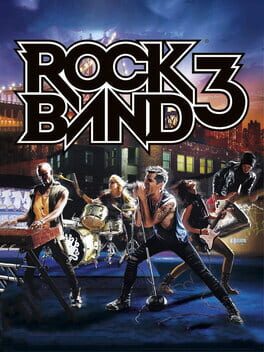
Play at Maximum Volume
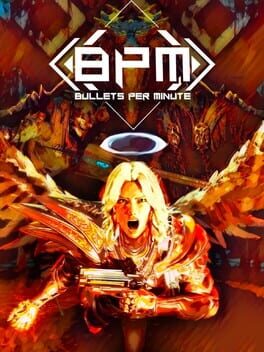
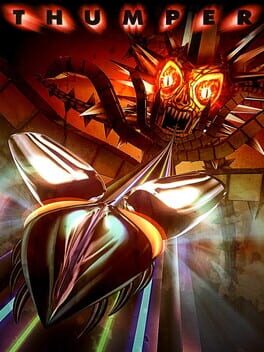
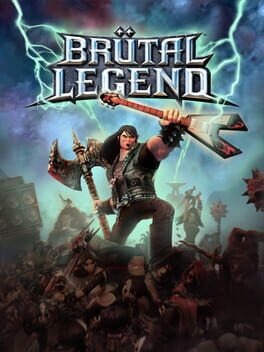
Games that carry the same speed, aggression, and musical precision as a Deep Purple show






The Literature of Excess and Precision
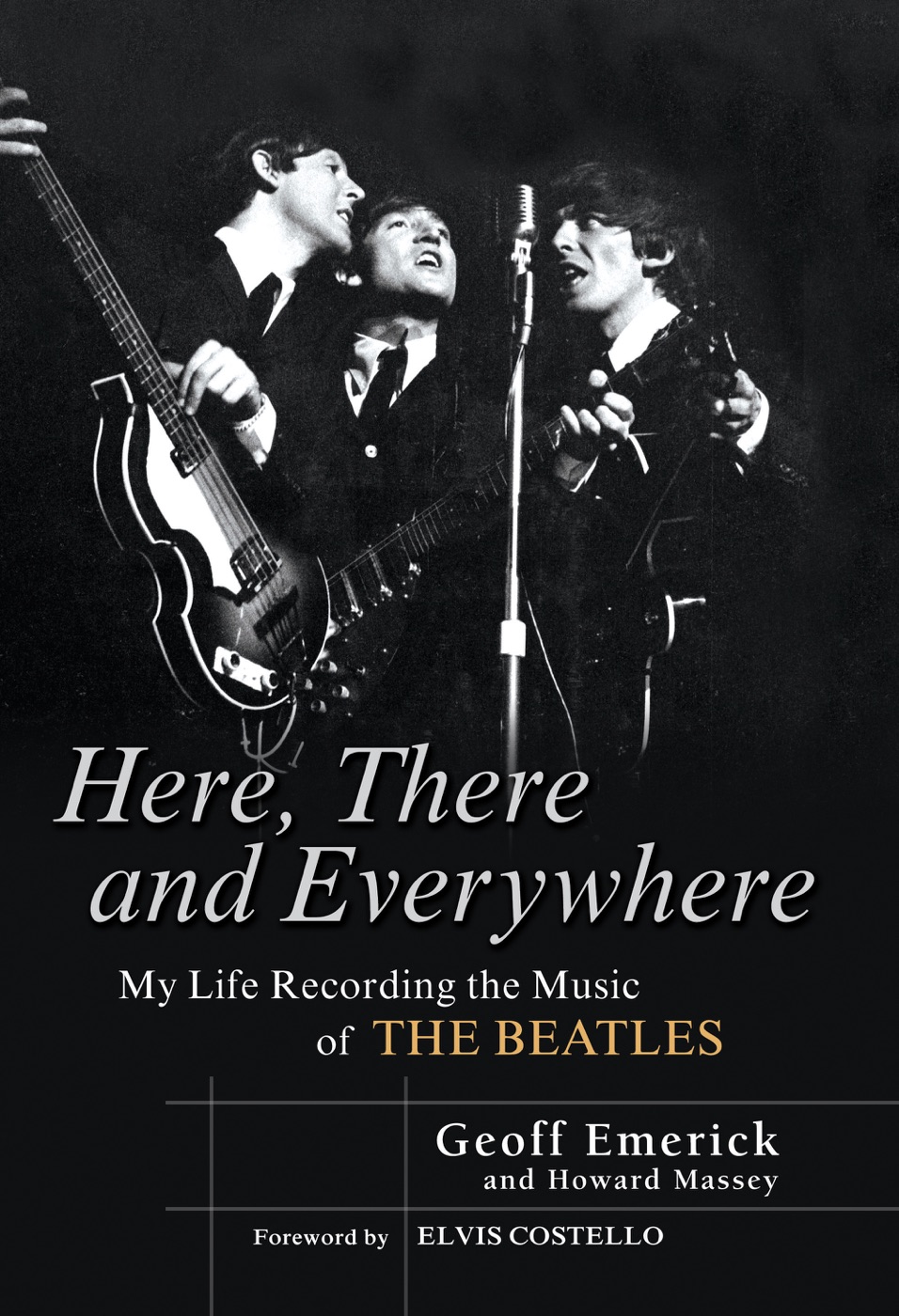
Books for the fan who hears both the raw power and the disciplined craft in Purple's records





Machine Head is the perfect entry point, and also somehow the peak
Machine Head was recorded on a Rolling Stones mobile truck in a Swiss hotel after the casino burned down (the Smoke on the Water incident is real and genuinely happened that way). Every track is either a riff-based bulldozer or a piece of actual composition, often both. Highway Star is eight minutes of pure velocity, and Space Truckin' closes the record with the kind of freeform group improvisation most bands can only approximate. Start here and you will understand everything Deep Purple cared about.
The most underrated period is the Coverdale-Hughes era, and critics have been wrong about it for fifty years
Burn and Stormbringer are dismissed by a certain kind of Deep Purple purist because they replaced Ian Gillan with two vocalists, David Coverdale and Glenn Hughes, and moved toward funk and soul influences. That dismissal is completely backwards. Both records are musically richer than almost anything around them at the time, and Burn in particular has a title track that is one of the best pieces of hard rock ever recorded. Coverdale's voice is extraordinary. This is the era to revisit.
Blackmore's Night is where Ritchie Blackmore went, and it is weirder and better than you expect
After leaving Deep Purple (for the second time) in 1993, Ritchie Blackmore formed Blackmore's Night with singer Candice Night and dedicated himself entirely to Renaissance folk and baroque pop. It is as far from Smoke on the Water as you can get, and it is completely sincere. The same ear for melody and structure that made the Purple records work is all over the acoustic records. If you love the compositional side of Deep Purple's music, this is worth your time.
Rainbow Rising is the spiritual sequel Blackmore made when he left the band the first time, and it belongs in the canon
Rainbow Rising (1976) is the first true statement from Blackmore's Rainbow with Ronnie James Dio on vocals, and it is one of the great hard rock records of the 1970s. Stargazer and A Light in the Black together make up side two: fourteen minutes of symphonic metal before anyone had named the genre. The same classical ambition that defined Deep Purple's best work is here at full strength, with Dio bringing a mythological grandeur that suits the vision perfectly. The record is not currently in the catalog, but the Coverdale Page album represents the same spirit: a Purple alumnus and a Zeppelin alumnus, together on one record, proving the lineage.
We were playing as loud as we possibly could. That was the point. We wanted it to feel like the air itself was vibrating.Jon Lord
Deep Purple: The Arc
- 1968Band forms in Hertford, England, initially playing psychedelic pop
- 1969Concerto for Group and Orchestra performed at the Royal Albert Hall with the London Philharmonic
- 1970Deep Purple in Rock released, establishing the classic Mk II lineup and the hard rock template
- 1972Machine Head recorded in Montreux, Switzerland, becomes the definitive hard rock album
- 1973Mk II lineup splits; Coverdale and Hughes join for the Mk III era
- 1975Band disbands; Blackmore departs to form Rainbow
- 1984Classic Mk II lineup reunites; Perfect Strangers released
- 2016Inducted into the Rock and Roll Hall of Fame
- 2020Whoosh! released, the band's 21st studio album