
Released in 2005, Gorillaz's Demon Days arrived as something genuinely hard to categorize: hip-hop, trip-hop, post-punk, gospel, and ambient electronics folded into a record about a civilization burning slowly from the inside. Damon Albarn and Jamie Hewlett built a world where cartoon avatars delivered real grief, and where De La Soul could share a track with a children's choir and Dennis Hopper and it would all make perfect sense. The fan who returns to Demon Days is chasing a specific feeling: music that is playful on the surface and hollow with dread underneath, art with a visual identity as strong as the sound, collaboration as a creative method rather than a commercial strategy, and pop music that treats the listener as an adult. The throughline across every medium here is that same controlled dissonance: beauty and rot, humor and collapse, craft in the service of something unsettling.
Essential Gorillaz
The catalog from their self-titled debut through the later genre-wandering records, for those who want to map the whole project.
Same Paranoid Frequency
Albums that share Demon Days' mix of genre collage, societal unease, and production intelligence.
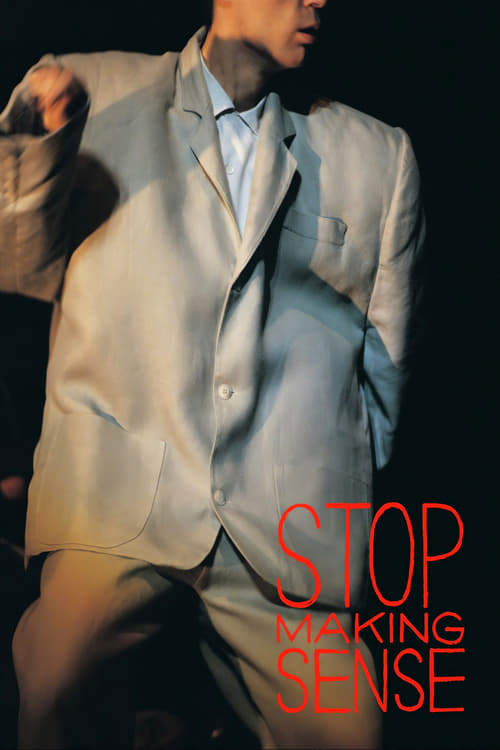
The Virtual and the Real: Music Documentaries and Concert Films
Films that capture the gap between artistic persona and the humans behind it, and performances where the spectacle is the statement.

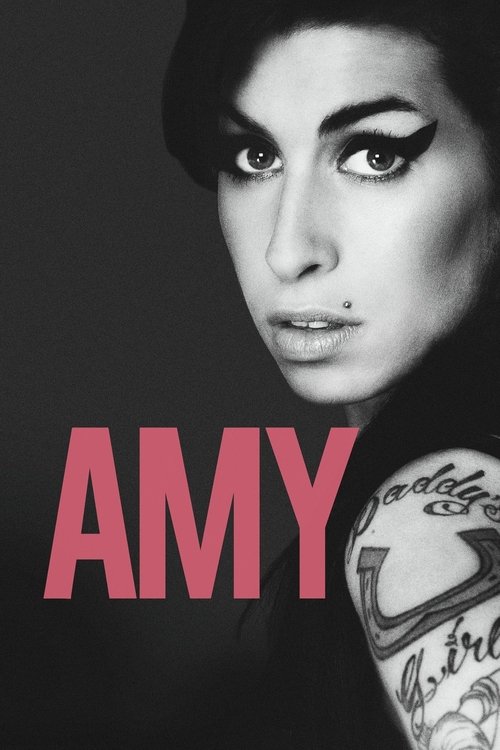
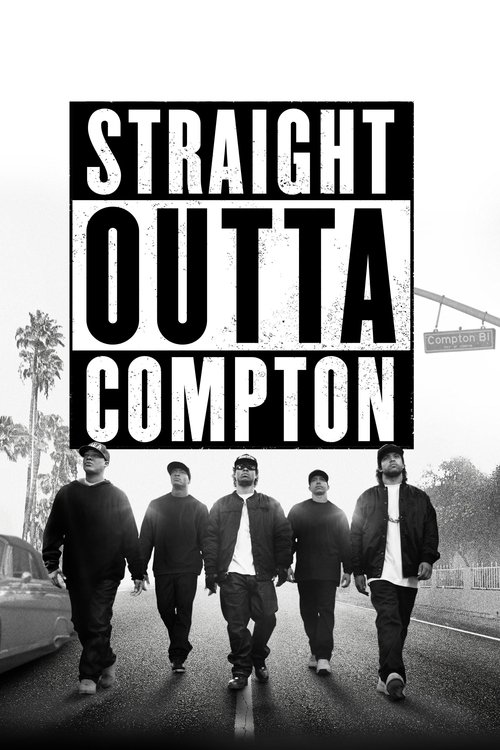
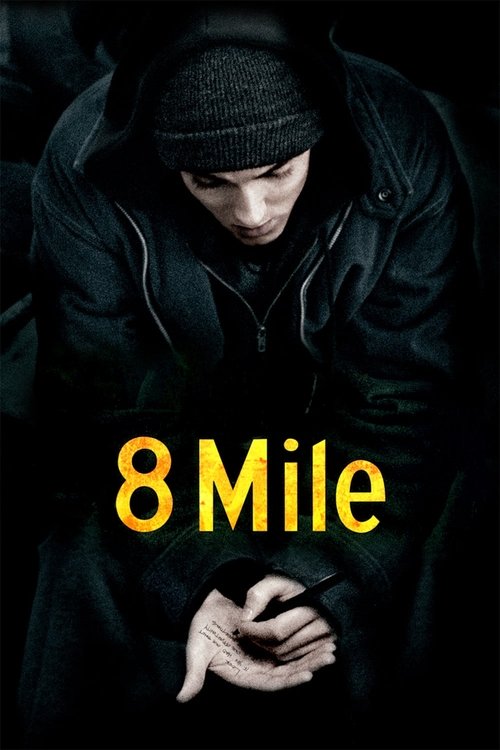
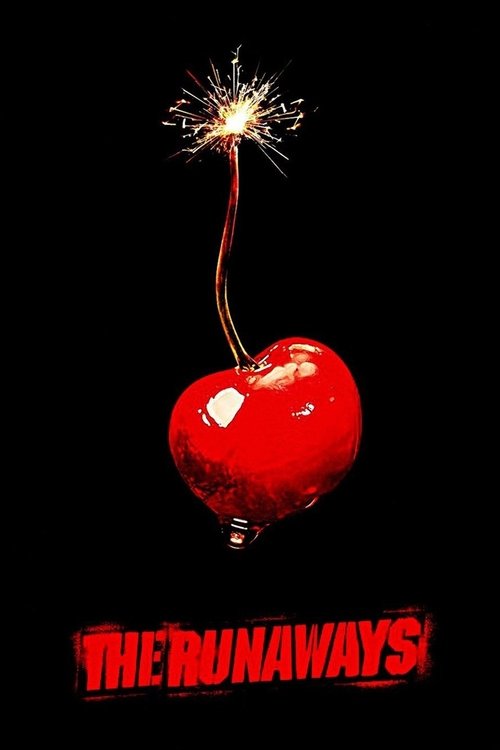
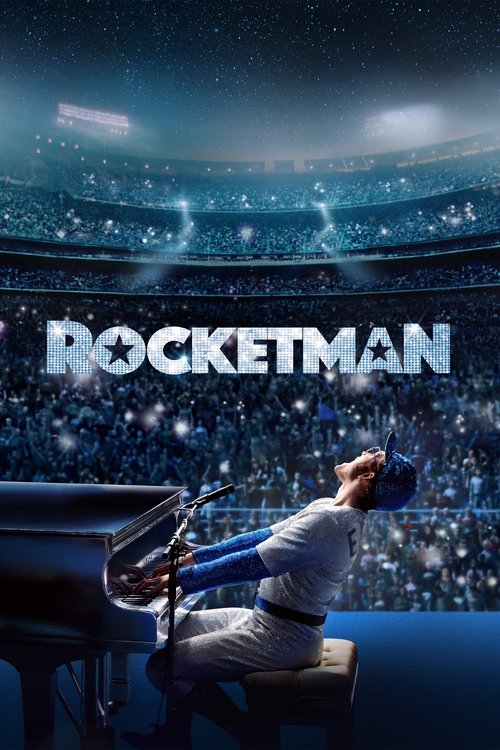
Music Biopics and Artist Films
Features that take seriously the question of what it costs to make something that matters.
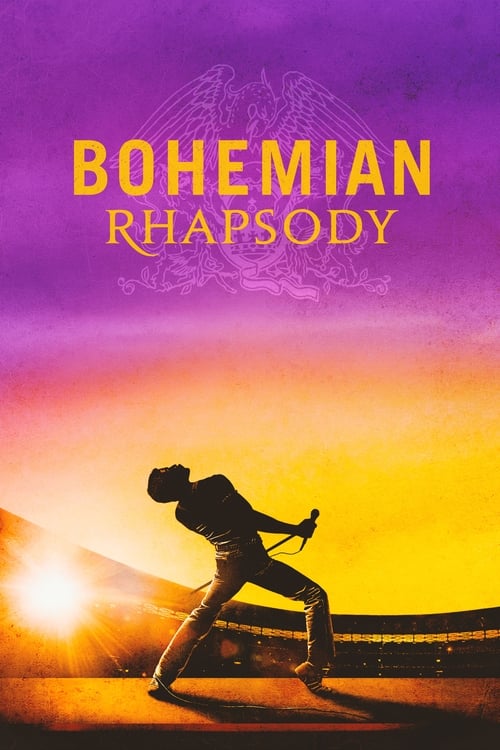
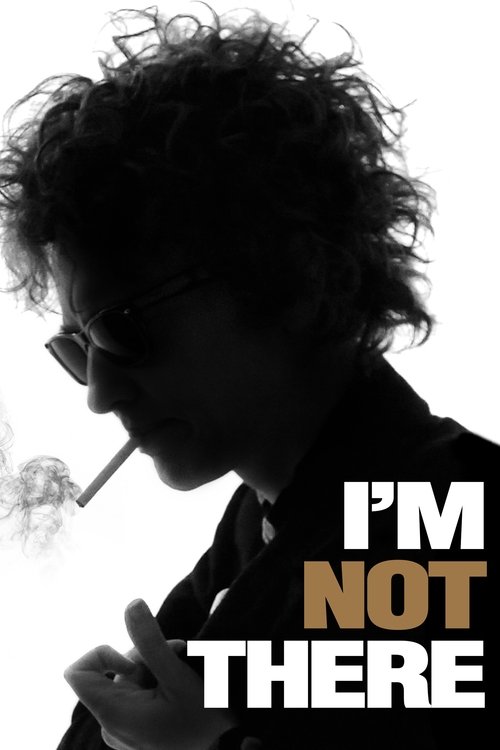
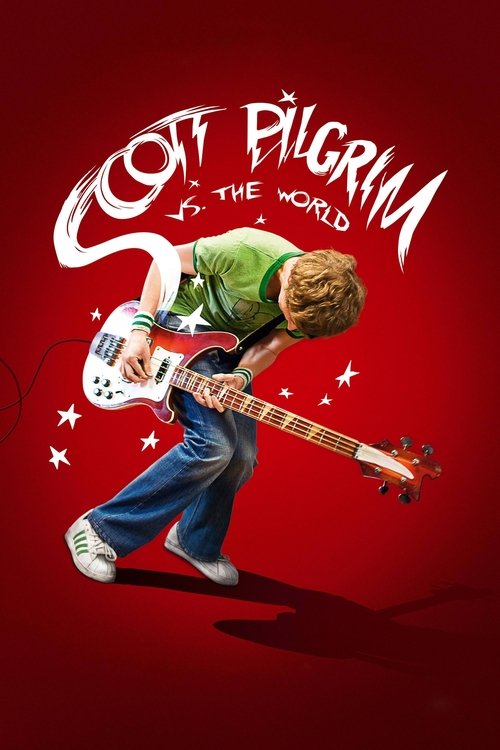
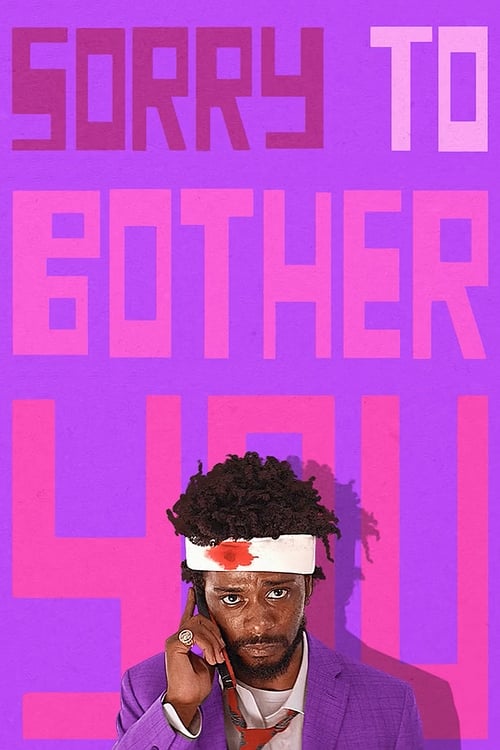
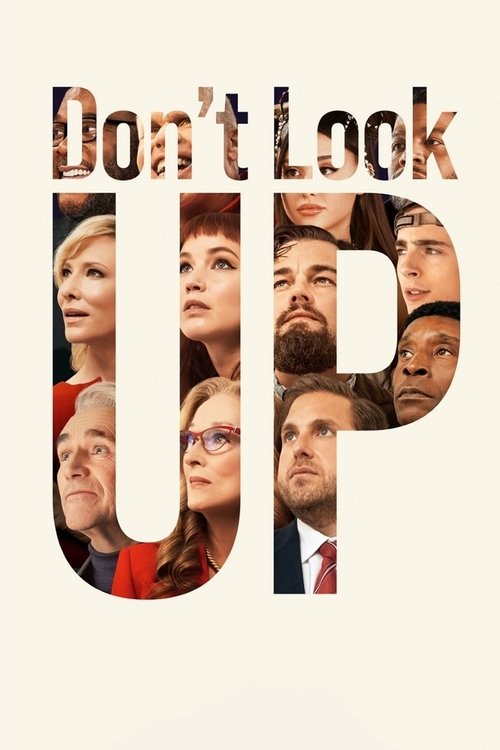
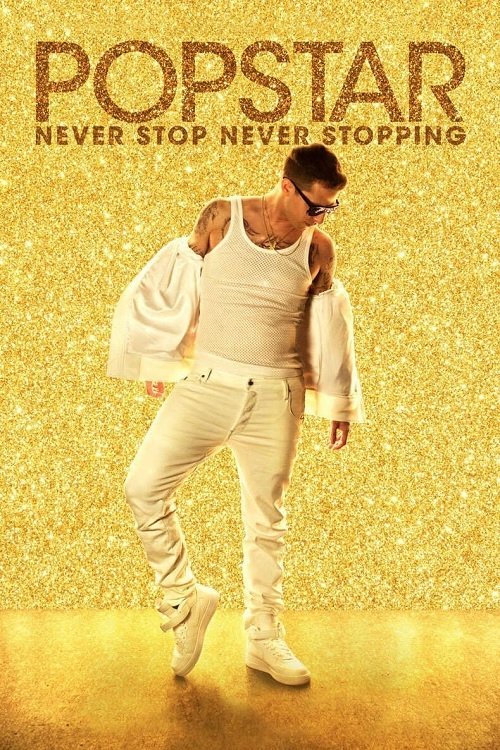
Films and Series with the Same Energy
Visually inventive, tonally dark, pop-cultural in texture but genuinely worried about something underneath.
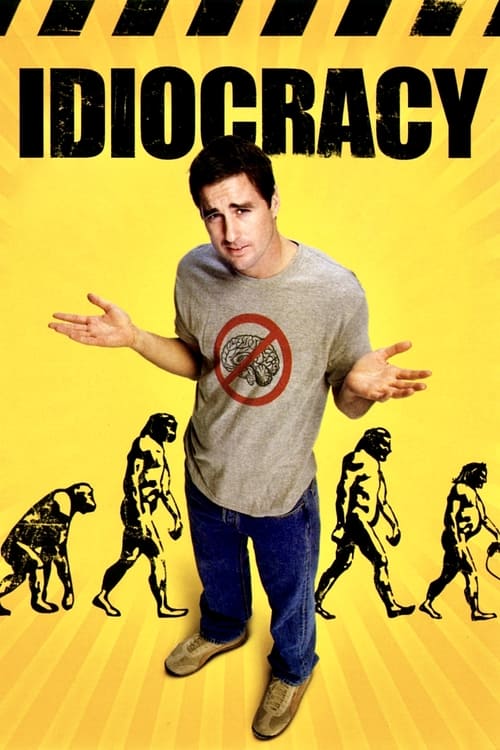
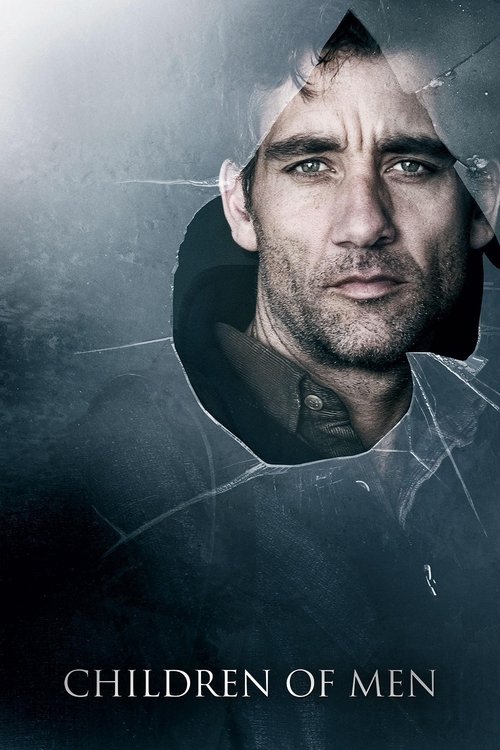
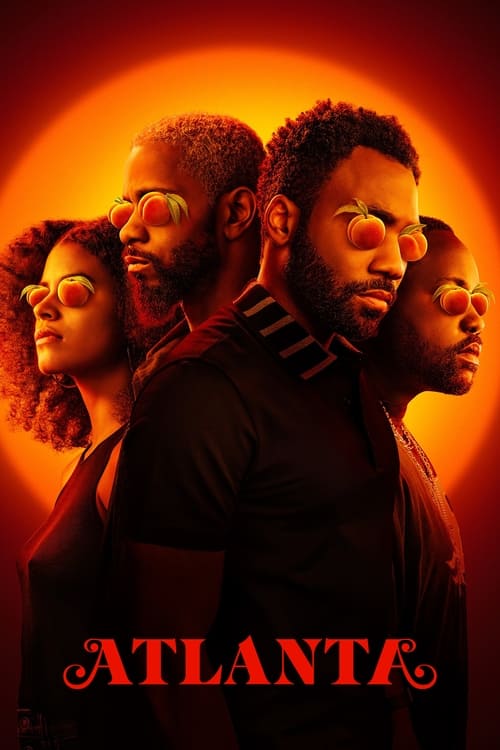
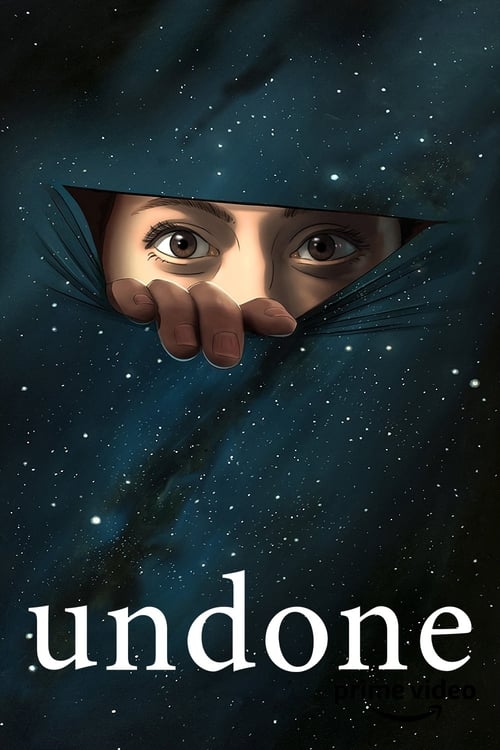
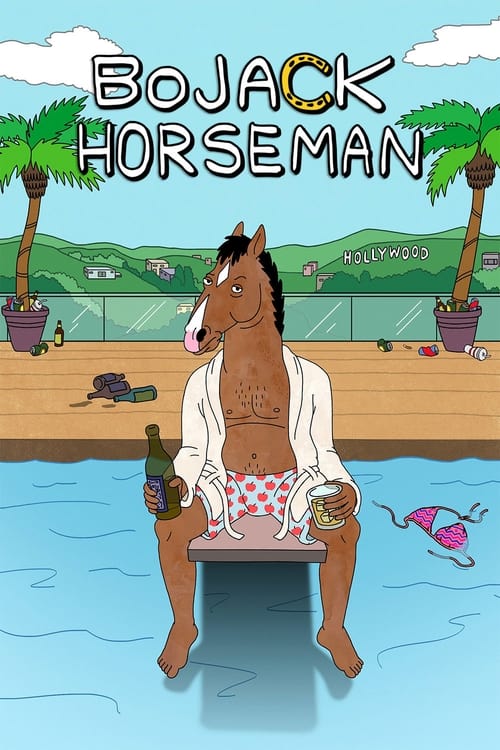
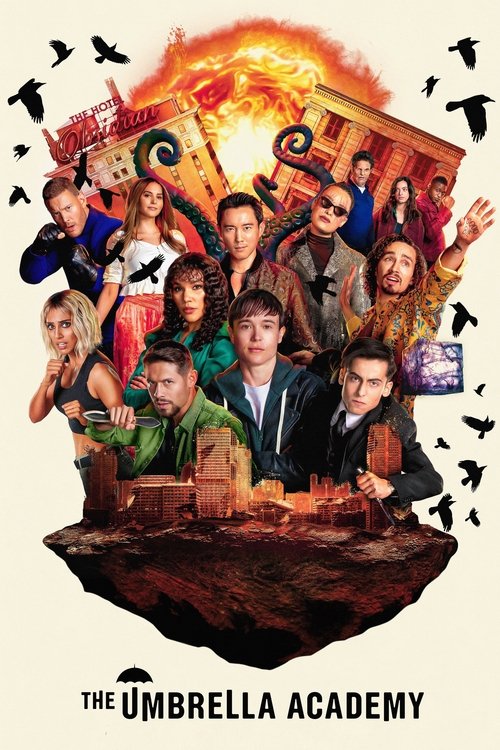
Books for the Demon Days Listener
Novels and nonfiction that share the record's interest in collapse, collaboration, pop mythology, and the texture of urban dread.


'Feel Good Inc.' Is a Protest Song Wearing a Party Mask
Most people remember the bassline and the laugh. What the song is actually doing is describing a luxury tower surrounded by a world on fire, with the people inside choosing not to look out. The windmill sequence in the music video is not whimsy; it is the alternative being rejected. It sounds like a celebration because that is the point. The Gorillaz project is always most itself when it hides the argument inside the hook.
Damon Albarn Is the Most Underrated Producer of His Generation
The Blur reputation, the Britpop wars, the rockist context: all of it works against recognizing what Albarn actually does with texture and arrangement. Demon Days, Plastic Beach, the Mali Music project, the Dr. Dee opera: the consistent thread is knowing exactly how much space to leave, and when to let something ugly sit in a track without softening it. The collaborators change but the ear stays the same.
The Best Dystopian Records Sound Like They Enjoy the Catastrophe
Genuinely dark music about social collapse tends to fail when it is merely grim. Demon Days works because it is also funny, strange, and full of pleasure. The same quality separates the interesting dystopian novels from the punishing ones: White Noise, The Sellout, and The Savage Detectives all locate something almost comic in civilizational dysfunction. That combination is harder to pull off than it looks, and when it works it hits differently than either pure dread or pure satire.
Jamie Hewlett Is Half of What Gorillaz Is
Strip the visual world away and Gorillaz becomes a very good Damon Albarn side project. The cartoon avatars, the animated videos, the refusal to appear in person: none of that is marketing. It is the actual artistic premise. The fact that the band does not exist except as an image is the subject of the music. Hewlett belongs in conversations about significant visual artists of the 2000s, not only in conversations about musicians who have good branding.
Gorillaz: A Decade of Controlled Chaos
- 1998Damon Albarn and Jamie Hewlett conceive Gorillaz as a virtual band, a critique of image-driven pop built entirely from image.
- 2001Self-titled debut released, introducing 2D, Murdoc, Noodle, and Russel to the world alongside a Mercury Prize nomination. Gorillaz
- 2002G Sides collects B-sides; the project's depth and prolificacy become clear. G Sides
- 2005Demon Days released in May. Number one in the UK, Grammy for Best Pop Collaboration. The Manchester Opera House concert follows. Demon Days
- 2006Demon Days Live filmed at the Manchester Opera House with a full orchestra and choir, Dennis Hopper narrating.
- 2010Plastic Beach arrives, expanding the project into environmentalism and international collaboration. Plastic Beach
- 2011The Fall recorded entirely on an iPad during a North American tour, released as a free download to fan club members. The Fall
- 2017Humanz released ahead of a feared political catastrophe, packed with featured artists, deliberately fragmented. Humanz
- 2020Song Machine begins as a monthly release series, the band adapting to a streaming-era attention economy on their own terms.
We're all going to lose our minds, the question is what we make while it's happening.Damon Albarn, paraphrased from multiple interviews during the Demon Days cycle