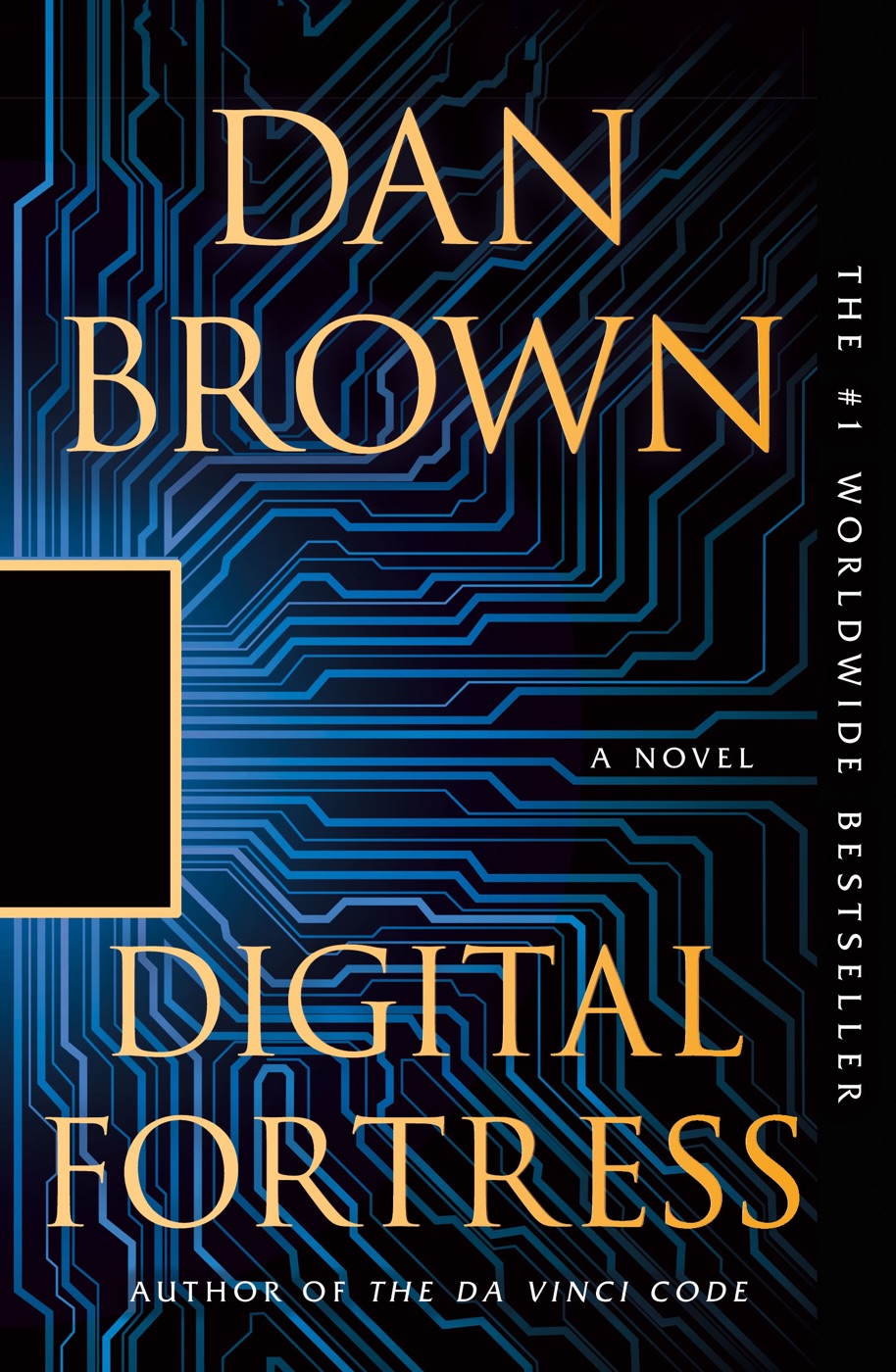

Dan Brown's 1998 debut gave techno-thriller readers something genuinely unsettling: not a bomb in a city, but a backdoor in the machine. Digital Fortress puts cryptanalyst Susan Fletcher inside the NSA's codebreaking supercomputer TRANSLTR as an algorithm that cannot be cracked begins to spread. The pleasure is in the double exposure, the sense that the institution built to protect secrets is itself the vulnerability. Brown's readers are not really chasing a villain; they are chasing the feeling that the systems we trust are one rogue insider away from catastrophe. That paranoid delight, the closed room of power suddenly cracked open, is the through-line connecting every work on this page.
The Digital Fortress Shelf
Brown's own work, plus the novels that defined cryptopunk paranoia in fiction


If You Love the Rogue Algorithm: Techno-Thriller Novels
Fiction where the real weapon is code, cryptography, or institutional betrayal


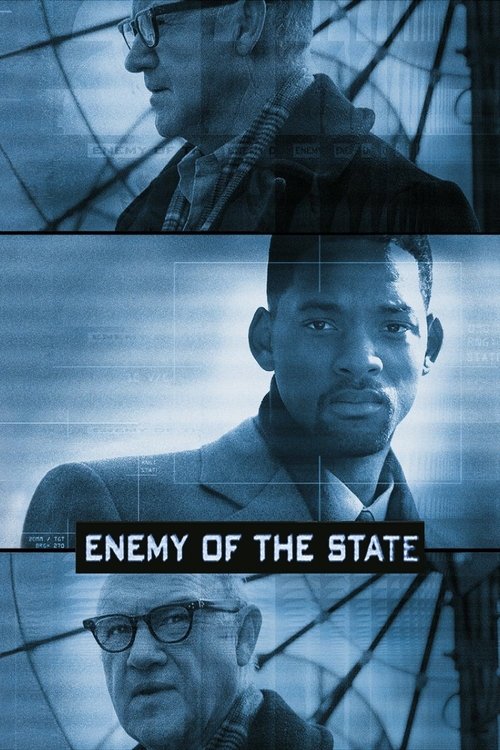
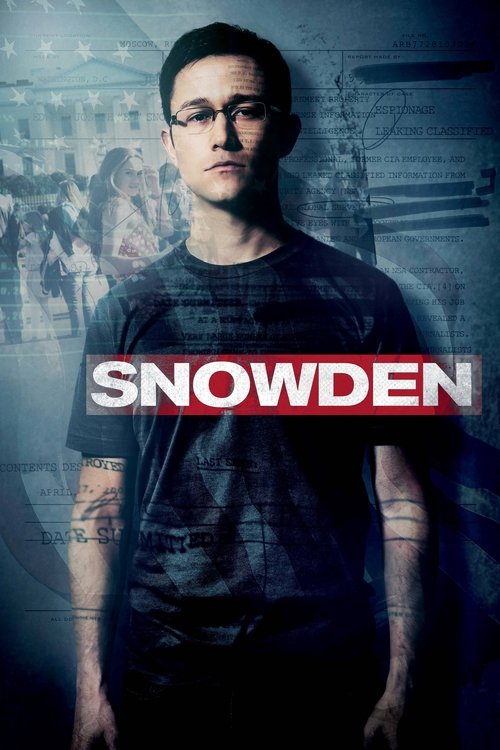
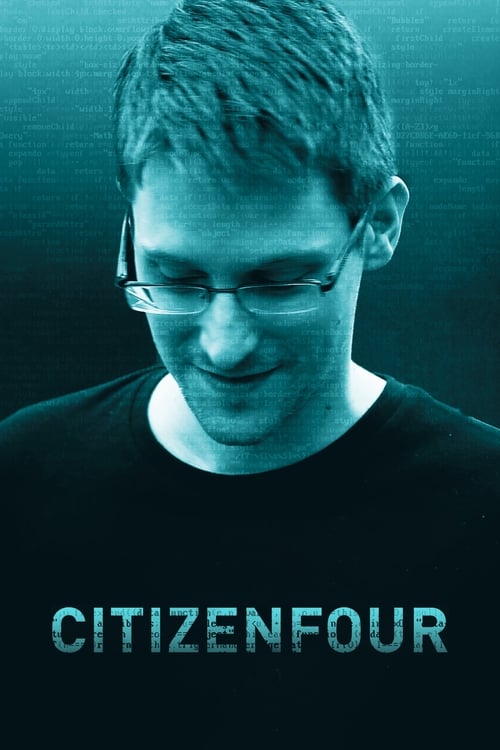
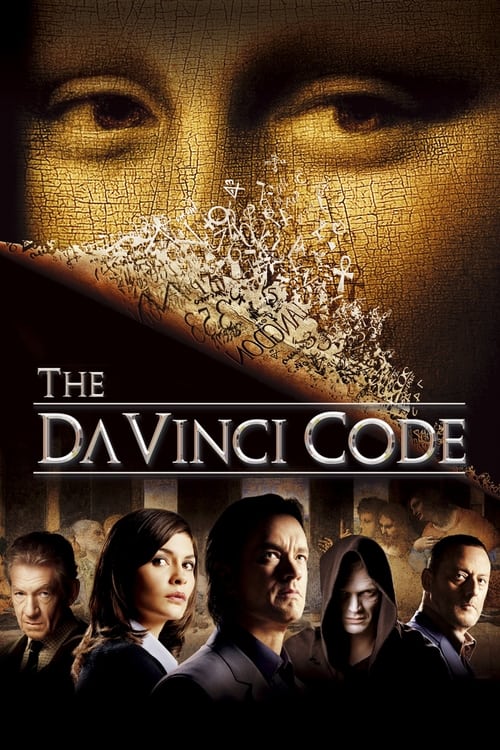
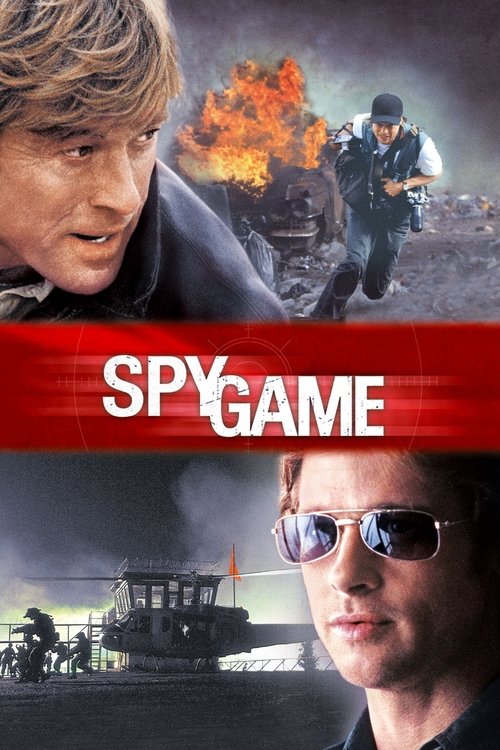
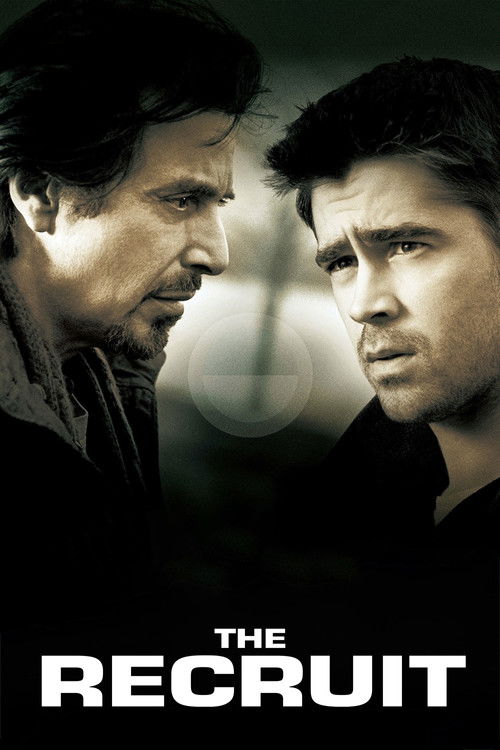
If You Love the NSA Closed Room: Surveillance Thrillers on Screen
Films where intelligence agencies, secret programs, and insider leaks drive the tension





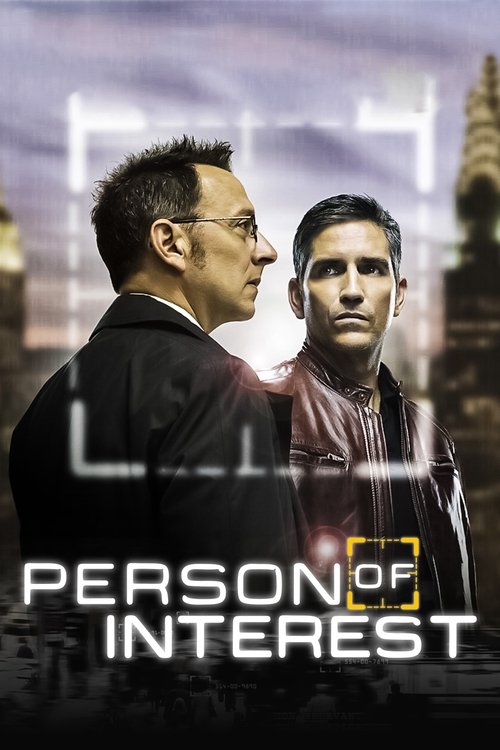
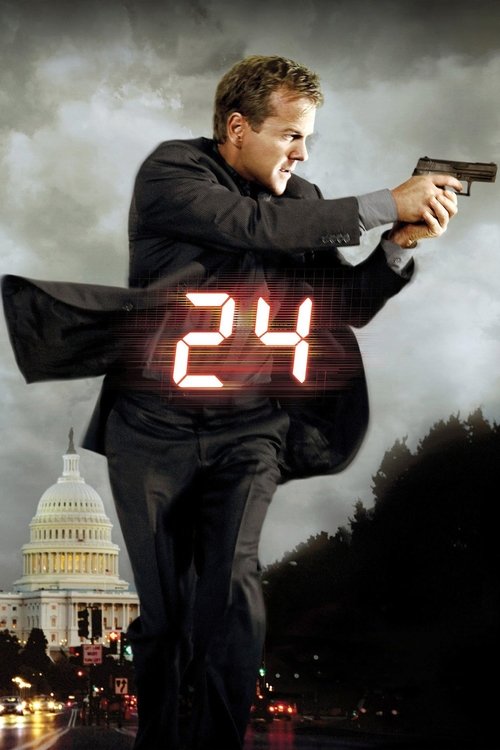
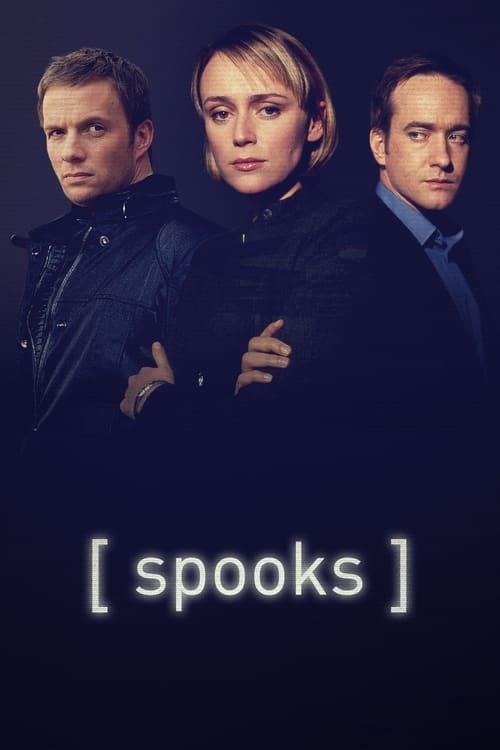
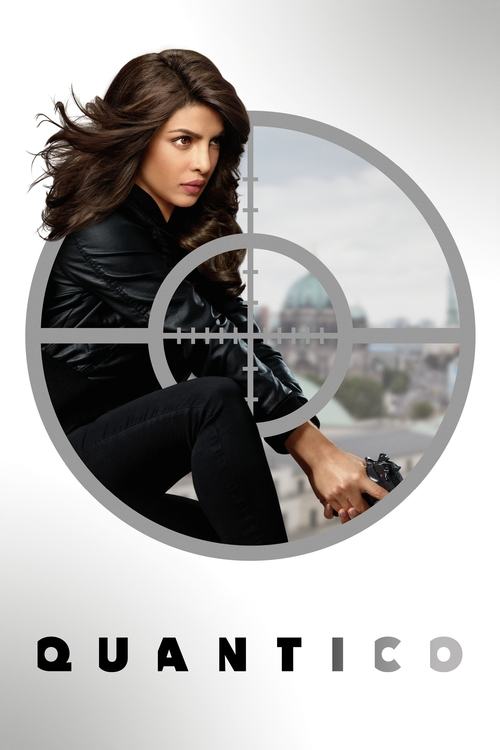
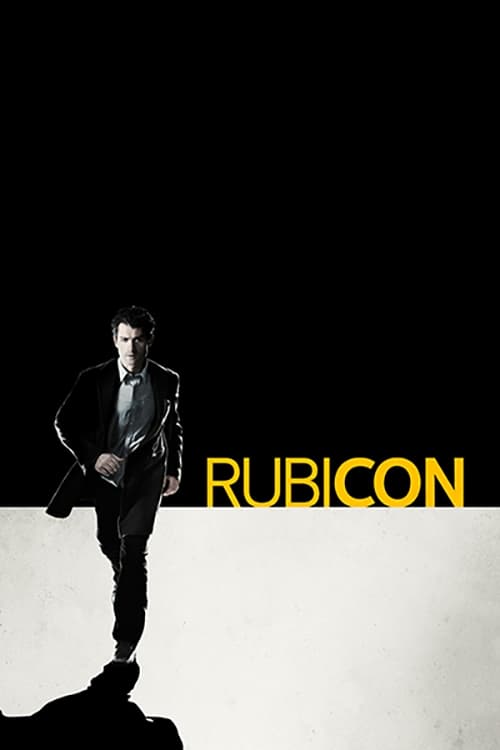
If You Love the Conspiracy Unraveling in Real Time: TV Series
Series built on insider threats, rogue systems, and the paranoia of knowing too much





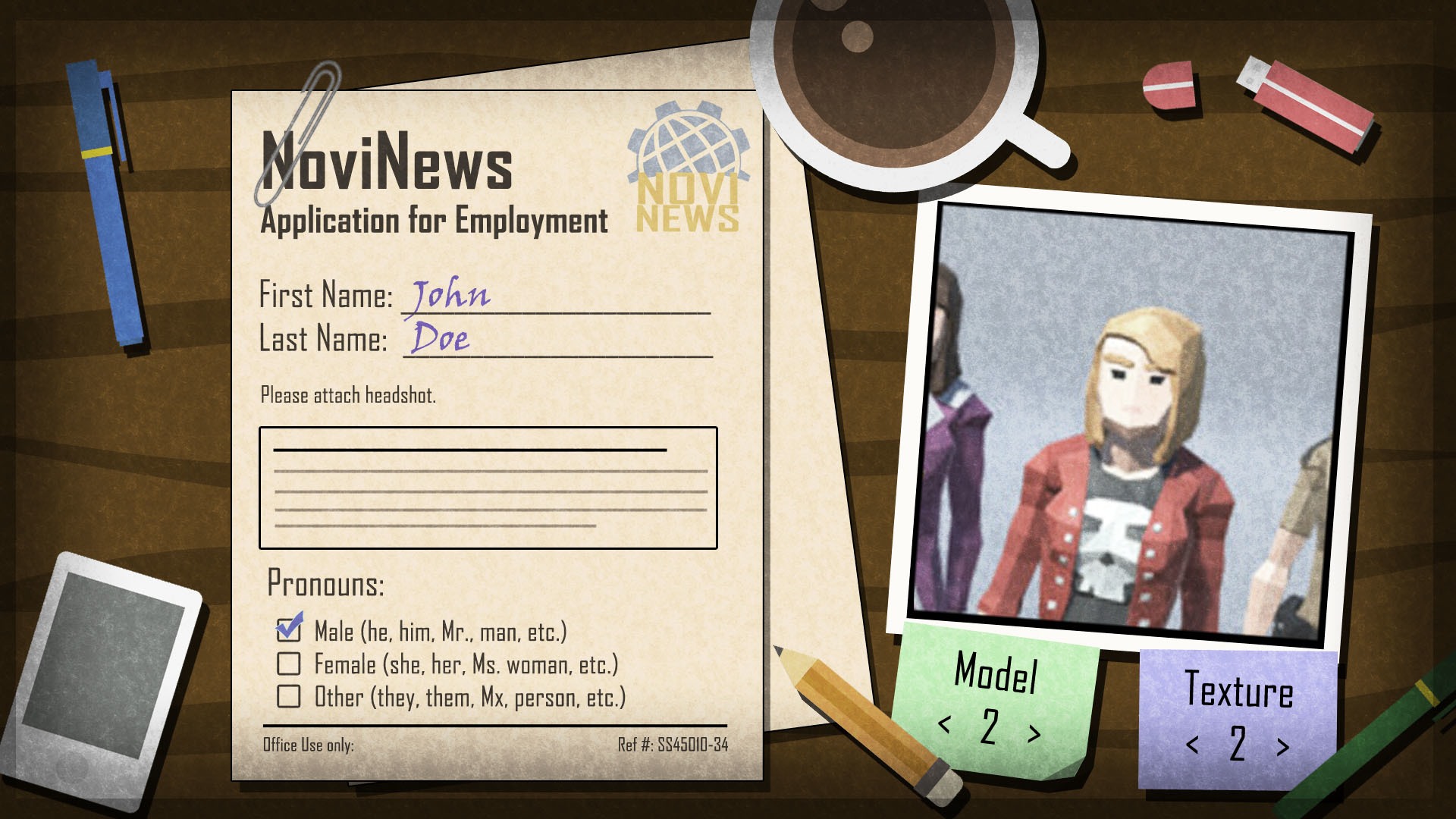
If You Love Cracking the Uncrackable: Games Built on Cryptography and Infiltration
Games where decryption, stealth, and institutional betrayal are the mechanics


Scores for the Machine Age: Music That Sounds Like a System Under Threat
Soundtracks and albums that capture digital paranoia, cold technology, and the hum of hidden infrastructure
The NSA Is the Monster, Not the Villain
What Brown understood before most thriller writers was that the most frightening antagonist is not a person but an institution with good intentions and unchecked power. TRANSLTR does not want to harm Susan Fletcher. It is simply a machine that cannot be told no, run by people who have convinced themselves that total surveillance is protection. That moral ambiguity, the system that is both shield and threat, is what separates Digital Fortress from the airport spy novels of the same era. It asks whether you would want to know everything, if knowing everything cost you everything.
Cryptonomicon Is the Serious Version, and You Should Read Both
Neal Stephenson's Cryptonomicon covers some of the same territory, codebreaking, wartime secrecy, the ethics of cryptographic power, but at twice the length and with real mathematical depth. Where Brown writes for the weekend flight, Stephenson writes for the obsessive. Reading them back to back is instructive: Brown shows you the thriller of cryptography, Stephenson shows you the history and philosophy underneath it. Neither replaces the other, and a fan of one usually ends up grateful for the other.
Mr. Robot Did What No Adaptation Could
Digital Fortress has never had a faithful screen adaptation, and Mr. Robot arguably made one unnecessary. Sam Esmail's series captures the exact texture Brown was reaching for: a protagonist who understands systems that others cannot see, an institution that is corrupt at its core, and the slow horror of realizing that the conspiracy is not outside the building but inside it. The hacking is accurate enough to be unsettling. If you finished Digital Fortress wanting more of that trapped-inside-the-machine feeling, Mr. Robot delivers it across four seasons.
A Short History of the Cryptopunk Thriller
- 1982Hackers enter popular fiction as antiheroes rather than criminals Tron
- 1984William Gibson coins cyberspace and the corporate dystopia of networked power Neuromancer
- 1992Sneakers brings NSA cryptography into mainstream cinema comedy-thriller Sneakers
- 1996Stephenson begins serializing what becomes Cryptonomicon, codebreaking as literary subject Cryptonomicon
- 1998Dan Brown publishes Digital Fortress, NSA thriller for a mass airport audience
- 1998Tony Scott's Enemy of the State puts NSA surveillance into a mainstream action frame Enemy of the State
- 2000Deus Ex asks whether total information control can ever be ethical Deus Ex
- 2001Metal Gear Solid 2 deconstructs information control and manufactured reality Metal Gear Solid 2: Sons of Liberty
- 2013Edward Snowden leaks PRISM documents; fiction suddenly feels like journalism
- 2015Mr. Robot premieres, the most technically accurate depiction of hacking in prestige TV Mr. Robot
- 2016Oliver Stone's Snowden brings the leaked documents to mainstream cinema Snowden
- 2021The Lost Symbol adapts Brown's Robert Langdon prequel for television
The only truly secure computer is one that is turned off, locked in a safe, and buried twenty feet underground. And even then I would not bet on it.Bruce Schneier, cryptographer