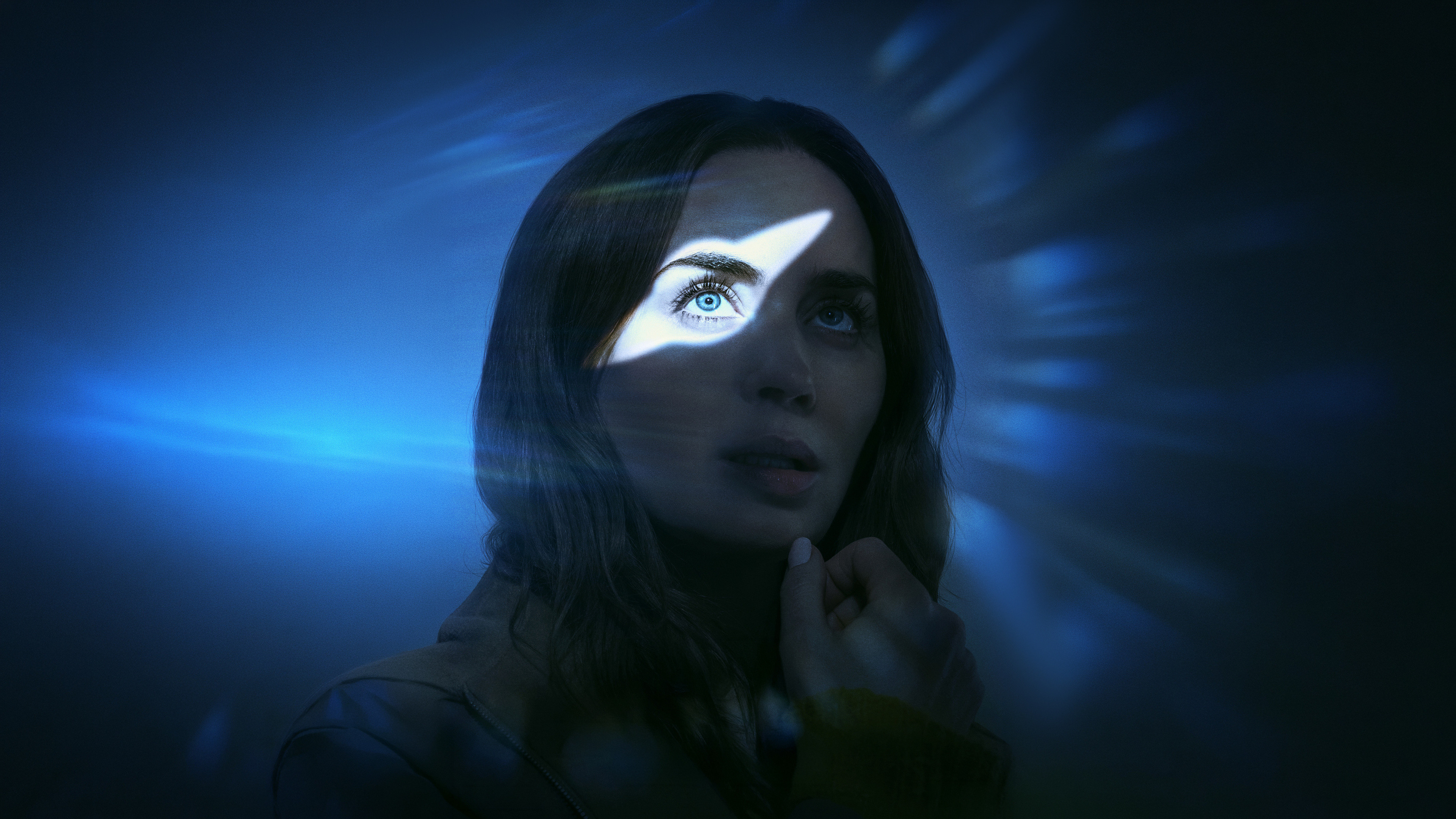

What Disclosure Day is really about is not aliens. It is about a planet of people who have forgotten how to listen to each other, suddenly required to broadcast something true to the entire universe. Steven Spielberg and screenwriter David Koepp (their fifth collaboration) return to terrain Spielberg first mapped in 1977, but the 2026 film is colder, more fractured, and more urgent. Emily Blunt's Margaret Fairchild, a Kansas City TV meteorologist, develops emotional telepathy after a childhood abduction: she can read a person's entire life in their eyes, and when the cameras roll, she speaks an alien language no one has heard. Josh O'Connor's Daniel Kellner is a cybersecurity expert who has stolen corporate files documenting decades of government contact. Together they are on the run from a corporation that wants the secret buried. The film's central thesis is disarmingly simple: raw information, even proof that we are not alone, cannot save us without empathy. That idea, fused to a John Williams score that is Americana-tinged and deliberately restrained until it is not, is what Disclosure Day fans are chasing. Every work below lives in that same space, where the unknown arrives and the real question is not what it is, but whether we are capable of receiving it.
The Spielberg Alien Canon
The three films that form a single, fifty-year argument about what contact means for ordinary people.
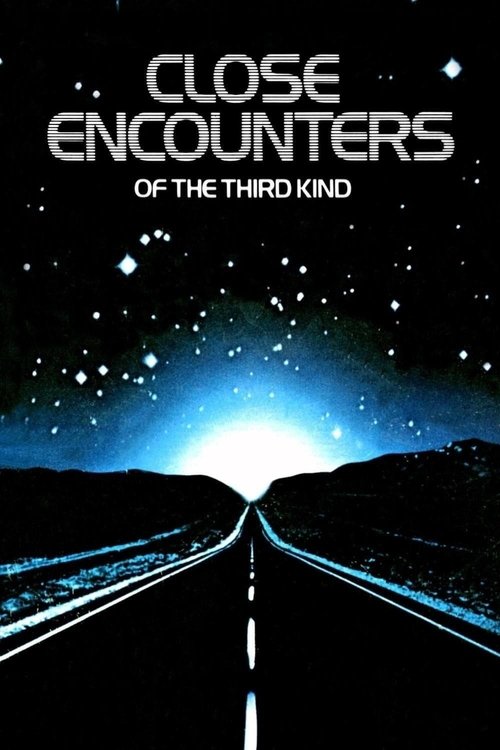
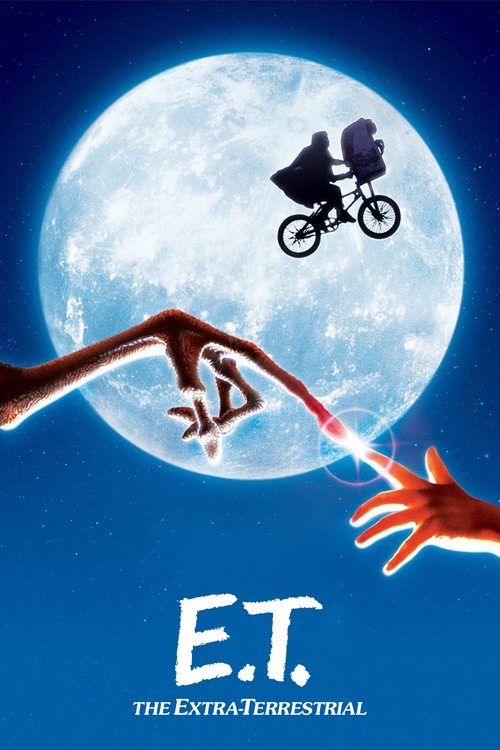

Disclosure Day is Spielberg's most politically honest alien film
Close Encounters was post-Watergate distrust channeled into wonder. E.T. was Reagan-era suburban longing. War of the Worlds was post-9/11 panic given tentacles. Disclosure Day is something harder: a film about a society that has already lost faith in shared truth, where even proof of extraterrestrial life becomes a culture-war battlefield. Corporate titans, scientists, government officials, and a nun all fight over whether disclosure will unite or destroy. Spielberg does not fully resolve the argument, which is the most honest thing he has done in decades.
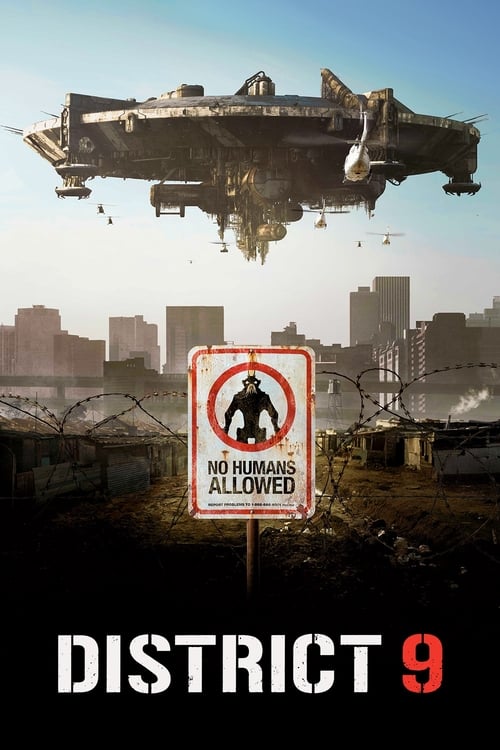
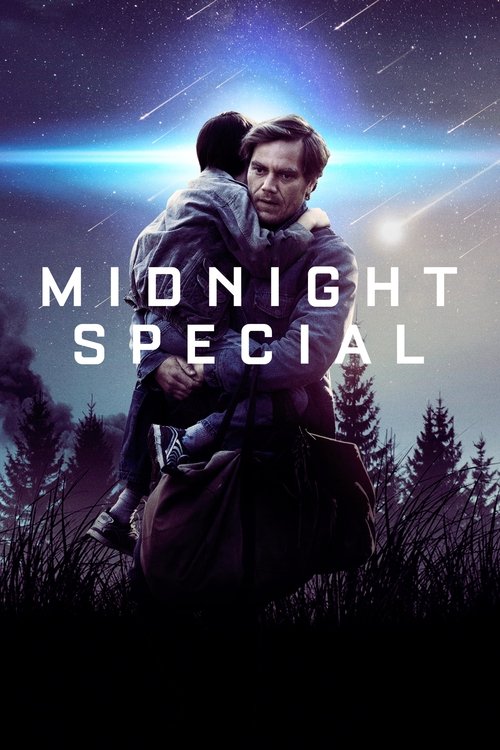
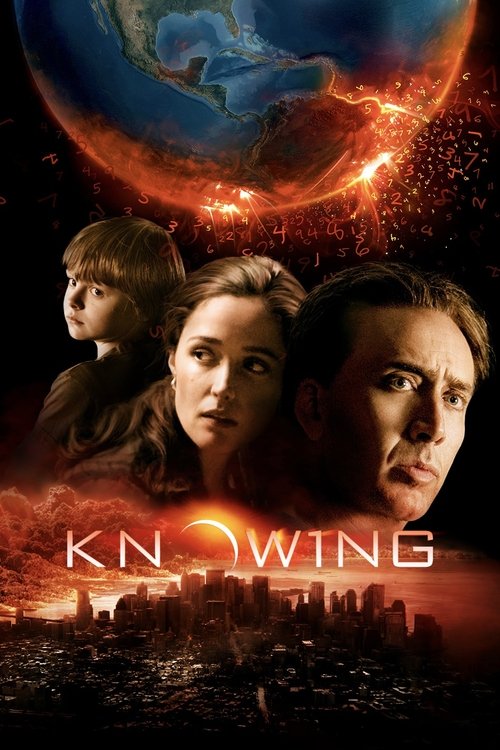
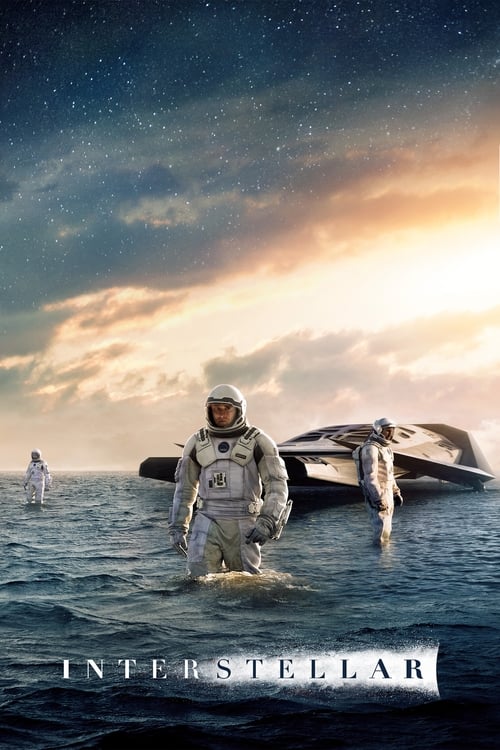
If You Love the First-Contact Feeling
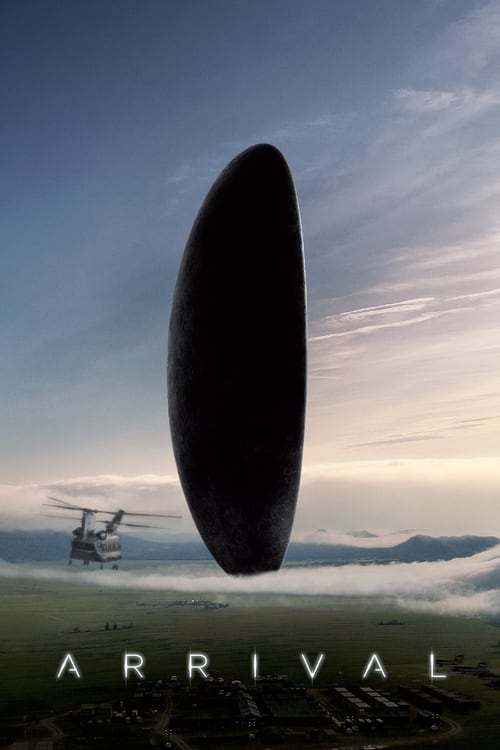
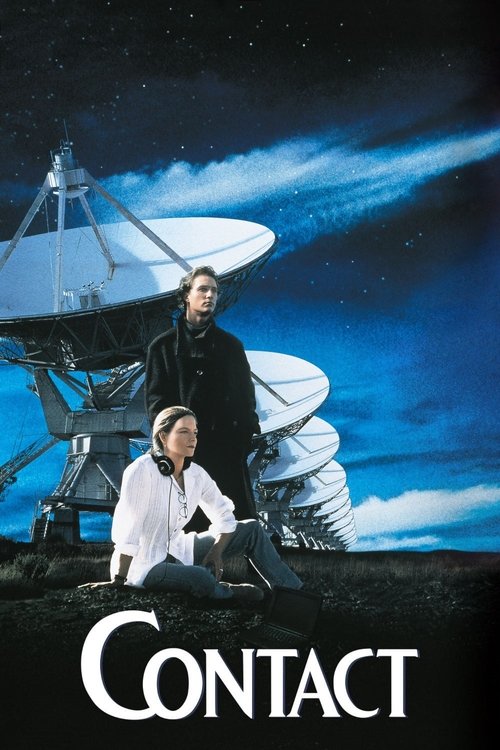
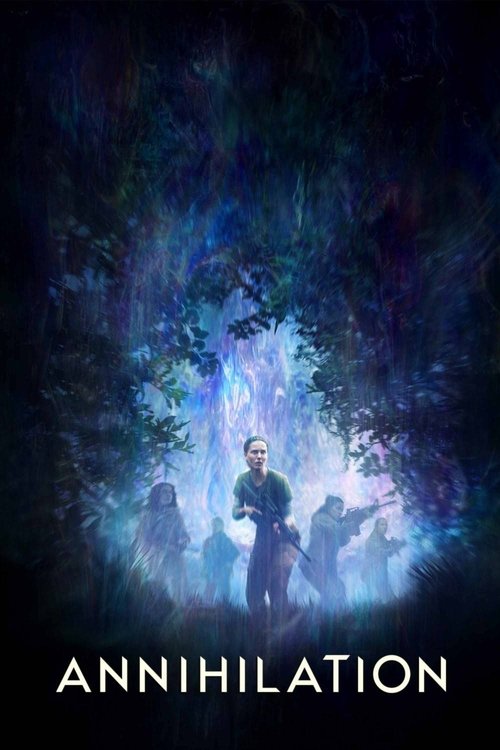
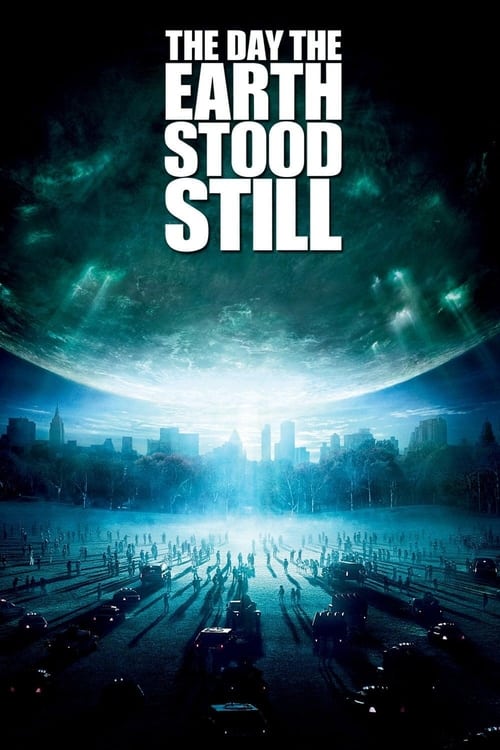
Films that treat alien encounter as a philosophical and emotional event, not a military one.

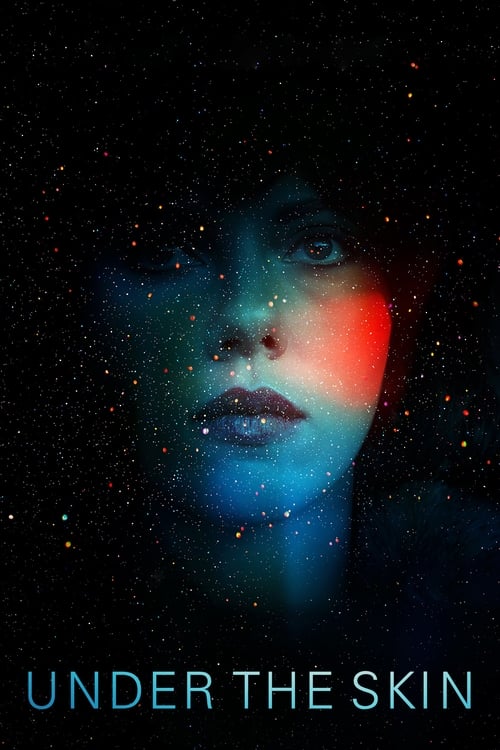
Television That Lives in the Same Frequency
Series about contact, conspiracy, and the cost of knowing something the world is not ready to hear.
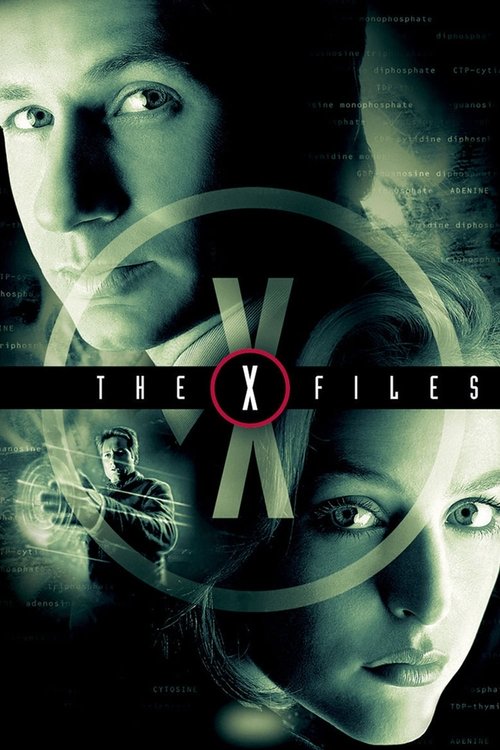
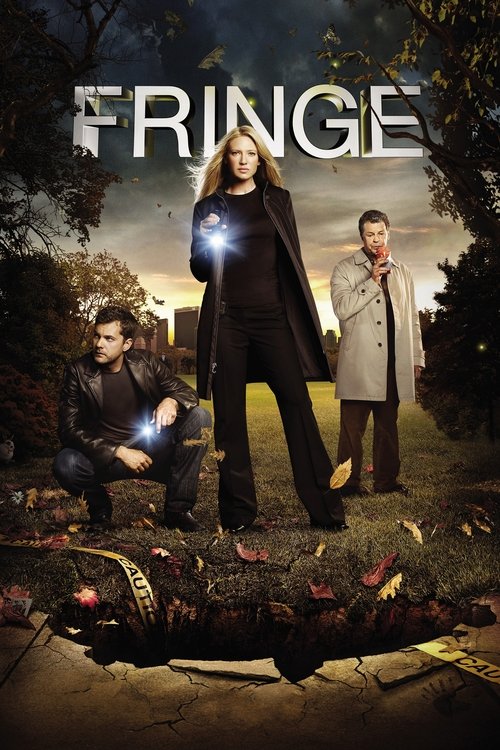
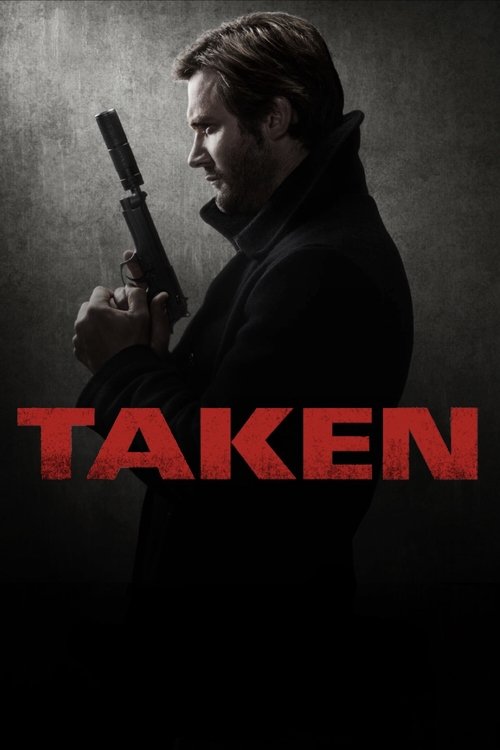


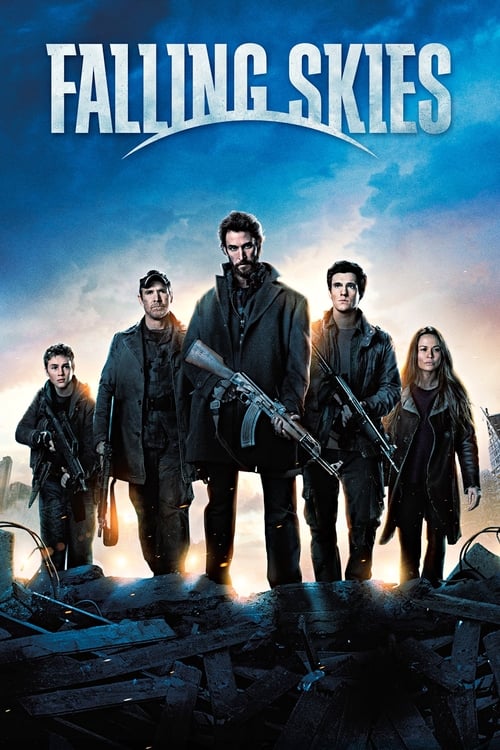
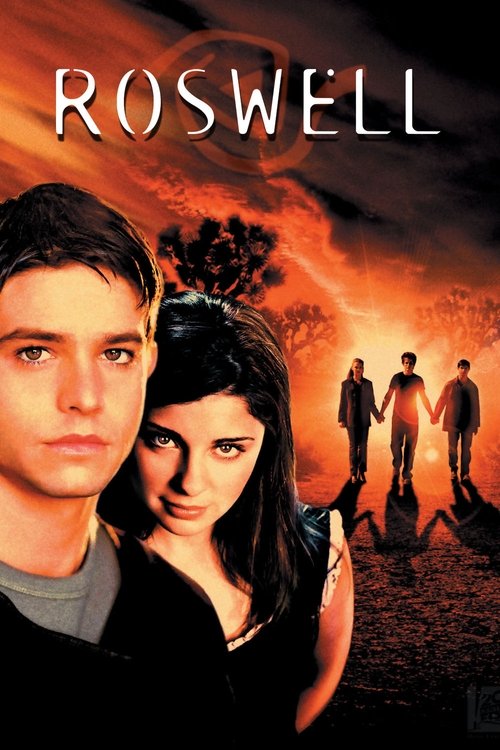
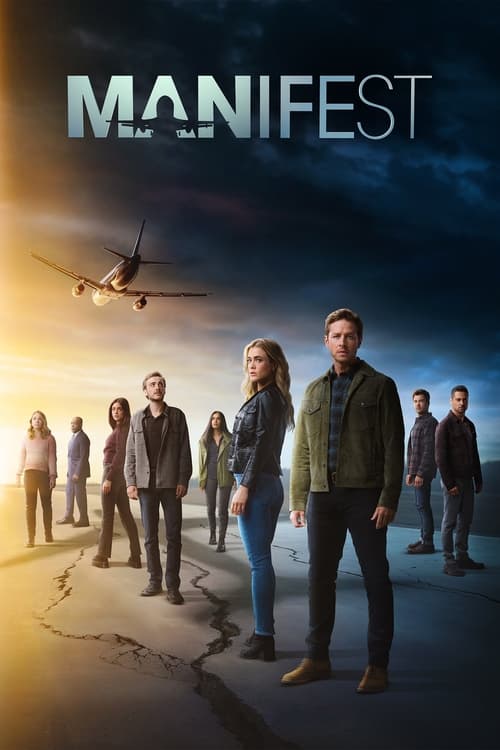

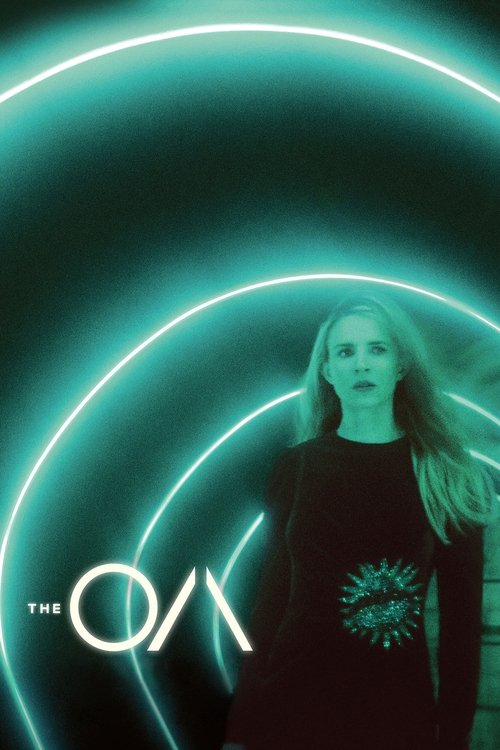
This time, I'm going to write music not to lead the film. I'm going to write music under the film and give it a slight nudge forward, but I'm not going to lead.John Williams, on scoring Disclosure Day
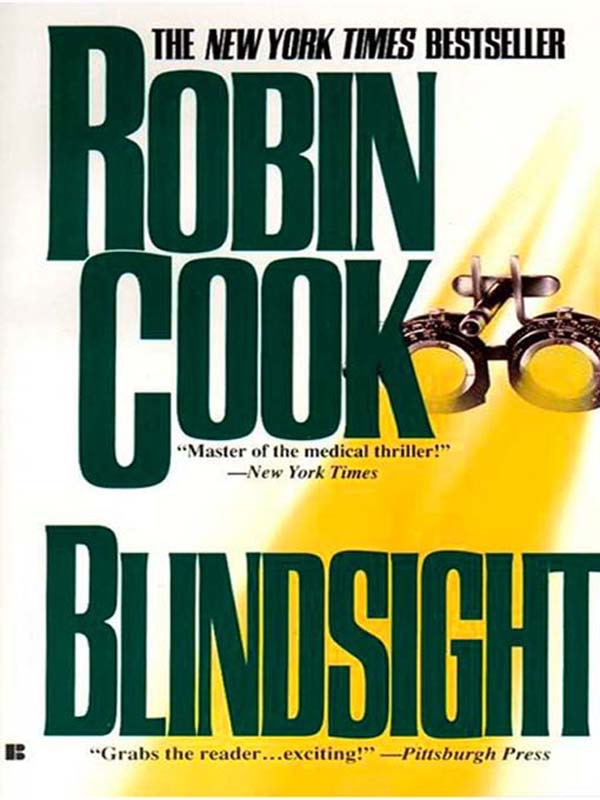
Books That Ask the Same Questions
Novels exploring first contact, hidden knowledge, the limits of human language, and what empathy costs when the other is genuinely alien.




The best first-contact stories are really about what we broadcast about ourselves
From Carl Sagan's Contact to Denis Villeneuve's Arrival to Disclosure Day, the genre keeps returning to the same uncomfortable question: if something out there is listening, what do we say, and who gets to decide? Margaret's ability to broadcast the emotional truth of humanity makes her dangerous not to the aliens but to every institution that profits from controlling the message. That is not a science fiction premise. It is the oldest political story there is.
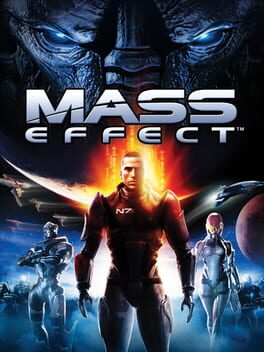
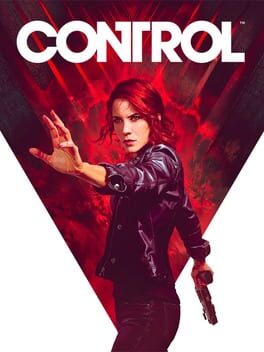
Games That Put You Inside the Contact
Games where the unknown arrives and the only tool you have is curiosity, patience, or empathy.
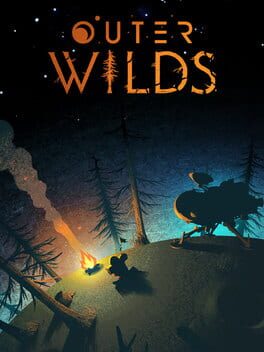
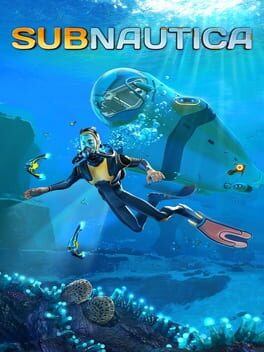

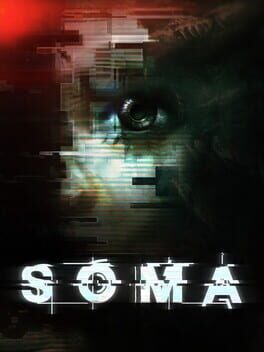
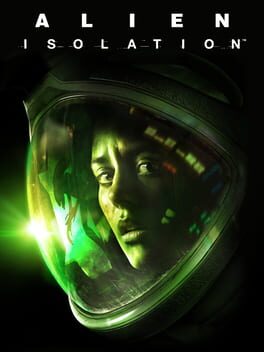
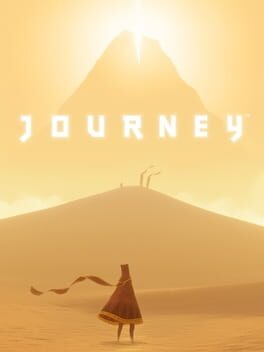
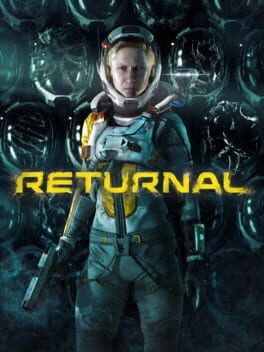
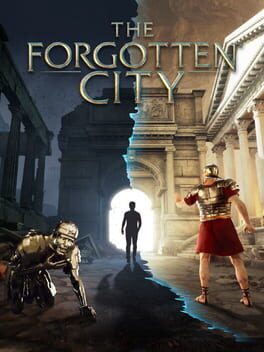
Outer Wilds is the closest a game has come to Disclosure Day's emotional register
Both works are about uncovering a truth that was always there, hidden by the limits of perception and the failures of communication. In Outer Wilds, the tragedy is that a civilization tried to share something vital and could not bridge the gap in time. In Disclosure Day, the tragedy is that the gap has been engineered by people who benefit from it staying open. The feeling at the end of both is grief and awe in roughly equal measure.
Spielberg's Half-Century of Alien Cinema
- 1977Roy Neary sees lights in the Indiana sky. A post-Watergate America is invited to trust again. Close Encounters of the Third Kind
- 1982A boy and a stranded alien form the most emotionally precise bond in blockbuster history. E.T. the Extra-Terrestrial
- 1985Carl Sagan publishes the novel that frames first contact as a question of science versus faith.
- 1993David Koepp writes Jurassic Park for Spielberg, beginning a partnership that will span three decades. Jurassic Park
- 1997Robert Zemeckis adapts Sagan's Contact with Jodie Foster, setting the template for cerebral first-contact cinema. Contact
- 2005Spielberg and Koepp reunite for War of the Worlds, a post-9/11 alien film without a gram of wonder. War of the Worlds
- 2016Denis Villeneuve's Arrival redefines the genre: first contact as a meditation on language, time, and grief. Arrival
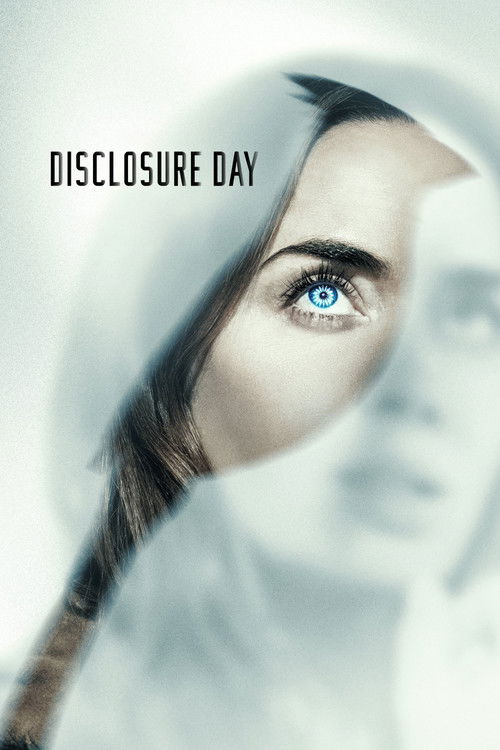
- 2026Spielberg and Koepp complete the trilogy that began in 1977, asking whether a divided planet can broadcast empathy to the stars. Disclosure Day
John Williams' restraint is the film's most radical creative choice
Every Spielberg film has been partly explained by its Williams score: the shark, the mothership, the bicycle against the moon. Disclosure Day breaks that contract deliberately. Williams told Spielberg he would write under the film, not in front of it, nudging rather than leading. The result, an Americana-tinged, contemplative score that only swells when the film earns it, is the sonic equivalent of the film's argument. Sometimes the most powerful thing you can do is stop shouting and let the silence do the work.