
There is a specific feeling that Discovery chases: the rush of movement through a city at night, neon reflected on wet pavement, the sense that something enormous and beautiful is just around the corner. Daft Punk's 2001 album distilled decades of funk, disco, and house into something that felt simultaneously retro and completely new. The vocoder as a pop instrument, the sample as a compositional tool, the dancefloor as a cathedral. Fans of Discovery are drawn to music that is joyful without being shallow, synthetic without being cold, nostalgic for eras they may never have lived through. The through-line across every recommendation here is that same electric optimism: the belief that a groove can carry genuine emotion, that craft and euphoria are not opposites.
Essential Daft Punk
The full arc of the robots, from acid house origins to orchestral farewell
Same Galaxy, Different Stars
Electronic and funk artists who share Discovery's euphoric craft
The Films That Built the Sound
Movies that share Discovery's aesthetic of synthetic wonder and euphoric energy


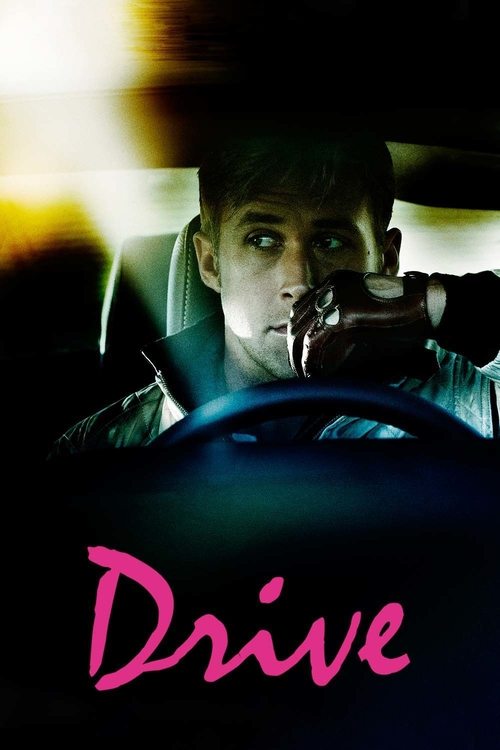
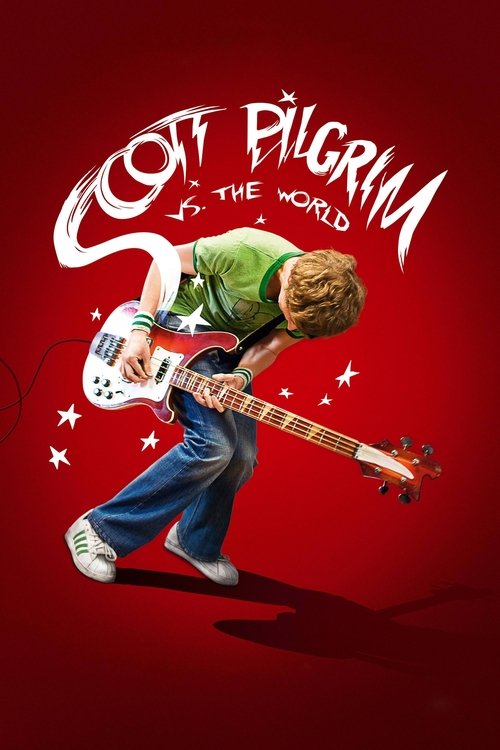


Screens That Pulse
TV series with Discovery's neon soul: synthetic soundscapes, nocturnal worlds

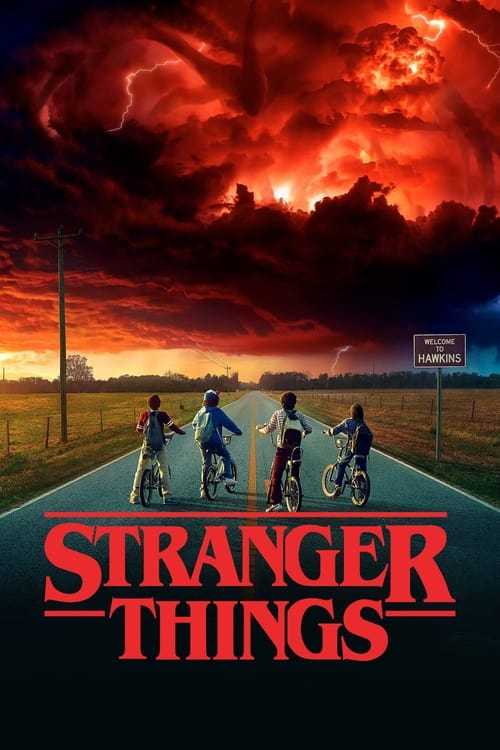


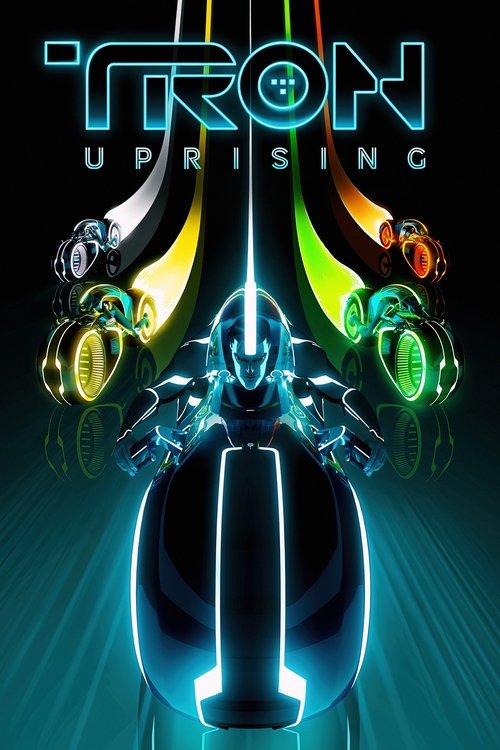
Music Documentaries Worth the Night
The real stories behind electronic music, funk, and the dancefloor



Games With the Same Electric Pulse
Games where the soundtrack is inseparable from the experience
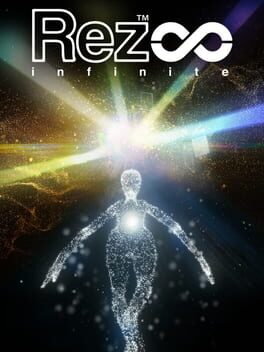
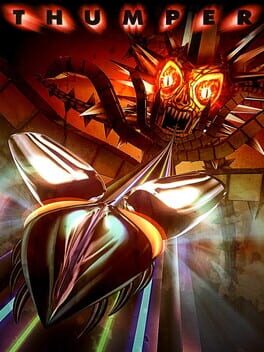


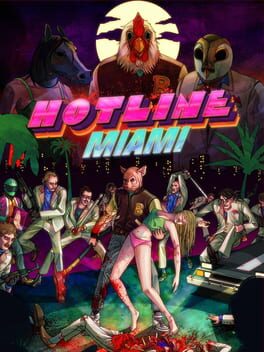
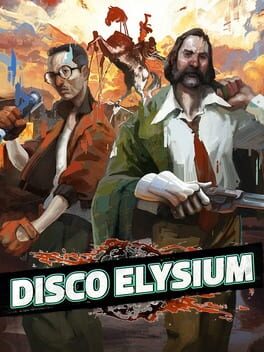
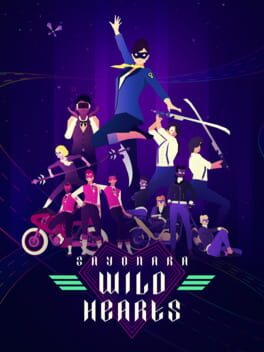
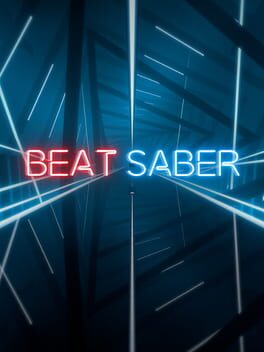
The Vocoder Was Never a Gimmick
Every era has a critic who dismisses the vocoder as cold, inhuman, a retreat from authentic expression. Discovery proved the opposite. "Harder, Better, Faster, Stronger" and "Something About Us" use the same processing device and land on completely opposite emotional registers. The technology was always in service of feeling. Daft Punk understood that the robot voice lets a listener project their own emotion onto the melody in a way an unprocessed human vocal sometimes forecloses.
Interstella 5555 Is Underrated Cinema
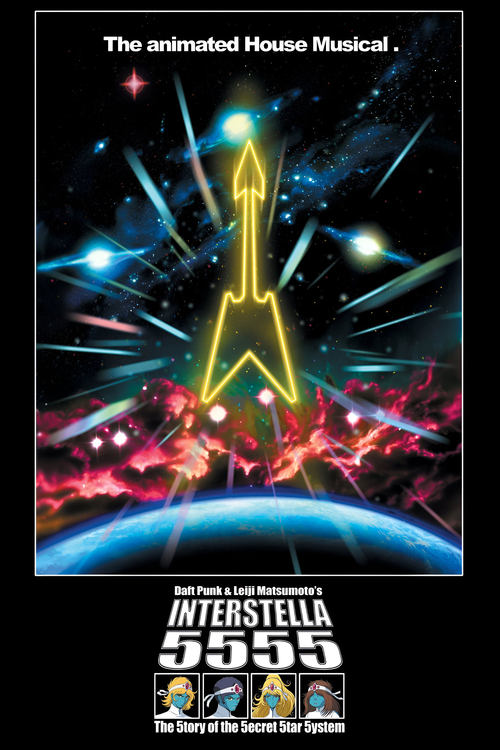
The film adaptation of Discovery is not a music video collection with connective tissue. Directed by Kazuhisa Takenouchi and produced in collaboration with Leiji Matsumoto, it is a complete 68-minute narrative with genuine visual storytelling, no dialogue, and Daft Punk's album as its only score. It belongs in any conversation about animation as a serious formal medium, not just as a curiosity for fans.
Random Access Memories Is the Better Album
This is a minority position that deserves to be said plainly. Discovery defined a generation and its energy is irreplaceable. But Random Access Memories is the more fully realized artistic statement: every production choice deliberate, every collaboration earned, Nile Rodgers and Giorgio Moroder present not as samples but as living participants. "Giorgio by Moroder" alone contains more ideas about music and time than most artists manage in a career.
From Bangalter's Bedroom to Silence
- 1987Thomas Bangalter and Guy-Manuel de Homem-Christo meet at school in Paris
- 1993Darlin' releases one single before disbanding; Guy-Man and Thomas continue as Daft Punk
- 1997Debut album arrives as a defining document of French house Homework
- 2001Discovery released in March; charted across Europe and built a global cult Discovery
- 2003Interstella 5555 premieres at Cannes; a full visual narrative set to Discovery Interstella 5555: The 5tory of the 5ecret 5tar 5ystem
- 2005Human After All released in six days, embraced for its rawness Human After All
- 2007Alive 2007 tour records the greatest live electronic show of its decade Alive 2007
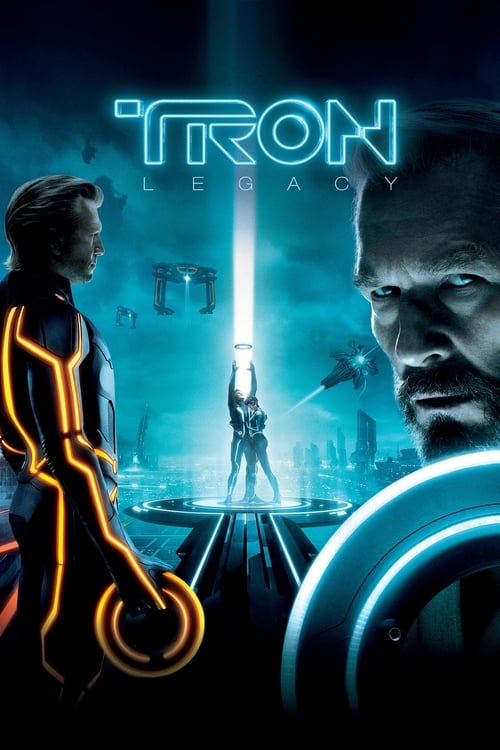
- 2010Tron: Legacy score cements the duo's film identity TRON: Legacy
- 2013Random Access Memories: analog instruments, living legends, a different kind of ambition Random Access Memories
- 2021Daft Punk announces split after 28 years, with no public statement beyond a film clip
We wanted to make music that sounded like it came from another planet but was made from things you already knew.Thomas Bangalter on Discovery