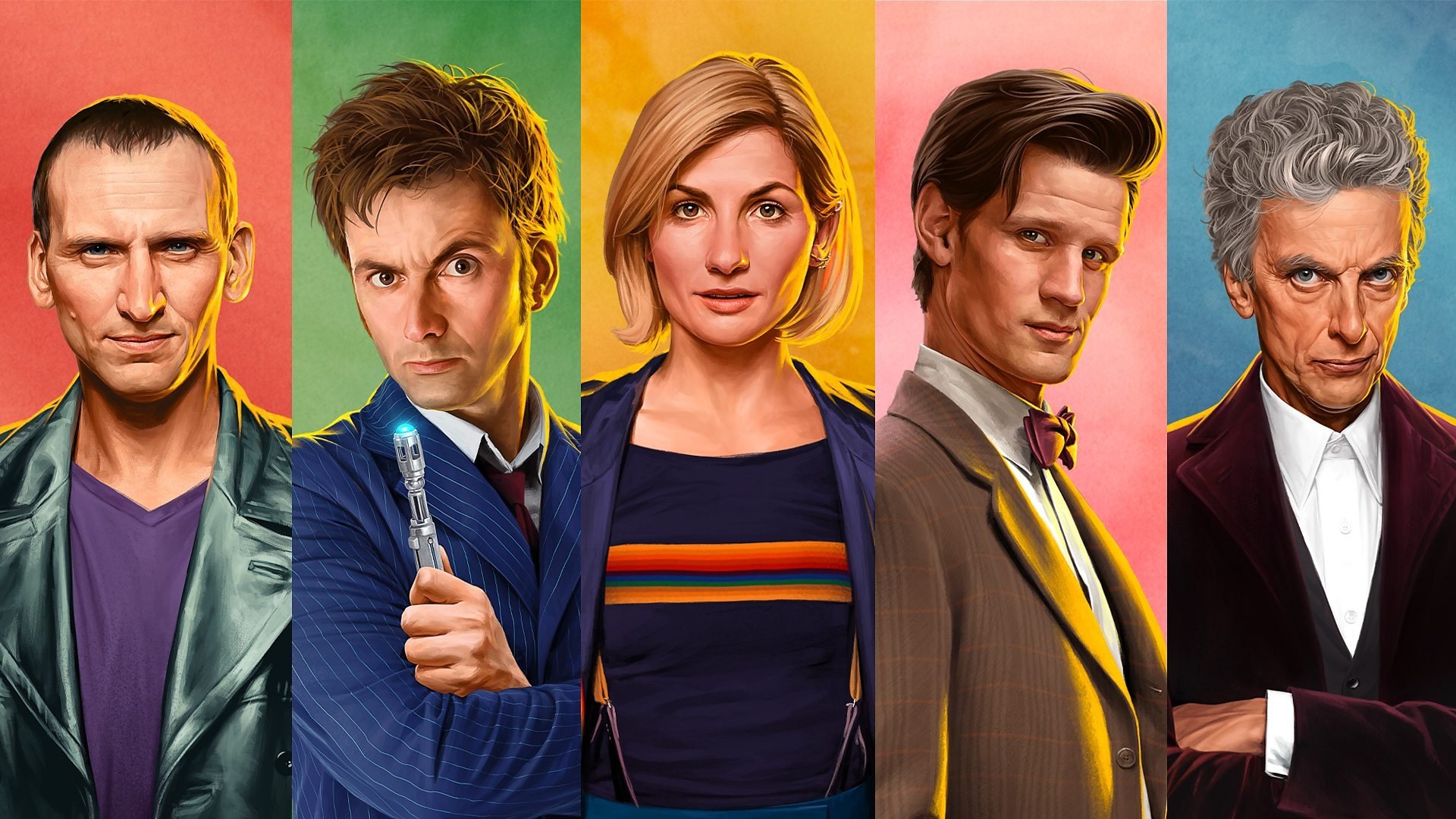

Doctor Who has run, in one form or another, since 1963, making it the longest-running science fiction series in television history. Thirteen (and counting) actors have played the Doctor, an alien Time Lord who travels through time and space in a blue police box called the TARDIS. What keeps fans returning is not just the monsters or the history lessons: it is the show's core conviction that curiosity is a virtue, that cleverness beats violence, and that a single person willing to help can change everything. The Doctor regenerates rather than dies, which means the series reinvents itself every few years while keeping its soul intact. If you love that soul, this guide points you toward everything else that carries it.
Essential Doctor Who
Where to start and what not to miss across six decades of television

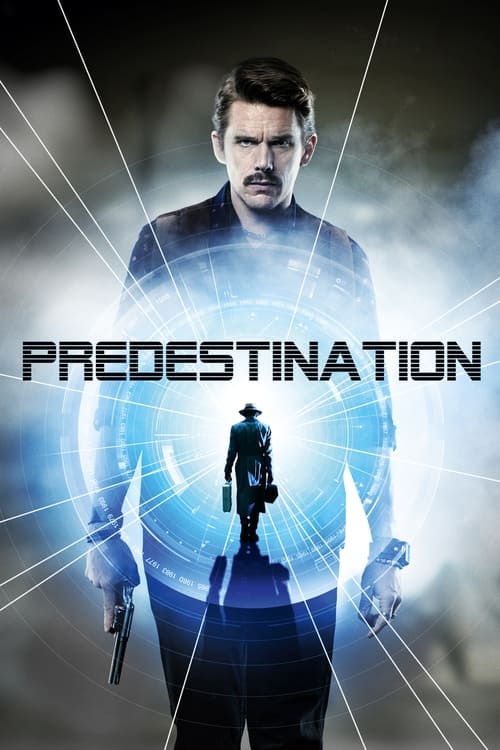
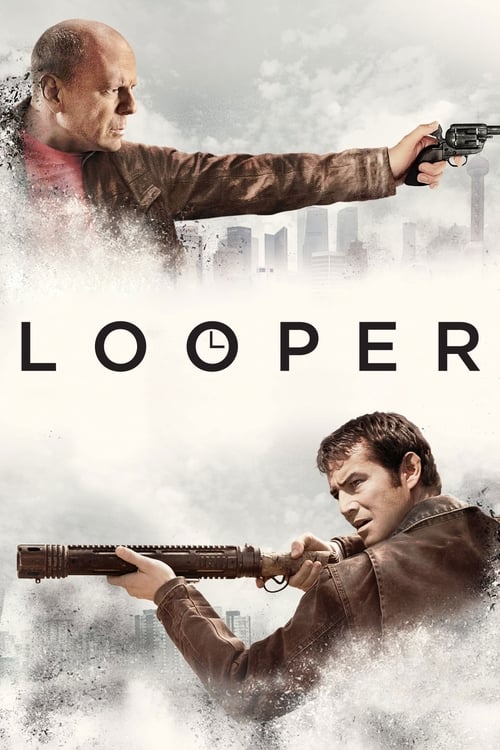
If You Love the Time-Travel Logic
Series that take temporal mechanics as seriously as the show does

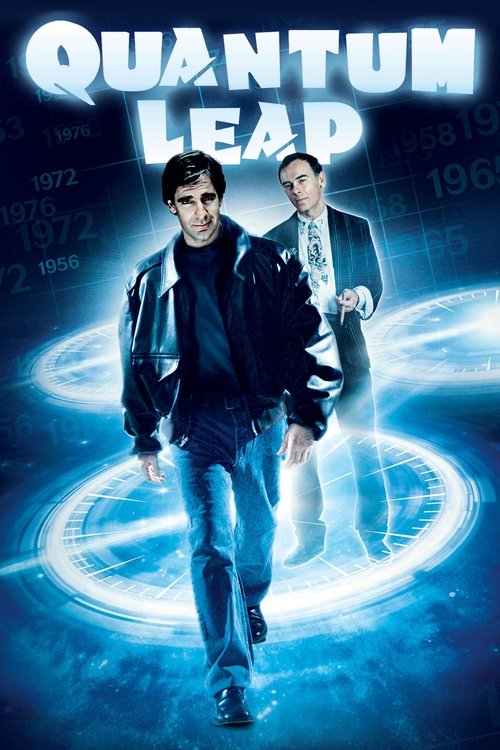

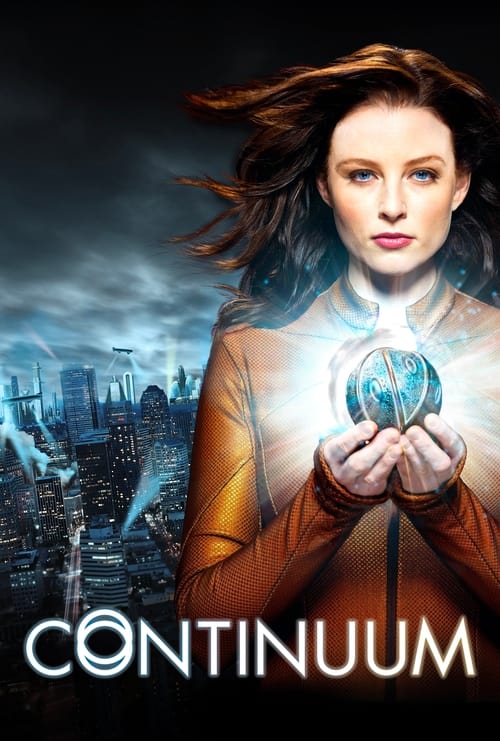
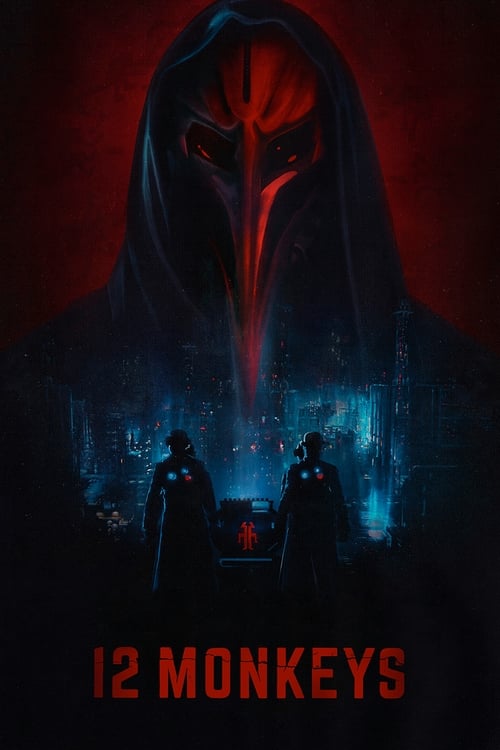
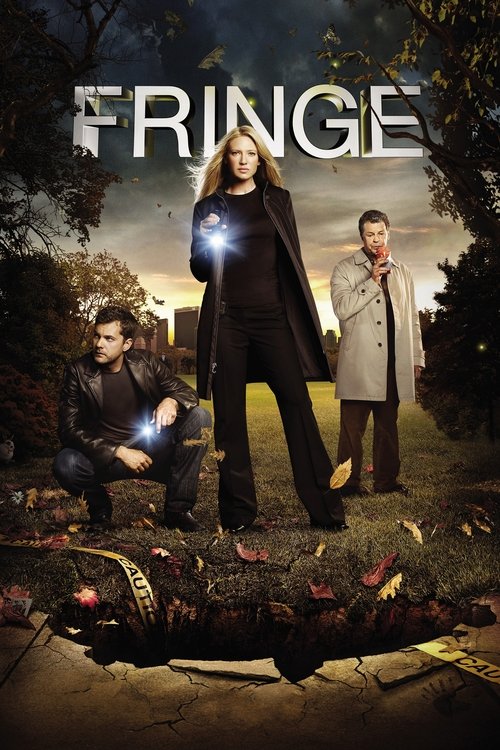


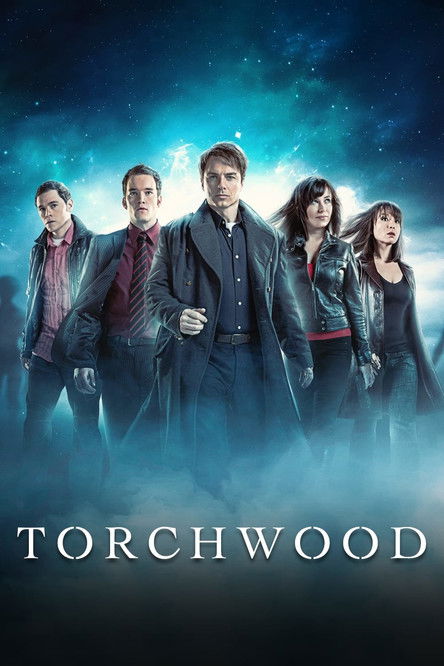
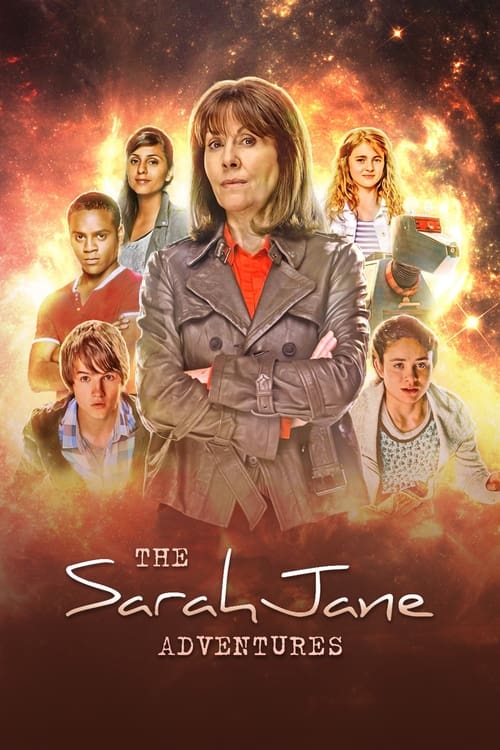
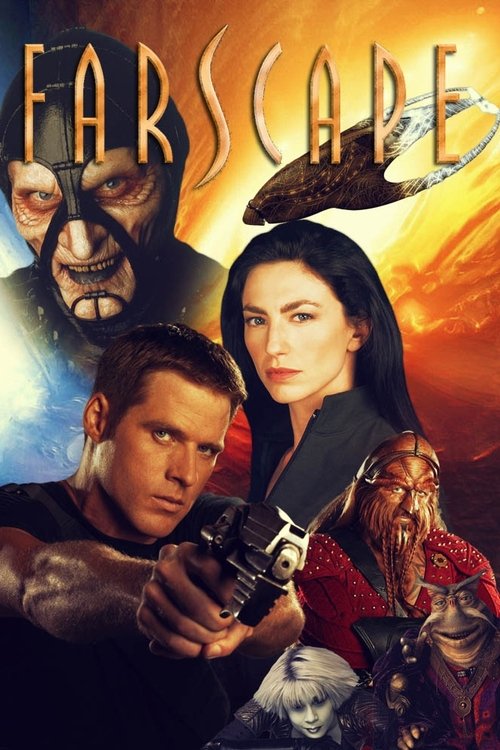
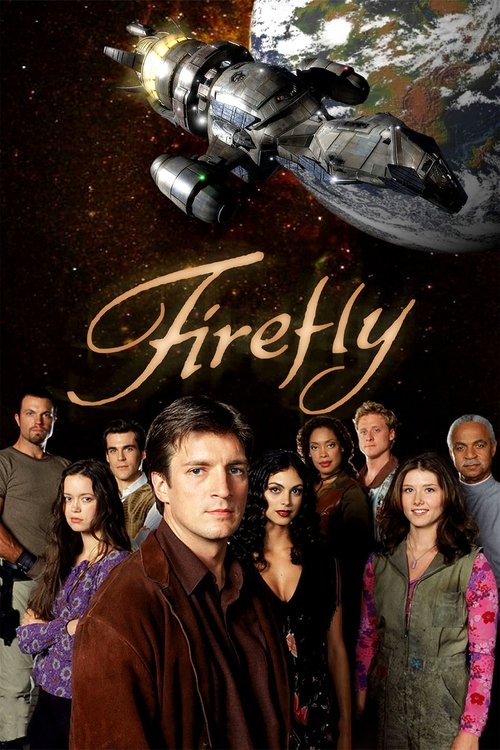
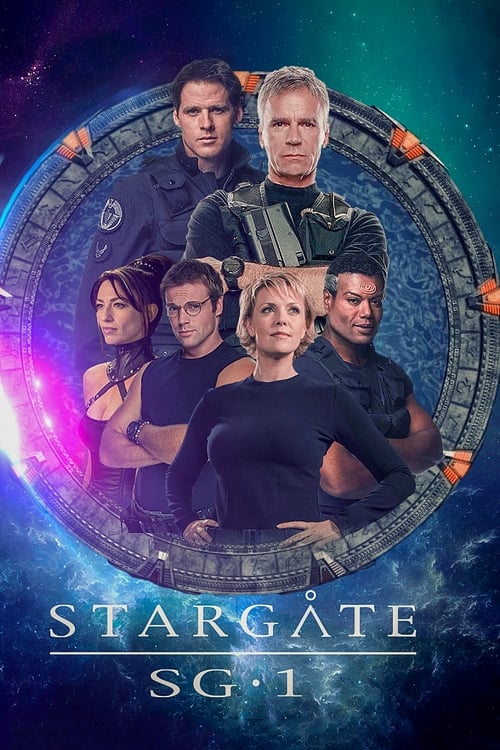
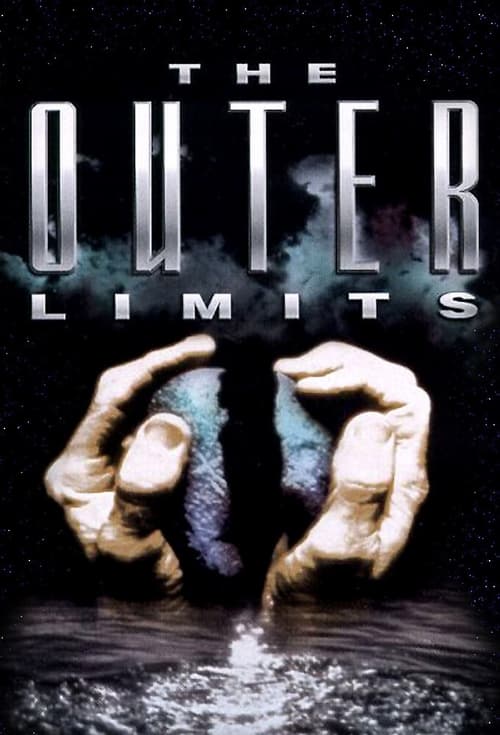
If You Love the Adventure-of-the-Week Format
British and American genre series built on wit, heart, and a new crisis every episode

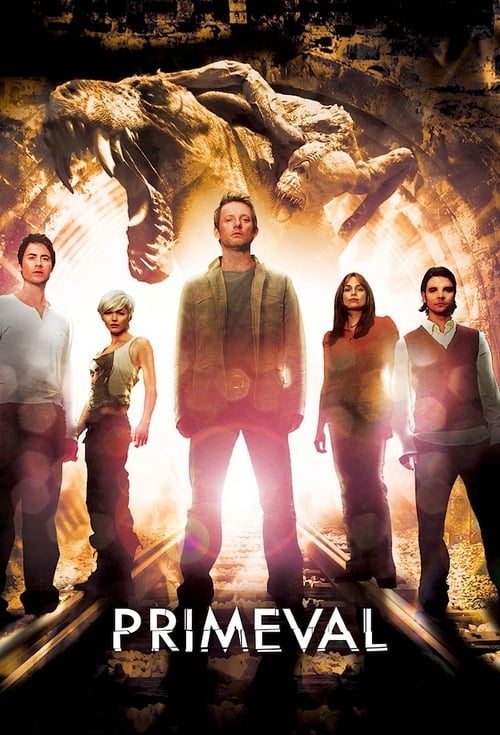
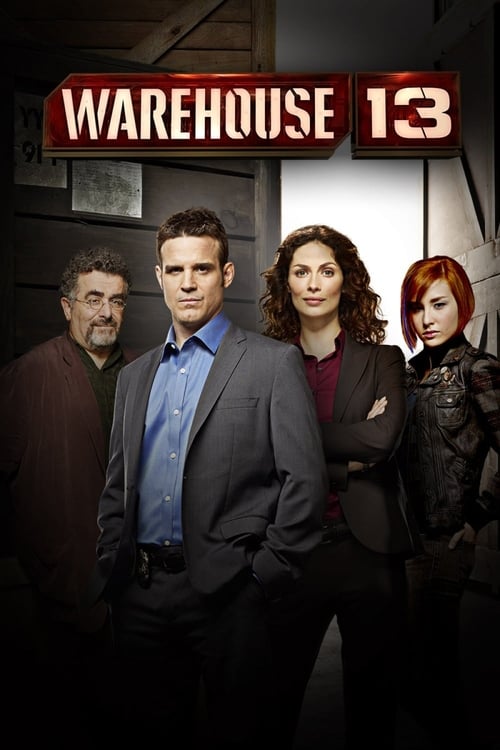
Books for the TARDIS Bookshelf
Novels that share the show's sense of wonder, impossible scale, or lonely-hero melancholy


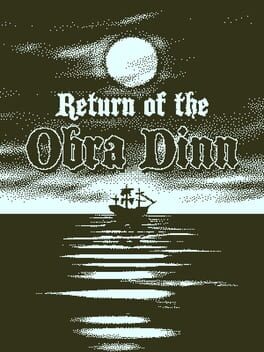
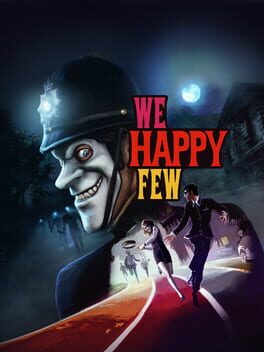
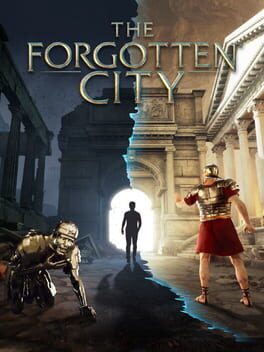
Games That Feel Like a Doctor Who Episode
Games built around exploration, clever solutions, and worlds stranger than they first appear
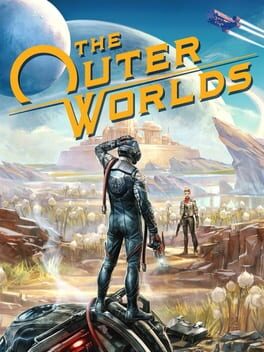
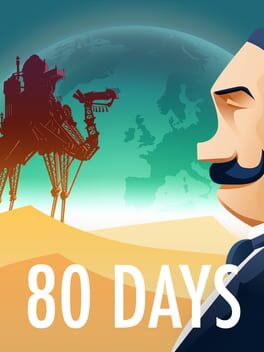


The Lonely God Problem
Doctor Who does something most science fiction avoids: it makes its hero's power a source of grief. The Doctor is almost immortal, almost omniscient about history, and almost always the cleverest person in the room, and the show insists those facts are tragedies as much as gifts. The companions are not sidekicks; they are the people who keep the Doctor anchored to what is worth saving. When they leave, the show makes you feel the loss. That tension between capability and loneliness is the engine underneath every episode, even the silly ones.
Why the British Telefantasy Tradition Matters
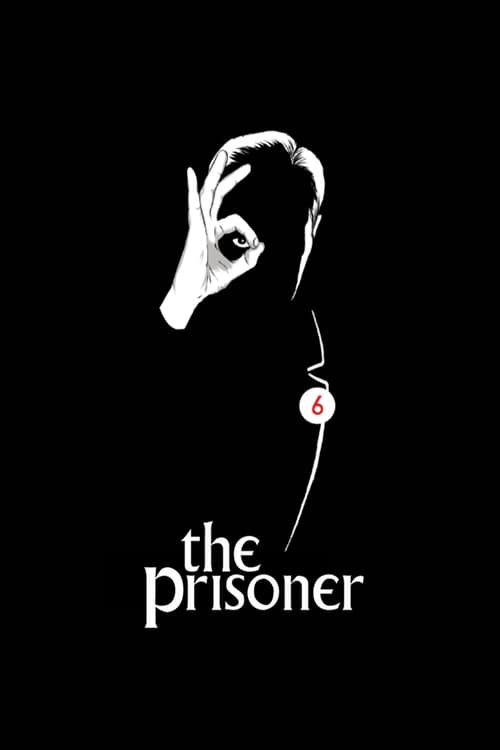
Doctor Who grew out of a very specific British tradition: the BBC Saturday tea-time serial, designed to be slightly too scary for children and slightly too strange for adults. That tradition produced a particular aesthetic, one where budget is irrelevant because the writing has to do the heavy lifting. The Quatermass serials, The Prisoner, and Blake's 7 all share that DNA. The best Doctor Who episodes are the ones that remember they come from this tradition, where a concept or a character has to carry the whole weight of a story that could not afford to blow anything up.

The Companion Is the Real Protagonist
One of the underrated structural choices of Doctor Who is that the companion, not the Doctor, is usually the audience surrogate and moral center. Rose Tyler, Donna Noble, Amy Pond, and Clara Oswald each had complete character arcs that could have sustained their own shows. The series is at its weakest when it forgets this and treats the companion as a camera mount. The companions who work best are the ones who push back, make the Doctor accountable, and carry a story of their own running alongside the time-travel plot.
Science Fiction as History Lesson
One thing the revived series handled well in its early years was using time travel as a way to make history visceral rather than academic. Visiting the Blitz in 'The Doctor Dances,' or the court of Queen Victoria, or the trenches of World War One gave the show a dimension most science fiction skips entirely. It reminded audiences that the past happened to real people, not to characters in a textbook. The same impulse runs through the best time-travel fiction in other media: the past is not a backdrop, it is a place with its own weight.

Sixty Years in the TARDIS
- 1963First broadcast: William Hartnell's Doctor meets schoolteachers in a junkyard
- 1966The Doctor regenerates for the first time, Patrick Troughton takes over
- 1975Tom Baker's era peaks with gothic horror stories under producer Philip Hinchcliffe
- 1989Classic series ends after 26 seasons
- 1996Paul McGann stars in a TV movie co-produced with Universal Pictures Doctor Who
- 2005Russell T Davies revives the series with Christopher Eccleston and Billie Piper Doctor Who
- 2007David Tennant and Freema Agyeman; Blink airs and redefines what the show can do
- 2010Steven Moffat takes over; Matt Smith arrives; the fairy-tale era begins
- 2013The Day of the Doctor airs for the 50th anniversary
- 2018Jodie Whittaker becomes the first woman to play the Doctor
- 2023Ncuti Gatwa cast; Disney+ becomes co-producer for international distribution
Time travel and the wider cosmos
Time Travel
Explore the Time Travel guide →Never cruel, never cowardly. Never give up, never give in.The Doctor's oath, Doctor Who