

Donna Tartt publishes rarely and deliberately: three novels in three decades, each one a controlled detonation. What her readers come for is a specific intoxication: gorgeous, unhurried sentences that make you feel the weight of a winter coat or the particular silence of a college library at midnight, wrapped around stories where a terrible act casts a shadow over every page that follows. Her protagonists are outsiders who fall in love with an elite world and pay for the entry fee with their conscience. The lush surface and the moral rot underneath are the whole point.
The Dark Academy Shelf
Books that share the closed, hothouse intensity of elite institutions and secrets kept too long


Art, Obsession, and the Weight of Beautiful Things
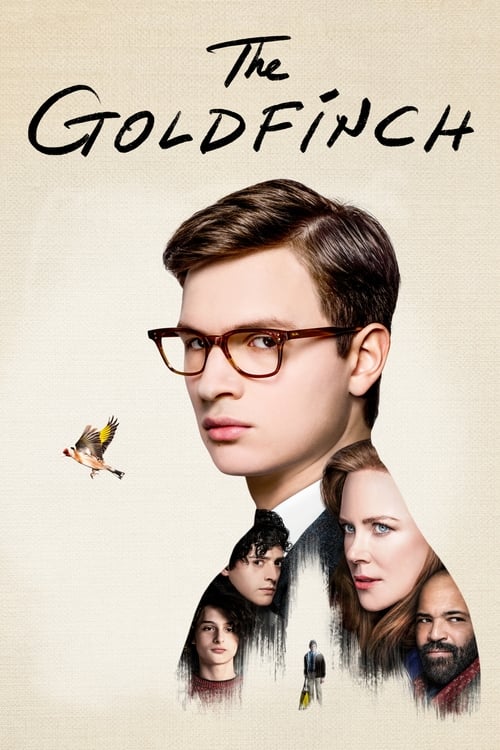
Films and series for readers who loved The Goldfinch's meditation on grief and stolen beauty



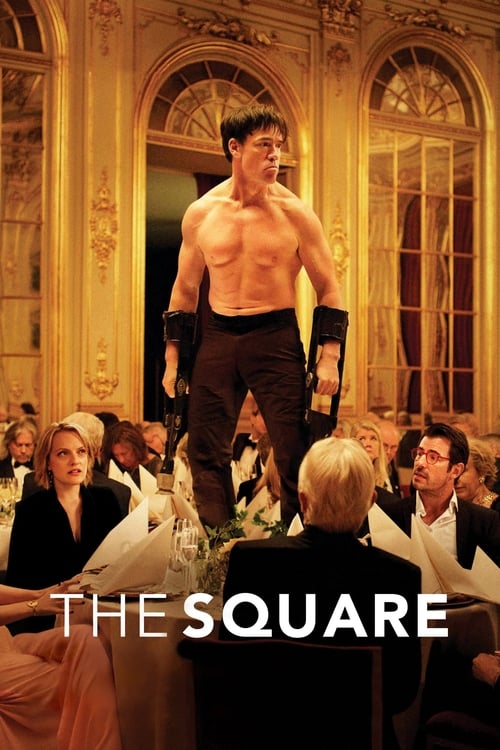
Moral Crimes and Slow Reckoning on Screen
Films and series where a group keeps a secret and the keeping of it corrodes everything
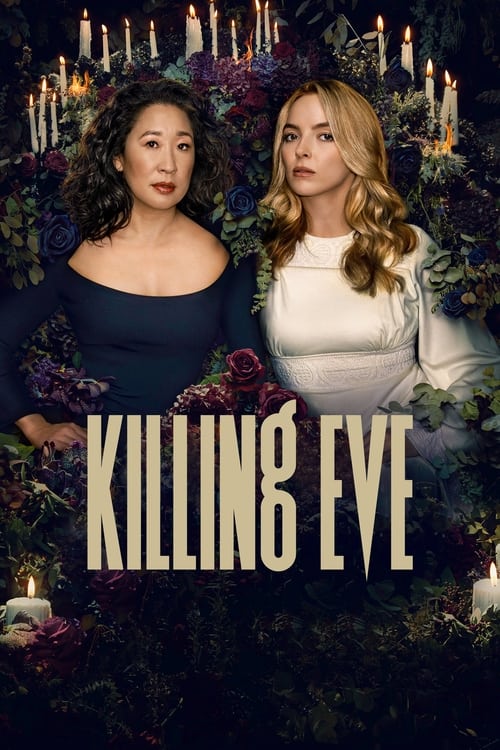


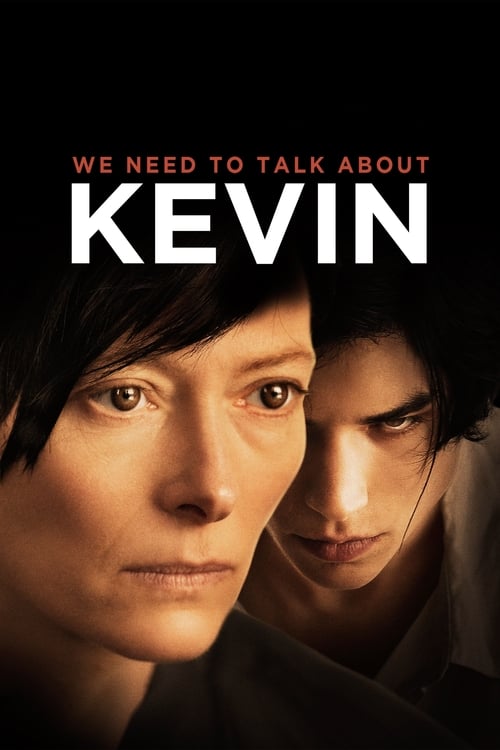



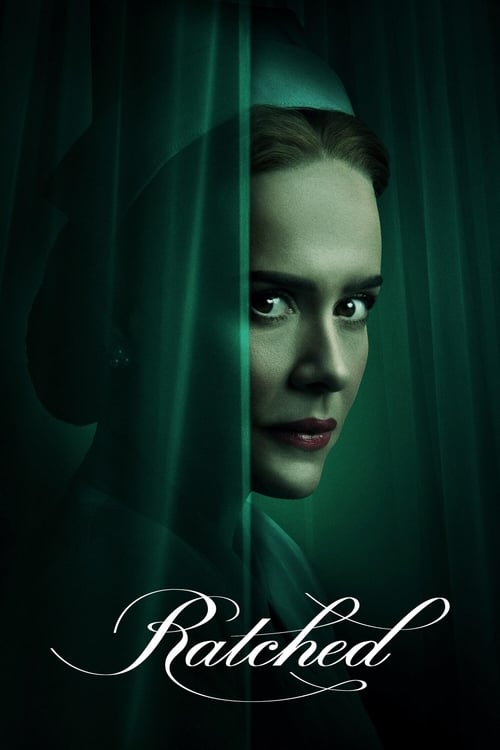
Southern Gothic and Deep-South Dread
Fiction rooted in the same swampy, grief-haunted Southern landscape as The Little Friend




Games for the Obsessive Reader
Games built on atmosphere, slow revelation, and the pleasure of inhabiting a fully realized world



The Secret History Invented Dark Academia
Before there was a genre label for it, Donna Tartt wrote the book that every dark-academia novel since has been in conversation with. The Secret History opens by telling you the murder happened, then spends 500 pages on the why. The genius is that the reader becomes complicit, seduced by the same beauty that seduced Richard Papen: the Greek, the snow, the sense of being chosen. By the end, you understand exactly how it happened, and the understanding is not comfortable.

The Goldfinch Is a Novel About Survival Through Objects
The Goldfinch won the Pulitzer but divided critics who found it too long, too Dickensian, too determined to follow its orphaned protagonist across decades and continents. Those readers missed the point. The length is the argument: grief does not resolve on a reasonable schedule. The painting, Fabritius's actual Goldfinch, is not a symbol so much as an anchor, the one fixed point in a life that keeps dissolving. Tartt's novel is a defense of beauty as a survival strategy.
Tartt's Real Peer Is Nabokov, Not Her Contemporaries
The comparisons reviewers reach for (Dickens, Fitzgerald) are understandable but the more useful one is Nabokov: the same intoxicating surface that carries a moral undertow, the same sense that the narrator is unreliable not through deception but through enchantment. Tartt's prose style demands that you read slowly, that you read aloud sometimes, that you trust the length. Her novels resist the contemporary pressure to get to the point.

The Little Friend Is the Underrated One
Tartt's second novel arrived ten years after The Secret History and disappointed readers who expected the same campus intensity. It is a different and in some ways braver book: a Mississippi summer, a child's obsessive quest to solve her brother's unsolved murder, and an ending that refuses the tidy resolution crime fiction usually promises. Harriet Cleve Dufresnes is one of the sharpest child protagonists in American fiction, and the novel's portrait of a family undone by a single terrible day is quietly devastating.
Donna Tartt: Three Novels, Thirty Years
- 1992The Secret History published. Tartt had been working on it since her undergraduate years at Bennington College. Secret History
- 2002The Little Friend arrives after a decade of silence. Critics are divided; Tartt begins her longest silence.
- 2013The Goldfinch published. Wins the Pulitzer Prize for Fiction in 2014.
- 2019Film adaptation of The Goldfinch released, directed by John Crowley, starring Ansel Elgort and Nicole Kidman. The Goldfinch
Beauty, guilt, and buried pasts
Dark Academia
Explore the Dark Academia guide →Beauty is rarely soft or consolatory. Quite the contrary. Genuine beauty is always quite alarming.Donna Tartt, The Secret History