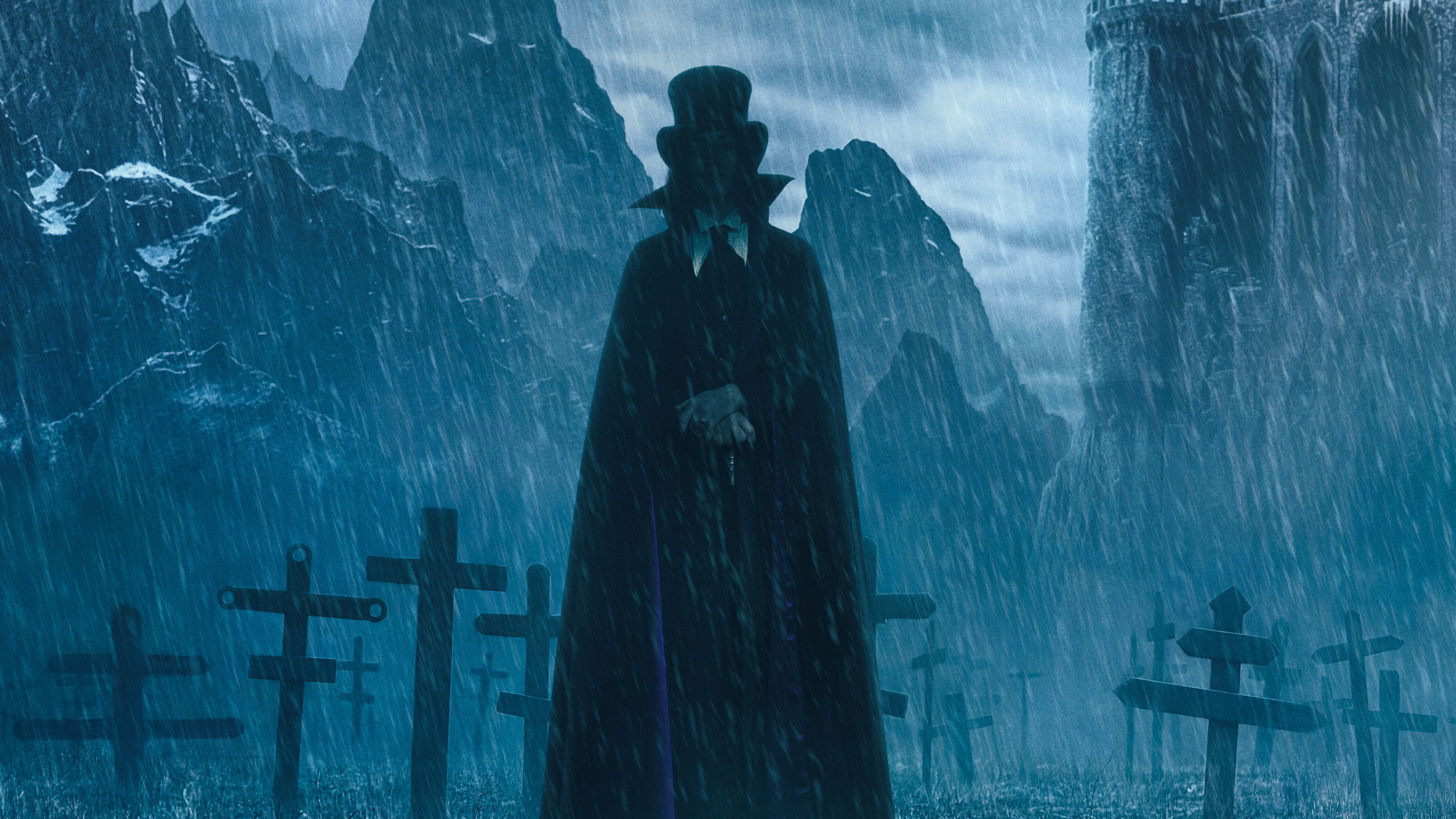

Dracula is not a monster story. It is a story about desire, transgression, and the terror of something older and more patient than civilization itself. Bram Stoker's 1897 novel gave us a villain who is also a seducer, an aristocrat rotting from within his own castle, and a force that exposes the repressed hungers of every character who crosses his path. What fans of Dracula keep chasing across films, games, books, and music is that specific combination: Gothic atmosphere so thick you can feel the cold stone; a predator who makes victimhood feel ambiguous; and the slow, creeping dread that comes from realizing the danger was invited in. Whether you first met the Count through Nosferatu's shadow on a staircase, Coppola's operatic tragedy, or the BBC's sharp revisionist series, you are looking for the same thing: horror that gets under the skin and stays there.
Essential Dracula
The Count on screen and page, from the definitive original to the boldest reinventions



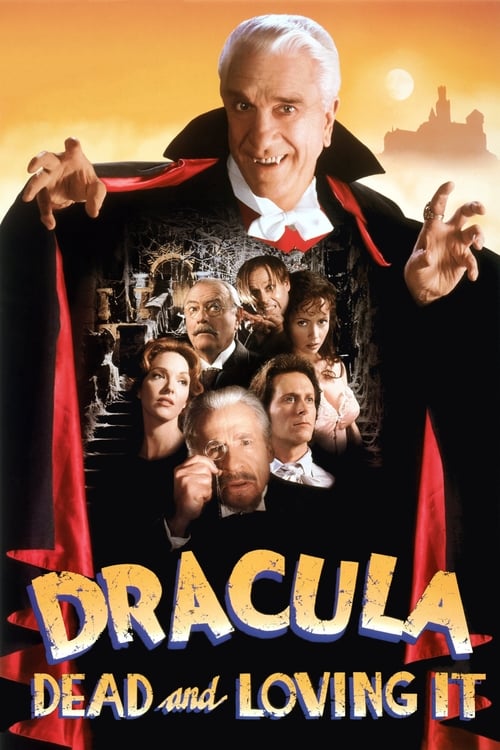

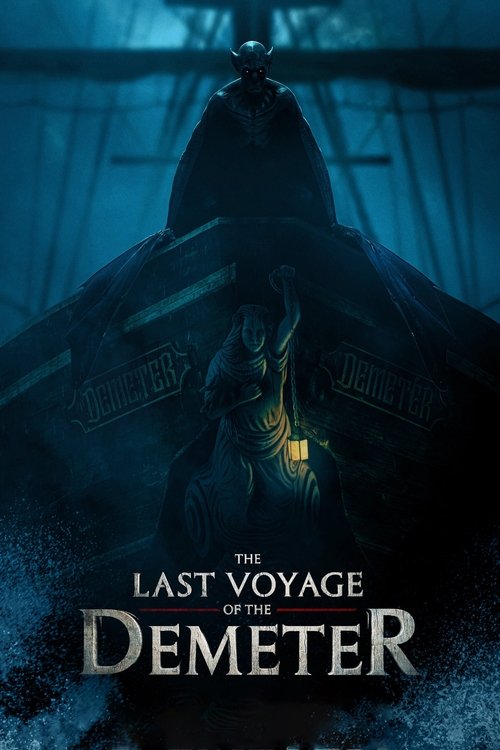
Gothic Horror on Film
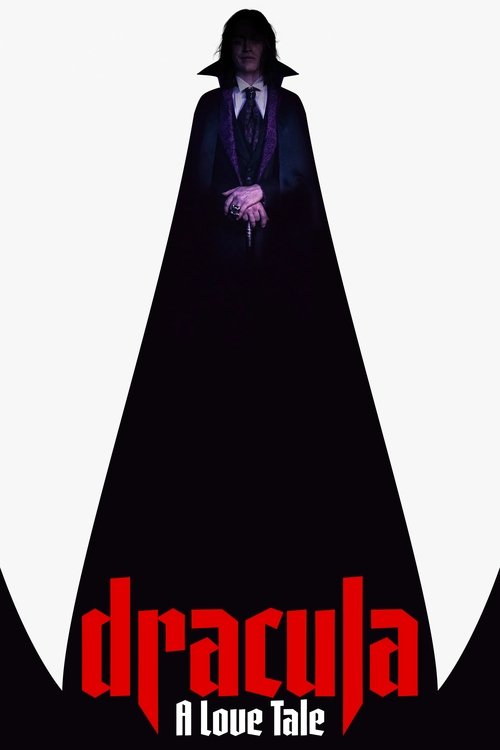
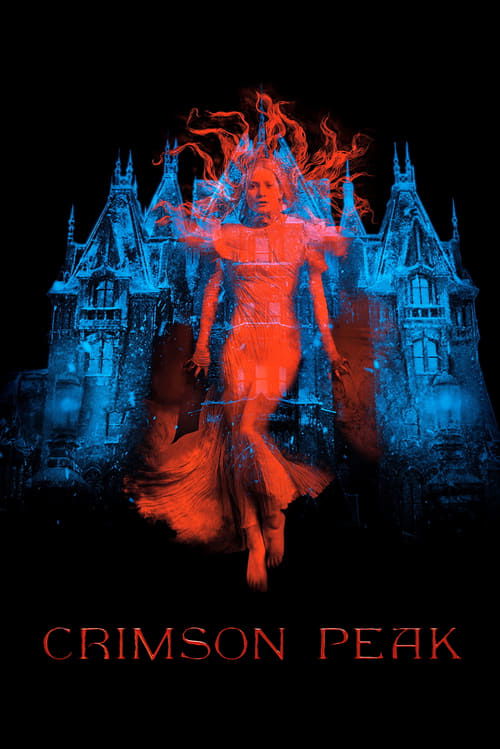
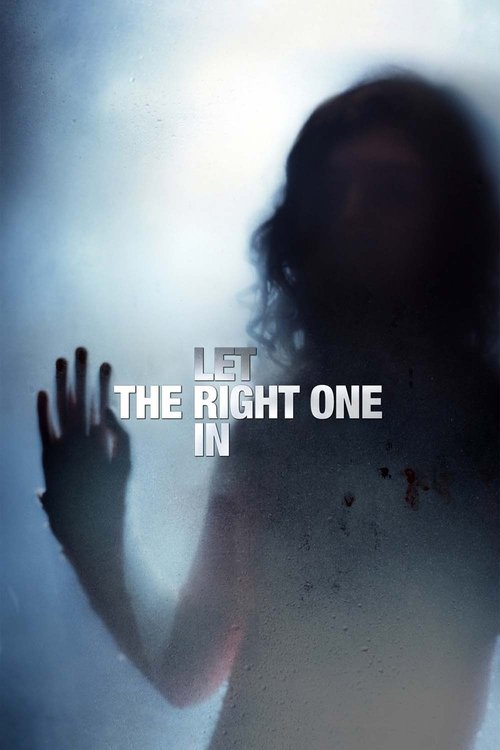
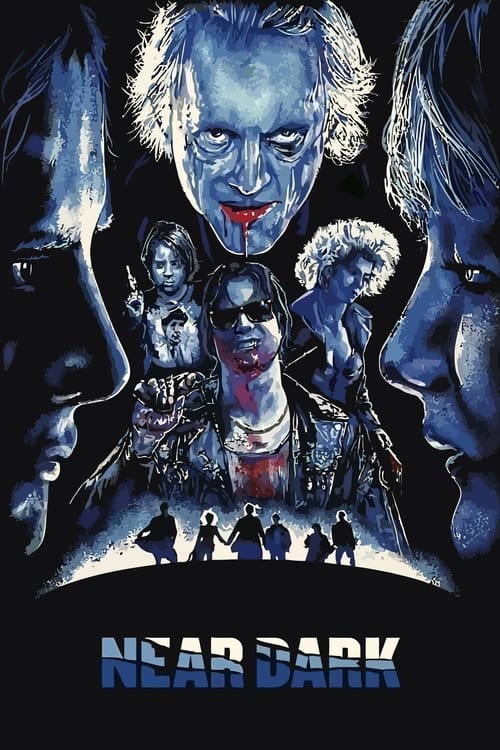
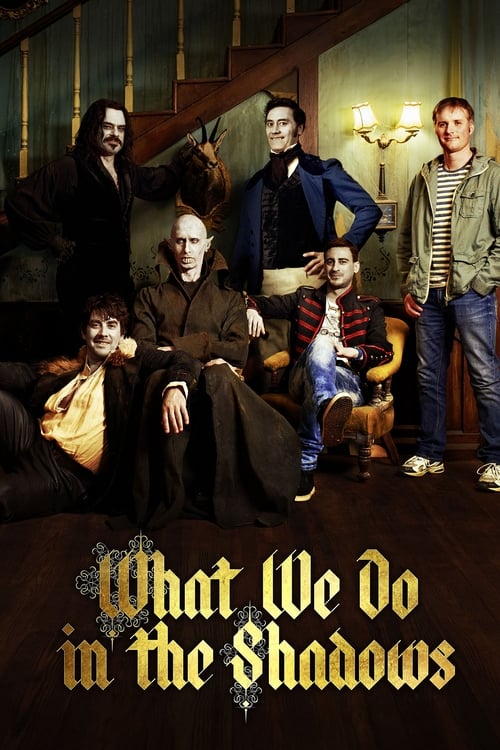
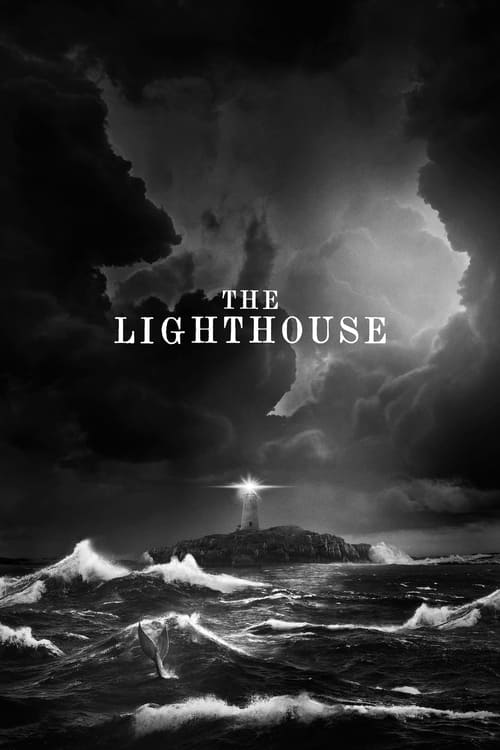
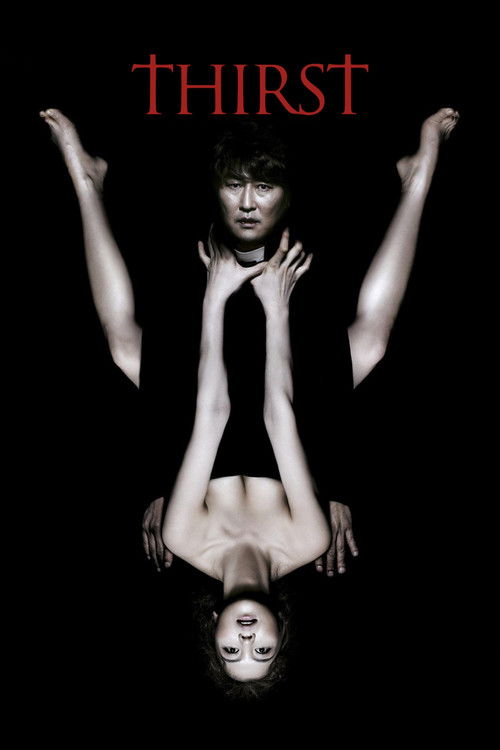
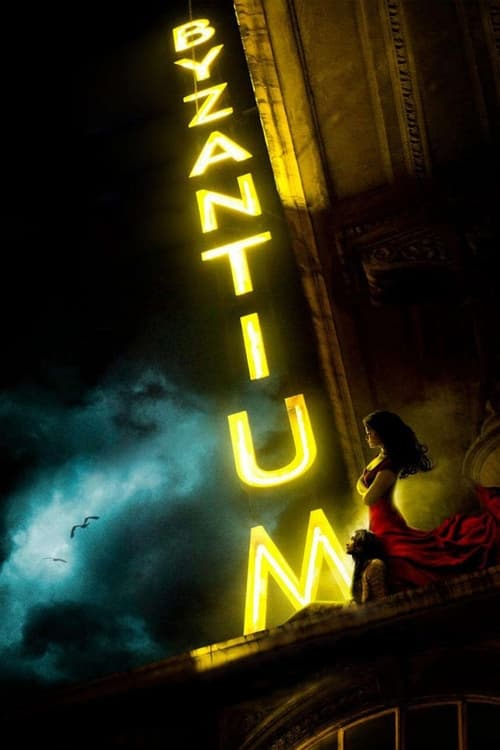
Films that share Dracula's atmosphere: crumbling aristocracy, supernatural dread, and desire as danger
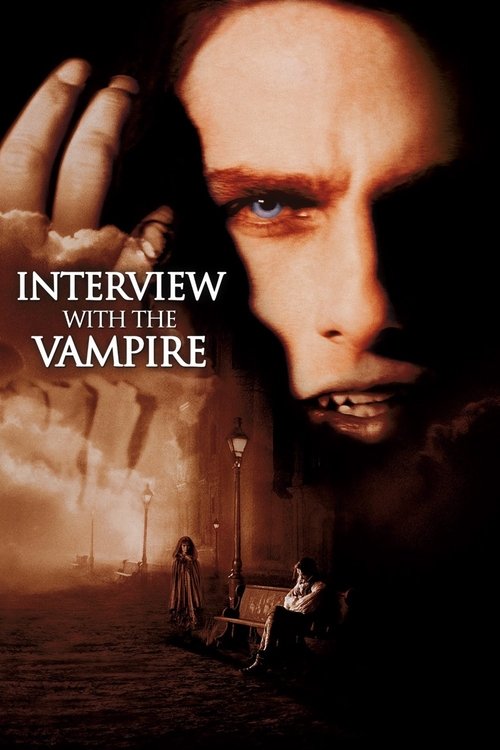
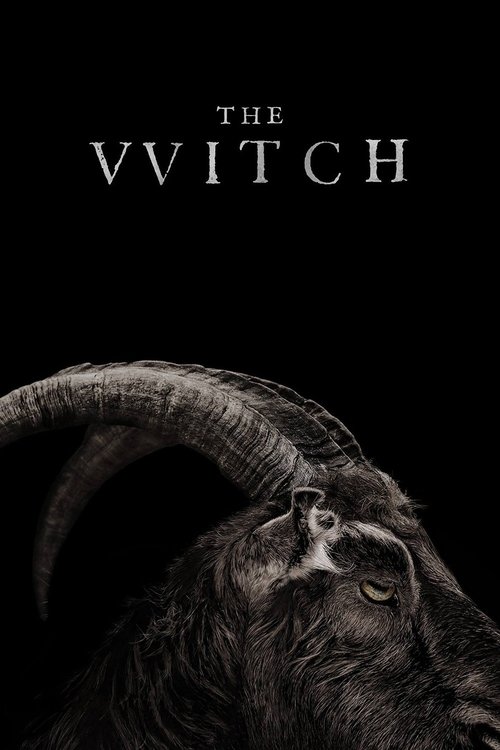



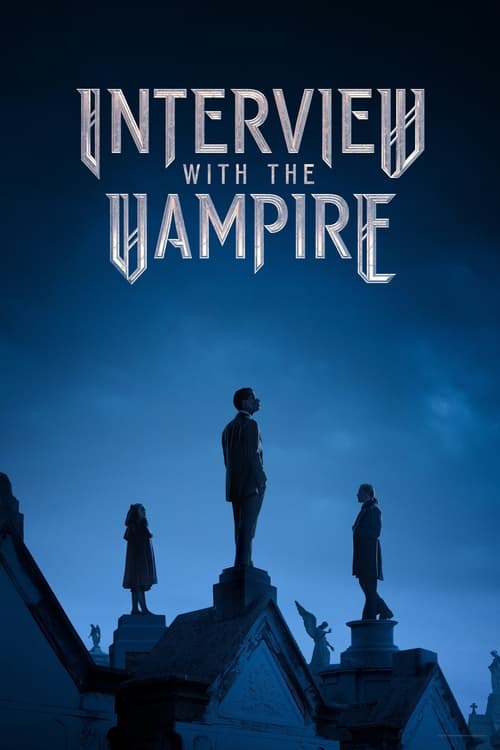
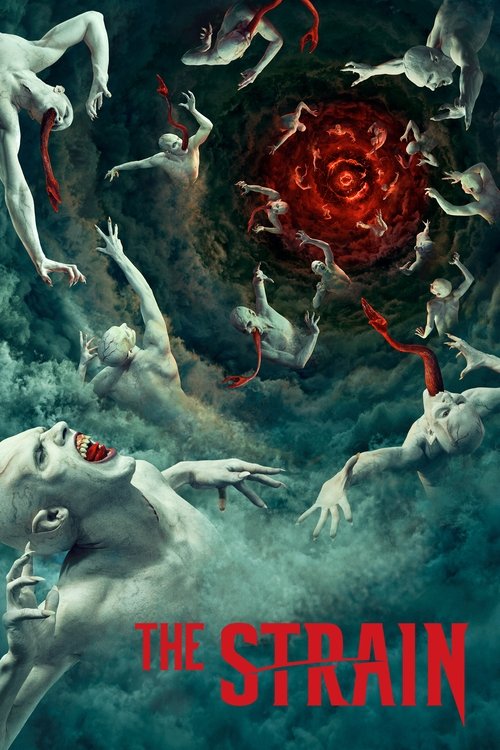
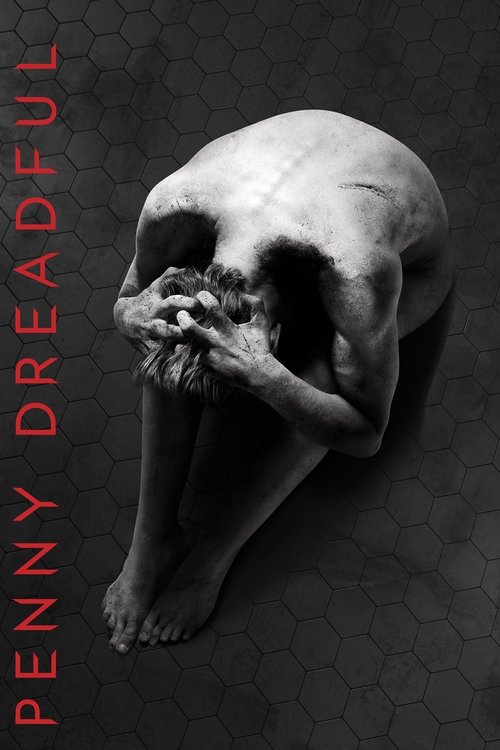
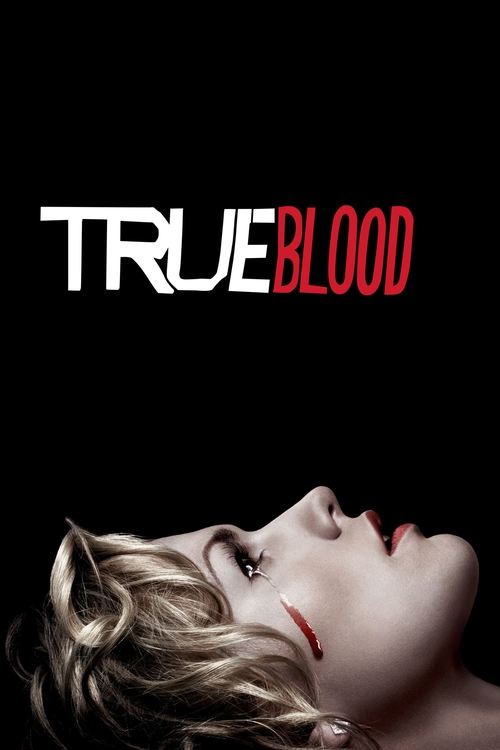
Vampire TV Worth Your Neck
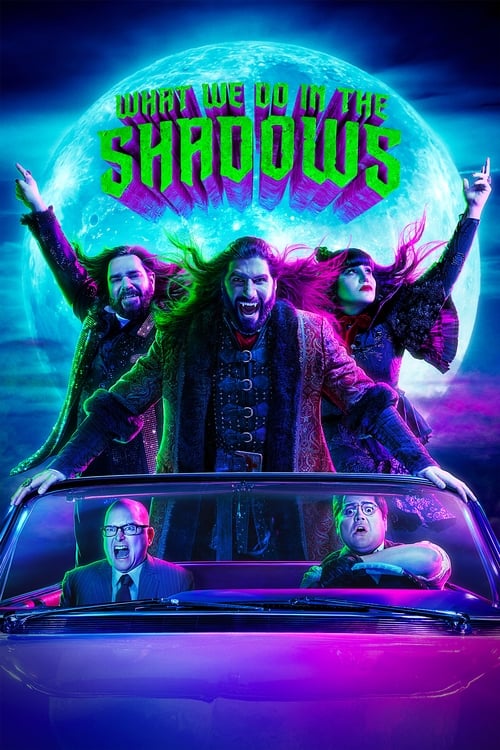
Series that take the vampire seriously as a mirror for power, grief, and what it costs to survive centuries

Gothic and Vampire Literature
Novels and stories that share Dracula's bloodline: Victorian unease, the undead, and horror rooted in place and history


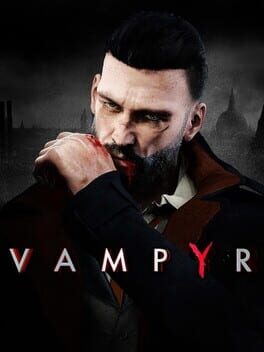
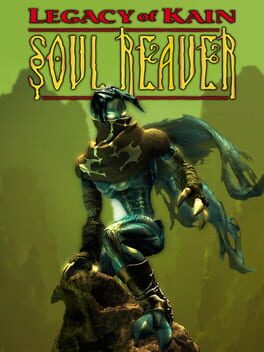
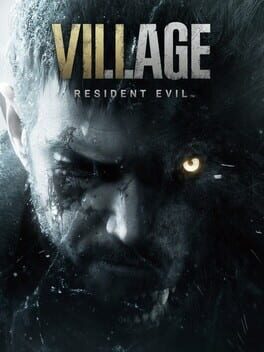
Gothic Horror in Games
Games that capture the castle, the night, and the cost of confronting immortal evil
Coppola's version is still the most complete adaptation
Francis Ford Coppola's 1992 Bram Stoker's Dracula is frequently mocked for Keanu Reeves's accent, but no other film adaptation gets so many things right at once: the tragic origin, the love-across-centuries premise, the lush over-the-top visual language that mirrors the novel's Victorian excess. Gary Oldman plays the Count as something genuinely pitiable, which makes him more frightening, not less. It is messy and operatic and absolutely correct about what the book is actually doing.
The novel is epistolary horror at its most controlled
Stoker's 1897 novel works through letters, diary entries, and newspaper clippings, never giving the reader a direct line to Dracula's perspective. That distance is the horror. The Count is assembled entirely from other people's terror and fascination, which is precisely why he never loses his power on the page. The structure feels modern because it is essentially social-media horror: a cascade of unreliable first-person accounts converging on something none of them can fully see.
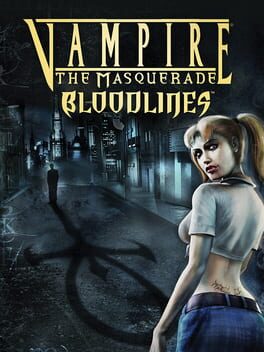
Vampire: The Masquerade is the most successful transmedia expansion of Dracula's world
White Wolf's tabletop RPG and its digital offspring (most critically Bloodlines) took Stoker's premise, stripped away the Gothic romance, and asked what vampire society actually looks like as a political structure. The answer is brutal: factions, territory, the Masquerade as a survival contract. Bloodlines remains the best video game about being a vampire precisely because it treats immortality as a curse rather than a fantasy. It is very dark and very funny and it owes everything to Stoker.
The BBC series proved Dracula still has unexplored angles
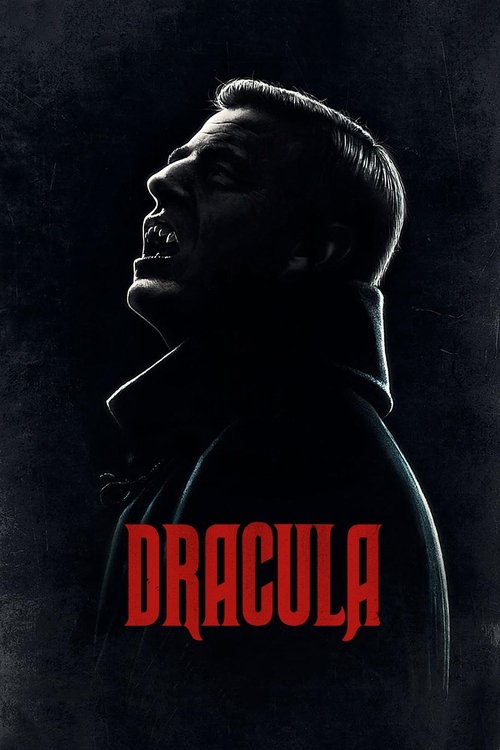
The 2020 BBC/Netflix Dracula miniseries from the Sherlock writers (Moffat and Gatiss) opens with the most frightening version of the Count in decades, a creature of pure predatory intelligence, and then makes the bold structural choice to collapse the Victorian setting entirely by the third episode. Audiences were divided, but that division proves the point: there is still no consensus on what Dracula is, which is why adaptations keep coming.
Dracula Through the Centuries
- 1819John Polidori publishes the first modern vampire story, establishing the aristocratic undead The Vampyre
- 1872Sheridan Le Fanu's Carmilla introduces the female vampire and prefigures Stoker's themes of transgression Carmilla
- 1897Bram Stoker publishes Dracula, assembling every vampire tradition into the definitive text Dracula
- 1922Murnau's Nosferatu becomes the first and most haunting screen adaptation, Count Orlok replacing the Count Nosferatu
- 1931Universal's Dracula with Bela Lugosi defines the cinematic vampire for a generation Dracula
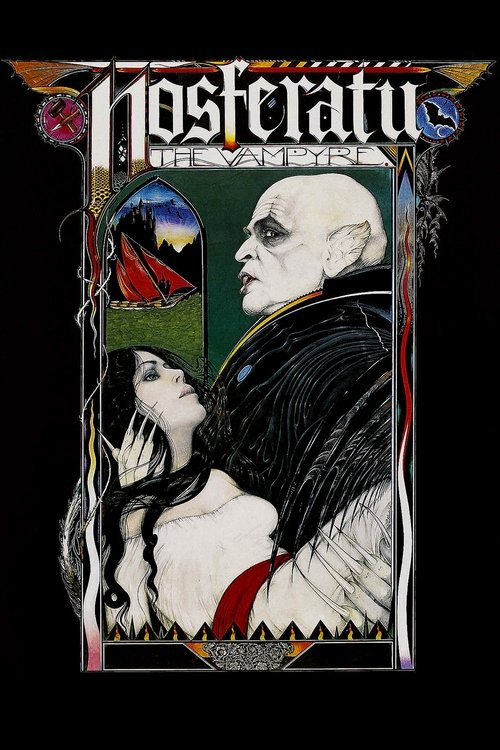
- 1979Werner Herzog's Nosferatu the Vampyre reimagines Murnau as a meditation on death and loneliness Nosferatu the Vampyre
- 1987White Wolf releases Vampire: The Masquerade, transposing Gothic horror into a modern political RPG Vampire: The Masquerade - Bloodlines
- 1992Coppola's operatic adaptation restores the love story at the novel's heart Bram Stoker's Dracula
- 1997Castlevania: Symphony of the Night redefines action-RPG around the Dracula mythology Castlevania: Symphony of the Night
- 2005Bloodlines arrives as the most psychologically complex vampire video game ever made Vampire: The Masquerade - Bloodlines
- 2017Netflix's Castlevania animated series brings the mythology to a new generation with serious craft Castlevania
- 2020The BBC/Netflix Dracula miniseries deconstructs the myth with wit and genuine menace Dracula
We are in Transylvania, and Transylvania is not England.Bram Stoker, Dracula (1897)