
Drum and bass is velocity compressed into music. Born from the UK rave scene's jungle mutation in the early 1990s, it built its sound on a simple but radical premise: breakbeats chopped and accelerated to 160-180 BPM over bass frequencies that move the chest before the ears register them. Goldie, LTJ Bukem, Roni Size, Andy C, Bad Boy Smith, Dillinja, Optical: these producers mapped out a genre that could swing from euphoric liquid soul to abrasive neurofunk to cinematic orchestral science. The obsession those names share is architecture. Every element earns its place in a mix designed to hit hard at volume, in a dark room, surrounded by other people who feel it the same way.
Essential Drum and Bass
The albums and mixes that define the genre's peaks
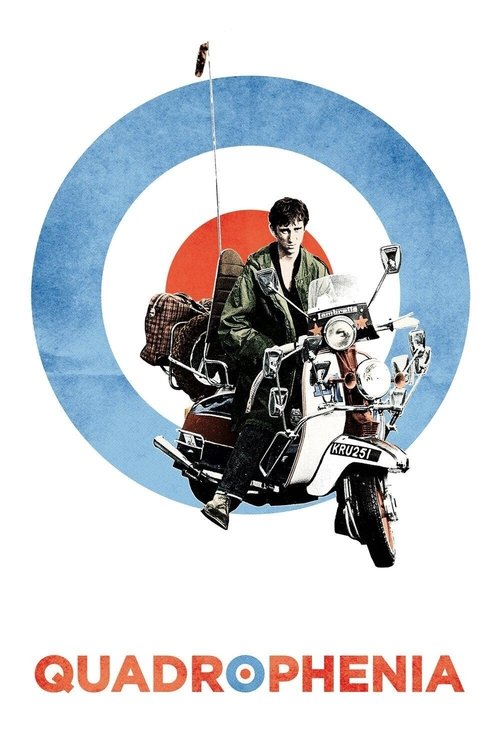
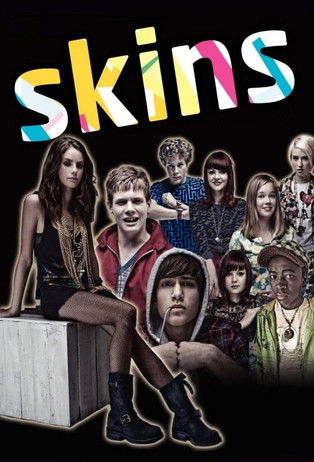
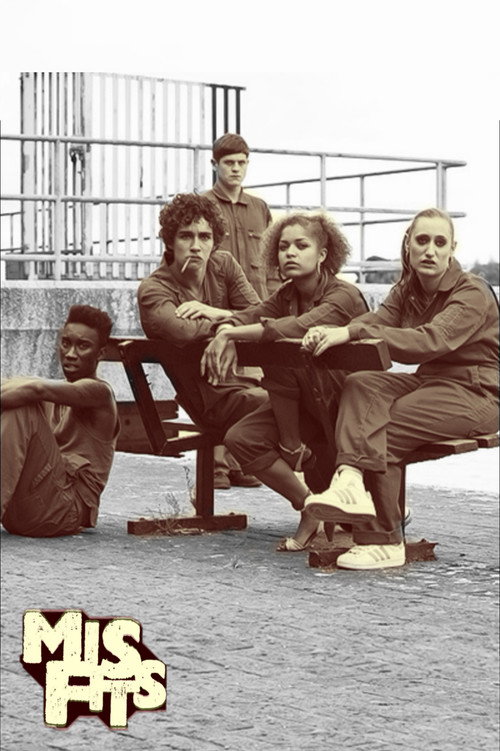
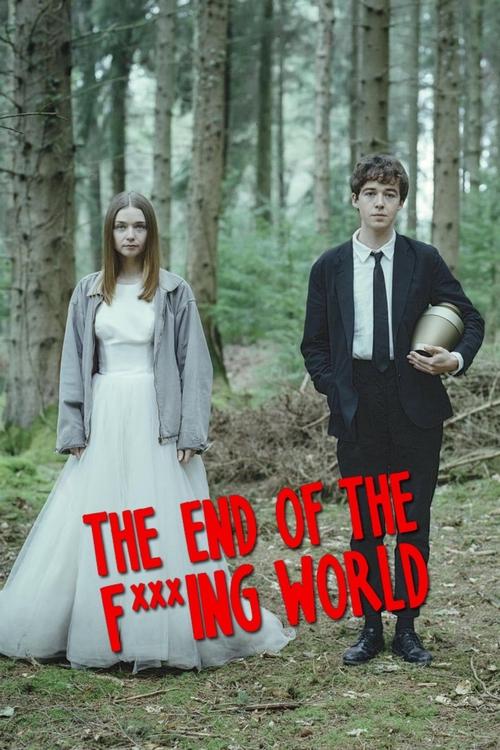
Same Frequency: Films and Series with the Energy
Cinema that shares drum and bass's velocity, urban tension, and nocturnal charge


Rhythm as Weapon: Music Games
Games built around the physical pleasure of beat and bass






Pages that Pulse: Music-Driven Novels
Books that live in the same urban, sonic, late-night world


Goldie's Timeless Was an Album That Shouldn't Have Worked
A double album from a jungle producer at the peak of a singles-driven scene, released in 1995, anchored by a 21-minute centrepiece track. Every rule said it would fail. Instead, Timeless became one of the most celebrated electronic albums of the decade. Goldie understood something other producers did not: drum and bass could hold a listener for the long form if the emotional arc was there. The orchestral sweeps, the pitched vocal samples, the tension held across side-length compositions, all of it proved the genre had range beyond the dancefloor. No album before or since has made the same argument as convincingly.
WipEout and Drum and Bass Were Built for Each Other
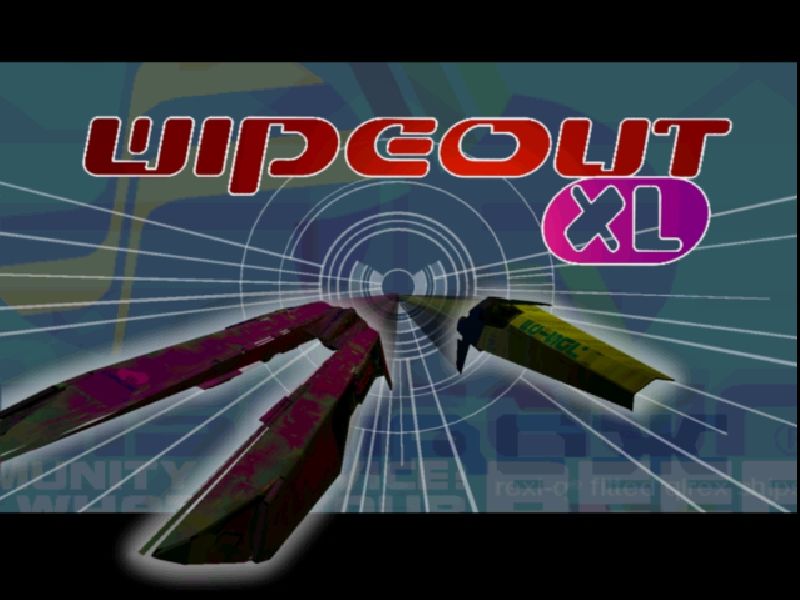
When Psygnosis licensed tracks from Leftfield, Orbital, and the Prodigy for the original WipEout in 1995, something clicked into place. Speed as theme, speed as soundtrack. By WipEout 2097, the pairing with Photek, Underworld, and The Chemical Brothers made the soundtrack inseparable from the game's identity. The franchise effectively introduced a generation of console players to the drum and bass and breakbeat world, making the music feel native to a visual language of velocity and gleaming surfaces. That relationship has never really been replicated anywhere else in gaming.
Roni Size Winning the Mercury Prize Changed What Drum and Bass Could Be
New Forms, the 1997 double album from Roni Size and Reprazent, did something the genre had rarely attempted: it brought live instrumentation into the construction of drum and bass, with jazz bass, live drums, and soul vocals woven through the breakbeats. When it won the Mercury Prize over Radiohead's OK Computer and The Prodigy's The Fat of the Land, people outside the scene had to pay attention. The win did not push drum and bass into the mainstream in any lasting commercial sense, but it expanded the genre's ambition. It proved the music could be judged by the same standards as any other serious contemporary recording.
Human Traffic Captured the Last Days of Genuine Rave Innocence
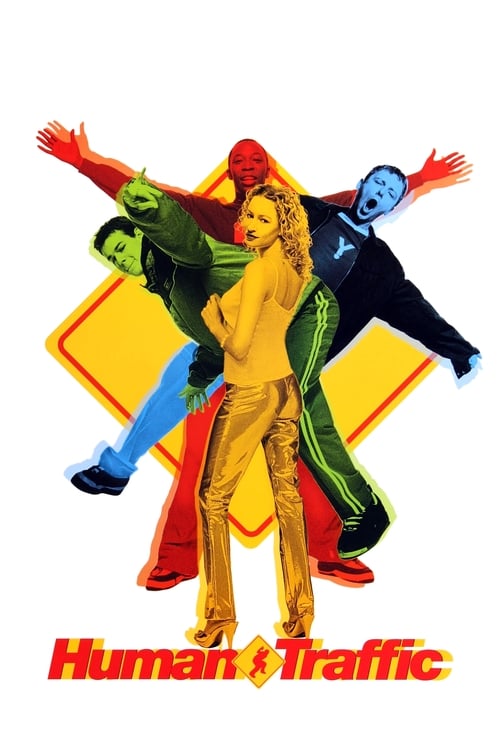
Justin Kerrigan's 1999 film is not a drum and bass film in a strict sense: the soundtrack spans jungle, garage, and house. But it is the most honest screen depiction of the culture that surrounded the genre: the group of Cardiff friends navigating a weekend from Friday night comedown anxiety to Sunday morning wreckage. No moralising, no tragedy arc, no villain drugs narrative. Just the actual texture of what it felt like inside those years. The film is inseparable from the music even when the music is not drum and bass, because it captures the communal emotional logic that drum and bass was built for.
A Genre in Motion
- 1992Jungle emerges from UK hardcore rave, with Jamaican soundsystem influence and sub-bass pressure.
- 1994The term 'drum and bass' consolidates around a faster, darker mutation of jungle.
- 1994Music for the Jilted Generation (The Prodigy) bridges the rave era and electronic mainstream. Music for the Jilted Generation
- 1995Goldie releases Timeless, the genre's first serious long-player. Timeless
- 1995WipEout on PlayStation introduces electronic music including adjacent breakbeat sounds to a console audience. Wipeout 2097
- 1996LTJ Bukem's Logical Progression compilation defines the 'liquid' atmospheric wing of the genre.
- 1997Roni Size and Reprazent's New Forms wins the Mercury Prize. New Forms
- 1999Human Traffic opens: the defining screen portrait of UK rave culture. Human Traffic
- 2000Optical and Ed Rush push neurofunk into its most abrasive, technical form.
- 2000LTJ Bukem's Movement in Still Life takes atmospheric drum and bass to a major label. Still Life
- 2010Noisia, Spor, and the 'neurofunk' generation take technical drum and bass to new extremes.
- 2020A new wave of producers including Chase and Status, Sub Focus, and Shy FX bring the sound to festival stages globally.
More underground sound and velocity
For Fans of Grime
Explore the For Fans of Grime guide →Drum and bass is not background music. It is designed to demand your body first and your mind second.Andy C