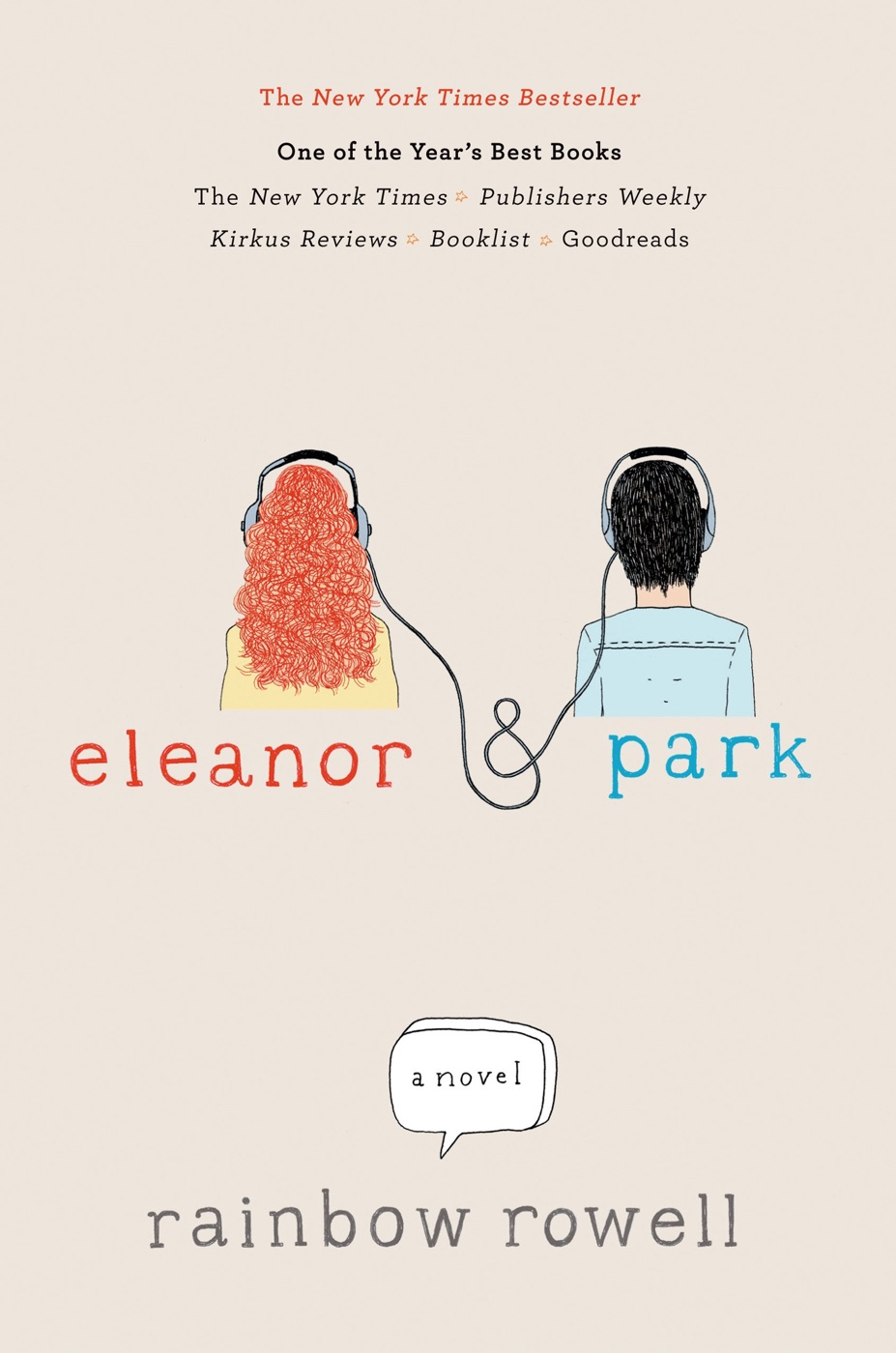

Eleanor & Park is a 1986-set love story about two teenagers who fall for each other over shared comic books and mix tapes on a school bus in Omaha. What Rainbow Rowell got right that so many others get wrong: the romance is built from small, precise things. A hand hovering near another hand. A song playing at exactly the wrong moment. The slow terror of being seen by someone you actually like. Eleanor is poor, red-haired, and self-conscious in a way that feels true rather than cinematic. Park is half-Korean, quiet, and trying to disappear. Together they make the kind of love story that readers describe as wrecking them completely. If you chased that feeling, this guide points you toward the films, series, games, and music that deliver the same specific ache: first love told without condescension, nostalgia for the 1980s that earns its warmth, and outsiders who find belonging in each other rather than in the crowd.
Essential Rainbow Rowell
Her novels that share Eleanor & Park's emotional precision and romantic tension


First Love, Found on the Margins
Novels where outsiders fall for each other slowly, awkwardly, and unforgettably


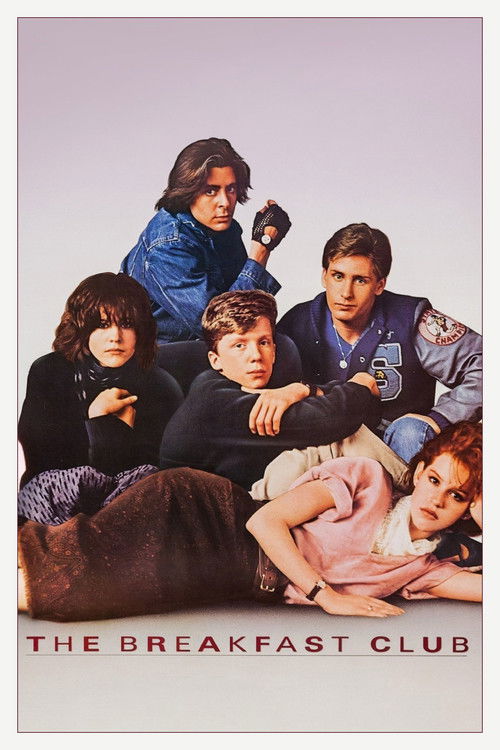
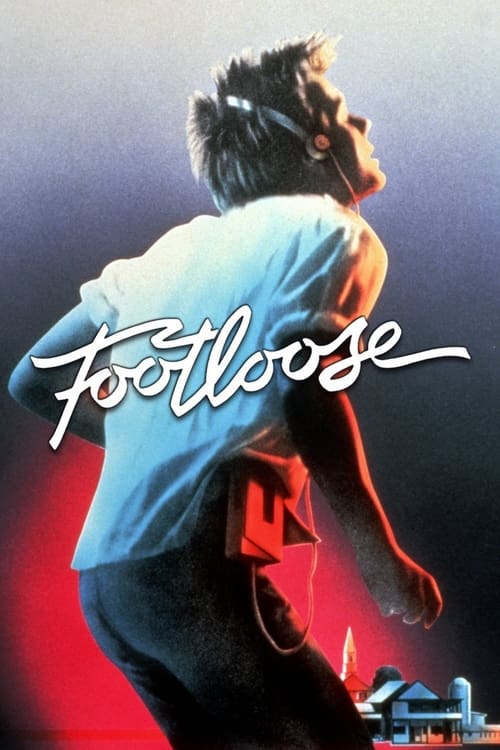
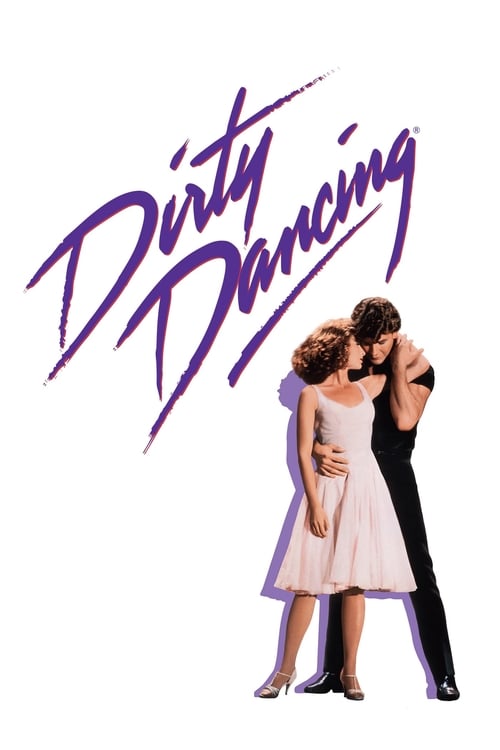
The 1980s on Screen, Felt Not Fetishized
Films that use the decade as emotional architecture, not costume party

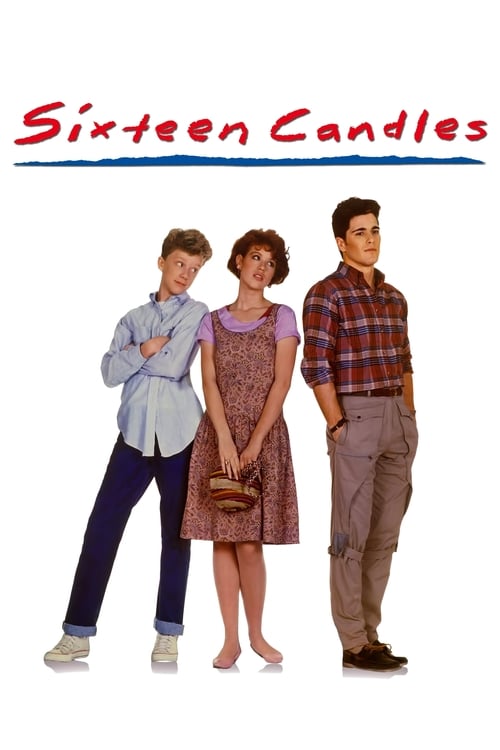
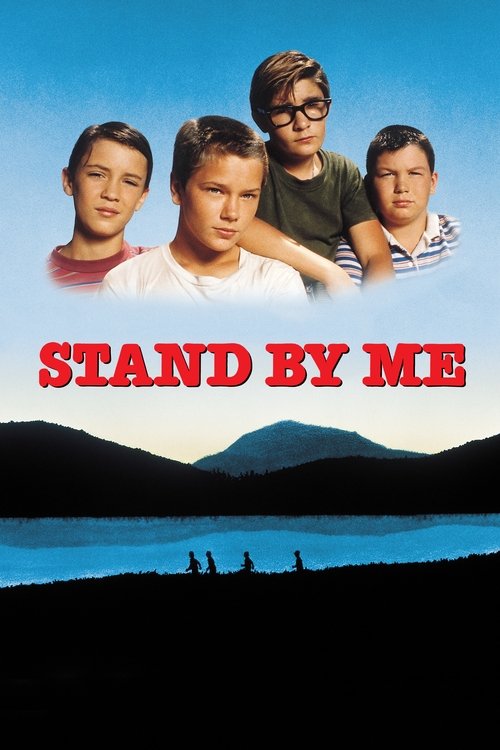
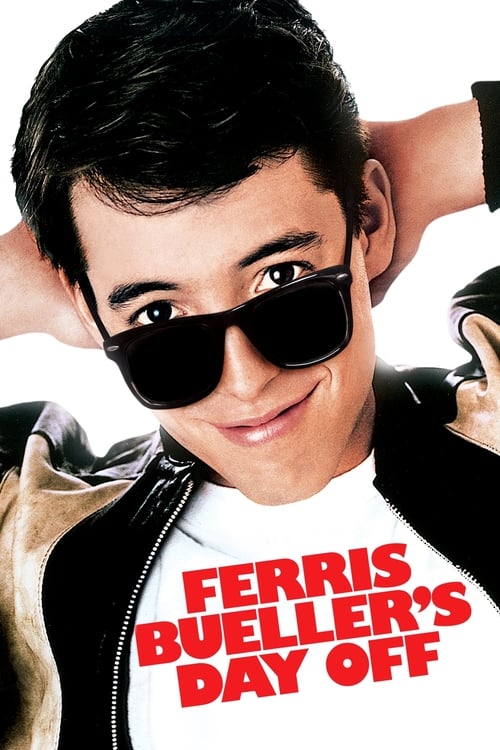
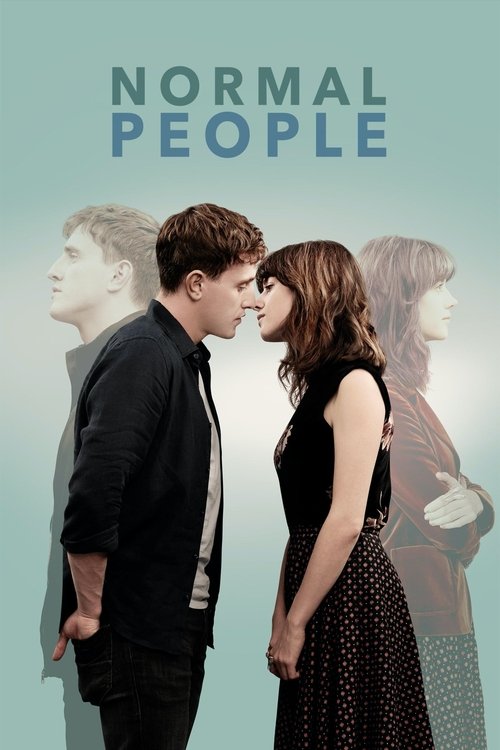
Series That Nail the Slow Burn
TV shows built on the same tension: two people circling each other for longer than they should

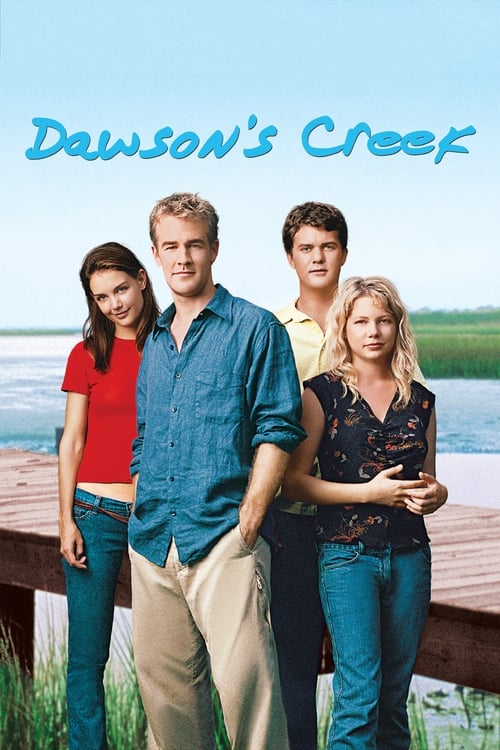
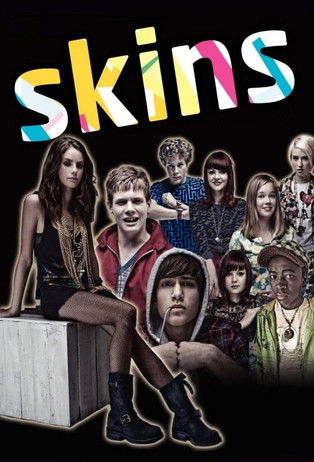
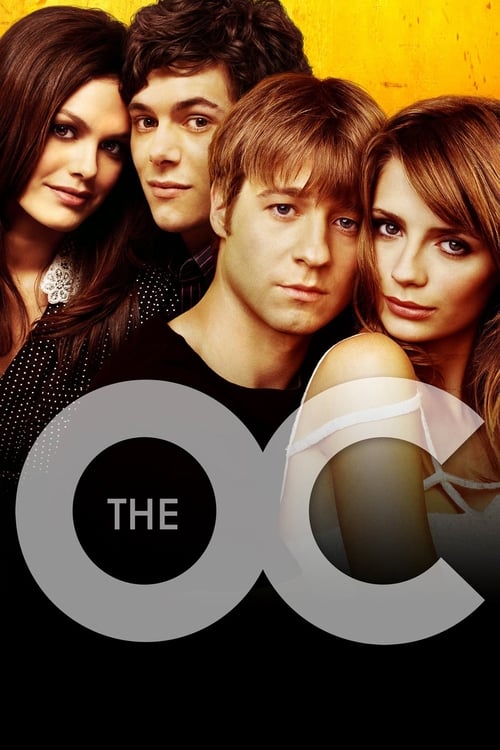
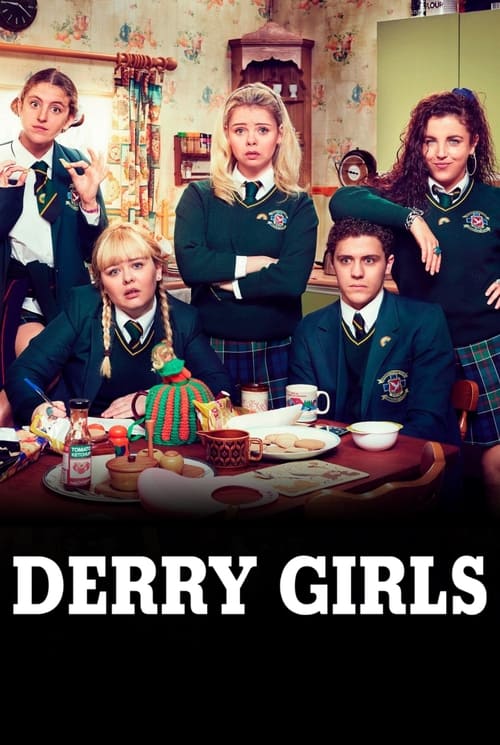
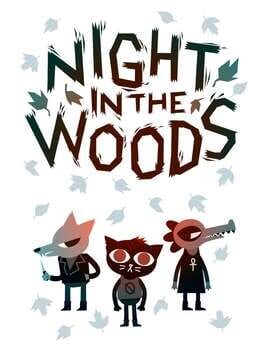
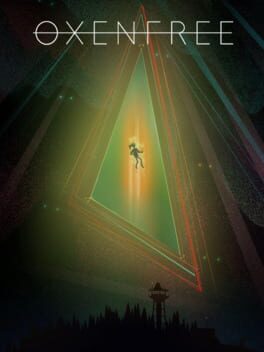
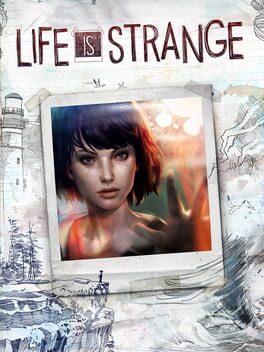
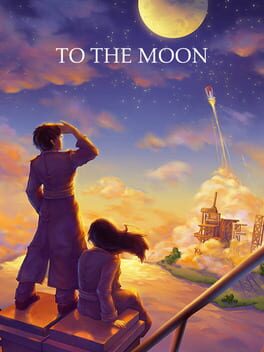
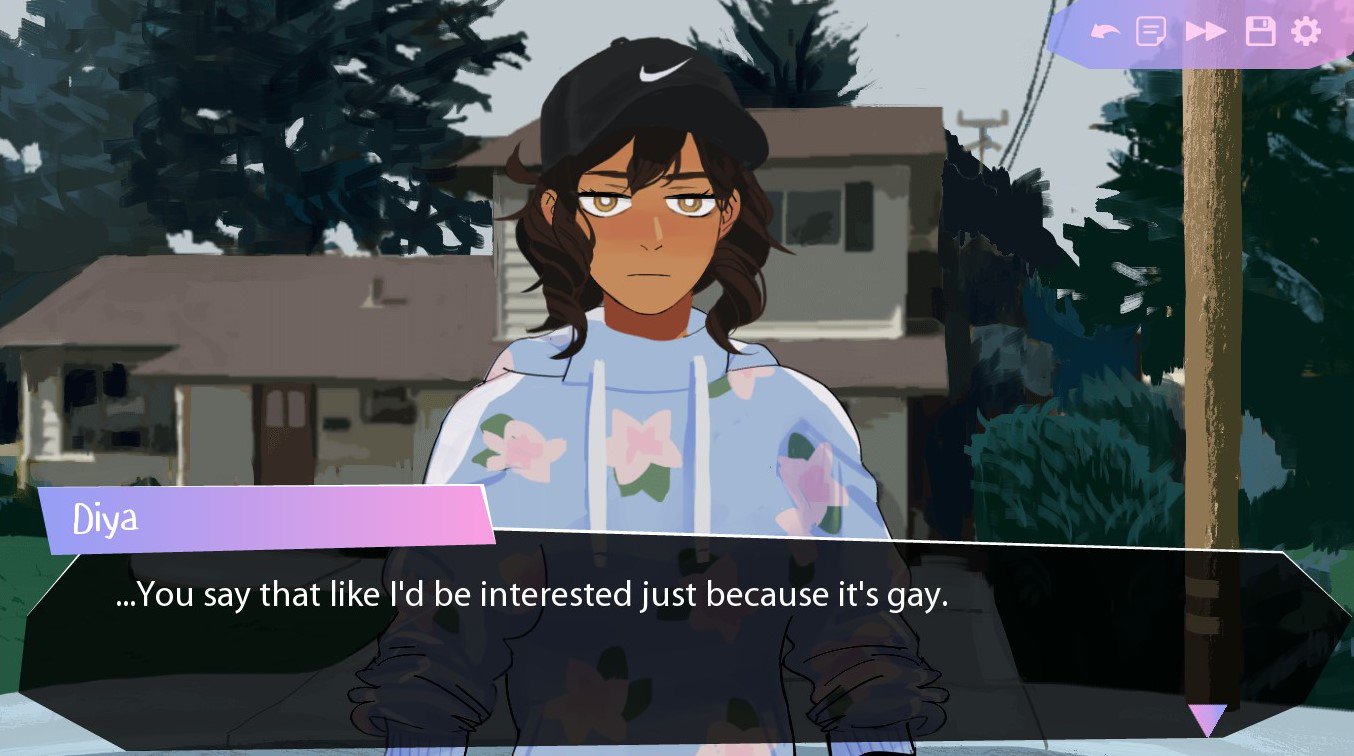
Games About Connection Under Pressure
Games where relationship-building and being truly seen by another character is the emotional core
The Mix Tape Canon
Albums and records that sound like falling in love in a bedroom in 1986
The Bus Scene Is the Whole Argument
Rowell builds the entire romantic tension of Eleanor & Park through proximity on a school bus, shared reading, and the question of whether someone will hold your hand. That constraint, two people unable to go anywhere or do much, is what makes the feeling so pressurized. The best YA romances since have understood this: desire built from small acts, not grand gestures.
Poverty Is Not a Plot Device Here
Eleanor's home life, the overcrowded house, the stepfather, the inability to buy the right clothes, is treated with specificity and without sentimentality. Rowell never lets Eleanor's poverty become a backdrop for a richer character's pity. That honesty is rare, and it raises the stakes of the romance into something that feels genuinely fragile.
The Ending Is the Right Ending
Readers have argued about the final pages of Eleanor & Park since the book published in 2013. The three words on the postcard are never revealed on the page. This is not a cop-out. Rowell understands that what matters is not resolution but the weight of what those words carry, and that spelling them out would diminish them. Ambiguous endings in romance fiction are almost always a feature.
Comics as Love Language
Park introducing Eleanor to X-Men and Watchmen is not a geek-credentials scene. It is a scene about how people reveal themselves through what they love, and how being handed someone's favorite thing is an act of vulnerability. The best cross-media love stories work the same way: characters become real through their taste.
A Timeline of the Outsider Romance in YA
- 1951Holden Caulfield narrates alienation from the inside out The catcher in the rye
- 1967S.E. Hinton writes The Outsiders at sixteen, class war as love story The Outsiders
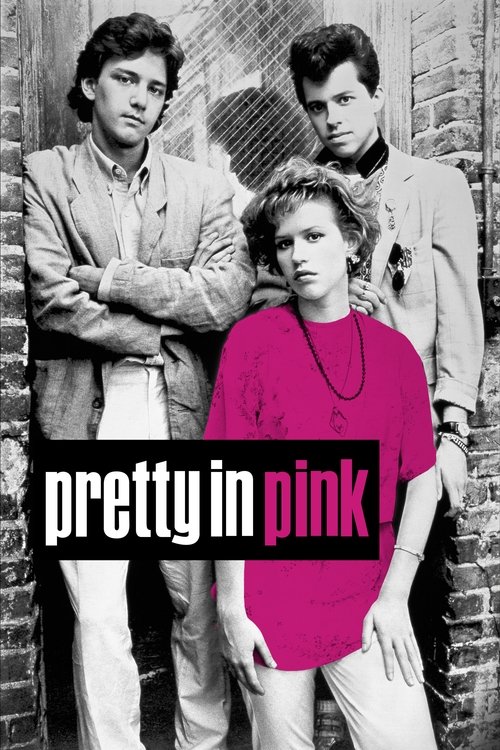
- 1985John Hughes cements the misfit-love archetype on screen The Breakfast Club
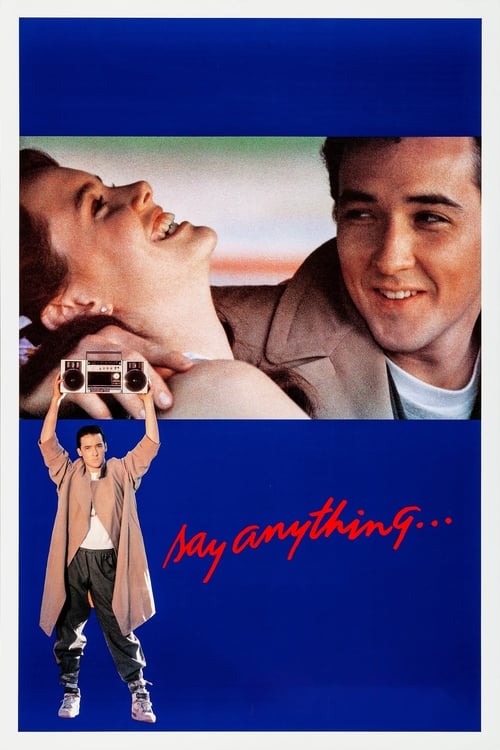
- 1989Cameron Crowe and John Cusack define the boombox moment Say Anything...
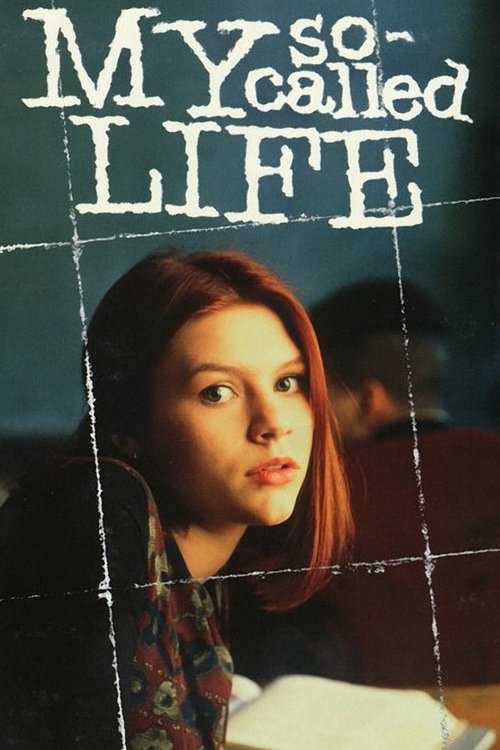
- 1994My So-Called Life gives Angela Chase an interior life television had never granted a teenage girl My So-Called Life
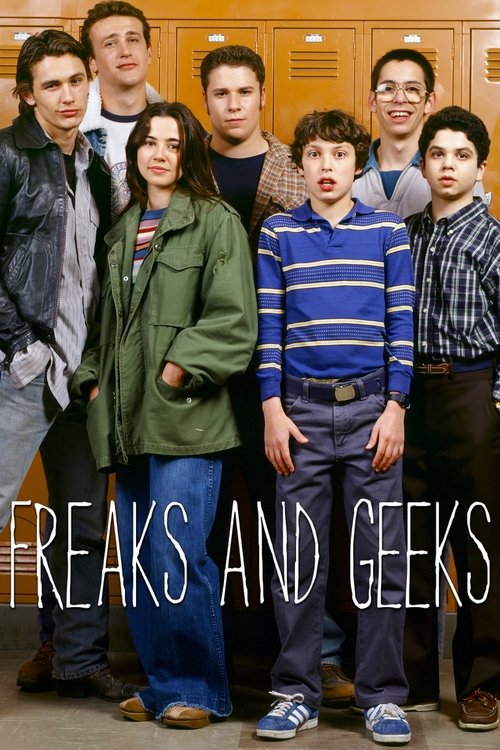
- 1999Freaks and Geeks names its demographic with precision Freaks and Geeks
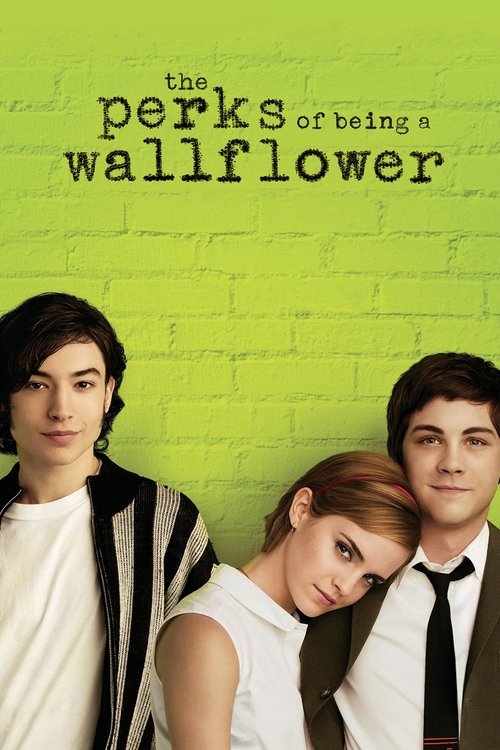
- 1999Stephen Chbosky's Wallflower arrives and does not let go
- 2013Rainbow Rowell publishes Eleanor & Park; the bus scene rewrites what restraint can do Eleanor & Park
- 2015Jenny Han's trilogy begins with the letters Lara Jean never meant to send To All the Boys I've Loved Before
- 2015Becky Albertalli's Simon changes what a high-school coming-out story can look like
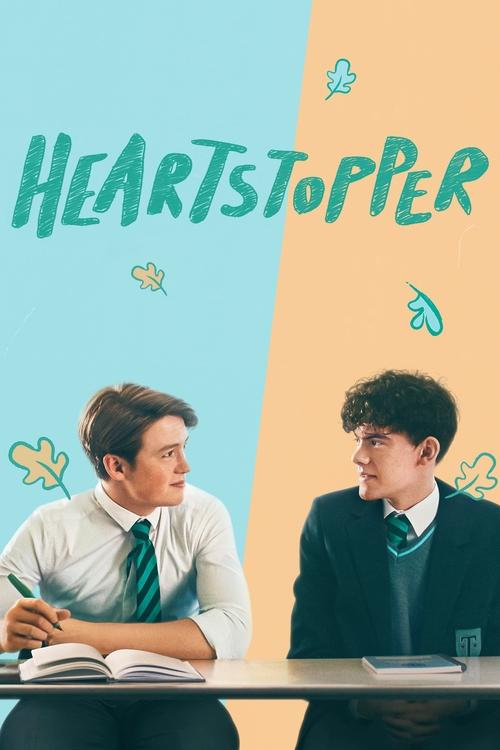
- 2021Alice Oseman's Heartstopper adapts to screen and reaches a new generation Heartstopper
He made her feel like more than the sum of her parts.Rainbow Rowell, Eleanor & Park